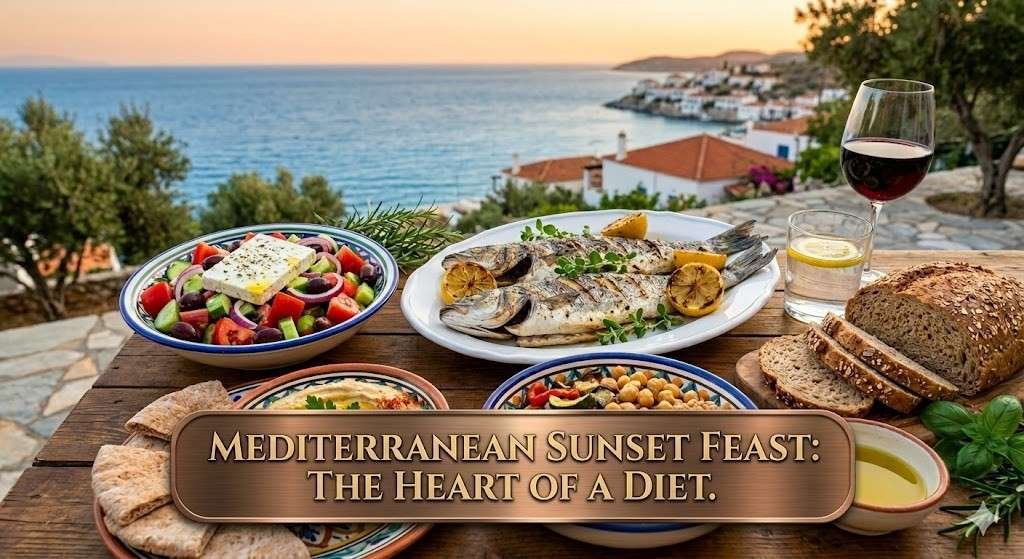
The Mediterranean diet is widely regarded as one of the healthiest eating patterns in the world. Inspired by the traditional dietary habits of countries bordering the Mediterranean Sea, such as Greece, Italy, and Spain, this diet emphasizes fresh, whole foods, healthy fats, and a balanced lifestyle.
In recent years, the Mediterranean diet has gained global popularity due to its numerous health benefits, including improved heart health, better weight management, and reduced risk of chronic diseases. Unlike restrictive diets, it focuses on long-term sustainability, making it an ideal choice for those seeking a healthy and enjoyable way of eating.
This comprehensive guide explores the benefits of the Mediterranean diet, the foods you should eat, and a practical meal plan to help you get started.
What Is the Mediterranean Diet?
The Mediterranean diet is not a strict diet plan but rather a lifestyle-based approach to eating. It is built on traditional eating habits that prioritize natural, minimally processed foods.
Key Principles
- High intake of fruits and vegetables
- Whole grains as a staple
- Healthy fats, especially olive oil
- Moderate consumption of fish and seafood
- Limited intake of red meat
- Moderate dairy consumption
- Use of herbs and spices instead of salt
- Regular physical activity
Health Benefits of the Mediterranean Diet
1. Supports Heart Health
One of the most well-known benefits of the Mediterranean diet is its positive impact on heart health. The diet is rich in healthy fats, particularly monounsaturated fats from olive oil, which help reduce bad cholesterol (LDL) levels while increasing good cholesterol (HDL).
Additionally, the high intake of fruits, vegetables, and whole grains provides antioxidants that protect against inflammation and oxidative stress.
2. Promotes Weight Management
Unlike fad diets, the Mediterranean diet focuses on balanced eating rather than calorie restriction. The combination of fiber-rich foods and healthy fats keeps you full longer, reducing overeating.
3. Reduces Risk of Chronic Diseases
Research suggests that following a Mediterranean diet can lower the risk of:
- Type 2 diabetes
- Certain cancers
- Alzheimer’s disease
- Metabolic syndrome
4. Improves Brain Health
The diet includes nutrients such as omega-3 fatty acids, antioxidants, and vitamins that support cognitive function and reduce the risk of cognitive decline.
5. Enhances Digestive Health
The high fiber content from fruits, vegetables, and whole grains promotes a healthy gut microbiome and improves digestion.
6. Supports Longevity
People who follow the Mediterranean diet tend to live longer and have a lower risk of premature death due to its balanced nutritional profile.
Foods to Eat on the Mediterranean Diet
1. Fruits and Vegetables
These should form the foundation of your diet. Aim for a variety of colors to ensure a wide range of nutrients.
Examples:
- Tomatoes
- Spinach
- Broccoli
- Oranges
- Apples
- Berries
2. Whole Grains
Whole grains provide essential fiber and nutrients.
Examples:
- Brown rice
- Quinoa
- Whole wheat bread
- Oats
3. Healthy Fats
Healthy fats are a cornerstone of the Mediterranean diet.
Examples:
- Olive oil
- Nuts (almonds, walnuts)
- Seeds
- Avocados
4. Lean Protein Sources
Focus on fish and plant-based proteins.
Examples:
- Salmon
- Sardines
- Lentils
- Chickpeas
5. Dairy (in Moderation)
Choose low-fat or fermented options.
Examples:
- Yogurt
- Cheese
6. Herbs and Spices
Enhance flavor without excess salt.
Examples:
- Basil
- Oregano
- Garlic
Foods to Limit or Avoid
- Processed foods
- Sugary beverages
- Refined grains
- Excess red meat
- Trans fats
Mediterranean Diet Meal Plan (7 Days)
Day 1
- Breakfast: Greek yogurt with honey and berries
- Lunch: Quinoa salad with vegetables
- Dinner: Grilled fish with steamed broccoli
- Snack: Almonds
Day 2
- Breakfast: Oatmeal with fruits
- Lunch: Whole grain sandwich with hummus and veggies
- Dinner: Baked chicken with olive oil and herbs
- Snack: Apple slices
Day 3
- Breakfast: Smoothie with spinach and banana
- Lunch: Lentil soup
- Dinner: Grilled salmon with quinoa
- Snack: Walnuts
Day 4
- Breakfast: Whole grain toast with avocado
- Lunch: Chickpea salad
- Dinner: Stir-fried vegetables with tofu
- Snack: Yogurt
Day 5
- Breakfast: Fruit salad
- Lunch: Brown rice with vegetables
- Dinner: Shrimp with garlic and olive oil
- Snack: Seeds mix
Day 6
- Breakfast: Oats with nuts
- Lunch: Mediterranean wrap
- Dinner: Grilled vegetables and fish
- Snack: Fresh fruit
Day 7
- Breakfast: Yogurt with granola
- Lunch: Tomato and cucumber salad
- Dinner: Roasted chicken with herbs
- Snack: Dark chocolate (in moderation)
Tips for Following the Mediterranean Diet
- Cook at home more often
- Use olive oil instead of butter
- Eat more fish than red meat
- Include vegetables in every meal
- Stay physically active
Common Mistakes to Avoid
- Overeating healthy fats
- Ignoring portion sizes
- Consuming too much processed food labeled as “healthy”
Mediterranean Diet for Beginners
Start small by incorporating one or two Mediterranean-style meals per day. Gradually replace processed foods with whole foods.
FAQs
1. Is the Mediterranean diet suitable for vegetarians?
Yes, it includes plenty of plant-based foods like legumes, nuts, and vegetables.
2. Can I lose weight on the Mediterranean diet?
Yes, when combined with portion control and physical activity.
3. Is olive oil necessary?
Olive oil is a key component, but other healthy fats can also be included.
4. How often should I eat fish?
At least 2–3 times per week.
5. Can I eat bread?
Yes, but choose whole grain options.
Conclusion
The Mediterranean diet is more than just a way of eating—it’s a lifestyle that promotes overall well-being. With its focus on fresh, wholesome foods and balanced nutrition, it offers a sustainable and enjoyable approach to healthy living.
By incorporating the foods and habits outlined in this guide, you can experience improved health, better energy levels, and a higher quality of life.
Start your Mediterranean diet journey today and enjoy the benefits of one of the world’s healthiest eating patterns.
Also read :
Arthritis Diet: 10 Best Foods to Reduce Joint Pain and Inflammation