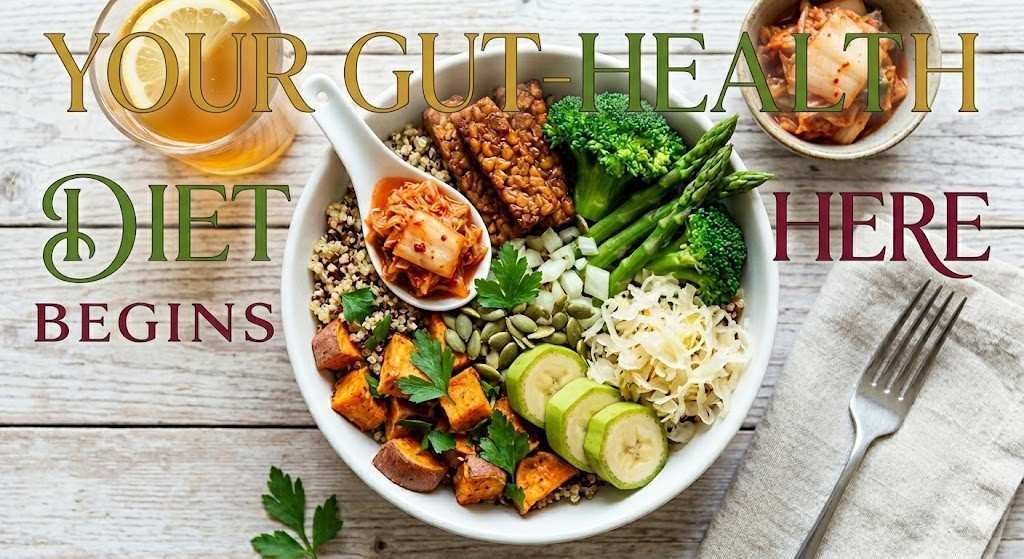
Your gut is often called your “second brain”—and for good reason. It plays a crucial role in digestion, immunity, mental health, and even weight management. A healthy gut can improve how you feel every day, from boosting your energy levels to enhancing your mood.
In recent years, the concept of a Gut Health Diet has gained immense popularity. Instead of focusing only on calories or weight loss, this approach emphasizes nourishing the trillions of bacteria living in your digestive system—collectively known as the gut microbiome.
In this comprehensive guide, you’ll learn what a gut health diet is, why it matters, which foods to eat and avoid, and how to build a sustainable eating plan that supports your overall health.
What Is a Gut Health Diet?
A Gut Health Diet is an eating pattern designed to improve the balance and diversity of beneficial bacteria in your digestive system. These bacteria help break down food, produce essential nutrients, and protect your body from harmful pathogens.
Key Principles:
- Eat more fiber-rich foods
- Include probiotics and fermented foods
- Reduce processed and sugary foods
- Stay hydrated
- Maintain a balanced lifestyle
This diet is not about restriction—it’s about feeding your body the nutrients it needs to thrive.
Why Gut Health Matters
Your gut does much more than digest food. It affects multiple systems in your body:
1. Digestion
A healthy gut ensures proper breakdown and absorption of nutrients.
2. Immunity
Around 70% of your immune system is located in your gut.
3. Mental Health
The gut and brain are connected through the gut-brain axis, influencing mood and stress levels.
4. Weight Management
Gut bacteria can impact metabolism and fat storage.
5. Overall Health
Poor gut health is linked to inflammation and chronic diseases.
Best Foods for Gut Health
A gut-friendly diet focuses on whole, natural foods that nourish beneficial bacteria.
1. Fiber-Rich Foods (Prebiotics)

Prebiotics are types of fiber that feed good gut bacteria.
Examples:
- Bananas
- Garlic
- Onions
- Oats
- Apples
- Lentils
2. Fermented Foods (Probiotics)
Probiotics are live bacteria that improve gut health.
Examples:
- Yogurt (curd)
- Buttermilk
- Pickles (traditional)
- Kimchi
- Sauerkraut
3. Whole Grains
Whole grains support digestion and provide essential nutrients.
Examples:
- Brown rice
- Quinoa
- Whole wheat
- Millets
4. Nuts and Seeds
They contain healthy fats and fiber.
Examples:
- Almonds
- Walnuts
- Chia seeds
- Flaxseeds
5. Fruits and Vegetables

These provide antioxidants and fiber.
Examples:
- Berries
- Oranges
- Spinach
- Carrots
Foods to Avoid for Gut Health
Certain foods can harm your gut microbiome:
Processed Foods
- Chips
- Packaged snacks
- Instant meals
Excess Sugar
- Soft drinks
- Candy
- Desserts
Artificial Sweeteners
They may negatively affect gut bacteria.
Fried Foods
High in unhealthy fats that disrupt digestion.
Excess Alcohol
Can damage gut lining and bacteria balance.
Sample 7-Day Gut Health Diet Plan
Day 1
- Breakfast: Oats with banana
- Lunch: Brown rice with dal and vegetables
- Dinner: Vegetable soup with whole grain bread
Day 2
- Breakfast: Yogurt with fruits
- Lunch: Quinoa salad
- Dinner: Stir-fried vegetables
Day 3
- Breakfast: Smoothie with spinach and apple
- Lunch: Lentil soup
- Dinner: Millet roti with sabzi
Day 4
- Breakfast: Chia pudding
- Lunch: Vegetable khichdi
- Dinner: Salad with nuts
Day 5
- Breakfast: Fruit bowl
- Lunch: Whole wheat roti with dal
- Dinner: Soup and salad
Day 6
- Breakfast: Buttermilk and poha
- Lunch: Brown rice and curry
- Dinner: Stir-fried tofu
Day 7
- Breakfast: Oats and seeds
- Lunch: Mixed vegetable salad
- Dinner: Light khichdi
Signs of Poor Gut Health
- Bloating
- Constipation
- Diarrhea
- Fatigue
- Skin issues
- Frequent illness
Tips to Improve Gut Health
Eat More Fiber
Gradually increase fiber intake.
Stay Hydrated
Water helps digestion and nutrient absorption.
Manage Stress
Stress affects gut bacteria.
Exercise Regularly
Supports healthy digestion.
Sleep Well
Poor sleep can disrupt gut balance.
Common Nutrient Considerations
Iron
Found in leafy greens and legumes.
Vitamin B12
May require supplements for vegetarians.
Calcium
Include dairy or fortified foods.
Gut Health Diet and Weight Loss
A healthy gut can:
- Improve metabolism
- Reduce cravings
- Enhance fat burning
This makes it easier to maintain a healthy weight.
Gut Health and Immunity
A balanced gut microbiome strengthens your immune system, helping your body fight infections and diseases more effectively.
Common Mistakes to Avoid
- Eating too much processed “healthy” food
- Ignoring probiotics
- Sudden increase in fiber
- Not drinking enough water
Who Should Follow a Gut Health Diet?
- People with digestive issues
- Those with low immunity
- Individuals aiming for better overall health
- Anyone wanting improved energy and mood
FAQs
1. How long does it take to improve gut health?
It can take a few weeks to a few months with consistent habits.
2. Are probiotics necessary?
Not always, but fermented foods are highly beneficial.
3. Can I eat dairy?
Yes, especially probiotic-rich options like yogurt.
4. Is this diet good for weight loss?
Yes, it supports healthy weight management.
5. Can kids follow this diet?
Yes, with balanced nutrition.
6. What is the best breakfast for gut health?
Oats, yogurt, and fruit are excellent choices.
7. Can I drink coffee?
Yes, in moderation.
Conclusion
The Gut Health Diet is not just a trend—it’s a science-backed approach to improving your overall well-being. By focusing on fiber-rich foods, probiotics, and whole ingredients, you can transform your digestive health and boost immunity naturally.
Small daily changes can lead to big results. Start by adding more fruits, vegetables, and fermented foods to your meals, and gradually reduce processed foods.
Your gut will thank you—and so will your entire body
Also read :