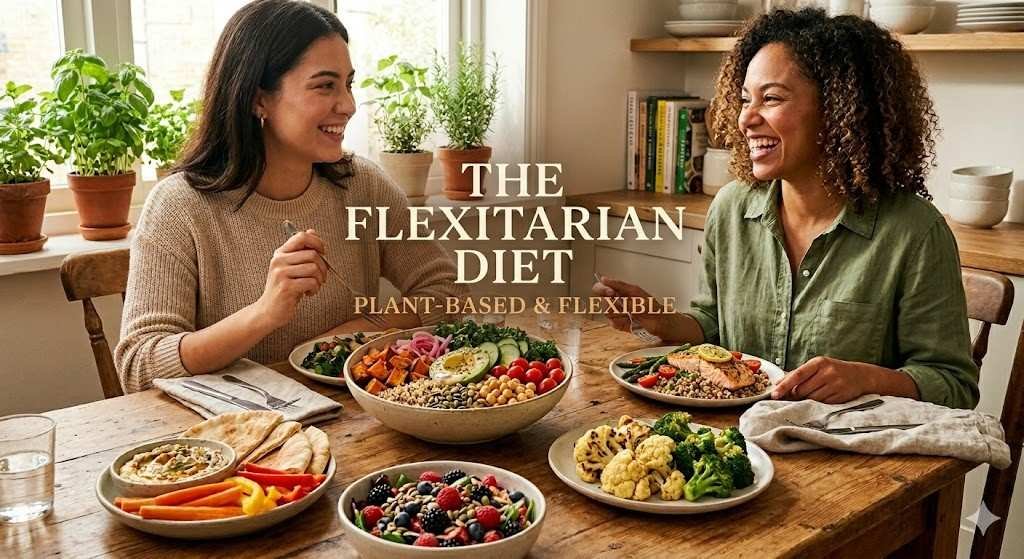
In recent years, the way people approach food has dramatically shifted. More individuals are becoming conscious of their health, environmental sustainability, and ethical food choices. Among the most popular dietary trends is the Plant-Based / Flexitarian Diet—a flexible and balanced approach that encourages mostly plant-based eating while still allowing occasional meat consumption.
Unlike strict vegetarian or vegan diets, the flexitarian diet offers the best of both worlds. You get the health benefits of plant foods without the rigidity of eliminating animal products entirely. This makes it easier to follow long-term, which is one of the key reasons behind its growing popularity.
In this guide, we’ll explore everything you need to know about the plant-based/flexitarian diet, including benefits, foods to eat and avoid, meal plans, and practical tips for getting started.
What Is a Plant-Based / Flexitarian Diet?
The term “flexitarian” is a combination of “flexible” and “vegetarian.” It refers to a diet that is primarily plant-based but includes meat, fish, or dairy occasionally.
Key Principles:
- Focus on fruits, vegetables, whole grains, legumes, nuts, and seeds
- Limit (not eliminate) meat and animal products
- Choose high-quality, minimally processed foods
- Practice mindful eating
This approach is not about strict rules—it’s about progress, not perfection.
Why Choose a Plant-Based / Flexitarian Diet?
There are several reasons why people are switching to this lifestyle:
1. Health Benefits
A plant-forward diet is rich in fiber, vitamins, and antioxidants, which help reduce the risk of chronic diseases.
2. Weight Management
Plant-based foods are generally lower in calories and higher in fiber, helping you feel full longer.
3. Environmental Impact
Reducing meat consumption lowers greenhouse gas emissions and conserves water resources.
4. Ethical Considerations
Many people choose this diet to reduce animal suffering.
Health Benefits of a Flexitarian Diet
1. Improved Heart Health
Eating more plant foods can help lower cholesterol levels and reduce blood pressure.
2. Supports Weight Loss
High-fiber foods promote satiety and reduce overeating.
3. Reduced Risk of Chronic Diseases
Studies show that plant-based diets can lower the risk of:
- Type 2 diabetes
- Certain cancers
- Obesity
4. Better Digestion
Fiber-rich foods improve gut health and prevent constipation.
5. Enhanced Energy Levels
Whole foods provide steady energy without sugar crashes.
Foods to Eat on a Plant-Based / Flexitarian Diet
A successful flexitarian diet focuses on whole, nutrient-dense foods.
Fruits and Vegetables
- Spinach, kale, broccoli
- Apples, bananas, berries
- Carrots, sweet potatoes
Whole Grains
- Brown rice
- Quinoa
- Oats
- Whole wheat
Plant Proteins
- Lentils
- Chickpeas
- Black beans
- Tofu and tempeh
Healthy Fats
- Nuts (almonds, walnuts)
- Seeds (chia, flax)
- Avocado
Dairy & Alternatives (Optional)
- Milk, yogurt, cheese
- Almond milk, soy milk
Occasional Animal Products
- Chicken
- Fish
- Eggs
Foods to Limit or Avoid
While the diet is flexible, it’s important to minimize certain foods:
Highly Processed Foods
- Packaged snacks
- Instant meals
Refined Carbs
- White bread
- Sugary cereals
Added Sugars
- Soft drinks
- Candy
Processed Meats
- Sausages
- Bacon
Sample 7-Day Plant-Based / Flexitarian Diet Meal Plan
Day 1
- Breakfast: Oatmeal with berries
- Lunch: Quinoa salad with veggies
- Dinner: Stir-fried tofu with vegetables
Day 2
- Breakfast: Smoothie with spinach and banana
- Lunch: Lentil soup
- Dinner: Grilled chicken with roasted vegetables
Day 3
- Breakfast: Whole grain toast with avocado
- Lunch: Chickpea salad
- Dinner: Vegetable curry with brown rice
Day 4
- Breakfast: Yogurt with nuts and fruits
- Lunch: Veggie wrap
- Dinner: Baked fish with greens
Day 5
- Breakfast: Chia pudding
- Lunch: Black bean bowl
- Dinner: Pasta with tomato and vegetables
Day 6
- Breakfast: Fruit smoothie
- Lunch: Hummus and veggie sandwich
- Dinner: Stir-fried vegetables with tofu
Day 7
- Breakfast: Oats with nuts
- Lunch: Mixed salad
- Dinner: Light chicken curry
Easy Recipes to Try
1. Chickpea Salad Bowl
Ingredients:
- Chickpeas
- Cucumber
- Tomatoes
- Olive oil
- Lemon juice
Instructions:
Mix all ingredients and serve fresh.
2. Vegetable Stir-Fry
Ingredients:
- Broccoli, carrots, bell peppers
- Soy sauce
- Garlic
Instructions:
Stir-fry vegetables in a pan and add sauce.
3. Overnight Oats
Ingredients:
- Oats
- Milk
- Chia seeds
- Fruits
Instructions:
Mix and refrigerate overnight.
Common Nutrient Concerns
While the flexitarian diet is healthy, you should pay attention to certain nutrients:
Iron
Found in lentils, spinach, and beans.
Vitamin B12
Mostly found in animal products—consider fortified foods or supplements.
Calcium
Include dairy or plant-based alternatives.
Omega-3 Fatty Acids
Found in flaxseeds, walnuts, and fish.
Tips for Starting a Flexitarian Diet
Start Slowly
Begin with one or two meat-free days per week.
Experiment with Recipes
Try new plant-based dishes to keep things interesting.
Focus on Whole Foods
Avoid relying on processed vegetarian foods.
Plan Your Meals
Meal planning helps maintain consistency.
Listen to Your Body
Adjust your diet based on your needs.
Flexitarian vs Other Diets
| Diet Type | Meat Allowed | Flexibility |
|---|---|---|
| Vegan | ❌ No | Strict |
| Vegetarian | ❌ No meat | Moderate |
| Flexitarian | ✅ Yes (limited) | Highly flexible |
Environmental Benefits
Reducing meat consumption can:
- Lower carbon footprint
- Save water
- Reduce deforestation
Even small changes can make a big difference.
Common Mistakes to Avoid
- Eating too many processed foods
- Not getting enough protein
- Ignoring portion sizes
- Skipping meal planning
Can You Build Muscle on a Flexitarian Diet?
Yes! You can easily meet protein needs with:
- Lentils
- Beans
- Tofu
- Eggs
- Lean meat (occasionally)
Combine with strength training for best results.
Who Should Try This Diet?
This diet is ideal for:
- Beginners transitioning to plant-based eating
- People who want flexibility
- Those aiming for weight loss
- Individuals concerned about sustainability
FAQs about Plant-Based / Flexitarian Diet
1. Is the flexitarian diet good for weight loss?
Yes, it promotes weight loss due to high fiber and low calorie intake.
2. Can I eat meat every day?
Yes, but in smaller portions and less frequently.
3. Is it expensive?
No, plant-based foods like beans and grains are affordable.
4. Do I need supplements?
Possibly for Vitamin B12, depending on your intake.
5. Is it suitable for kids?
Yes, with proper planning to ensure balanced nutrition.
6. Can I eat dairy?
Yes, in moderation.
7. Is this diet sustainable long-term?
Absolutely—it’s designed to be flexible and easy to maintain.
Conclusion of Plant-Based / Flexitarian Diet
The Plant-Based / Flexitarian Diet is more than just a trend—it’s a sustainable lifestyle choice that benefits your health, the environment, and overall well-being. By focusing on plant-based foods while allowing occasional meat consumption, you create a balanced and realistic approach to eating.
Whether your goal is weight loss, improved health, or reducing your environmental impact, the flexitarian diet offers a practical and enjoyable path forward.
Start small, stay consistent, and enjoy the journey toward a healthier you
Also read :