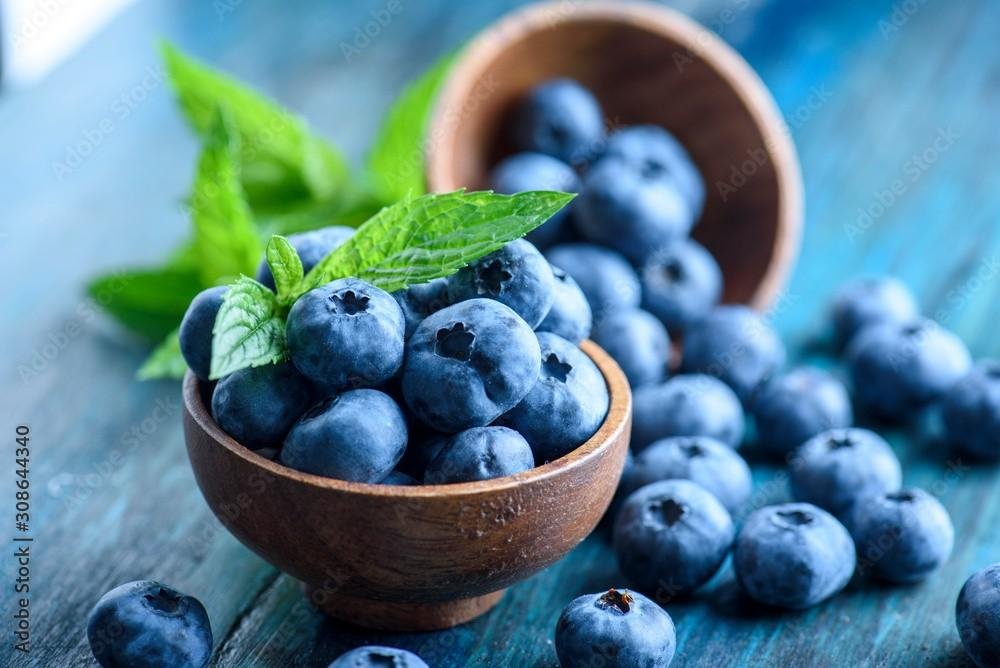
Blueberry may be small in size, but it is one of the most nutrient-rich fruits available today. Known for its deep blue-purple color, mildly sweet taste, and soft texture, blueberries have earned a reputation as one of the world’s most powerful superfruits. They are widely enjoyed fresh, frozen, dried, or blended into smoothies, breakfast bowls, desserts, and healthy snacks. In recent years, blueberries have become especially popular among people interested in nutrition, skin health, fitness, and disease prevention because of their exceptional antioxidant content.
Blueberries belong to the Vaccinium genus, which also includes cranberries and bilberries. Their natural color comes from anthocyanins, a group of plant compounds that act as antioxidants and help protect cells from oxidative damage. These antioxidants are one of the main reasons blueberries are frequently linked to heart health, brain support, healthy aging, and reduced inflammation.
Because blueberries are low in calories and rich in vitamins, minerals, and fiber, they fit easily into many eating styles, including balanced diets, low-calorie meal plans, and fitness-focused nutrition programs. Their naturally sweet taste also makes them a practical alternative to sugary snacks.
This complete guide explores blueberries in detail—from what they are and how they grow to their nutritional profile, health benefits, beauty uses, storage methods, and the best ways to enjoy them every day 🫐
What Are Blueberries?
Blueberries are small round berries produced by shrubs that grow mainly in temperate climates. They are native to North America, where wild blueberries have been consumed for centuries. Today blueberries are cultivated in many countries because of their strong market demand and health reputation.
Blueberries grow on bushes and change color during ripening:
- Green when immature
- Red during development
- Blue to deep purple when ripe
Their outer skin contains a natural powdery coating called bloom, which helps protect the fruit.
Blueberries are widely available in:
- Fresh form
- Frozen packs
- Dried berries
- Juices
- Purees
- Bakery products
Because they are easy to eat and require no peeling, blueberries are one of the most convenient fruits for everyday use.
Nutritional Value of Blueberries
Blueberries provide significant nutrition while remaining low in calories.
Nutrition in 100 grams of blueberries
- Calories: 57
- Water: 84%
- Carbohydrates: 14 grams
- Fiber: 2.4 grams
- Protein: 0.7 grams
- Fat: 0.3 grams
- Vitamin C
- Vitamin K
- Manganese
Their high water content makes blueberries hydrating, while fiber supports digestion.
Important antioxidants in blueberries
Blueberries are especially known for:
- Anthocyanins
- Quercetin
- Myricetin
- Chlorogenic acid
These compounds help protect cells from oxidative stress.
The darker the berry, the richer its anthocyanin content usually is.
Why Blueberries Are Called a Superfood
Blueberries are often called a superfood because they offer many nutritional benefits in a very small serving.
Reasons include:
- High antioxidant density
- Low calorie content
- Useful fiber
- Natural sweetness
- Strong scientific interest in health research
Among fruits, blueberries are often recognized for their antioxidant capacity.
This makes them highly popular in wellness-focused diets.
Health Benefits of Blueberries
Blueberry Benefits for Men
1. Supports Heart Health
Men are at higher risk of heart disease as they age. Blueberries are rich in antioxidants and fiber, which help:
- Reduce LDL (“bad”) cholesterol
- Improve blood vessel function
- Lower oxidative stress
Regular blueberry consumption may support cardiovascular health and reduce heart disease risk.
2. Boosts Brain Function
Blueberries contain anthocyanins, plant compounds that protect brain cells. Benefits for men include:
- Improved memory and learning
- Better focus and cognitive performance
- Reduced risk of age-related cognitive decline
3. Enhances Sexual Health
By improving circulation, blueberries may contribute to:
- Better erectile function
- Overall vascular health
- Healthy testosterone support indirectly through antioxidant protection
4. Supports Muscle Recovery and Exercise
Men who exercise regularly can benefit from blueberries because:
- Antioxidants reduce inflammation caused by workouts
- Aid in quicker muscle recovery
- Help prevent oxidative stress from intense training
5. Weight Management and Satiety
Blueberries are low in calories but high in fiber, making them ideal for:
- Healthy snacking
- Controlling appetite
- Supporting fat metabolism naturally
6. Regulates Blood Sugar
Moderate intake of blueberries helps men maintain healthy blood sugar levels:
- Improves insulin sensitivity
- Reduces risk of type 2 diabetes
- Balances post-meal sugar spikes
7. Boosts Immunity
Blueberries contain vitamin C and antioxidants, which help:
- Strengthen immune system
- Protect cells from free radicals
- Support overall wellness
8. Supports Prostate Health
Some studies suggest antioxidants in blueberries may help reduce oxidative stress in prostate tissues, potentially supporting prostate health as men age.
Blueberry Benefits for Women
1. Supports Heart Health
Women, especially post-menopause, are at risk of cardiovascular issues. Blueberries are rich in antioxidants, fiber, and vitamins, which help:
- Reduce LDL (“bad”) cholesterol
- Improve blood vessel function
- Lower oxidative stress
Regular consumption may contribute to a healthy heart and better circulation.
2. Promotes Skin Health
Blueberries contain vitamin C and anthocyanins, which support collagen production. Benefits for skin include:
- Improved elasticity
- Reduced wrinkles and fine lines
- Protection against environmental damage
- Brighter, glowing complexion
3. Bone Health Support
Blueberries provide manganese, vitamin K, and antioxidants, which are important for bone density and overall skeletal health.
This is especially beneficial for:
- Post-menopausal women
- Women at risk of osteoporosis
4. Hormonal Balance and PMS Support
The antioxidants and phytonutrients in blueberries may help:
- Reduce inflammation linked to hormonal fluctuations
- Support a healthier menstrual cycle
- Improve overall wellness during PMS
5. Supports Pregnancy and Fertility
Blueberries are rich in folate, vitamin C, and antioxidants, which help:
- Promote fetal development during pregnancy
- Support reproductive health
- Protect cells from oxidative stress
6. Weight Management and Satiety
High in fiber and water, blueberries help women:
- Feel full longer
- Reduce cravings for sugary snacks
- Maintain a healthy weight naturally
7. Improves Digestion
The fiber in blueberries promotes:
- Healthy bowel movement
- Support for gut microbiome
- Reduced bloating and digestive discomfort
8. Boosts Brain Health
Blueberries’ antioxidants help:
- Protect brain cells
- Support memory and cognitive function
- Reduce age-related cognitive decline
Blueberries for Skin Health
Blueberries are often linked with skin wellness because antioxidants help protect skin cells.
Benefits for skin
- Support collagen preservation
- Help reduce dullness
- Protect from environmental stress
Vitamin C in blueberries also contributes to skin-supportive nutrition.
Many beauty-focused diets include berries regularly.
Blueberries for Hair
Blueberries may also support hair health through nutrient contribution.
Benefits include:
- Antioxidant support
- Scalp nourishment
- General nutrient variety
A nutrient-rich diet supports healthy hair over time.
Best Ways to Eat Blueberries
Blueberries are extremely versatile.
Fresh ways
- Eat plain
- Add to fruit bowls
- Mix into yogurt
- Sprinkle on cereal
Breakfast uses
- Oatmeal topping
- Pancakes
- Smoothie bowls
- Chia pudding
Healthy snacks
- Blueberries with nuts
- Blueberries with seeds
- Blueberries with cottage cheese
Because they require little preparation, blueberries fit busy lifestyles.
Blueberries in Drinks
Blueberries blend well into drinks.
Popular choices:
- Blueberry smoothie
- Blueberry milkshake
- Fruit-infused water
- Juice blends
Their natural color makes drinks visually attractive.
Blueberries in Desserts
Blueberries are widely used in baking and desserts.
Examples include:
- Muffins
- Cakes
- Pies
- Frozen desserts
Their slight tartness balances sweetness well.
Blueberries in Modern Healthy Diets
Blueberries fit into many eating styles:
- Balanced diets
- Fitness plans
- Low-calorie nutrition
- Mediterranean-style eating
Because they are nutrient-dense, they are often recommended by nutrition professionals.
Fresh vs Frozen Blueberries
Both fresh and frozen blueberries offer benefits.
Fresh blueberries
- Pleasant texture
- Easy snacking
Frozen blueberries
- Convenient year-round
- Long shelf life
- Good nutrient retention
Frozen berries often retain most nutrients well.
How to Choose Fresh Blueberries
Choose blueberries that are:
- Firm
- Deep blue
- Dry
- Uniform in appearance
Avoid berries that are:
- Soft
- Crushed
- Leaking
The natural powdery bloom is a good freshness sign.
How to Store Blueberries Properly
Blueberries store better when handled carefully.
Storage tips
- Refrigerate promptly
- Keep dry
- Wash before eating, not before storing
Moisture shortens shelf life.
Can Blueberries Cause Allergy?
Blueberry allergy is uncommon but possible.
Possible signs:
- Itching
- Mild rash
- Digestive discomfort
People sensitive to berries should observe carefully.
Blueberries for Children
Blueberries are popular with children because of mild sweetness.
Benefits:
- Easy to chew
- Convenient snack
- Rich in nutrients
Cutting or lightly crushing may help younger children.
Blueberries During Pregnancy
Blueberries provide nutrients useful during pregnancy.
Benefits include:
- Vitamin support
- Fiber
- Antioxidants
Balanced fruit intake supports overall nutrition.
Blueberry Farming Basics
Blueberries grow on shrubs and require acidic soil.
Best growing conditions
- Acidic soil
- Good drainage
- Moderate climate
- Sunlight
Blueberry farming has expanded because of growing demand.
Interesting Facts About Blueberries
Here are some fascinating facts:
- Blueberries naturally contain anthocyanins
- Wild blueberries are often smaller
- The bloom protects fruit naturally
- Blueberries belong to the same family as cranberries
These facts add to their scientific appeal.
Why Blueberries Remain Popular Worldwide
Blueberries combine:
- Nutrition
- Taste
- Convenience
- Beauty
They fit equally well into healthy meals and premium desserts.
Because modern consumers value nutrient-dense foods, blueberries continue growing in popularity.
Conclusion
Blueberries are one of the most valuable fruits for modern nutrition. Their antioxidant strength, fiber content, natural sweetness, and versatility make them ideal for daily eating. Whether enjoyed fresh, frozen, blended into drinks, or added to breakfast, blueberries offer practical benefits for health and wellness.
This small fruit proves that size does not determine nutritional power—blueberries remain one of the most respected superfruits in healthy eating today
FAQs About Blueberry
1. Are blueberries healthy to eat every day?
Yes, blueberries are nutrient-rich, low in calories, and provide antioxidants, fiber, and vitamins, making them suitable for daily consumption.
2. How many blueberries should I eat daily?
A typical serving is about 1 cup (around 150 grams) of blueberries per day for most adults.
3. Do blueberries help with weight loss?
Yes, blueberries are low in calories, high in fiber, and naturally sweet, making them a healthy snack that supports weight management.
4. Are blueberries good for brain health?
Yes, antioxidants like anthocyanins in blueberries may help improve memory, cognitive function, and protect brain cells from oxidative stress.
5. Can people with diabetes eat blueberries?
Yes, blueberries have a moderate glycemic effect and can be included in a balanced diet in reasonable portions.
6. Are blueberries rich in antioxidants?
Absolutely, blueberries are one of the top fruit sources of antioxidants, particularly anthocyanins and flavonoids.
7. Is it better to eat fresh or frozen blueberries?
Both are nutritious. Fresh blueberries offer taste and texture, while frozen blueberries retain most nutrients and are convenient year-round.
8. Can blueberries improve skin health?
Yes, antioxidants and vitamin C in blueberries support collagen production and help protect skin from environmental stress.
9. Can children eat blueberries?
Yes, blueberries are safe and healthy for children. Cutting them into smaller pieces is recommended for younger kids.
10. Are blueberries safe during pregnancy?
Yes, blueberries provide folate, vitamin C, and fiber, making them a nutritious fruit during pregnancy when consumed in moderation.
11. How should blueberries be stored?
Store blueberries in the refrigerator, keep them dry, and wash only before eating to extend shelf life.
12. Can blueberries cause allergies?
Blueberry allergies are rare but possible. Mild symptoms may include itching, rashes, or digestive discomfort.
13. Do blueberries support heart health?
Yes, regular blueberry intake may improve blood vessel function, support healthy cholesterol levels, and reduce oxidative stress.
14. Are wild blueberries better than cultivated ones?
Wild blueberries often contain higher levels of antioxidants due to their smaller size and denser flesh, though both types are healthy.
15. Why are blueberries called a superfruit?
Blueberries are considered a superfruit because they are rich in antioxidants, vitamins, fiber, and low in calories, offering multiple health benefits in a small package.
Also read :