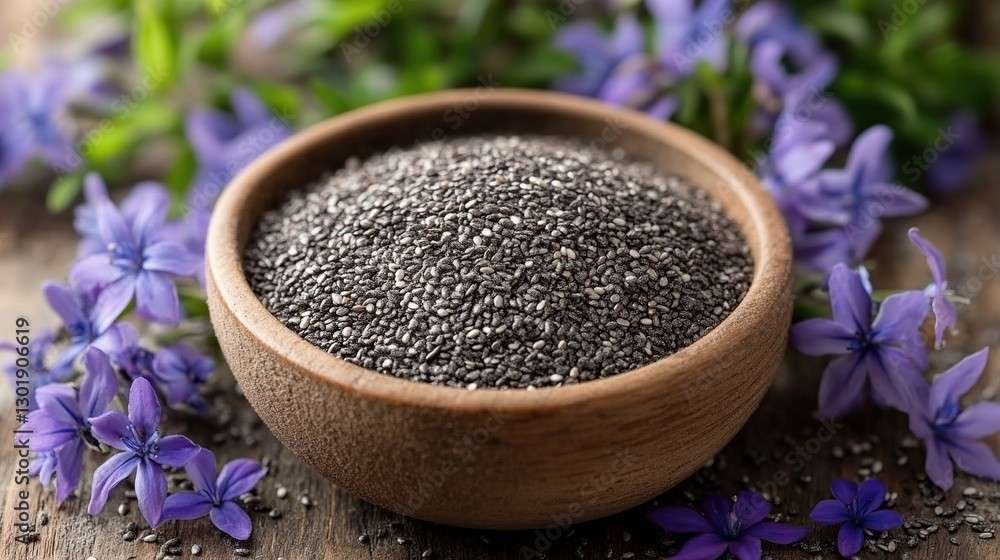
Chia seeds have become one of the most popular superfoods in modern nutrition. Tiny but packed with nutrients, these seeds are widely used for weight loss, digestion, heart health, energy, and healthy recipes like puddings and smoothies.
From fitness enthusiasts to health-conscious families, many people now include chia seeds in their daily diet because they are easy to use, affordable, and highly nutritious.
But are chia seeds really worth the hype?
In this complete guide, you’ll learn everything about chia seeds, including:
- Nutritional value
- Health benefits
- Weight loss effects
- Best ways to eat them
- Side effects
- Daily dosage
- FAQs and recipes
Whether you are a beginner or already using chia seeds, this detailed article will help you understand how to use them safely and effectively.
What Are Chia Seeds?
Chia Seeds are tiny black or white seeds that come from the plant Salvia hispanica, a member of the mint family.
They were originally grown in Central and South America and were considered an important food by ancient Aztec and Mayan civilizations.
The word “chia” reportedly means “strength,” which makes sense because these seeds are rich in nutrients that support energy and overall wellness.
Today, chia seed are used in:
- Smoothies
- Overnight oats
- Puddings
- Detox drinks
- Yogurt bowls
- Baking recipes
Nutritional Value of Chia Seeds
Chia seed are nutrient-dense and contain fiber, protein, healthy fats, vitamins, minerals, and antioxidants.
Nutrition Per 2 Tablespoons (28 grams)
| Nutrient | Amount |
|---|---|
| Calories | 138 |
| Protein | 4.7 g |
| Fiber | 9.8 g |
| Fat | 8.7 g |
| Omega-3 Fatty Acids | High |
| Calcium | 18% DV |
| Magnesium | 30% DV |
| Iron | 12% DV |
| Phosphorus | 27% DV |
Chia seed are especially known for their:
- High fiber content
- Plant-based omega-3 fats
- Antioxidants
- Protein
21 Benefits of Chia Seeds
1. Rich in Fiber
One of the biggest benefits of chia seed is their extremely high fiber content.
Fiber helps:
- Improve digestion
- Support gut health
- Keep you full longer
- Promote regular bowel movements
Just two tablespoons provide nearly 10 grams of fiber.
2. May Help With Weight Loss
Chia seed absorb water and expand in the stomach, which may increase feelings of fullness.
This can help:
- Reduce appetite
- Control cravings
- Prevent overeating
Many people use chia seeds in weight-loss diets because they are filling and nutritious.
3. Excellent Source of Omega-3 Fatty Acids
Chia seed contain alpha-linolenic acid (ALA), a plant-based omega-3 fat linked to heart and brain health.
Omega-3s may help:
- Reduce inflammation
- Support heart health
- Improve brain function
4. Supports Digestion
Because of their fiber and gel-like texture when soaked, chia seed may support healthy digestion.
They can help:
- Improve bowel regularity
- Reduce constipation
- Support beneficial gut bacteria
5. Helps You Stay Full Longer
When soaked in liquid, chia seed form a thick gel.
This slows digestion and may help control hunger between meals.
That’s why chia pudding is popular for breakfast and healthy snacks.
6. High in Antioxidants
Chia seed contain antioxidants that help protect cells from oxidative stress and free radical damage.
Antioxidants may support:
- Healthy aging
- Skin health
- Immune function
7. Supports Heart Health
The combination of:
- Fiber
- Omega-3 fats
- Antioxidants
may help support healthy cholesterol and heart function.
8. Good Plant-Based Protein Source
Chia seed contain protein, making them useful for:
- Vegetarians
- Vegans
- Fitness diets
Protein helps support:
- Muscle recovery
- Satiety
- Energy
9. Helps Stabilize Blood Sugar
The fiber in chia seed may slow digestion and help reduce blood sugar spikes after meals.
This may be useful for:
- Blood sugar balance
- Reducing cravings
- Energy stability
10. Supports Bone Health
Chia seed are rich in:
- Calcium
- Magnesium
- Phosphorus
These minerals are important for strong bones and teeth.
11. May Improve Energy Levels
Because chia seed contain healthy fats, protein, and fiber, they provide steady energy rather than quick sugar spikes.
Athletes sometimes use chia seed as a natural endurance food.
12. Easy to Add to Meals
Chia seed have a mild taste, making them easy to include in:
- Smoothies
- Yogurt
- Oatmeal
- Salads
- Baked foods
13. May Help Reduce Cravings
High-fiber foods can improve satiety and reduce the urge to snack frequently.
14. Supports Hydration
Chia seed absorb large amounts of water.
This may help support hydration during exercise or hot weather.
15. Good for Vegan Diets
Chia seed are popular in plant-based diets because they provide:
- Omega-3 fats
- Protein
- Iron
- Calcium
16. May Support Healthy Skin
Antioxidants and healthy fats in chia seed may help support skin health and hydration.
17. Naturally Gluten-Free
Chia seed are naturally gluten-free and suitable for many people with gluten sensitivity.
18. Supports Healthy Cholesterol
Some studies suggest chia seed may help improve cholesterol balance due to their fiber and omega-3 content.
19. Convenient and Affordable Superfood
Compared to many trendy supplements, chia seed are:
- Affordable
- Easy to store
- Simple to use
20. Great for Meal Prep
Chia pudding and overnight recipes are popular because they are easy to prepare in advance.
21. Versatile for Healthy Recipes
Chia seed work in:
- Smoothie bowls
- Overnight oats
- Protein puddings
- Detox drinks
- Baking recipes
Chia Seeds for Weight Loss
Chia seed are commonly used in weight-loss diets because they are:
- High in fiber
- Filling
- Low in sugar
- Nutrient-dense
How They May Help
- Increase fullness
- Reduce overeating
- Slow digestion
- Support healthy eating habits
However, chia seed alone will not cause dramatic fat loss.
Healthy eating and exercise still matter most.
How to Eat Chia Seeds
1. Chia Water
Mix:
- 1 tablespoon chia seed
- 1 glass water
- Lemon juice optional
Allow seeds to soak for 20–30 minutes.
2. Chia Pudding
One of the most popular recipes.
Ingredients
- Chia seed
- Milk or plant milk
- Honey or maple syrup
- Fruit toppings
Refrigerate overnight.
3. Add to Smoothies
Blend chia seed into:
- Fruit smoothies
- Protein shakes
- Green smoothies
4. Sprinkle on Yogurt or Oatmeal
Quick and easy breakfast upgrade.
5. Use in Baking
Chia seed can be added to:
- Muffins
- Pancakes
- Bread
- Cookies
Should You Soak Chia Seeds?
Soaking chia seed helps them absorb liquid and become easier to digest.
Benefits of soaking:
- Better texture
- Easier digestion
- Reduced choking risk
Dry it absorb water quickly, so drinking enough fluids is important.
Best Time to Eat Chia Seeds
Morning
Popular for:
- Breakfast
- Energy
- Appetite control
Before Meals
May help fullness and portion control.
Post-Workout
Provides nutrients and hydration support.
How Much Chia Seeds Should You Eat Daily?
Most people use:
- 1–2 tablespoons daily
Beginners should start slowly to avoid digestive discomfort.
Chia Seeds vs Flax Seeds
| Feature | Chia Seeds | Flax Seeds |
|---|---|---|
| Fiber | Very high | High |
| Omega-3 | High | High |
| Protein | Moderate | Moderate |
| Texture | Gel-like | Nutty |
| Best Use | Puddings & drinks | Baking & smoothies |
Both are nutritious choices.
Chia Seeds vs Basil Seeds
| Feature | Chia Seeds | Basil Seeds |
|---|---|---|
| Origin | Salvia hispanica | Sweet basil plant |
| Texture | Soft gel | Larger gel texture |
| Fiber | High | High |
| Popular Use | Puddings | Summer drinks |
Side Effects of Chia Seeds
Although generally safe, excessive intake may cause problems.
1. Digestive Discomfort
Too much fiber too quickly may cause:
- Bloating
- Gas
- Stomach discomfort
2. Choking Risk
Dry chia seeds absorb liquid rapidly.
Always drink enough water and preferably soak them first.
3. Allergic Reactions
Rare, but possible in sensitive individuals.
4. Medication Interactions
it may interact with:
- Blood pressure medications
- Blood thinners
- Diabetes medications
Consult a healthcare professional if needed.
Who Should Avoid Chia Seeds?
People who should be cautious include:
- Individuals with swallowing difficulties
- Those with digestive sensitivities
- People allergic to seeds
- Individuals on blood-thinning medication
Chia Seeds for Skin and Hair
it contain nutrients linked to healthy skin and hair:
- Omega-3 fats
- Protein
- Antioxidants
These nutrients may support:
- Skin hydration
- Hair strength
- Healthy appearance
Chia Seeds for Gym & Fitness Diets
Fitness enthusiasts often use it because they:
- Provide steady energy
- Support fullness
- Add protein and fiber
Popular fitness recipes include:
- Protein chia pudding
- Chia smoothies
- Overnight oats
Are White and Black Chia Seeds Different?
Nutritionally, they are very similar.
The main difference is color, not health benefits.
Common Myths About Chia Seeds
Myth 1: Chia Seeds Melt Belly Fat
No food specifically targets belly fat.
Myth 2: More Chia Means Faster Weight Loss
Too much may cause digestive discomfort.
Myth 3: Chia Seeds Replace Healthy Meals
They should complement a balanced diet.
Frequently Asked Questions
Are chia seeds good for weight loss?
They may support weight management by improving fullness and reducing cravings.
Can I eat chia seeds every day?
Yes, most people can safely consume moderate amounts daily.
Should chia seeds be soaked before eating?
Soaking is recommended for easier digestion and texture.
Can chia seeds help constipation?
Their fiber content may support regular bowel movements.
Are chia seeds keto-friendly?
Yes, they are low in net carbs and high in fiber.
Can kids eat chia seeds?
Yes, in moderate amounts and with enough liquid.
Are chia seeds good for skin?
They contain nutrients that may support healthy skin.
What happens if you eat too many chia seeds?
Excessive intake may cause bloating, gas, or stomach discomfort.
Final Thoughts
Chia seeds are one of the most versatile and nutrient-rich superfoods available today. They provide fiber, omega-3 fats, protein, antioxidants, and minerals that may support digestion, heart health, weight management, and overall wellness.
The best part is how easy they are to use. Whether added to smoothies, puddings, overnight oats, or yogurt, chia seeds can fit into almost any healthy lifestyle.
The key is moderation:
- Start slowly
- Drink enough water
- Combine them with balanced meals
When used properly, chia seeds can be a simple yet powerful addition to your daily diet.
Also read :
Coconut Water : 30 Benefits Nutrition, Uses, Side Effects & Best Time to Drink