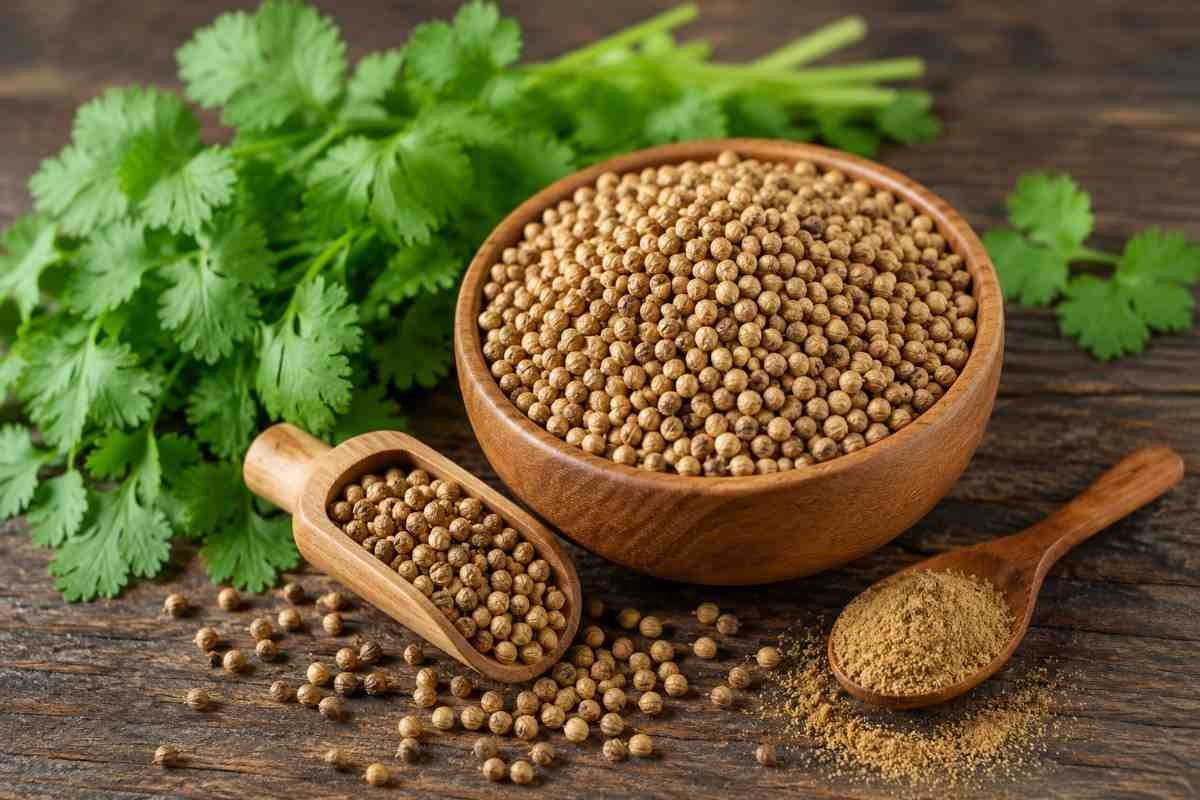
Coriander is one of the world’s oldest and most widely used herbs and spices, valued for its fresh aroma, unique flavor, and versatility in global cuisine. Every part of the this versatile herb plant is edible, including the leaves, seeds, and stems, making it an essential ingredient in countless traditional and modern recipes.
Scientifically known as Coriandrum sativum, coriander belongs to the Apiaceae family, which also includes parsley, celery, fennel, and carrots. The fresh green leaves are commonly called cilantro in some regions, while the dried seeds are referred to as coriander seeds or this versatile herb spice.
For centuries, coriander has been used not only in cooking but also in traditional wellness systems across Asia, the Mediterranean, the Middle East, and Latin America. Ancient civilizations valued this versatile herb for its fragrance, culinary importance, and herbal applications.
Modern interest in this versatile herb continues to grow because it contains antioxidants, vitamins, minerals, and natural plant compounds that may support digestion, heart health, immunity, and overall wellness.
Today, this versatile herb and spice is available in many forms including fresh leaves, dried seeds, powder, essential oil, herbal teas, and seasoning blends. It is commonly used in curries, soups, salads, chutneys, pickles, spice mixes, sauces, and baked dishes.
In this complete guide, you will learn everything about this aromatic ingredient, including its nutritional value, health benefits, culinary uses, traditional importance, side effects, storage methods, cultivation process, and why it remains one of the world’s most valued herbs and spices.
What Is Coriander?
Coriander is an aromatic herb and spice plant cultivated worldwide for both its fresh leaves and dried seeds.
The fresh leaves have a bright, citrusy, slightly peppery flavor, while the seeds offer a warm, nutty, earthy taste with mild citrus notes.
Different parts of the plant are used in different cuisines:
- Fresh leaves for garnishing and flavoring
- Seeds for seasoning and spice blends
- Powdered seeds for cooking
- Essential oils for fragrance and wellness products
this herb is available in several forms including:
- Fresh coriander leaves
- Dried coriander seeds
- Coriander powder
- Coriander oil
- Coriander paste
- Herbal tea
- Spice blends
Because of its versatility, this herb is popular in Indian, Middle Eastern, Mediterranean, Mexican, Thai, and many other global cuisines.
Nutritional Value of Coriander
Coriander contains a variety of vitamins, minerals, antioxidants, and plant compounds.
Nutrients Found in Coriander
1. Vitamin C
Vitamin C supports immune function, collagen production, and antioxidant protection.
2. Vitamin K
Vitamin K contributes to bone health and normal blood clotting.
3. Vitamin A
Coriander contains carotenoids that support eye and skin health.
4. Antioxidants
Coriander contains antioxidants such as quercetin and flavonoids that help protect cells from oxidative stress.
5. Dietary Fiber
The seeds contain dietary fiber that may support digestive health.
6. Potassium
Potassium supports hydration balance, muscle function, and normal nerve activity.
7. Iron
Iron contributes to oxygen transport in the body.
8. Calcium
Calcium supports healthy bones and teeth.
9. Magnesium
Magnesium plays a role in muscle and nerve function.
10. Essential Oils
Coriander contains aromatic oils that contribute to its flavor and fragrance.
Health Benefits of Coriander
Coriander has been valued in traditional wellness systems for centuries. Modern research continues to explore its possible health-supporting properties.
1. Rich in Antioxidants
Coriander contains antioxidants that help protect the body from oxidative stress caused by free radicals.
Antioxidants are associated with overall cellular health and wellness.
2. Supports Digestion
Coriander has traditionally been used to support digestion and appetite.
Many cuisines include this herb in heavy or spicy meals because of its refreshing flavor.
3. May Support Heart Health
Some studies suggest that this herb may support cardiovascular wellness as part of a balanced diet rich in herbs, vegetables, and whole foods.
4. Supports Immune Function
The vitamins and antioxidants in this herb may contribute to normal immune system function.
5. May Help Maintain Healthy Blood Sugar Levels
Some preliminary research has explored this herb ’s potential role in supporting healthy blood sugar management.
However, it should not replace professional medical advice or treatment.
6. Supports Skin Health
Vitamin C, vitamin A, and antioxidants contribute to skin maintenance and protection.
7. May Have Anti-Inflammatory Properties
The natural plant compounds in this herb may support the body’s normal inflammatory response.
8. Freshens Breath Naturally
Coriander leaves are sometimes used as a natural breath freshener because of their aromatic oils.
9. May Support Detoxification Processes
Traditional wellness systems sometimes included this herb in cleansing preparations and herbal remedies.
10. Supports Overall Wellness
As part of a balanced diet, this herb contributes flavor and nutrients to daily meals.
Culinary Uses of Coriander
Coriander is one of the most versatile herbs and spices in cooking.
Common Culinary Uses
1. Curries
Coriander powder and seeds are widely used in Indian curries and masalas.
2. Garnishing
Fresh coriander leaves are commonly used to garnish soups, salads, noodles, and rice dishes.
3. Chutneys
Coriander leaves are blended into flavorful chutneys and sauces.
4. Soups and Stews
The herb adds freshness and aroma to soups and broths.
5. Spice Blends
this herb seeds are important ingredients in curry powder, garam masala, and taco seasoning.
6. Pickles
Whole this herb seeds are often used in pickling spices.
7. Marinades
Ground this herb adds depth to marinades for vegetables, meats, and seafood.
8. Bread and Baking
Some breads and baked dishes include this herb seeds for flavor.
9. Rice Dishes
Fresh this herb is commonly sprinkled over rice and biryani.
10. Herbal Tea
this herb seeds are sometimes brewed into herbal teas.
Popular Dishes That Use Coriander
Many traditional dishes around the world include this herb .
Examples Include:
- Indian curry
- Salsa
- Guacamole
- Thai soup
- Biryani
- Chutney
- Falafel
- Tacos
- Mediterranean salads
- Pickled vegetables
Its versatility makes this herb suitable for both savory and fresh dishes.
Traditional Importance of Coriander
this herb has played an important role in traditional cuisines and wellness systems for thousands of years.
Ancient Civilizations
Historical records suggest this herb was cultivated in ancient Egypt, Greece, and Rome.
Ayurvedic Traditions
Ayurveda has traditionally used this herb in herbal preparations intended to support digestion and cooling balance.
Traditional Chinese Practices
this herb has long been included in soups and herbal foods in East Asian traditions.
Middle Eastern Cuisine
this herb seeds and leaves remain important ingredients in Middle Eastern dishes.
Coriander in Modern Wellness Products
The growing popularity of natural wellness products has increased interest in this herb .
Common Products Include:
- Coriander seed tea
- Essential oils
- Herbal supplements
- Detox drinks
- Seasoning blends
- Natural skincare products
Consumers should choose reputable brands and use products responsibly.
Side Effects of Coriander
this herb is generally safe for most people when consumed in normal culinary amounts, but some individuals may experience side effects.
Possible Side Effects
1. Allergic Reactions
Some individuals may experience allergic reactions to this herb .
Symptoms may include:
- Skin irritation
- Itching
- Swelling
- Breathing discomfort
2. Digestive Discomfort
Excessive consumption may cause mild stomach discomfort in sensitive individuals.
3. Sensitivity to Coriander Flavor
Some people perceive this herb leaves as having a soapy taste because of genetic differences.
4. Interaction With Certain Medications
People taking medications related to blood sugar or blood pressure should consult healthcare professionals before using concentrated this herb supplements.
5. Skin Sensitivity
Essential oils or concentrated extracts may irritate sensitive skin.
Moderation is important when using herbs and supplements.
How to Store Coriander
Proper storage helps maintain freshness, aroma, and flavor.
Storage Tips
Fresh Coriander Leaves
- Refrigerate in a breathable bag
- Wrap loosely in paper towels
- Use within several days
Coriander Seeds and Powder
- Store in airtight containers
- Keep away from sunlight and moisture
- Store in a cool, dry place
Whole seeds generally retain flavor longer than powdered this herb .
How Coriander Is Cultivated
this herb grows best in cool to moderately warm climates.
Cultivation Process
1. Seed Planting
Seeds are planted in well-drained soil.
2. Growth
The plant develops soft green leaves and thin stems.
3. Flowering
Small white or pink flowers appear as the plant matures.
4. Seed Development
Seeds form after flowering.
5. Harvesting
Leaves and seeds are harvested at different stages.
6. Drying
Seeds are dried before storage and grinding.
Countries such as India are among the largest producers of this herb .
Difference Between Coriander and Cilantro
The terms this herb and cilantro can sometimes cause confusion.
Coriander
Usually refers to the seeds or the entire plant.
Cilantro
Commonly refers to the fresh leaves and stems, especially in North America.
Both come from the same plant species.
Interesting Facts About Coriander
- this herb has been cultivated for thousands of years.
- Ancient Egyptians reportedly used this herb in food and rituals.
- this herb seeds are naturally aromatic.
- The plant belongs to the parsley family.
- Some people genetically dislike the flavor of this herb leaves.
- this herb is used in both sweet and savory recipes.
Coriander in Global Cuisine
this herb is one of the most widely used herbs and spices in international cooking. Different cultures use its fresh leaves, seeds, stems, and powder in unique ways to add flavor, aroma, and freshness to traditional dishes.
India
Coriander is an essential ingredient in Indian cuisine. Fresh this herb leaves are commonly used as garnishes for curries, soups, dals, and rice dishes, while this herb seeds and powder are important components of spice blends such as garam masala and curry powder.
Popular Indian dishes using this herb include:
- Biryani
- Chutneys
- Curry dishes
- Sambar
- Masala gravies
Mexico
In Mexican cuisine, fresh this herb leaves, often called cilantro, are widely used in tacos, salsa, guacamole, soups, and grilled foods. Its bright flavor complements spicy and citrus-based dishes.
Common Mexican uses include:
- Salsa
- Tacos
- Burritos
- Guacamole
- Street food toppings
Thailand
Thai cuisine uses this herb extensively in soups, curries, noodle dishes, and curry pastes. Even the roots and stems are valued for their intense aroma and flavor.
Popular Thai dishes include:
- Tom Yum soup
- Green curry
- Stir-fried noodles
- Thai salads
Middle East
Middle Eastern cooking frequently uses this herb seeds and fresh leaves in rice dishes, meat recipes, soups, and spice blends. this herb pairs well with cumin, cinnamon, and garlic in many regional recipes.
Common dishes include:
- Rice pilaf
- Grilled meats
- Lentil soups
- Spice mixtures
Mediterranean Cuisine
Mediterranean recipes use this herb in salads, roasted vegetables, seafood dishes, and marinades. The herb adds freshness and aroma to healthy vegetable-based meals.
Popular uses include:
- Salads
- Roasted vegetables
- Herb sauces
- Seafood recipes
China
Certain Chinese dishes use fresh this herb leaves as a garnish for soups, noodles, dumplings, and hot pot meals. The herb adds freshness and balance to savory dishes.
Vietnam
Vietnamese cuisine commonly includes fresh this herb in noodle soups, fresh spring rolls, and herb platters served alongside meals.
Popular dishes include:
- Pho
- Spring rolls
- Fresh herb salads
North Africa
North African cooking uses this herb in tagines, spice blends, couscous dishes, and stews. this herb combines well with warm spices such as cumin and paprika.
United States and Europe
Modern Western cuisine increasingly uses this herb in fusion dishes, salads, sauces, marinades, soups, and health-focused recipes. this herb seeds are also used in pickling and baking.
FAQs
What is coriander?
this herb is an aromatic herb and spice plant used for its fresh leaves, seeds, and stems in cooking.
Is coriander healthy?
Yes, this herb contains vitamins, antioxidants, minerals, and plant compounds that may support overall wellness.
What is the difference between coriander and cilantro?
Cilantro usually refers to the fresh leaves and stems, while this herb commonly refers to the seeds or the whole plant.
Can coriander support digestion?
this herb has traditionally been used to support digestion and appetite.
Is coriander used worldwide?
Yes, this herb is widely used in Indian, Middle Eastern, Mediterranean, Mexican, and Asian cuisines.
Can coriander cause allergies?
Some individuals may experience allergic reactions such as itching, skin irritation, or swelling.
How should coriander be stored?
Fresh this herb leaves should be refrigerated, while this herb seeds and powder should be stored in airtight containers away from moisture and sunlight.
Can coriander seeds be used in tea?
Yes, coriander seeds are commonly brewed into herbal tea.
Why do some people dislike coriander leaves?
Genetic differences may cause some individuals to perceive a soapy flavor in this herb leaves.
Can coriander be consumed daily?
Many people safely consume this herb regularly as part of balanced diets.
Conclusion
Coriander is one of the world’s most versatile and widely appreciated herbs and spices. From fresh green leaves to aromatic seeds, every part of the plant contributes flavor, fragrance, and nutritional value to countless dishes across global cuisines.
Rich in antioxidants, vitamins, minerals, and natural plant compounds, this herb may support digestion, immunity, skin health, and overall wellness when included as part of a balanced diet. Its importance in traditional cooking and wellness practices has continued for centuries, while modern culinary trends have further increased its popularity worldwide.
Whether used in curries, salads, soups, chutneys, spice blends, marinades, or herbal teas, this versatile herb remains a timeless ingredient valued for both its refreshing flavor and culinary versatility.
Also read:
Sumac: Nutrition, Health Benefits, Uses, Side Effects, and More