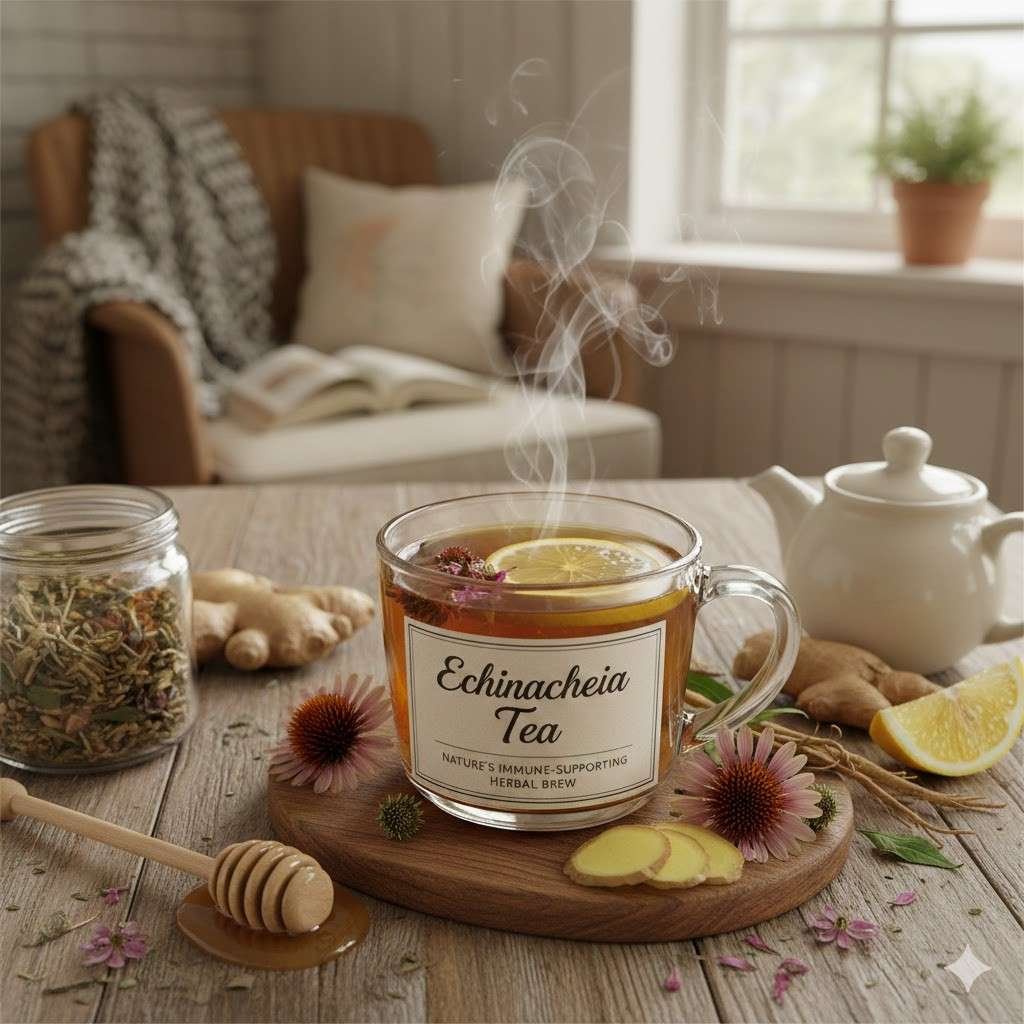
Echinacea tea has earned a strong reputation as one of the most popular herbal teas for immune support. Often associated with cold and flu season, this earthy, floral infusion has been used for centuries as a natural wellness remedy. Today, it remains a staple in herbal traditions and modern holistic lifestyles alike.
From its roots in Native American herbal practices to its presence in contemporary health stores worldwide, echinacea tea continues to attract attention for its potential benefits. But what exactly is echinacea tea? How does it work? And is it truly effective?
In this comprehensive guide, we’ll explore everything you need to know about echinacea tea—its origins, types, health benefits, preparation methods, safety considerations, and how to incorporate it into your daily routine.
What Is Echinacea Tea?
Echinacea tea is an herbal infusion made from the leaves, flowers, or roots of echinacea plants. Unlike black or green tea, it does not come from the Camellia sinensis plant and contains no caffeine.
Echinacea is a flowering herb known for its distinctive purple petals and spiky central cone. It belongs to the daisy family and is widely cultivated for medicinal use.
The tea has a mildly earthy, slightly floral flavor with a subtle tingling sensation on the tongue.
The History of Echinacea
Echinacea has deep roots in North American herbal traditions.
Indigenous Use
Native American tribes used echinacea for various purposes, including:
- Supporting wound healing
- Relieving sore throats
- Managing coughs
- Promoting overall wellness
It was one of the most widely used medicinal plants in North America before the rise of pharmaceutical antibiotics.
Rise in Modern Herbalism
In the late 19th and early 20th centuries, echinacea became popular in American and European herbal medicine. Today, it is commonly used in teas, tinctures, capsules, and lozenges.
Types of Echinacea Used in Tea
There are several species of echinacea, but three are most commonly used:
1. Echinacea purpurea
The most widely cultivated variety. Often used for immune support.
2. Echinacea angustifolia
Traditionally valued for its roots.
3. Echinacea pallida
Less common but still used in herbal remedies.
Each species contains active compounds believed to support immune function.
What Does Echinacea Tea Taste Like?
Echinacea tea has a distinctive flavor profile:
- Mildly earthy
- Slightly sweet
- Lightly floral
- Gentle tingling sensation
The tingling effect is often linked to natural plant compounds.
Some people describe it as grassy or herbaceous. Adding honey or lemon can enhance its taste.
Key Compounds in Echinacea
Echinacea contains several active compounds that contribute to its potential benefits:
Alkamides
May support immune cell activity.
Polysaccharides
Linked to immune system modulation.
Flavonoids
Powerful antioxidants that help combat oxidative stress.
Cichoric Acid
Often associated with immune-supporting properties.
These compounds work together to create echinacea’s herbal effects.
Potential Health Benefits of Echinacea Tea
While research continues, echinacea tea is widely associated with several potential wellness benefits.
1. Immune System Support
Echinacea is most famous for its potential ability to support immune defenses.
Many people drink it at the first sign of:
- Sore throat
- Runny nose
- Fatigue
- Seasonal discomfort
Some studies suggest it may help reduce the duration or severity of common colds when taken early.
2. Antioxidant Properties
Echinacea contains antioxidants that may help protect cells from damage caused by free radicals.
3. Anti-Inflammatory Effects
Certain plant compounds may support the body’s natural inflammatory response.
4. Respiratory Comfort
Herbal traditions often use echinacea tea to soothe throat irritation.
5. Skin Support
Some believe echinacea may promote healthy skin due to its antioxidant content.
Does Echinacea Tea Really Work?
Scientific studies show mixed results.
Some research indicates that echinacea may slightly reduce the duration of cold symptoms if taken early. Other studies suggest minimal effects.
The key factors may include:
- The species used
- Preparation method
- Dosage
- Individual immune response
While not a miracle cure, many people find it helpful as part of a broader wellness routine.
How to Make Echinacea Tea at Home
Making echinacea tea is simple.
Ingredients
- 1–2 teaspoons dried echinacea (root or leaves)
- 1 cup hot water
- Optional: honey or lemon
Instructions
- Bring water to a gentle boil.
- Pour over dried echinacea in a cup or teapot.
- Cover and steep for 10–15 minutes.
- Strain and enjoy.
Longer steeping may produce a stronger flavor.
How Often Can You Drink Echinacea Tea?
Many herbalists recommend using echinacea short-term, especially during cold season.
Common practice includes:
- Drinking 1–3 cups daily for up to 7–10 days
- Taking breaks between uses
Continuous long-term use is generally not advised without professional guidance.
Is Echinacea Tea Safe?
For most healthy adults, echinacea tea is considered safe in moderation.
However, caution is recommended for:
- People with autoimmune conditions
- Those allergic to plants in the daisy family
- Pregnant or breastfeeding individuals
Always consult a healthcare provider if unsure.
Echinacea Tea vs Echinacea Supplements
Tea offers a gentle, traditional approach.
Capsules and tinctures provide more concentrated doses.
Tea may be ideal for those who prefer:
- A soothing ritual
- Hydration benefits
- Mild herbal support
Supplements may deliver stronger effects but should be used carefully.
When Is the Best Time to Drink Echinacea Tea?
Most people drink it:
- At the first sign of illness
- During seasonal changes
- In colder months
- After travel
It can be consumed in the morning or afternoon.
Combining Echinacea with Other Herbs
Echinacea pairs well with:
- Elderberry
- Ginger
- Peppermint
- Chamomile
Blending herbs can enhance flavor and broaden potential benefits.
Does Echinacea Tea Contain Caffeine?
No. Echinacea tea is naturally caffeine-free.
This makes it suitable for evening consumption.
Storage Tips for Dried Echinacea
To preserve potency:
- Store in airtight containers
- Keep away from sunlight
- Avoid moisture
- Use within one year
Fresh herbs generally retain stronger properties.
Who Should Avoid Echinacea Tea?
People who should exercise caution include:
- Those with autoimmune diseases
- Individuals taking immunosuppressive medications
- People with severe allergies
Professional advice is important in these cases.
Can Children Drink Echinacea Tea?
Some parents offer diluted versions to older children during cold season.
However, pediatric guidance is recommended before use.
Common Myths About Echinacea Tea
Myth 1: It Prevents All Colds
There is no guaranteed prevention.
Myth 2: More Is Better
Higher doses do not necessarily mean better results.
Myth 3: It Works Instantly
Herbal support is often gradual.
The Ritual of Herbal Tea
Beyond physical benefits, herbal tea offers emotional comfort.
The act of brewing, inhaling steam, and sipping slowly creates a calming experience.
Sometimes the ritual itself promotes healing.
Choosing High-Quality Echinacea
Look for:
✔ Organic certification
✔ Clearly labeled species
✔ Whole dried roots or leaves
✔ Reputable suppliers
Quality matters for effectiveness.
Sustainability and Ethical Harvesting
Wild echinacea populations can be overharvested.
Choosing cultivated, responsibly sourced herbs helps protect native ecosystems.
Supporting sustainable brands ensures long-term availability.
Final Thoughts: A Gentle Herbal Ally
Echinacea tea remains one of the most beloved herbal remedies for immune support. While not a replacement for medical care, it offers a natural, time-tested option for those seeking plant-based wellness.
Its earthy flavor and soothing warmth make it especially comforting during cold seasons.
If you are looking for a caffeine-free tea that supports your body while encouraging mindful moments, echinacea tea may be worth exploring.
Sip slowly. Listen to your body. And let nature support your wellness journey.
Frequently Asked Questions (FAQs) About Echinacea Tea
1. What is echinacea tea made from?
Echinacea tea is made from the dried roots, leaves, flowers, or stems of the echinacea plant, most commonly Echinacea purpurea. It can be prepared as a single-herb infusion or blended with other herbs like peppermint or elderberry.
2. What are the main benefits of echinacea tea?
Echinacea tea is most widely known for:
- Supporting immune function
- Potentially reducing the duration of common colds
- Providing antioxidant benefits
- Soothing sore throats
- Offering mild anti-inflammatory support
However, results vary from person to person, and it works best when taken at the first sign of illness.
3. Can echinacea tea prevent colds?
Echinacea tea may help support the immune system, but it does not guarantee cold prevention. Some studies suggest it may reduce the duration or severity of symptoms when taken early, rather than fully preventing illness.
4. How often can I drink echinacea tea?
It’s generally recommended to drink 1–3 cups daily during short periods (such as when you feel a cold coming on). Many herbalists advise avoiding continuous long-term use and instead using it in cycles (e.g., 1–2 weeks on, then a break).
5. When is the best time to drink echinacea tea?
The best time is:
- At the first sign of cold or flu symptoms
- During seasonal changes
- When exposed to illness (travel, crowded places)
It can be taken morning or evening, as it does not usually interfere with sleep.
6. Does echinacea tea have caffeine?
No. Echinacea tea is naturally caffeine-free because it is an herbal infusion, not derived from the Camellia sinensis plant.
7. What does echinacea tea taste like?
Echinacea tea has a slightly earthy, mildly bitter, and somewhat floral taste. Some people notice a tingling sensation on the tongue. Adding honey, lemon, or ginger can improve the flavor.
8. Can children drink echinacea tea?
Echinacea tea may be given in small amounts to older children, but it’s best to consult a pediatrician first. Dosages for children are typically lower than for adults.
9. Is echinacea tea safe during pregnancy?
Pregnant or breastfeeding women should consult a healthcare provider before drinking echinacea tea. While some studies suggest it may be safe, professional guidance is important.
10. Are there any side effects?
Echinacea tea is generally safe for most people, but possible side effects include:
- Mild digestive upset
- Allergic reactions (especially if allergic to ragweed)
- Skin rash (rare)
People with autoimmune conditions should consult a doctor before use.
11. Can echinacea tea interact with medications?
Yes, echinacea may interact with:
- Immunosuppressive medications
- Certain liver-metabolized drugs
- Autoimmune treatments
Always check with a healthcare provider if you are on medication.
12. Can I drink echinacea tea daily for immune support?
It’s better used as short-term immune support rather than a daily year-round drink. Herbal experts often recommend cycling use to maintain effectiveness.
13. How long does echinacea tea take to work?
Some people notice symptom relief within 24–48 hours when taken at the onset of illness. Effectiveness depends on timing, dosage, and individual health status.
14. Can I mix echinacea tea with other herbs?
Yes. It blends well with:
- Ginger
- Elderberry
- Peppermint
- Lemon balm
- Honey and lemon
These combinations may enhance immune and soothing benefits.
15. How do I make echinacea tea at home?
Simple Recipe:
- 1–2 teaspoons dried echinacea root or leaves
- 1 cup hot water
- Steep 10–15 minutes
- Strain and enjoy
For stronger immune support, you may simmer the root for 15–20 minutes.
Also read :