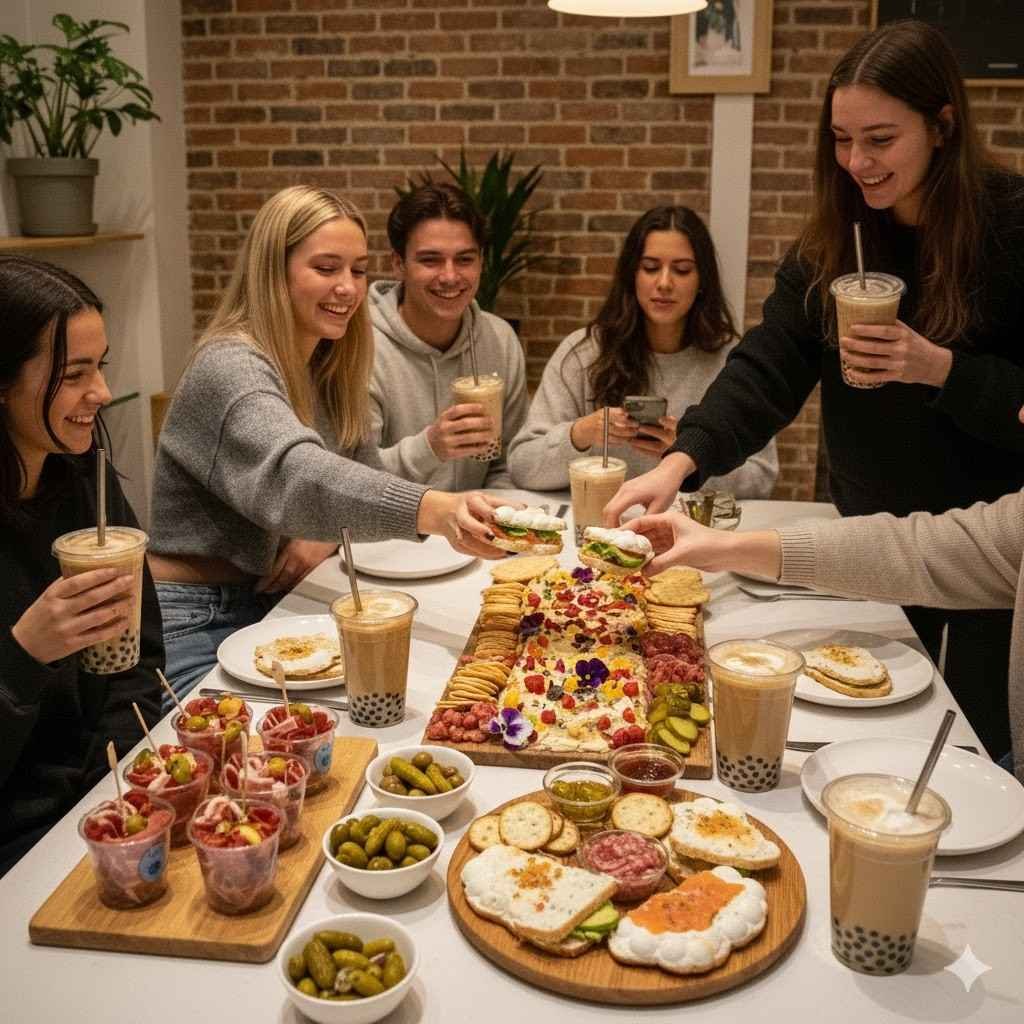
Generation Z, commonly known as Gen Z, is redefining how the world eats. Born roughly between 1997 and 2012, Gen Z has grown up in a fast-paced, digitally connected, and socially aware environment. Their relationship with food goes far beyond taste and convenience. For Gen Z, food is a form of self-expression, a tool for wellness, a reflection of values, and a source of online content.
Unlike previous generations, Gen Z does not follow a single dominant food culture. Instead, their food trends are diverse, dynamic, and heavily influenced by social media, global connectivity, health awareness, sustainability concerns, and affordability. From viral TikTok recipes to plant-based diets and global fusion flavors, Gen Z is shaping the future of food in powerful ways.
This blog explores the major Gen Z food trends, what drives them, and how they are transforming restaurants, home cooking, grocery shopping, and the global food industry.
Who Is Gen Z and Why Their Food Choices Matter
Gen Z is the first generation of true digital natives. Smartphones, social media, food delivery apps, and global cuisines have always been part of their daily lives. As Gen Z becomes a dominant consumer group, their food preferences influence:
- Restaurant menus
- Packaged food products
- Grocery trends
- Food marketing strategies
- Sustainability practices
Gen Z tends to value authenticity, transparency, and purpose. These values strongly shape how they choose what to eat and where to spend their money.
Social Media as the Biggest Driver of Gen Z Food Trends
Social media platforms—especially TikTok, Instagram, and YouTube—play a central role in Gen Z food culture. Food trends now emerge online before appearing in restaurants or stores.
Viral Food Trends
Gen Z embraces viral foods such as:
- Baked feta pasta
- Whipped coffee (Dalgona coffee)
- Ramen hacks
- Tortilla wraps folded into quarters
- Cloud bread and colorful desserts
Short-form videos make recipes feel accessible, fun, and shareable. Many Gen Z consumers try foods not because of tradition, but because they trend online.
Visual and Aesthetic Appeal
For Gen Z, food must look good. Colourful smoothie bowls, match lattes, latte art, and neatly plated meals are popular because they are “Instagram Mable.” Presentation often matters as much as taste.
Plant-Based and Flexitarian Eating
One of the most significant Gen Z food trends is the shift toward plant-based and flexitarian diets. While not all Gen Z consumers are vegan, many consciously reduce meat consumption.
Why Gen Z Chooses Plant-Based Foods
- Environmental concerns
- Animal welfare awareness
- Health benefits
- Curiosity and variety
Plant-based burgers, oat milk, almond milk, soy alternatives, and vegetable-forward meals are widely accepted and normalized among Gen Z.
Sustainability and Ethical Food Choices
Gen Z is highly concerned about the environmental impact of food production. Sustainability is not a niche preference—it is a major expectation.
Key Sustainability Trends
- Locally sourced ingredients
- Reduced food waste
- Eco-friendly packaging
- Ethical labor practices
- Transparent sourcing
Brands that fail to address sustainability often lose credibility with Gen Z consumers.
Functional Foods and Wellness Eating
Gen Z sees food as fuel for both physical and mental health. Functional foods—those that provide health benefits beyond basic nutrition—are especially popular.
Popular Functional Foods Among Gen Z
- Kombucha and fermented drinks
- Probiotic yogurt
- Adaptogenic mushrooms
- Protein-rich snacks
- Low-sugar and low-carb foods
Rather than following strict diets, Gen Z prefers balanced eating that supports energy, focus, gut health, and mental well-being.
Global Flavors and Fusion Cuisine
Thanks to global connectivity and cultural exposure, Gen Z has adventurous taste preferences. They enjoy exploring flavors from around the world.
Trending Global Influences
- Korean cuisine (ramen, tteokbokki, kimchi)
- Japanese flavors (matcha, sushi, mochi)
- Mexican street food
- Middle Eastern dishes
- Indian spices
Fusion foods—such as Korean tacos or spicy pasta—appeal to Gen Z’s love of creativity and experimentation.
Snack Culture and Flexible Eating Habits
Gen Z often prefers snacking over traditional sit-down meals. Busy schedules, flexible routines, and on-the-go lifestyles contribute to this shift.
Snack Trends
- High-protein snack bars
- Healthy chips and baked snacks
- Small-portion meals
- Ready-to-eat foods
Convenience is important, but quality and health still matter.
Affordable Indulgence and Budget Awareness
Despite enjoying premium experiences, Gen Z is budget-conscious. Many grew up during economic uncertainty and are mindful of spending.
Affordable Luxury Foods
- Specialty coffee
- Artisanal snacks
- Street food-inspired meals
- Limited-edition treats
Gen Z enjoys indulgence, but at accessible prices.
Home Cooking and DIY Food Trends
While Gen Z frequently orders food online, they also enjoy cooking at home—especially when inspired by social media.
DIY Food Trends
- Homemade coffee drinks
- One-pan meals
- Air fryer recipes
- Customizable bowls and wraps
Cooking is often viewed as creative and relaxing rather than a chore.
Influence of Food Delivery Apps
Food delivery apps have transformed Gen Z’s eating habits. Convenience, customization, and variety make delivery services extremely popular.
Gen Z values:
- Easy ordering
- Custom options
- Quick delivery
- Digital payments
This has changed how restaurants design menus and portions.
Gen Z and Food Transparency
Gen Z wants to know what they are eating. Clear ingredient lists, nutrition labels, and honest marketing are essential.
They avoid:
- Artificial additives
- Excess sugar
- Misleading health claims
Transparency builds trust and brand loyalty.
How Gen Z Is Changing the Food Industry
Gen Z food trends are reshaping the industry in major ways:
- Restaurants offer plant-based and global options
- Brands focus on sustainability and storytelling
- Packaging becomes eco-friendly and minimal
- Marketing shifts to social media and influencers
Companies that listen to Gen Z adapt faster and stay relevant.
Challenges and Criticism of Gen Z Food Trends
While innovative, Gen Z food culture also faces criticism:
- Viral trends may prioritize appearance over nutrition
- Social media influence can promote unhealthy habits
- Sustainable food is not always affordable
However, Gen Z continues to evolve and balance enjoyment with awareness.
The Future of Gen Z Food Trends
As Gen Z ages, their food preferences will continue to shape the market. Future trends are likely to include:
- Greater focus on sustainability
- Advanced food technology
- Personalized nutrition
- Continued global flavor exploration
Gen Z’s influence on food is long-term and transformative.
Conclusion
The Gen Z trend in food reflects a generation that eats with intention. Their choices are shaped by health, ethics, creativity, and digital culture. From plant-based meals and functional foods to viral recipes and global flavors, Gen Z is redefining what and how the world eats.
Understanding Gen Z food trends is essential for anyone in the food industry—and for anyone curious about the future of eating. This generation is not just following trends; they are creating them.
Frequently Asked Questions (FAQ)
1. What are Gen Z food trends?
Gen Z food trends refer to the eating habits and preferences popular among people born between 1997 and 2012. These trends include plant-based eating, viral social media foods, global flavors, functional foods, and sustainability-focused choices.
2. Why does Gen Z influence food trends so strongly?
Gen Z has strong digital influence through social media platforms like TikTok and Instagram. Their values-driven purchasing behavior and ability to make trends go viral quickly give them significant impact on the food industry.
3. Is Gen Z mostly vegan or vegetarian?
Not entirely. While some Gen Z consumers are vegan or vegetarian, many follow a flexitarian diet—reducing meat consumption while still eating it occasionally.
4. How does social media affect Gen Z food choices?
Social media exposes Gen Z to new recipes, cuisines, and food hacks daily. Viral content strongly influences what they cook, order, and buy.
5. What role does sustainability play in Gen Z food trends?
Sustainability is a major factor. Gen Z prefers eco-friendly packaging, ethical sourcing, reduced food waste, and brands that are transparent about environmental impact.
6. What types of flavours does Gen Z prefer?
Gen Z enjoys bold, spicy, and global flavors, including Korean, Mexican, Japanese, Middle Eastern, and fusion cuisines.
7. Are Gen Z food trends healthy?
Many trends focus on health and wellness, such as functional foods and reduced sugar. However, some viral trends may prioritize aesthetics over nutrition.
8. Does Gen Z prefer cooking at home or eating out?
Gen Z does both. They enjoy home cooking inspired by social media while also frequently using food delivery apps for convenience.
9. How are Gen Z food trends affecting restaurants?
Restaurants are adapting menus to include plant-based options, global flavors, smaller portions, and social-media-friendly presentations.
10. Will Gen Z food trends last?
Yes. As Gen Z grows older and gains purchasing power, their values around health, sustainability, and authenticity are expected to shape food trends long-term.
Also Read :
What Is Gen Z? Understanding the Generation Shaping the Future