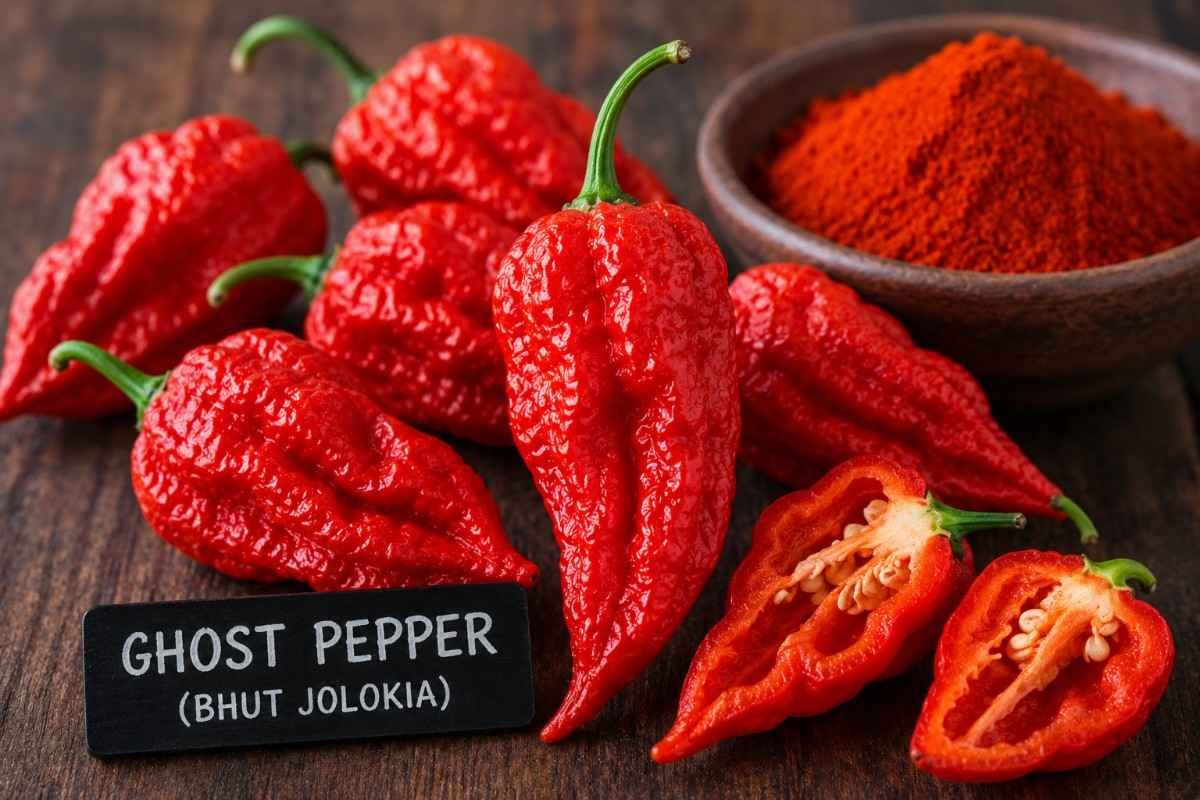
Ghost Pepper has become one of the most talked-about spices and chili peppers in the world. Famous for its extreme heat and viral internet challenges, Bhut Jolokia has transformed from a regional Indian chili into a global sensation. Whether featured in fiery noodle challenges, spicy chicken wings, hot sauces, or social media food videos, this legendary pepper continues to attract thrill-seeking food lovers everywhere.
Known scientifically as Capsicum chinense, this Pepper is commonly called Bhut Jolokia. It gained worldwide fame after being recognized as one of the hottest peppers on Earth. Its intense heat level, smoky flavor, and dramatic reactions from people trying it have made it a staple of viral food culture.
But Bhut Jolokia is much more than an internet challenge ingredient. It has deep roots in Indian agriculture and culinary traditions, especially in the northeastern states of India. Today, the pepper is used in gourmet sauces, spice powders, snacks, fusion recipes, and even experimental culinary creations.
Modern food trends, spicy eating competitions, YouTube challenges, TikTok videos, and extreme hot sauce culture have all contributed to the explosive popularity of thisPepper. Despite its fiery reputation, many chefs appreciate the pepper for its complex fruity flavor beneath the heat.
In this complete guide, you will learn everything about Bhut Jolokia , including its history, heat level, nutritional profile, culinary uses, viral popularity, cultivation, health-related properties, side effects, food challenges, storage tips, and why it remains one of the hottest trends on social media.
What Is Ghost Pepper?
Ghost Pepper is an extremely hot chili pepper belonging to the Capsicum chinense species. It originated in Northeast India and is especially associated with regions such as:
- Assam
- Nagaland
- Manipur
The pepper became internationally famous after earning recognition for its extraordinary heat level.
Common Names
- Ghost Pepper
- Bhut Jolokia
- Naga Jolokia
- Raja Mircha
The name “Ghost Pepper” is believed to come from a translation of the Assamese word “Bhut.”
History and Origin of Ghost Pepper
Bhut Jolokia has been cultivated in Northeast India for generations. Local communities traditionally used the pepper in cooking, preservation, and regional recipes long before it became internationally famous.
Historically, the pepper was valued because:
- Small amounts added intense heat
- It helped flavor preserved foods
- It was deeply integrated into local cuisine
Global attention increased dramatically in 2007 when Bhut Jolokia was officially recognized as the world’s hottest chili pepper by Guinness World Records.
This recognition sparked worldwide fascination and transformed the pepper into a viral food phenomenon.
Scoville Heat Rating of Ghost Pepper
The heat of chili peppers is measured using the Scoville Heat Unit (SHU) scale.
Ghost Pepper Heat Level
Bhut Jolokia typically ranges from:
🌶️ 800,000 to 1,000,000+ SHU
For comparison:
| Pepper | Approximate SHU |
|---|---|
| Jalapeño | 2,500–8,000 |
| Cayenne | 30,000–50,000 |
| Habanero | 100,000–350,000 |
| Ghost Pepper | 800,000–1,000,000+ |
The pepper contains extremely high levels of capsaicin, the natural compound responsible for heat.
Why Ghost Pepper Went Viral on Social Media
Bhut Jolokia became a massive online trend because of reaction-based content.
Main Reasons for Viral Popularity
1. Spicy Food Challenges
YouTube and TikTok creators began filming themselves eating Bhut Jolokia products.
Popular challenge formats include:
- Bhut Jolokia wings
- Spicy ramen challenges
- Hot sauce tasting
- One-chip challenges
2. Extreme Reactions
The intense heat creates dramatic reactions that attract viewers.
3. Food Entertainment Culture
Spicy food content performs well because it combines:
- Humor
- Competition
- Shock value
- Viewer curiosity
4. Celebrity Challenges
Influencers and celebrities participating in spicy challenges further boosted popularity.
Flavor Profile of Ghost Pepper
Although famous for heat, Bhut Jolokia also has a surprisingly complex flavor.
Flavor Notes
- Smoky
- Fruity
- Earthy
- Slightly sweet
- Intense lingering heat
Many chefs believe the flavor is best appreciated in carefully balanced recipes.
Culinary Uses of Ghost Pepper
Ghost Chili is used in both traditional and modern cooking.
1. Hot Sauces
One of the most common uses is in ultra-spicy hot sauces.
Ghost Chili sauces are popular among:
- Spice enthusiasts
- BBQ lovers
- Competitive eaters
2. Spicy Snacks
The pepper is added to:
- Chips
- Popcorn
- Nuts
- Instant noodles
3. Marinades and BBQ
Ghost Pepper enhances:
- Wings
- Burgers
- Grilled meats
4. Curry and Traditional Dishes
In Northeast India, the pepper is used in:
- Curries
- Pickles
- Chutneys
5. Fusion Cuisine
Modern chefs use Ghost Chili in:
- Pizza
- Pasta
- Tacos
- Gourmet sauces
Ghost Pepper Challenges and Internet Culture
Ghost Chili became central to online spicy food culture.
Popular Challenge Types
Ghost Pepper Wing Challenge
Participants eat extremely spicy wings within a time limit.
Ghost Pepper Ramen Challenge
Ultra-spicy noodles became viral across TikTok and YouTube.
Hot Sauce Challenges
Creators test increasingly hotter sauces containing Ghost Chili.
One-Chip Challenges
Tortilla chips coated with Ghost Chili seasoning became globally famous.
Nutritional Components of Ghost Pepper
Although consumed in small amounts, Ghost Chili contains nutrients and plant compounds.
Nutrients Found in Ghost Pepper
- Vitamin C
- Vitamin A
- Potassium
- Antioxidants
- Capsaicin
The capsaicin content is especially significant due to the pepper’s high heat level.
Capsaicin and Heat
Capsaicin is the compound responsible for spicy heat.
When consumed, capsaicin activates pain receptors in the mouth, creating a burning sensation.
This sensation can trigger:
- Sweating
- Increased heart rate
- Temporary endorphin release
Many spicy food fans enjoy the excitement associated with capsaicin-rich foods.
Traditional Uses of Ghost Pepper
In Northeast India, Ghost Chili has long been used beyond internet challenges.
Traditional uses included:
- Flavoring foods
- Preserving ingredients
- Seasonal culinary preparations
Some communities also historically used chili peppers in practical agricultural and household applications.
Health-Related Interest in Ghost Pepper
Modern research continues exploring capsaicin-containing peppers.
Areas of Interest
1. Antioxidant Content
Peppers contain antioxidants that help protect cells from oxidative stress.
2. Metabolism Interest
Capsaicin has been studied for its role in temporary thermogenic effects.
3. Culinary Satisfaction
Spicy foods may increase flavor intensity and reduce the need for heavy sauces.
4. Vitamin C Source
Ghost Chili contains vitamin C, although it is eaten in tiny quantities.
Side Effects and Safety Precautions
Ghost Chili is extremely hot and should be consumed carefully.
Possible Side Effects
- Burning sensation
- Sweating
- Stomach discomfort
- Eye irritation
- Throat irritation
Safety Tips
- Wear gloves when handling
- Avoid touching eyes
- Use very small quantities
- Keep away from children
People sensitive to spicy foods should be cautious.
How Ghost Pepper Is Grown
Ghost Chili plants thrive in warm climates.
Growing Conditions
- Tropical temperatures
- Well-drained soil
- Plenty of sunlight
- Moderate humidity
The peppers usually mature from green to bright red or orange.
Ghost Pepper Powder and Products
Today, Ghost Chili is available in many forms.
Popular Commercial Products
- Hot sauce
- Chili powder
- Seasoning blends
- Pickles
- Chips
- Instant noodles
- Spicy jerky
Food brands use Ghost Chili to market “extreme heat” products.
Ghost Pepper in Fast Food and Restaurants
Many restaurant chains introduced Ghost Chili menu items because of consumer curiosity.
Popular Menu Items
- Ghost Chili burgers
- Spicy chicken sandwiches
- Ghost Chili fries
- Wings
- Pizza toppings
Limited-edition spicy products often generate huge social media engagement.
The Psychology Behind Spicy Food Trends
Why do people enjoy extremely spicy foods?
Reasons Include
- Adrenaline rush
- Entertainment value
- Social bonding
- Competitive challenges
- Curiosity
- Endorphin response
Spicy food culture has become part of online entertainment.
Ghost Pepper vs Carolina Reaper

Ghost Pepper was eventually surpassed by peppers like the Carolina Reaper.
| Pepper | Approximate SHU |
|---|---|
| Ghost Pepper | 1 million |
| Carolina Reaper | 2 million+ |
Despite newer peppers, Ghost Chili remains one of the most famous because of its viral status.
Storage Tips for Ghost Pepper
Fresh Peppers
- Refrigerate in airtight containers
- Use within a few weeks
Dried Peppers
- Store away from moisture
- Keep sealed tightly
Powdered Ghost Pepper
- Avoid humidity
- Keep away from sunlight
Always label products carefully because of extreme heat.
Ghost Pepper in Food Blogging
Ghost Chili content performs extremely well online.
Popular Blog Topics
- Spicy food challenges
- Hot sauce reviews
- Ghost Chili recipes
- “Can you survive this spice?”
- Viral snack reviews
Food bloggers often use Ghost Chili for:
- High engagement
- Viral videos
- Social shares
Economic Importance of Ghost Pepper
The global spicy food industry continues growing rapidly.
Ghost Chili contributes to:
- Specialty farming
- Hot sauce production
- Snack manufacturing
- Restaurant marketing
Demand for spicy products has increased international trade opportunities.
Interesting Facts About Ghost Pepper
- Ghost Chili was once the world’s hottest pepper.
- It originated in Northeast India.
- Tiny amounts can flavor entire dishes.
- Social media helped make it globally famous.
- Some hot sauces use only trace amounts because of its intensity.
Can Beginners Eat Ghost Pepper?
Beginners should approach Ghost Chili very carefully.
Recommended Tips
- Start with tiny quantities
- Mix into recipes
- Avoid eating whole peppers initially
- Keep dairy products nearby
Milk and yogurt may help reduce spicy sensations better than water.
Ghost Pepper Recipes Popular Online
Trending recipes include:
- Ghost Chili wings
- Spicy noodles
- Ghost Chili salsa
- Hot chili sauces
- Ghost Chili burgers
- Fiery tacos
Future of Ghost Pepper Trends
Ghost Chili is expected to remain highly popular because spicy food culture continues growing online.
Factors Supporting Future Popularity
- Viral food videos
- Hot sauce culture
- Restaurant marketing
- Global interest in spicy cuisine
- Food challenge entertainment
Even as newer peppers appear, Ghost Pepper remains iconic.
FAQs About Ghost Chili
Why is Ghost Pepper so famous?
Its extreme heat and viral food challenges made it globally popular.
How hot is Ghost Pepper?
It can exceed 1 million Scoville Heat Units.
Where did Ghost Pepper originate?
It originated in Northeast India.
Is Ghost Pepper hotter than jalapeño?
Yes, it is dramatically hotter than jalapeño peppers.
Can Ghost Pepper be used in cooking?
Yes, it is used in sauces, curries, snacks, marinades, and fusion dishes.
Why do people enjoy spicy food challenges?
Many people enjoy the excitement, competition, and entertainment value.
Is Ghost Pepper safe to eat?
In small culinary amounts, many people consume it safely, but it should be handled carefully.
Conclusion
Ghost Pepper has evolved from a regional Indian chili into one of the world’s most recognizable spicy food sensations. Its incredible heat, bold flavor, and dramatic online reactions transformed it into a social media phenomenon that continues attracting millions of viewers and food lovers worldwide.
Beyond viral challenges, Bhut Jolokia also represents a rich agricultural and culinary tradition rooted in Northeast India. From hot sauces and snacks to gourmet fusion recipes and restaurant promotions, this fiery pepper continues influencing modern food culture in powerful ways.
As spicy food trends keep expanding globally, Bhut Jolokia remains an icon of extreme heat, culinary experimentation, and internet entertainment. Whether admired for its flavor, feared for its intensity, or celebrated in viral videos, Ghost Pepper has secured its place as one of the most famous chili peppers in the world.
Also read: