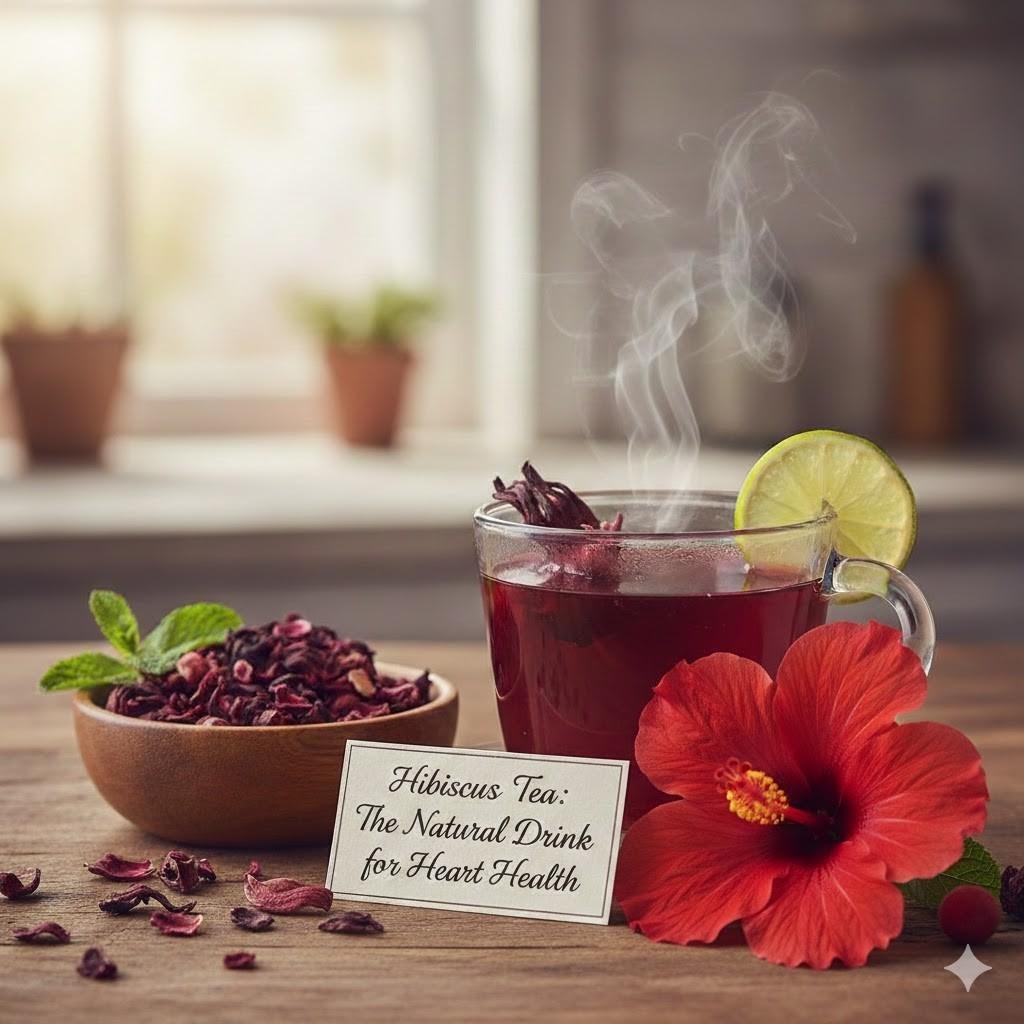
Hibiscus Tea : In recent years, the search for natural ways to support heart health has intensified. With cardiovascular disease remaining one of the leading causes of death worldwide, people are increasingly turning toward lifestyle changes—including diet—to protect their hearts. Among the many herbal drinks gaining attention, hibiscus tea stands out for its vibrant color, refreshing taste, and impressive health benefits.
But is hibiscus tea truly a heart-friendly super drink, or is it just another wellness trend?
In this comprehensive guide, we’ll explore what hibiscus tea is, the science behind its heart health benefits, how to prepare it, potential side effects, and whether it deserves a permanent place in your daily routine.
What Is Hibiscus Tea?
Hibiscus tea is an herbal infusion made from the dried petals of the Hibiscus sabdariffa plant. When steeped in hot water, the petals release a deep crimson color and a tangy, cranberry-like flavor that can be enjoyed both hot and cold.
Known by different names around the world—such as karkade in Egypt and agua de Jamaica in Mexico—hibiscus tea has been consumed for centuries in traditional medicine systems.
Why Is It So Popular Today?
Several factors have contributed to its global rise:
- Growing awareness of heart health
- Increased demand for caffeine-free beverages
- Interest in plant-based wellness
- Scientific research supporting its benefits
- Social media spotlight on natural remedies
Unlike sugary beverages, hibiscus tea offers bold flavor without artificial ingredients, making it attractive to health-conscious consumers.
Nutritional Profile: What Makes Hibiscus Tea Powerful?
Hibiscus tea is low in calories yet rich in beneficial plant compounds.
Key Nutrients and Compounds:
1. Anthocyanins
These are the pigments responsible for the tea’s ruby-red color. Anthocyanins are potent antioxidants that help protect cells from damage.
2. Polyphenols
Known for reducing inflammation and supporting cardiovascular health.
3. Vitamin C
Supports immunity and helps combat oxidative stress.
4. Organic Acids
Including citric and malic acids, which contribute to its tart flavor and digestive support.
5. Flavonoids
Plant compounds linked to improved blood vessel function.
Together, these components create a drink that is as functional as it is flavorful.
The Heart Health Connection
Let’s address the central question:
Can hibiscus tea actually support heart health?
Research suggests the answer is yes—when combined with a healthy lifestyle.
1. May Help Lower Blood Pressure
One of the most well-documented benefits of hibiscus tea is its ability to reduce blood pressure.
Multiple studies have shown that regularly drinking hibiscus tea may help lower both systolic and diastolic blood pressure.
How It Works:
- Acts as a natural ACE inhibitor (similar to some blood pressure medications)
- Helps relax blood vessels
- Improves circulation
For individuals with mild hypertension, hibiscus tea can be a valuable dietary addition—but it should never replace prescribed medication.
2. Supports Healthy Cholesterol Levels
Cholesterol imbalance is a major risk factor for heart disease.
Some studies suggest hibiscus may help:
- Reduce LDL (“bad”) cholesterol
- Increase HDL (“good”) cholesterol
- Prevent plaque buildup
Its antioxidant properties help limit the oxidation of LDL cholesterol—a key step in artery damage.
3. Rich in Antioxidants
Oxidative stress contributes heavily to cardiovascular disease.
Hibiscus tea’s antioxidants help:
- Protect blood vessels
- Reduce inflammation
- Support cellular repair
- Improve vascular function
Think of antioxidants as your heart’s protective shield.
4. May Help Manage Weight
Maintaining a healthy weight reduces strain on the heart.
Hibiscus tea may assist by:
- Supporting metabolism
- Reducing fat accumulation
- Helping regulate appetite
- Offering a zero-calorie alternative to sugary drinks
Replacing soda with hibiscus tea alone can significantly benefit heart health.
5. Helps Regulate Blood Sugar
Stable blood sugar levels are essential for cardiovascular wellness.
Emerging research indicates hibiscus may improve insulin sensitivity and reduce spikes in blood glucose—particularly beneficial for those at risk of metabolic syndrome.
Is Hibiscus Tea Scientifically Proven?
While no single beverage can guarantee heart protection, hibiscus tea is supported by promising clinical research.
Studies have compared its blood-pressure-lowering effects to mild pharmaceutical interventions—with encouraging results.
However, experts emphasize:
👉 Hibiscus tea works best as part of a broader heart-healthy lifestyle that includes:
- Regular exercise
- Balanced nutrition
- Stress management
- Adequate sleep
It is a helper—not a miracle cure.
Additional Health Benefits of Hibiscus Tea
Although famous for heart support, hibiscus tea offers several other advantages.
Supports Liver Health
Some research suggests hibiscus may help protect the liver and improve detoxification processes.
Boosts Immunity
Vitamin C and antioxidants strengthen the body’s natural defenses.
Promotes Digestive Comfort
Its organic acids may help digestion and reduce bloating.
Anti-Inflammatory Effects
Chronic inflammation is linked to numerous diseases; hibiscus compounds may help counter it.
Hydration Hero
Flavorful enough to encourage better hydration habits.
Best Time to Drink Hibiscus Tea
Timing can influence how you experience its benefits.
Morning: Refreshing and hydrating start to the day.
Afternoon: Excellent replacement for sugary drinks.
Evening: Safe to drink since it’s caffeine-free.
Pro Tip: If you have naturally low blood pressure, avoid drinking large amounts at once.
How to Make Hibiscus Tea at Home
One of the best things about hibiscus tea is how simple it is to prepare.
Classic Hot Hibiscus Tea
Ingredients:
- 1–2 teaspoons dried hibiscus petals
- 1 cup boiling water
- Optional: honey, cinnamon, ginger, or lemon
Instructions:
- Bring water to a boil.
- Add dried petals to a cup or teapot.
- Pour hot water over them.
- Steep for 5–10 minutes.
- Strain and enjoy.
Refreshing Iced Hibiscus Tea
Perfect for warm weather.
Steps:
- Brew a strong batch.
- Let it cool.
- Pour over ice.
- Add mint or citrus slices.
Naturally vibrant and incredibly refreshing.
Flavor Pairings You’ll Love
Hibiscus blends beautifully with other ingredients:
- Ginger: Adds warmth and immune support
- Mint: Cooling and digestive-friendly
- Cinnamon: Enhances sweetness without sugar
- Orange peel: Bright citrus aroma
- Rose hips: Extra vitamin C
Experiment to find your favorite combination.
Who Should Drink Hibiscus Tea?
Hibiscus tea is ideal for:
✅ Adults focused on heart health
✅ People managing mild hypertension
✅ Those reducing caffeine
✅ Anyone seeking antioxidant-rich drinks
✅ Individuals cutting back on sugary beverages
Who Should Avoid It?
Despite its benefits, hibiscus tea isn’t suitable for everyone.
Use caution if you:
- Have low blood pressure
- Take blood pressure medications
- Are pregnant or trying to conceive
- Take diuretics
- Use hormone-related medications
Always consult a healthcare provider if unsure.
Possible Side Effects
Hibiscus tea is generally safe when consumed in moderation, but excessive intake may lead to:
- Dizziness
- Blood pressure dropping too low
- Stomach discomfort
- Temporary liver stress (rare, usually linked to high-dose extracts)
Moderation is key—1–3 cups daily is typically considered safe.
Fresh vs. Tea Bags: Which Should You Choose?
| Feature | Loose Petals | Tea Bags |
|---|---|---|
| Flavor | Richer | Milder |
| Nutrient density | Higher | Depends on brand |
| Convenience | Lower | Higher |
| Quality control | Better | Variable |
If possible, choose organic loose petals for maximum benefits.
Can Hibiscus Tea Replace Heart Medication?
Let’s be clear:
No herbal tea should replace prescribed treatment.
Instead, think of hibiscus tea as part of a heart-supportive lifestyle.
The strongest protection comes from combining:
- Nutritious foods
- Physical activity
- Medical guidance
- Stress reduction
Natural remedies work best alongside—not instead of—modern medicine.
How Much Hibiscus Tea Should You Drink?
Experts generally recommend:
👉 1–3 cups per day
Avoid extremely concentrated brews unless advised by a professional.
Consistency matters more than quantity.
Tips for Buying High-Quality Hibiscus
Look for petals that are:
✔ Deep red
✔ Slightly tart-smelling
✔ Free from artificial colors
✔ Minimally processed
Store them in an airtight container away from sunlight to preserve potency.
Hibiscus Tea vs Green Tea for Heart Health
Both are excellent—but different.
| Factor | Hibiscus Tea | Green Tea |
|---|---|---|
| Caffeine | None | Contains caffeine |
| Blood pressure support | Strong | Moderate |
| Antioxidants | Very high | Very high |
| Taste | Tart | Earthy |
If you’re sensitive to caffeine, hibiscus is a fantastic alternative.
The Psychological Benefit: Wellness in Every Sip
Never overlook the emotional comfort of a warm cup of tea.
Drinking hibiscus tea can:
- Encourage relaxation
- Create mindful rituals
- Reduce stress
- Support hydration habits
Mental well-being plays a crucial role in heart health.
Is Hibiscus Tea Just Another Health Trend?
Unlike many short-lived wellness fads, hibiscus tea has centuries of traditional use behind it—and modern science is beginning to validate those practices.
Why It’s More Than a Trend:
✔ Historically trusted
✔ Backed by research
✔ Naturally caffeine-free
✔ Accessible and affordable
✔ Multifunctional health benefits
Trends fade. Evidence-based habits endure.
Final Verdict: A Natural Ally for Heart Health
So, is hibiscus tea the natural drink your heart has been waiting for?
The answer is encouraging—but realistic.
Hibiscus tea is not a miracle cure, yet its ability to support blood pressure, cholesterol, and overall cardiovascular wellness makes it a powerful addition to a healthy routine.
Bottom Line:
✔ Science-supported benefits
✔ Delicious and refreshing
✔ Easy to prepare
✔ Worth incorporating into daily life
When paired with balanced nutrition and active living, hibiscus tea can become a simple—but meaningful—step toward protecting your heart.
Your future self may thank you for every crimson-colored cup.
FAQs About Hibiscus Tea
1. Is hibiscus tea really good for heart health?
Yes, studies suggest hibiscus tea may help lower blood pressure, improve cholesterol levels, and provide antioxidants that support cardiovascular health.
2. How much hibiscus tea should I drink daily?
For most healthy adults, 1–3 cups per day is considered safe and beneficial.
3. Does hibiscus tea lower blood pressure quickly?
It may help reduce blood pressure over time with regular consumption, but it is not an instant remedy.
4. Is hibiscus tea caffeine-free?
Yes, hibiscus tea is naturally caffeine-free, making it suitable for evening consumption.
5. Can hibiscus tea replace blood pressure medication?
No. It should complement—not replace—medical treatment prescribed by your doctor.
6. What is the best time to drink hibiscus tea?
You can drink it morning, afternoon, or evening. However, people with low blood pressure should avoid drinking large amounts at once.
7. Are there any side effects of hibiscus tea?
When consumed excessively, it may cause dizziness, stomach upset, or a drop in blood pressure.
8. Who should avoid hibiscus tea?
Pregnant women, people with low blood pressure, and those taking blood pressure or hormone-related medications should consult a healthcare professional before drinking it regularly.
9. Can hibiscus tea help with weight loss?
It may support metabolism and help replace high-calorie drinks, but it is not a standalone weight-loss solution.
10. What does hibiscus tea taste like?
It has a tart, cranberry-like flavor that can be balanced with honey or natural sweeteners.
11. Can I drink hibiscus tea every day?
Yes, moderate daily consumption is safe for most people and may support long-term wellness.
12. Is hibiscus tea better hot or cold?
Both are excellent—hot tea is soothing, while iced hibiscus tea is refreshing and great for hydration.
13. Can diabetics drink hibiscus tea?
Unsweetened hibiscus tea is generally safe and may even help support blood sugar control, but medical advice is recommended.
14. Does hibiscus tea detox the body?
Your liver naturally detoxifies your body. Hibiscus tea supports hydration and antioxidant intake but isn’t a detox cure.
15. How long should hibiscus tea be steeped?
Steep dried petals for 5–10 minutes to extract maximum flavor and nutrients without making it overly tart.
Also Read :