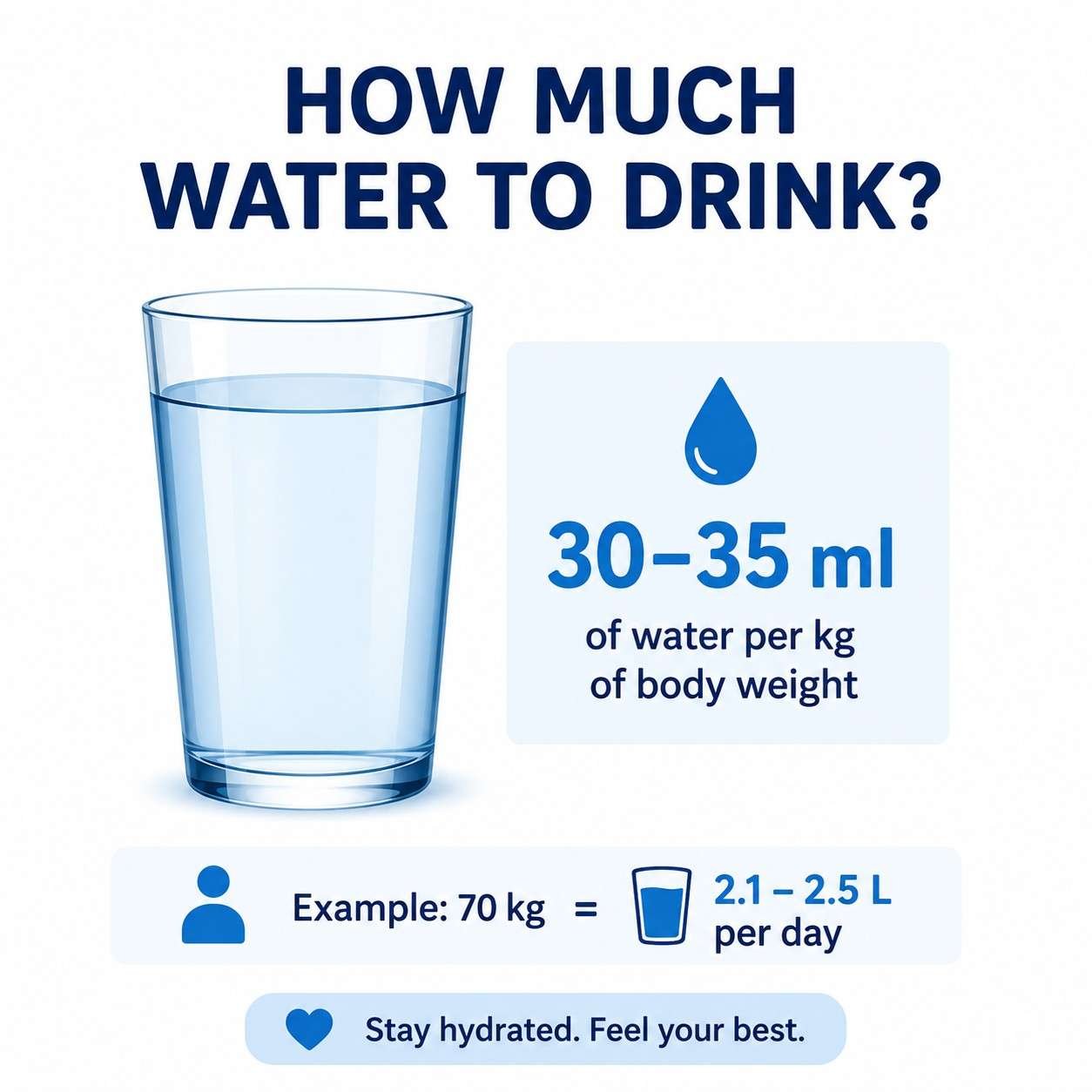
Water is one of the most important substances for human life. Every cell, tissue, and organ in the body depends on water to function properly. Yet one of the most common health questions people ask is: How much water do I need to drink?
You may have heard the popular advice to drink eight glasses of water per day. While this guideline is simple and easy to remember, hydration needs vary from person to person. Factors such as age, gender, activity level, climate, health conditions, and diet all influence how much water your body requires. Proper hydration is important for overall health, just like other wellness topics such as detox water, chia water benefits, and flaxseed water benefits.
Understanding your hydration needs can help improve energy levels, support digestion, maintain healthy skin, regulate body temperature, and promote overall wellness. In this comprehensive guide, we’ll explore how much water you need, what affects your hydration requirements, signs of dehydration, and practical ways to stay properly hydrated every day.
Why Is Water So Important?
Water accounts for approximately 50–70% of the human body. It plays a vital role in countless bodily functions.
Water helps:
- Regulate body temperature
- Transport nutrients and oxygen
- Remove waste products
- Support digestion
- Lubricate joints
- Protect organs and tissues
- Maintain blood circulation
- Support brain function
Without sufficient water, the body’s systems begin to work less efficiently, leading to dehydration and potential health problems.
The General Recommendation
One of the most widely known hydration recommendations is the “8×8 Rule.”
This suggests drinking:
Eight 8-ounce glasses of water per day
This equals approximately:
- 64 ounces
- 1.9 liters
- About 2 liters
While this can be a useful starting point, modern research indicates that hydration needs vary significantly between individuals.
Daily Water Intake Recommendations
How Much Water Do I Need to Drink: Many health organizations provide general guidelines for daily fluid intake.
Adult Men
Approximately:
- 3.7 liters per day
- About 125 ounces
Adult Women
Approximately:
- 2.7 liters per day
- About 91 ounces
These totals include water from:
- Beverages
- Food
- Plain drinking water
Many fruits and vegetables contribute significantly to daily hydration.
How Much Water Comes From Food?
Many people don’t realize that food contains water.
On average:
- About 20% of daily fluid intake comes from food
Water-rich foods include:
- Watermelon
- Cucumber
- Strawberries
- Tomatoes
- Oranges
- Lettuce
- Celery
Eating plenty of fruits and vegetables can contribute meaningfully to hydration.
Factors That Affect Water Needs
There is no single water requirement that fits everyone.
Several factors influence hydration needs.
Physical Activity
Exercise increases water loss through sweat.
People who engage in:
- Running
- Cycling
- Strength training
- Sports
typically need additional fluids.
The longer and more intense the workout, the greater the need for hydration.
Climate and Weather
Hot temperatures increase sweating.
Humid weather makes it harder for sweat to evaporate, increasing fluid loss.
People living in:
- Tropical climates
- Desert regions
- Hot summer environments
usually require more water.
Altitude
Higher elevations can increase:
- Breathing rate
- Fluid loss
People living or traveling at high altitude may need extra water to stay hydrated.
Age
Hydration needs change throughout life.
Children
Children lose fluids more quickly and may not recognize thirst as effectively.
Older Adults
Older adults often experience a reduced sense of thirst, increasing dehydration risk.
Pregnancy and Breastfeeding
Women who are pregnant or breastfeeding generally need additional fluids.
Water supports:
- Increased blood volume
- Fetal development
- Breast milk production
Illness
Conditions involving:
- Fever
- Vomiting
- Diarrhea
can cause rapid fluid loss.
Hydration becomes especially important during illness.
Diet
Certain foods and beverages affect hydration needs.
High intake of:
- Salty foods
- Processed foods
- Protein-rich diets
may increase water requirements.
Understanding Thirst
How Much Water Do I Need to Drink: Thirst is the body’s natural signal that it needs fluids.
For many healthy adults, thirst can be a useful guide.
However, thirst isn’t always a perfect indicator.
Some people may already be mildly dehydrated before they feel thirsty.
This is especially common among:
- Older adults
- Athletes
- Individuals working in hot conditions
Signs That You’re Drinking Enough Water
How Much Water Do I Need to Drink: A simple way to assess hydration is by paying attention to your body.
Signs of good hydration include:
- Light-colored urine
- Normal energy levels
- Moist lips and mouth
- Good concentration
- Minimal thirst
These indicators suggest that your fluid intake is likely adequate.
Signs of Dehydration
How Much Water Do I Need to Drink: Dehydration occurs when fluid loss exceeds fluid intake.
Common symptoms include:
- Thirst
- Dry mouth
- Dark yellow urine
- Headache
- Fatigue
- Dizziness
More severe dehydration may cause:
- Confusion
- Rapid heartbeat
- Low blood pressure
- Extreme weakness
Recognizing dehydration early can help prevent complications.
How Urine Color Can Help
How Much Water Do I Need to Drink: Urine color is one of the easiest hydration indicators.
Pale Yellow
Generally indicates good hydration.
Dark Yellow
May suggest dehydration.
Amber or Brown
Can indicate significant dehydration and should be addressed promptly.
Certain medications and foods can also affect urine color.
Can You Drink Too Much Water?
Yes.
Although uncommon, excessive water intake can lead to a condition called:
Hyponatremia
This occurs when sodium levels in the blood become dangerously diluted.
Symptoms may include:
- Nausea
- Headache
- Confusion
- Muscle cramps
- Seizures in severe cases
Most healthy individuals can avoid this by drinking according to their needs and not forcing excessive amounts of water.(How Much Water Do I Need to Drink)
Water Needs by Activity Level
Sedentary Individuals(How Much Water Do I Need to Drink)
People with desk jobs or limited physical activity often need less water than highly active individuals.
Generally:
- 2–3 liters daily may be sufficient
depending on body size and climate.(How Much Water Do I Need to Drink)
Moderately Active Individuals
Those who walk regularly or exercise a few times per week often require:
- 2.5–3.5 liters daily
Athletes
Athletes may need substantially more fluids due to sweat losses.
Requirements vary based on:
- Workout duration
- Intensity
- Temperature
Some athletes may require 4 liters or more per day.
Water and Weight Loss
Water can support healthy weight management.
Benefits include:
- Helping control appetite
- Replacing sugary beverages
- Supporting metabolism
- Improving workout performance
Some studies suggest drinking water before meals may help reduce calorie intake.
Water and Digestion
Adequate hydration supports digestive health.
Water helps:
- Break down food
- Move waste through the intestines
- Prevent constipation
Insufficient fluid intake can contribute to digestive discomfort. Drinking warm water in the morning can improve digestion, similar to herbal detox water benefits and cucumber water benefits.
Water and Skin Health
How Much Water Do I Need to Drink: Hydration plays a role in skin appearance.
While water isn’t a miracle cure for skin problems, proper hydration can help maintain:
- Skin elasticity
- Moisture balance
- Healthy appearance
Dehydration can make skin appear dry and less vibrant.
Water and Brain Function
How Much Water Do I Need to Drink: Even mild dehydration can affect:
- Concentration
- Memory
- Mood
- Mental performance
The brain relies on proper hydration for optimal functioning.
Many people notice improved focus after correcting mild dehydration.
Best Sources of Hydration
Plain Water
The best and simplest hydration source.
Milk
Provides water along with nutrients such as calcium and protein.
Herbal Tea
Offers hydration without added sugar.
Fruits and Vegetables
Contribute water and essential nutrients.
Coconut Water
Contains natural electrolytes and can support hydration.
Do Coffee and Tea Count?
Yes.
Coffee and tea contribute to daily fluid intake.
Although caffeine has mild diuretic effects, moderate consumption generally provides more fluid than it removes.
For most people, coffee and tea can be part of a healthy hydration routine.
What About Sports Drinks?
Sports drinks may be useful during:
- Extended exercise
- Intense athletic activity
- Heavy sweating
However, many contain added sugars and may not be necessary for everyday hydration.
How to Drink More Water
How Much Water Do I Need to Drink: If you struggle to meet your hydration goals, consider these strategies.
Carry a Water Bottle
Having water nearby encourages regular drinking.
Set Reminders
Phone reminders can help establish hydration habits.
Flavor Your Water
Add:
- Lemon
- Lime
- Cucumber
- Mint
for natural flavor.
Drink Before Meals
This creates a simple hydration routine.
Eat Water-Rich Foods
Include fruits and vegetables throughout the day.
Common Myths About Water
Myth 1: Everyone Needs Exactly Eight Glasses
Hydration needs vary widely.
Myth 2: You Must Drink Gallons of Water Daily
Excessive water isn’t necessarily better.
Your needs depend on your body and lifestyle.
Myth 3: Coffee Causes Dehydration
Moderate coffee intake generally contributes to hydration.
Myth 4: Thirst Means You’re Severely Dehydrated
Thirst usually appears before severe dehydration develops.
Sample Daily Hydration Plan
Morning
- 1 glass upon waking
- 1 glass with breakfast
Mid-Morning
- 1 glass between meals
Lunch
- 1–2 glasses
Afternoon
- 1 glass during work or activities
Dinner
- 1–2 glasses
Evening
- Additional water as needed
This approach can help many adults meet hydration goals naturally.
Special Considerations for Hot Weather
How Much Water Do I Need to Drink: During hot weather:
- Drink regularly
- Avoid waiting until thirsty
- Increase intake during outdoor activities
Watch for signs of heat-related illness, including dizziness and excessive fatigue.
Hydration Tips for Travelers
Travel can disrupt hydration habits.
Remember to:
- Carry a refillable bottle
- Drink during flights
- Increase fluids in hot destinations
- Limit excessive alcohol consumption
Proper hydration can reduce travel fatigue.(How Much Water Do I Need to Drink)
Conclusion
So, how much water do you need to drink? The answer depends on your body, lifestyle, environment, and health status. While general recommendations suggest around 2.7 liters daily for women and 3.7 liters for men, individual needs vary significantly.
Rather than focusing solely on a specific number, pay attention to your thirst, urine color, activity level, and overall well-being. Staying properly hydrated supports digestion, energy, brain function, physical performance, and overall health.
Water is one of the simplest and most powerful tools for maintaining wellness. Making hydration a daily priority can have lasting benefits for your body and mind. If you liked this guide, you may also read about black garlic benefits, baobab powder benefits, and superfood hydration drinks. (How Much Water Do I Need to Drink)
FAQs
How much water should I drink daily?
Most adults need between 2 and 4 liters of fluids per day, depending on age, activity level, climate, and health status.
Is eight glasses of water enough?
Eight glasses may be sufficient for some individuals, but many people require more or less depending on their needs.
Does coffee count toward water intake?
Yes. Coffee contributes to daily fluid intake despite containing caffeine.
How can I tell if I’m dehydrated?
Common signs include thirst, dark urine, fatigue, headache, and dizziness.
Can drinking more water help with weight loss?
Water may support weight management by promoting fullness and replacing high-calorie beverages.
What foods help with hydration?
Watermelon, cucumber, oranges, strawberries, lettuce, and celery are excellent hydrating foods.
Can I drink too much water?
Yes. Excessive water intake can lead to hyponatremia, a potentially serious condition caused by low sodium levels.
How much water should athletes drink?
Athletes often need additional fluids based on sweat losses, workout duration, and environmental conditions.
Does weather affect hydration needs?
Yes. Hot and humid conditions increase fluid loss and water requirements.
What is the healthiest drink for hydration?
Plain water remains the best and most effective hydration choice for most people.
Sources & References
- National Academies of Sciences (US) – Water Intake Recommendations
https://www.nationalacademies.org/ - Mayo Clinic – Water: How much should you drink every day?
https://www.mayoclinic.org/healthy-lifestyle/nutrition-and-healthy-eating - CDC (Centers for Disease Control and Prevention) – Water & Hydration
https://www.cdc.gov/healthywater/drinking/ - Harvard T.H. Chan School of Public Health – Water and Health
https://www.hsph.harvard.edu/nutritionsource/water/ - NHS (UK) – How much water should I drink?
https://www.nhs.uk/live-well/eat-well/water-drinks-nutrition/ - Healthline – How Much Water Should You Drink per Day?
https://www.healthline.com/nutrition/how-much-water-should-you-drink-per-day
About the Author
Hitasha is a health and wellness content writer who creates simple, SEO-optimized articles on hydration, nutrition, and natural lifestyle tips. She focuses on easy-to-understand, research-based health information.
Disclaimer
This article is for educational purposes only and should not be considered medical advice. Always consult a qualified healthcare professional before making any changes to your diet or hydration routine.