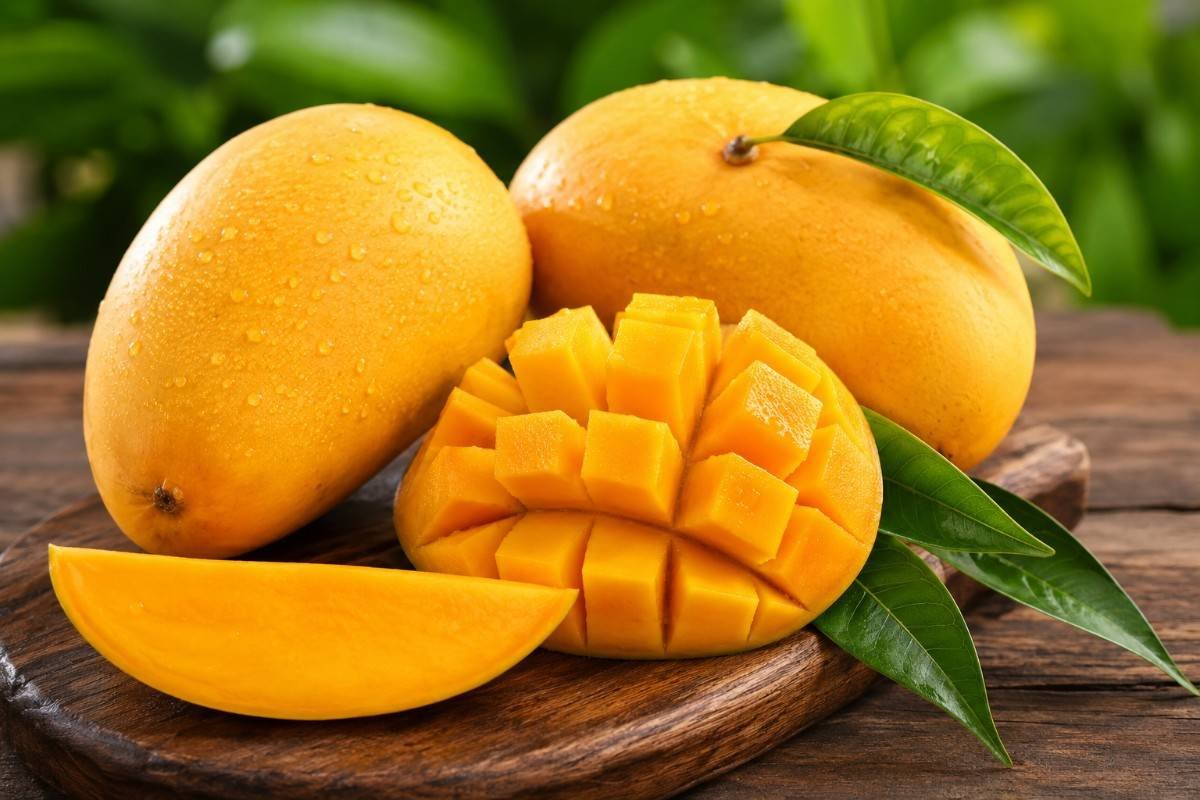
Mango is one of the most loved tropical fruits in the world. Known as the “King of Fruits,” mango is famous for its sweet taste, juicy texture, rich aroma, and vibrant golden color. From smoothies and desserts to salads and juices, mango is used in countless recipes across different cultures.
Beyond its delicious flavor, mango is packed with vitamins, minerals, antioxidants, and fiber that support overall health. Whether you enjoy ripe mango slices during summer or use raw mangoes in spicy dishes, this tropical fruit offers many benefits for the body and mind.
In this complete guide, you will learn everything about mango including its nutrition facts, health benefits, varieties, uses, recipes, side effects, and the best ways to enjoy it.
What Is Mango?
Mango is a tropical stone fruit that belongs to the Mangifera indica species. It originated in South Asia, especially India, where it has been cultivated for thousands of years. Today, mangoes are grown in many tropical and subtropical regions including Thailand, Mexico, Brazil, Pakistan, and the Philippines.
Mangoes come in different shapes, sizes, and colors. Some are yellow, orange, green, or even red. The flesh inside is soft, juicy, and naturally sweet.
Nutritional Value of Mango
Mango is highly nutritious and low in fat. It contains important nutrients that support immunity, digestion, skin health, and energy production.
Nutrition in One Cup of Mango (Approx. 165g)
| Nutrient | Amount |
|---|---|
| Calories | 99 |
| Carbohydrates | 25g |
| Fiber | 2.6g |
| Protein | 1.4g |
| Fat | 0.6g |
| Vitamin C | 67% DV |
| Vitamin A | 10% DV |
| Folate | 18% DV |
| Potassium | 6% DV |
| Magnesium | 4% DV |
Mango is also rich in antioxidants such as:
- Beta-carotene
- Mangiferin
- Quercetin
- Polyphenols
These compounds help protect the body from oxidative stress and inflammation.
25 Amazing Health Benefits of Mango
1. Boosts Immunity

Mango is loaded with vitamin C, vitamin A, and antioxidants that help strengthen the immune system and protect against infections.
2. Improves Digestion
Mango contains digestive enzymes and dietary fiber that support healthy digestion and reduce constipation.
3. Supports Eye Health
Vitamin A and beta-carotene in mango help maintain healthy eyesight and may reduce the risk of night blindness.
4. Promotes Healthy Skin
Mango supports collagen production because of its high vitamin C content. This may help keep skin smooth and glowing.
5. Helps Hair Growth
Vitamin A helps produce sebum, which keeps hair moisturized and healthy.
6. Rich in Antioxidants
Mango contains powerful antioxidants that protect cells from free radical damage and premature aging.
7. Supports Heart Health
The potassium and magnesium in mango help maintain healthy blood pressure levels.
8. May Help Weight Management
Although sweet, mango can be part of a healthy diet because it contains fiber that helps keep you full.
9. Improves Gut Health
The natural compounds in mango support beneficial gut bacteria and digestive wellness.
10. Reduces Inflammation
Mangiferin and polyphenols found in mango may help reduce inflammation in the body.
11. Enhances Brain Function
Mango contains vitamin B6, which plays a role in brain development and nervous system health.
12. Supports Bone Health
Mango provides vitamin K, magnesium, and calcium-supporting nutrients that contribute to stronger bones.
13. Helps Hydration
Fresh mango contains water and electrolytes that help keep the body hydrated during hot weather.
14. Naturally Energizing
The natural sugars and carbohydrates in mango provide quick energy without processed ingredients.
15. May Improve Mood
Vitamin B6 supports serotonin production, which may help regulate mood and reduce stress.
16. Supports Healthy Pregnancy
Folate in mango is important for fetal growth and development during pregnancy.
17. Helps Iron Absorption
Vitamin C in mango improves the absorption of iron from plant-based foods.
18. Good for Athletes
Mango smoothies and bowls are popular among fitness lovers because they provide energy and nutrients.
19. Supports Healthy Aging
Antioxidants help protect the body against cellular damage linked to aging.
20. May Help Lower Cholesterol
Fiber and antioxidants in mango may support healthy cholesterol levels.
21. Supports Liver Function
Some studies suggest mango antioxidants may help support liver health.
22. Good for Summer Heat
Mango is refreshing and cooling when consumed in smoothies, juices, and frozen desserts.
23. Helps Maintain Healthy Blood Sugar (in Moderation)
Whole mango contains fiber that slows sugar absorption when eaten in moderate portions.
24. Supports Healthy Metabolism
B vitamins found in mango help the body convert food into energy efficiently.
25. Delicious and Versatile
Mango can be enjoyed in sweet and savory dishes, making healthy eating easier and more enjoyable.
Popular Types of Mango
Alphonso Mango
Famous for its rich sweetness and creamy texture.
Kesar Mango
Popular in India with a bright orange pulp.
Ataulfo Mango
Small yellow mango with buttery flesh.
Tommy Atkins Mango
Common in supermarkets worldwide.
Haden Mango
Sweet and slightly tangy flavor.
Kent Mango
Juicy and fiber-free variety.
Best Ways to Eat Mango
Fresh Mango Slices
The easiest and healthiest way to enjoy mango.
Mango Smoothies
Blend mango with yogurt, milk, or bananas for a refreshing drink.
Mango Salsa
Mix mango with onions, lime, tomatoes, and cilantro.
Mango Salad
Add mango chunks to green salads for sweetness.
Mango Ice Cream
A tropical dessert loved worldwide.
Mango Sticky Rice
Popular Thai dessert made with coconut milk and sticky rice.
Mango Chutney
Sweet and spicy condiment for curries and snacks.
Dried Mango Snacks
Portable and naturally sweet snack option.
Raw Mango vs Ripe Mango
| Feature | Raw Mango | Ripe Mango |
|---|---|---|
| Taste | Sour | Sweet |
| Color | Green | Yellow/Orange |
| Uses | Pickles, chutney | Smoothies, desserts |
| Vitamin C | Higher | Moderate |
| Sugar Content | Lower | Higher |
Both raw and ripe mangoes offer unique nutritional benefits.
Mango Recipes You Should Try
Mango Smoothie Bowl
Ingredients:
- 1 ripe mango
- 1 banana
- Greek yogurt
- Ice cubes
Top with:
- Chia seeds
- Granola
- Coconut flakes
Mango Lassi
Ingredients:
- Mango pulp
- Yogurt
- Cardamom
- Honey
Blend until smooth and creamy.
Mango Overnight Oats
Add mango cubes to oats, milk, chia seeds, and refrigerate overnight.
Spicy Mango Salsa
Perfect with tacos, grilled chicken, or chips.
Best Time to Eat Mango
Morning
Provides natural energy for the day.
Afternoon
Refreshing during hot weather.
Pre-Workout
Natural sugars help boost energy levels.
Avoid eating excessive mango late at night if you are sensitive to sugar intake.
Is Mango Good for Weight Loss?
Yes, mango can support weight management when eaten in moderation. It contains:
- Fiber for fullness
- Natural sweetness that reduces junk food cravings
- Nutrients that support metabolism
However, overeating mango may increase calorie intake.
Is Mango Good for Diabetes?
People with diabetes can enjoy mango in moderation. Whole mango has fiber that slows sugar absorption.
Tips:
- Eat small portions
- Avoid mango syrups or sugary juices
- Pair mango with protein or nuts
Always consult a healthcare professional for personalized advice.
Mango for Skin and Beauty
Mango is commonly used in skincare because it contains:
- Vitamin C
- Vitamin A
- Antioxidants
Benefits may include:
- Brighter skin
- Better hydration
- Reduced dryness
- Natural glow
Some people also use mango pulp in homemade face masks.
Mango in Different Cultures
India
Used in lassi, pickles, desserts, and curries.
Thailand
Famous for mango sticky rice.
Mexico
Popular with chili powder and lime.
Philippines
Used in smoothies and tropical desserts.
Caribbean
Used in spicy sauces and drinks.
Mango Farming and Sustainability
Mango trees require warm climates and lots of sunlight. Sustainable farming practices help reduce water waste and protect soil health.
Organic mango farming is becoming increasingly popular because consumers prefer chemical-free produce.
Side Effects of Mango
Although mango is healthy, too much may cause problems for some people.
Possible Side Effects
- Excess sugar intake
- Allergic reactions in sensitive individuals
- Digestive discomfort from overeating
- Skin irritation from mango peel in rare cases
Moderation is important.
How to Choose the Best Mango
Tips for selecting ripe mangoes:
- Slightly soft when pressed
- Sweet fruity aroma
- Smooth skin without major wrinkles
Color alone does not always indicate ripeness.
How to Store Mango
Unripe Mango
Keep at room temperature until ripe.
Ripe Mango
Store in the refrigerator for several days.
Frozen Mango
Can be frozen for smoothies and desserts.
Mango Trends in 2026
Mango continues to trend worldwide because of:
- Tropical smoothie bowls
- Healthy desserts
- Protein shakes
- Social media food trends
- Functional nutrition
Viral mango recipes are especially popular on Instagram, YouTube, and TikTok.
Fun Facts
- India is the largest producer of mangoes.
- Mango trees can live for over 100 years.
- There are more than 1,000 mango varieties worldwide.
- Mango is the national fruit of India, Pakistan, and the Philippines.
Frequently Asked Questions
Is mango healthy?
Yes, mango is rich in vitamins, antioxidants, and fiber.
Can I eat mango every day?
Yes, moderate daily consumption is generally safe for most people.
Is mango high in sugar?
Mango contains natural sugar, so portion control is important.
Which mango variety is the sweetest?
Alphonso mango is considered one of the sweetest varieties.
Can mango help skin glow?
Its vitamin C and antioxidants may support healthy skin.
Is mango good for digestion?
Yes, fiber and digestive enzymes help improve digestion.
Can mango be eaten during weight loss?
Yes, in moderate portions as part of a balanced diet.
Is dried mango healthy?
Unsweetened dried mango can be a healthy snack option.
Conclusion
Mango is much more than a delicious tropical fruit. It is packed with nutrients, antioxidants, and health benefits that support immunity, digestion, heart health, skin glow, and energy levels. Whether eaten fresh, blended into smoothies, or added to desserts and savory dishes, mango is one of the most versatile fruits in the world.
From traditional recipes to modern healthy bowls, mango continues to remain one of the most loved and trending fruits globally. Adding mango to a balanced diet can be a tasty and refreshing way to enjoy better nutrition and tropical flavor every day.
Also read:
Papaya: 25 Benefits, Nutrition, Uses, Side Effects & Healthy Recipes