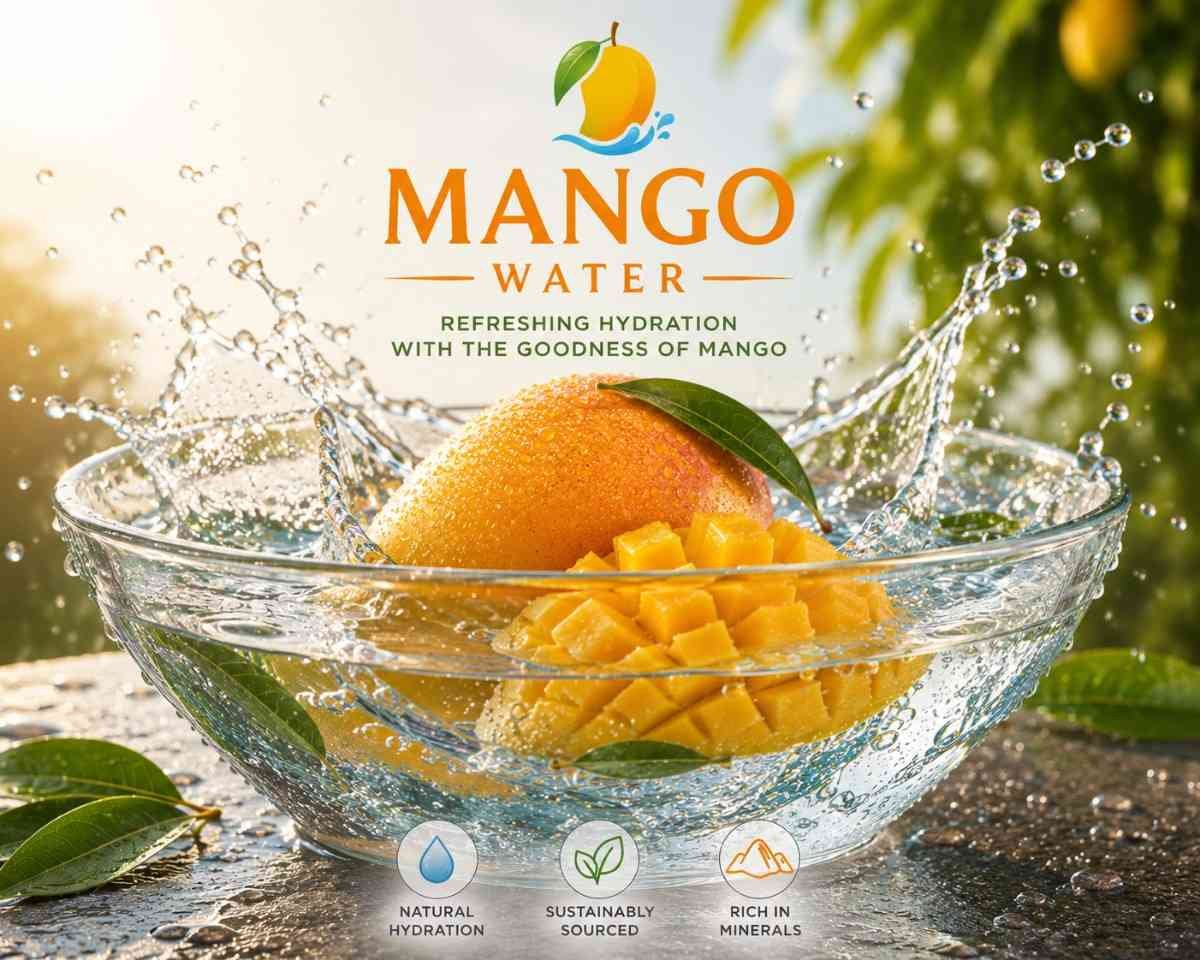
Mango Water is becoming one of the most popular fruit-based wellness beverages among health-conscious consumers. Combining the sweet tropical taste of mangoes with the hydrating properties of water, this refreshing drink offers a delicious alternative to sugary soft drinks and artificial beverages.
Known as the “King of Fruits” in many parts of the world, mangoes are prized for their rich flavor, vibrant color, and impressive nutritional profile. By infusing mango into water, people can enjoy a naturally flavored beverage that contributes to daily hydration while providing vitamins, minerals, and antioxidants.
As fruit-infused waters continue to gain popularity, Mango Water has emerged as a favorite choice for individuals seeking a refreshing and nutritious hydration option.
In this comprehensive guide, you’ll learn everything about Mango Water, including its history, nutrition profile, benefits, preparation methods, side effects, and frequently asked questions.
What Is Mango Water?
Mango Water is a beverage made by infusing fresh mango pieces, mango puree, or mango juice into water.
Depending on the recipe, Mango Fruit Water may contain:
- Fresh mango chunks
- Mango puree
- Mango juice
- Filtered water
- Lemon juice
- Mint leaves
- Ice
The result is a naturally flavored drink with a refreshing tropical taste and aroma.
History of Mangoes
Mangoes have been cultivated for more than 4,000 years.
Originally native to South Asia, mangoes spread throughout:
- India
- Southeast Asia
- Africa
- South America
- The Caribbean
- Australia
Today, mangoes are among the most widely consumed fruits in the world and play an important role in cuisines, beverages, desserts, and wellness products.
Their popularity continues to grow due to their flavor and nutrient content.
Nutritional Profile of Mango Water
The nutritional value depends on how much mango is used.
Mango Fruit Water may contain:
Vitamins
- Vitamin C
- Vitamin A
- Vitamin E
- Vitamin K
- B Vitamins
Minerals
- Potassium
- Magnesium
- Calcium
- Copper
Plant Compounds
- Polyphenols
- Antioxidants
- Carotenoids
Other Nutrients
- Natural fruit sugars
- Fiber traces
- Water
Mangoes are particularly known for their vitamin C and vitamin A content.
Top 25 Benefits of Mango Water
1. Supports Hydration
Mango Fruit Water contributes to daily fluid intake.
2. Rich in Vitamin C
Mangoes naturally contain vitamin C, which supports immune function.
3. Contains Vitamin A
Vitamin A contributes to normal vision and immune health.
4. Provides Antioxidants
Mangoes contain antioxidants that help protect cells from oxidative stress.
5. Refreshing Tropical Flavor
Offers a naturally sweet and fruity taste.
6. Alternative to Sugary Drinks
Can help reduce consumption of high-sugar beverages.
7. Supports Healthy Lifestyle Habits
Fits well into balanced wellness routines.
8. Naturally Caffeine-Free
Contains no caffeine.
9. Contains Potassium
Potassium supports normal muscle and nerve function.
10. Low in Fat
Contains very little fat.
11. Plant-Based Beverage
Suitable for vegan and vegetarian lifestyles.
12. Easy to Prepare
Requires only a few simple ingredients.
13. Family-Friendly Drink
Enjoyed by people of all ages.
14. Supports Daily Nutrient Intake
Provides vitamins and minerals from fruit.
15. Great for Hot Weather
Refreshing when served chilled.
16. Versatile Beverage
Can be combined with herbs and fruits.
17. Naturally Colorful
Its bright golden color makes it visually appealing.
18. Suitable for Summer Hydration
Popular during warm seasons.
19. May Support Skin Wellness
Hydration and vitamins contribute to healthy-looking skin.
20. Supports Active Lifestyles
Hydration is important for physical activity.
21. Convenient Homemade Drink
Can be prepared in minutes.
22. May Replace Artificial Beverages
Offers natural fruit flavor.
23. Contains Plant Nutrients
Mangoes contain beneficial plant compounds.
24. Popular Worldwide
One of the most widely enjoyed fruit beverages.
25. Delicious and Nutritious
Combines flavor and hydration in one drink.
Mango Water vs Lemon Water
| Feature | Mango Water | Lemon Water |
|---|---|---|
| Flavor | Sweet Tropical | Tangy Citrus |
| Vitamin C | High | High |
| Vitamin A | Present | Minimal |
| Natural Sweetness | Yes | Low |
| Calories | Slightly Higher | Lower |
Both beverages can contribute to hydration and wellness.
Mango Water vs Coconut Water
| Feature | Mango Water | Coconut Water |
| Source | Mango Fruit | Coconut |
| Flavor | Sweet | Mild Sweet |
| Potassium | Present | Higher |
| Vitamin A | Present | Minimal |
| Hydration | Excellent | Excellent |
How to Make Mango Water
Basic Mango Water Recipe
Ingredients
- 1 ripe mango
- 4 cups water
- Ice cubes
Directions
- Peel and chop the mango.
- Add mango pieces to water.
- Refrigerate for several hours.
- Serve chilled.
Mango Lemon Water
Ingredients
- Mango pieces
- Water
- Lemon slices
A refreshing citrus-tropical combination.
Mango Mint Water
Ingredients
- Mango chunks
- Fresh mint leaves
- Water
Provides a cooling flavor.
Mango Ginger Water
Ingredients
- Mango pieces
- Fresh ginger slices
- Water
Adds a mild spicy note.
Best Time to Drink Mango Water
Many people enjoy Mango Fruit Water:
- Early morning
- Before meals
- After workouts
- During hot weather
- At picnics
- Throughout the day
Mango Water for Weight Management
Many people include Mango Fruit Water in wellness routines because:
- It supports hydration.
- It may reduce sugary beverage intake.
- It provides natural fruit flavor.
- It can be lower in calories than soft drinks.
Weight management depends on overall dietary habits and physical activity.
Mango Water and Skin Health
Vitamin C, vitamin A, and hydration contribute to healthy-looking skin.
Mango Fruit Water may support:
- Skin hydration
- Antioxidant intake
- Healthy appearance
- Daily wellness
Mango Water and Immune Health
Mangoes naturally contain nutrients including:
- Vitamin C
- Vitamin A
- Antioxidants
These nutrients contribute to normal immune system function as part of a balanced diet.
Mango Water Good for Hair Growth
Mango water may support healthy hair growth because it contains nutrients found in mangoes that are important for maintaining strong and healthy hair. Mangoes are rich in vitamin C, which helps the body produce collagen, a protein that supports hair structure and strength. They also contain vitamin A, which helps maintain a healthy scalp by supporting natural oil production. In addition, mangoes provide antioxidants that help protect cells from oxidative stress, while the water itself contributes to hydration, which is important for overall scalp health. Although mango water alone will not make hair grow faster, it can be a beneficial addition to a balanced diet that supports healthy hair, skin, and overall wellness.
Potential Side Effects of Mango Water
Mango Fruit Water is generally safe for most people when consumed in moderation.
Possible side effects may include:
- Digestive discomfort from excessive consumption
- Allergic reactions in sensitive individuals
- Increased sugar intake if large amounts of mango are used
Individuals with fruit allergies should exercise caution.
Storage Tips
For best quality:
- Refrigerate prepared Mango Fruit Water.
- Consume within 24–48 hours.
- Store in airtight containers.
- Use fresh mangoes.
- Keep chilled before serving.
Who Should Drink Mango Water?
Mango Fruit Water may be suitable for:
- Students
- Athletes
- Travelers
- Busy professionals
- Families
- Vegetarians
- Vegans
- Wellness enthusiasts
FAQs
What is Mango Water?
Mango Fruit Water is a beverage made by infusing mangoes with water.
Is Mango Water healthy?
It provides hydration along with vitamins, minerals, and antioxidants from mangoes.
Can I drink Mango Water every day?
Many people enjoy it regularly as part of a balanced diet.
Does Mango Water contain caffeine?
No, Mango Water is naturally caffeine-free.
What does Mango Water taste like?
It has a sweet, tropical, fruity flavor.
Can Mango Water help with hydration?
Yes, it contributes to daily fluid intake.
Is Mango Water vegan?
Yes, it is completely plant-based.
Can I add lemon to Mango Water?
Yes, lemon pairs very well with mango.
Does Mango Fruit Water contain vitamin C?
Yes, mangoes are a good source of vitamin C.
Can children drink Mango Fruit Water?
Yes, it is generally suitable for children when prepared with fresh ingredients.
Conclusion
Mango Water is a refreshing tropical beverage that combines hydration with the delicious flavor and nutritional benefits of mangoes. Rich in vitamins, antioxidants, and natural fruit goodness, it offers a healthier alternative to many sugary drinks while providing a refreshing way to stay hydrated.
Whether enjoyed on a hot summer day, after exercise, or as part of a daily wellness routine, Mango Fruit Water is a simple, flavorful, and nutritious beverage that can fit into a healthy lifestyle.
Also read: