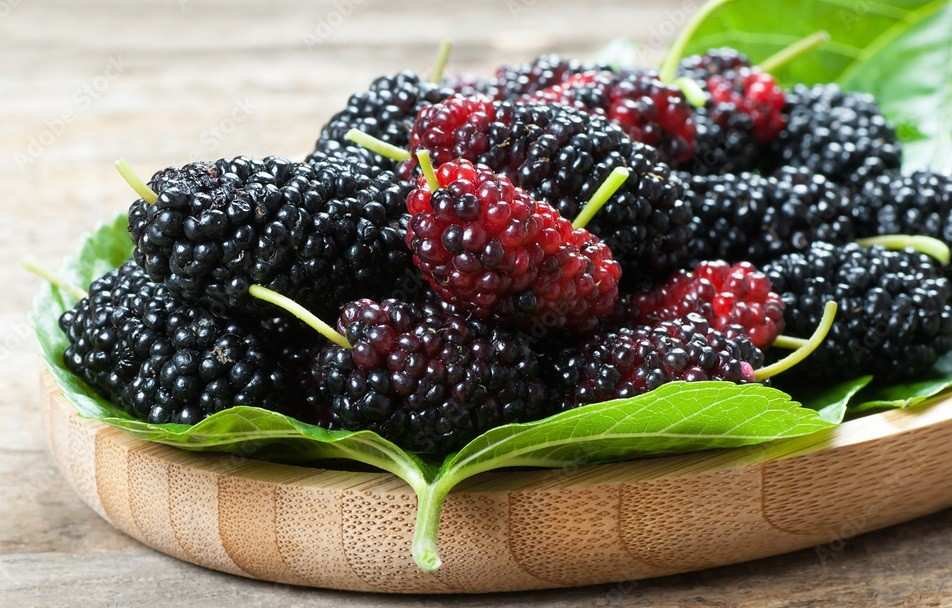
Mulberries may not be as famous as blueberries or strawberries, but these tiny berries are loaded with nutrients and health benefits that make them worthy of superfood status.
Known for their sweet flavor, juicy texture, and vibrant colors, mulberries have been used for centuries in traditional medicine and healthy diets around the world. These berries grow on mulberry trees and come in different varieties, including white, black, and red mulberries.
Rich in antioxidants, vitamins, minerals, and plant compounds, mulberries may help support immunity, digestion, heart health, skin health, and overall wellness.
In this complete guide, you’ll discover everything about mulberries — including nutrition facts, health benefits, side effects, recipes, and why they deserve a place in your diet.
What Are Mulberries?
Mulberries are small edible berries that grow on trees belonging to the Morus genus.
The three most common varieties are:
- White mulberry
- Black mulberry
- Red mulberry
Mulberries are popular for their:
- Sweet-tart taste
- Soft juicy texture
- Rich nutritional value
- Versatility in recipes
Fresh mulberries are delicate and highly perishable, which is why dried mulberries are also very popular.
Nutritional Value of Mulberries
Mulberries are low in calories and rich in important nutrients.
Nutrition Per 100 Grams of Mulberries
| Nutrient | Amount |
|---|---|
| Calories | 43 |
| Carbohydrates | 10 g |
| Fiber | 1.7 g |
| Protein | 1.4 g |
| Fat | 0.4 g |
| Vitamin C | 36 mg |
| Iron | 1.8 mg |
| Potassium | 194 mg |
| Calcium | 39 mg |
Mulberries are especially known for:
- Vitamin C
- Iron
- Antioxidants
- Plant compounds
- Fiber
25 Amazing Health Benefits of Mulberries
1. Rich in Antioxidants
Mulberries contain powerful antioxidants such as:
- Anthocyanins
- Resveratrol
- Vitamin C
- Polyphenols
These compounds help protect cells from oxidative stress and free radical damage.
2. Boosts Immunity
The vitamin C content in mulberries supports the immune system and helps the body fight infections.
Vitamin C also supports:
- Wound healing
- Skin health
- Antioxidant protection
3. Supports Heart Health
Mulberries may help support healthy circulation and cardiovascular wellness because of their antioxidants and fiber.
A healthy diet rich in berries may support:
- Healthy cholesterol
- Blood vessel function
- Heart health
4. Helps Improve Digestion
Fiber in mulberries helps:
- Improve bowel movements
- Support gut health
- Reduce constipation
Fresh and dried mulberries can both support digestion.
5. May Support Healthy Blood Sugar Levels
Some research suggests mulberry compounds may help slow carbohydrate absorption.
However, moderation is important, especially for people with diabetes.
6. Good for Skin Health
Mulberries contain antioxidants and vitamins that may support:
- Healthy skin
- Reduced oxidative damage
- Better collagen support
- Natural glow
Mulberry extracts are also used in skincare products.
7. Supports Healthy Aging
Antioxidants in mulberries may help reduce cellular damage associated with aging.
8. Helps Maintain Healthy Iron Levels
Mulberries contain iron, which supports:
- Red blood cell production
- Oxygen transport
- Energy levels
Iron-rich fruits can help support healthy nutrition.
9. Supports Eye Health
Mulberries contain antioxidants that may help protect eye tissues from oxidative stress.
10. Helps With Weight Management
Mulberries are:
- Low in calories
- Naturally sweet
- Rich in fiber
This makes them a healthier alternative to sugary snacks.
11. Provides Natural Energy
Mulberries contain natural carbohydrates that provide quick energy.
They make a good snack before workouts or during busy days.
12. Supports Brain Health
Antioxidants may help protect brain cells from oxidative stress and support healthy aging.
13. Helps Reduce Inflammation
Plant compounds in mulberries may help reduce inflammation in the body.
14. Supports Healthy Cholesterol
Fiber and antioxidants may help support healthy cholesterol balance when combined with a balanced diet.
15. May Help Hydration
Fresh mulberries contain water and nutrients that help refresh the body.
16. Good for Hair Health
The vitamins and minerals in mulberries may help support healthy hair and scalp function.
17. Supports Healthy Metabolism
Mulberries contain nutrients that help support normal metabolic activity and energy production.
18. Contains Plant-Based Nutrients
Mulberries are rich in beneficial plant compounds that support overall wellness.
19. Helps Reduce Oxidative Stress
Free radicals can damage cells and tissues.
Mulberry antioxidants help combat this oxidative stress.
20. Naturally Sweet and Delicious
Mulberries can satisfy sweet cravings naturally without processed sugar.
21. Supports Bone Health
Mulberries contain minerals like calcium and iron that contribute to overall bone health.
22. May Support Liver Health
Traditional medicine systems have used mulberries to support liver wellness and detoxification.
23. Can Be Enjoyed in Many Ways
Mulberries are versatile and can be used in:
- Smoothies
- Oatmeal
- Yogurt bowls
- Desserts
- Salads
- Tea
24. Good Source of Vitamin C
Vitamin C supports:
- Immunity
- Skin health
- Collagen formation
- Antioxidant defense
25. A Great Alternative to Processed Snacks
Mulberries provide sweetness along with nutrients, unlike processed sugary snacks.
Types of Mulberries
1. White Mulberries
Usually sweeter and lighter in color.
Benefits
- Popular dried snack
- Mild flavor
- Often used in teas
2. Black Mulberries
Known for their deep purple-black color and richer flavor.
Benefits
- Higher antioxidant content
- Sweet-tart taste
- Popular in jams
3. Red Mulberries
Native to North America and slightly tart in flavor.
Mulberries for Weight Loss
Mulberries may help support weight management because they:
- Are low in calories
- Contain fiber
- Help reduce sugar cravings
Best Ways to Eat Mulberries for Weight Loss
- Fresh berries
- Unsweetened smoothies
- Yogurt bowls
- Oatmeal toppings
Avoid heavily sweetened mulberry products.
Dried Mulberries Benefits
Dried mulberries are concentrated in nutrients and natural sweetness.
Benefits
- Convenient snack
- Rich in iron
- Easy to store
- Naturally sweet
However, dried mulberries contain more calories and sugar per serving than fresh berries.
Mulberry Tea Benefits
Mulberry leaf tea is becoming increasingly popular.
Potential Benefits
- Refreshing herbal drink
- Rich in antioxidants
- Naturally caffeine-free
Best Time to Eat Mulberries
Mulberries can be enjoyed:
- At breakfast
- As a snack
- Before workouts
- In smoothies
Morning consumption is especially popular.
Delicious Mulberry Recipes
1. Mulberry Smoothie
Ingredients
- Fresh mulberries
- Banana
- Yogurt
- Ice cubes
Blend until smooth.
2. Mulberry Yogurt Bowl
Top yogurt with:
- Mulberries
- Chia seeds
- Nuts
- Granola
3. Mulberry Oatmeal
Add mulberries to warm oats for natural sweetness.
4. Mulberry Jam
Cook mulberries with lemon juice and natural sweetener.
5. Mulberry Salad
Mix mulberries with:
- Spinach
- Walnuts
- Cheese
- Olive oil dressing
Side Effects of Mulberries
Mulberries are generally safe for most people, but excessive intake may cause issues in some cases.
Possible Side Effects
- Digestive discomfort
- Allergic reactions
- Excess sugar intake from dried berries
- Medication interactions in rare cases
Moderation is important.
Can Diabetics Eat Mulberries?
Many people with diabetes can enjoy mulberries in moderation.
Tips:
- Prefer fresh berries
- Monitor portions
- Avoid sugary syrups or candies
Consult a healthcare professional for personalized advice.
Mulberries vs Other Berries
| Berry | Main Benefit |
|---|---|
| Mulberries | Iron + antioxidants |
| Blueberries | Brain health |
| Strawberries | Vitamin C |
| Blackberries | Fiber |
| Raspberries | Low calories |
Each berry offers unique nutritional advantages.
Mulberries in Traditional Medicine
Mulberries have been used in traditional medicine systems for centuries to support:
- Energy
- Digestion
- Blood health
- Overall wellness
Mulberry leaves are also widely used in herbal remedies.
Why Mulberries Are Becoming Popular Again
Modern nutrition trends are increasing interest in ancient and lesser-known superfoods.
Mulberries are becoming popular because they are:
- Nutrient-rich
- Naturally sweet
- Versatile
- Antioxidant-packed
Health-conscious consumers are increasingly choosing berries over processed snacks.
Conclusion
Mulberries are delicious nutrient-rich berries that offer a wide range of health benefits. Packed with antioxidants, vitamins, minerals, and fiber, they support immunity, heart health, digestion, skin health, and overall wellness.
Whether eaten fresh, dried, blended into smoothies, or brewed into tea, mulberries are a tasty and healthy addition to your diet.
If you’re looking for a naturally sweet superfood with impressive nutrition, mulberries are definitely worth trying.
FAQs About Mulberries
1. Are mulberries healthy?
Yes, mulberries are rich in antioxidants, vitamins, minerals, and fiber.
2. Can I eat mulberries every day?
Moderate daily consumption is generally safe for healthy people.
3. Are dried mulberries healthy?
Yes, but they are more calorie-dense than fresh berries.
4. Do mulberries help weight loss?
Their fiber and low calorie content may support healthy eating habits.
5. Are mulberries good for skin?
Antioxidants and vitamin C may support healthy skin.
6. Can diabetics eat mulberries?
Yes, in moderation and with portion control.
7. What do mulberries taste like?
They taste sweet with slight tartness depending on the variety.
8. Is mulberry tea healthy?
Mulberry tea contains antioxidants and is naturally caffeine-free.
9. Are mulberries high in sugar?
Fresh mulberries contain natural fruit sugars but are relatively low in calories.
10. What is the best way to eat mulberries?
Fresh, dried, in smoothies, yogurt bowls, oatmeal, or salads.
Also read: