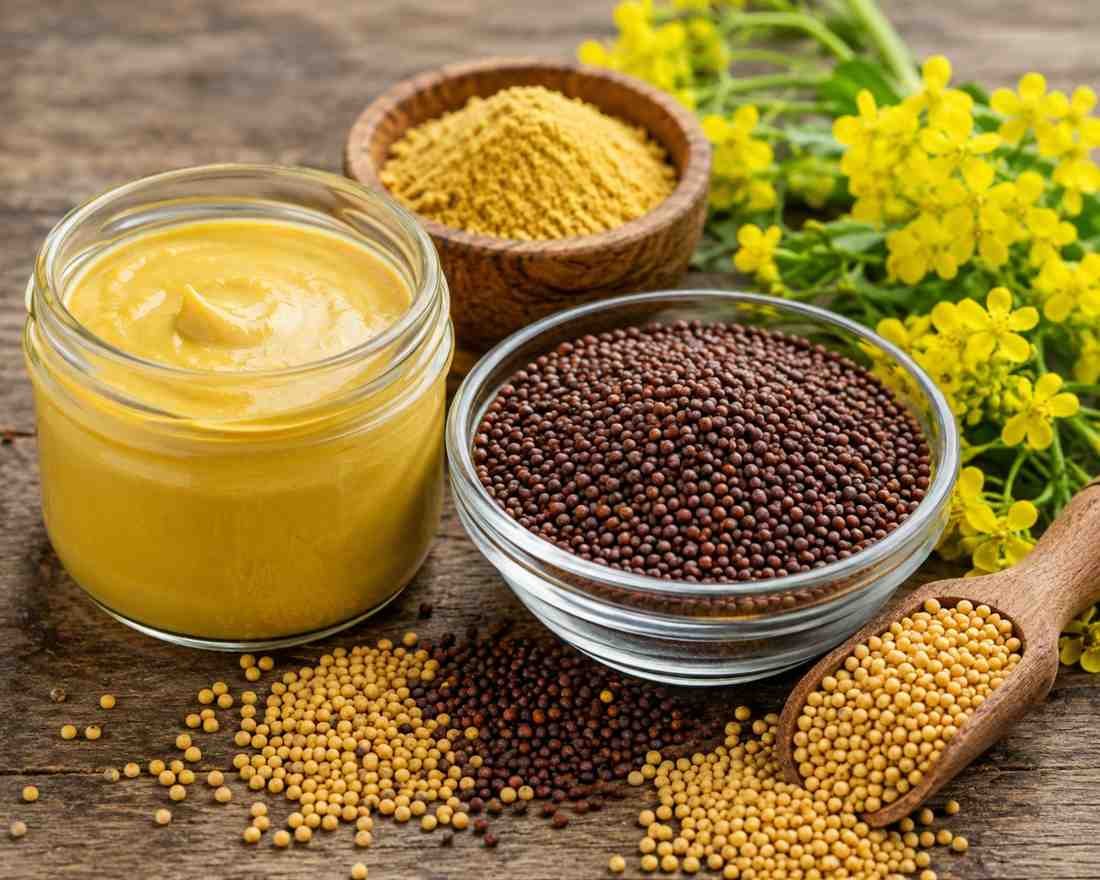
Mustard is one of the oldest and most widely used spices in the world. Known for its sharp aroma, pungent taste, and remarkable versatility, mustard has played an important role in culinary traditions, agriculture, and traditional wellness practices for thousands of years. From tiny this ancient spice seeds used in tempering to creamy this ancient spice sauces served with sandwiches and grilled dishes, this humble spice continues to hold a significant place in kitchens across the globe.
Mustard belongs to the Brassicaceae family, which also includes cabbage, broccoli, cauliflower, and radish. The spice is primarily derived from the seeds of mustard plants. Depending on the variety, mustard seeds may appear yellow, brown, or black, each offering distinct flavors and culinary applications.
Throughout history, this ancient spice has been valued not only for its culinary appeal but also for its preservative qualities and traditional medicinal uses. Ancient civilizations in India, Rome, Egypt, and China used its seeds in cooking, herbal preparations, and trade. Today, this versatile ingredient is available in many forms including whole seeds, powder, oil, prepared sauce, and spice blends.
Modern research continues to explore its antioxidants, minerals, healthy fats, and plant compounds that may support overall wellness. In addition, its cultivation contributes significantly to agriculture and the global spice trade in many countries.
In this complete guide, you will learn everything about this flavorful spice, including its history, varieties, nutritional value, health benefits, culinary uses, cultivation process, side effects, storage methods, and why it remains essential in cuisines worldwide.
History and Origin of Mustard
These seeds has a rich history dating back more than 5,000 years. Archaeological evidence suggests that this seeds were used by ancient civilizations in Asia, Europe, and North Africa. It is believed that seeds originated in parts of the Mediterranean region and South Asia before spreading globally through trade routes.
Ancient Egyptians reportedly placed these seeds in tombs for use in the afterlife. The Romans were among the first to grind the seeds into a paste mixed with grape juice, creating an early version of the popular condiment. In India, the spice became an important ingredient in regional cooking and Ayurvedic traditions.
During the Middle Ages, this spice became one of Europe’s most popular seasonings because it was easy to cultivate and store. French monasteries played a significant role in refining preparation techniques. Eventually, the famous Dijon variety from France gained international recognition for its smooth texture and balanced flavor.
Today, this crop is cultivated in many countries including India, Canada, Nepal, China, Russia, and several European nations. India remains one of the largest producers and consumers of the seeds and its aromatic oil.
Types of Mustard
Yellow Mustard
Yellow mustard seeds are mild in flavor and commonly used in American-style these seeds sauces. They are often used in pickling, sauces, salad dressings, and spice blends.
Brown Mustard
Brown these seeds seeds have a stronger and spicier flavor than yellow mustard. They are widely used in Indian cuisine for tempering curries, dals, and vegetable dishes.
Black Mustard
Black mustard seeds are smaller and more pungent than other varieties. They are popular in South Asian cooking and are often used in spice mixtures and pickles.
White Mustard
White mustard seeds are less common and have a milder taste. They are sometimes used in European cooking and specialty condiments.
Nutritional Value of Mustard
seeds contain several important nutrients and plant compounds. While typically consumed in small amounts, they contribute flavor and nutritional value to meals.
Nutrients Found in Mustard Seeds
- Protein
- Dietary fiber
- Healthy fats
- Calcium
- Magnesium
- Iron
- Potassium
- Phosphorus
- Selenium
- Zinc
- Omega-3 fatty acids
- Antioxidants
Seed also contains glucosinolates and sulfur-containing compounds responsible for its pungent aroma and flavor.
Health Benefits of Mustard
May Support Digestion
seeds are commonly used in traditional cooking practices to support digestion. Their pungent compounds may stimulate saliva production and digestive enzymes.
Rich in Antioxidants

seeds contains antioxidants that help protect the body from oxidative stress caused by free radicals.
May Support Heart Health
seeds contain healthy fats and omega-3 fatty acids that may contribute to cardiovascular wellness when included as part of a balanced diet.
May Support Metabolism
The spicy compounds found in seeds may slightly stimulate metabolism and contribute to overall digestive activity.
Source of Minerals
seeds provides minerals like selenium, magnesium, calcium, and phosphorus that support normal body functions.
May Support Respiratory Wellness
In traditional remedies, seeds preparations were sometimes used to support respiratory comfort during cold weather.
May Support Skin and Hair Care
Mustard oil has long been used in traditional beauty routines for skin massage and hair nourishment.
May Have Antimicrobial Properties
Some compounds found in seeds may help inhibit certain microorganisms, which historically contributed to its use in food preservation.
Culinary Uses of Mustard
Tempering in Indian Cuisine
seeds are commonly heated in oil until they crackle, releasing flavor into curries, dals, chutneys, and vegetable dishes.
Mustard Sauce
Prepared seeds is one of the world’s most popular condiments and is used in sandwiches, burgers, hot dogs, salads, and marinades.
Pickling
seeds are frequently added to pickles because they enhance flavor and may support preservation.
Spice Blends
seeds powder is used in spice mixes, barbecue rubs, curry powders, and seasoning blends.
Salad Dressings
seeds adds tanginess and emulsifying properties to vinaigrettes and creamy dressings.
Marinades
seeds is often mixed with herbs, vinegar, and oils to create flavorful marinades for vegetables and grilled foods.
Baking and Snacks
Some breads, crackers, and snack foods incorporate seeds for added flavor.
Mustard Oil
seeds oil is widely used in parts of India, Bangladesh, and Nepal. It has a strong aroma and distinctive flavor that enhances traditional dishes.
Uses of Mustard Oil
- Cooking and frying
- Pickling
- Massage oil
- Hair care routines
- Traditional wellness practices
Cold-pressed seeds oil is particularly valued for its intense flavor and traditional appeal.
Mustard in Global Cuisine
Indian Cuisine
seeds and oil are essential in many Indian regional cuisines, especially Bengali, South Indian, and Punjabi dishes.
French Cuisine
France is famous for Dijon seeds, which is widely used in sauces, dressings, and gourmet recipes.
American Cuisine
Yellow seeds is a staple condiment for burgers, sandwiches, and hot dogs.
German Cuisine
German seeds vary from sweet to spicy and are often paired with sausages and pretzels.
Asian Cuisine
seeds greens and seeds-based sauces appear in various Chinese, Japanese, and Korean dishes.
Cultivation of Mustard
seeds is a cool-season crop that grows well in temperate climates.
Growing Conditions
- Moderate temperatures
- Well-drained soil
- Adequate sunlight
- Seasonal rainfall or irrigation
Planting Process
Farmers sow seeds directly into prepared fields. The plants grow rapidly and produce yellow flowers before seed pods develop.
Harvesting
Once the seed pods mature and dry, they are harvested and processed to separate the seeds.
Environmental Importance of Mustard Cultivation
seeds cultivation provides several agricultural and environmental benefits.
Supports Crop Rotation
Farmers often use seeds in crop rotation systems to improve soil management.
Pollinator Friendly
seeds flowers attract bees and other pollinators that support biodiversity.
Soil Protection
seeds crops may help reduce soil erosion and improve field coverage.
Economic Importance
seeds farming supports millions of farmers and workers in agricultural economies.
Traditional and Cultural Importance
seeds holds cultural significance in many societies.
- In India, oil is associated with traditional cooking and seasonal rituals.
- Ancient Romans valued seeds for flavor and preservation.
- European cuisines developed regional seeds styles over centuries.
- seeds are sometimes used symbolically in folklore and religious references.
Mustard Powder
powder is made by grinding seeds into a fine powder.
Uses of Mustard Powder
- Dry rubs
- Sauces
- Dressings
- Spice blends
- Snack seasoning
- Marinades
It offers concentrated flavor and blends easily into recipes.
Mustard Greens
The leaves of seeds plants are edible and highly nutritious.
Nutrients in Mustard Greens
- Vitamin A
- Vitamin C
- Vitamin K
- Calcium
- Fiber
- Antioxidants
seeds greens are commonly cooked in curries, stir-fries, soups, and salads.
Storage Tips for Mustard
Proper storage helps preserve seeds flavor and quality.
Whole Mustard Seeds
- Store in airtight containers
- Keep away from moisture and sunlight
- Place in a cool, dry area
Whole seeds can remain flavorful for long periods.
Mustard Powder
Ground seeds should be stored in sealed containers and used within several months for best flavor.
Prepared Mustard
Refrigeration after opening helps maintain freshness and taste.
Side Effects and Precautions
Although seeds is safe for most people when consumed in moderation, excessive intake may cause certain issues.
Possible Side Effects
- Digestive discomfort
- Heartburn
- Allergic reactions in sensitive individuals
- Skin irritation from excessive oil application
Allergy Concerns
seeds allergy is recognized in some regions and may trigger reactions in susceptible individuals.
Moderation is Important
As with many spices, balanced consumption is recommended.
Interesting Facts
- seeds is among the oldest known spices in human history.
- Canada is one of the world’s largest seeds exporters.
- Dijon seeds originated in France.
- seeds flowers are bright yellow and visually striking.
- Tiny seeds expand in flavor dramatically when crushed or cooked.
- seeds belongs to the same plant family as broccoli and cabbage.
Why Mustard Remains Popular Worldwide
seeds continues to thrive because it combines flavor, versatility, affordability, and tradition. It can be spicy, tangy, mild, smoky, or sweet depending on preparation methods and regional styles.
From Indian curries and pickles to French sauces and American sandwiches, seeds adapts beautifully to different cuisines. Its nutritional value and traditional importance further enhance its popularity.
Modern consumers also appreciate seeds for its bold flavor, low-calorie profile, and compatibility with many recipes.
F A Qs
Is seeds a spice or condiment?
seeds can be both. seeds are a spice, while prepared mustard sauce is a condiment.
What are the main types of mustard seeds?
The main types are yellow, brown, black, and white seeds.
Is mustard healthy?
seeds contains minerals, antioxidants, healthy fats, and plant compounds that may support overall wellness when consumed moderately.
What is mustard oil used for?
oil is commonly used in cooking, pickling, massage, and traditional practices.
Which country produces the most mustard?
India, Canada, and several European countries are major seeds producers.
Why do mustard seeds crackle in oil?
Heating releases moisture inside the seeds, causing them to pop and release aroma and flavor.
Can mustard be used in vegetarian cooking?
Yes. seeds is widely used in vegetarian recipes including curries, dressings, sauces, and stir-fries.
How should mustard seeds be stored?
Store them in airtight containers away from heat, moisture, and sunlight.
Conclusion
Mustard is far more than a simple spice or condiment. It represents thousands of years of culinary evolution, agricultural importance, and cultural tradition. Whether used as tiny crackling seeds in Indian tempering, smooth Dijon seeds in French cuisine, or bright yellow sauce in American foods, mustard continues to influence global cooking in countless ways.
Its bold flavor, nutritional value, versatility, and historical significance make seeds one of the world’s most enduring and respected spices. As interest in traditional foods and natural ingredients continues to grow, seeds remains a timeless ingredient valued by chefs, farmers, home cooks, and food enthusiasts around the world.
Also read: