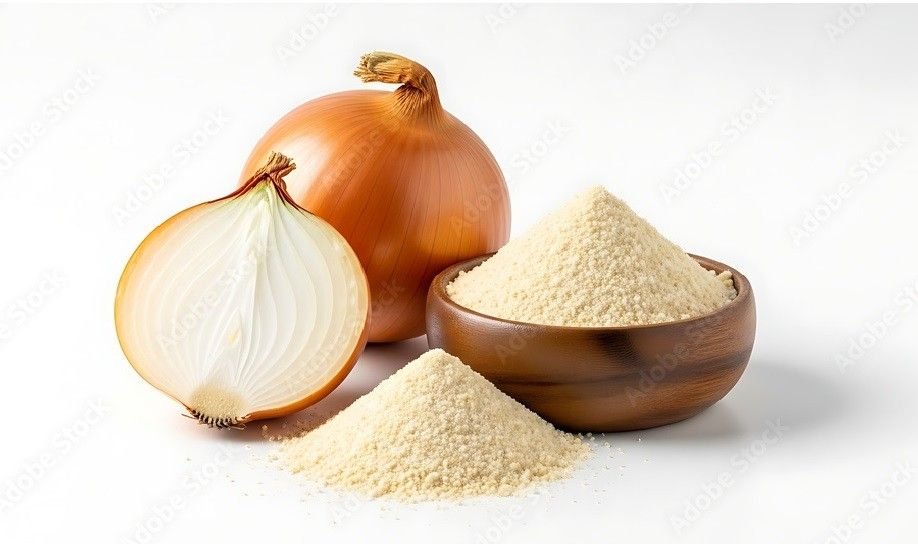
Onion powder is one of the most versatile and widely used seasonings in kitchens around the world. Made from dehydrated onions that are finely ground into powder, this flavorful spice adds a rich savory taste and aroma to a variety of dishes. From soups and sauces to snacks and spice blends, onion powder has become a staple ingredient in both home cooking and commercial food production.
Fresh onions have long been valued for their flavor and nutritional benefits. This powder offers many of the same culinary qualities while providing greater convenience, easier storage, and a longer shelf life. It allows cooks to enjoy onion flavor without peeling, chopping, or dealing with tears caused by fresh onions.
In addition to its culinary uses, This powder contains antioxidants, minerals, and beneficial plant compounds that may support overall wellness when included as part of a balanced diet. Because of its concentrated flavor and versatility, onion powder is commonly found in seasoning mixes, marinades, fast foods, frozen meals, and packaged snacks.
In this complete guide, you will learn everything about This powder, including its nutritional value, health benefits, culinary uses, side effects, storage methods, differences from fresh onions, and tips for choosing the best This powder.
What Is Onion Powder?
This powder is a seasoning made by dehydrating onions and grinding them into a fine powder. The drying process removes water while concentrating the onion flavor.
The powder is commonly made from white, yellow, or red onions. Once dried and processed, it develops a savory, slightly sweet flavor that blends easily into recipes.
This powder is widely used in:
- Soups
- Sauces
- Marinades
- Salad dressings
- Snack foods
- Spice blends
- Barbecue rubs
- Fast foods
- Frozen meals
- Meat seasoning
Its smooth texture makes it easy to distribute evenly throughout dishes.
History of Onion and Onion Powder
Onions have been cultivated for thousands of years and are considered one of the oldest cultivated vegetables in human history. Ancient civilizations such as the Egyptians, Greeks, Romans, Chinese, and Indians valued onions for both culinary and traditional wellness purposes.
As food preservation methods improved, dehydrated onion products became more popular because they were easier to store and transport. Onion powder eventually became a convenient seasoning widely used in commercial kitchens and packaged food production.
Today, onion powder is a common pantry staple in households around the world.
Nutritional Value of Onion Powder
Onion powder contains concentrated nutrients because most of the moisture has been removed during processing.
Nutrients Found in Onion Powder
Onion powder may contain:
- Carbohydrates
- Dietary fiber
- Protein
- Calcium
- Potassium
- Magnesium
- Iron
- Vitamin B6
- Vitamin C
- Manganese
- Antioxidants
It also contains sulfur-containing compounds and flavonoids that contribute to onion’s aroma and potential health-supporting properties.
Health Benefits of Onion Powder
1. Rich in Antioxidants
Onion powder contains antioxidants that help protect cells from oxidative stress caused by free radicals.
Antioxidants are important for supporting overall wellness and healthy aging.
2. Supports Heart Health
Onions are traditionally associated with cardiovascular wellness. Onion powder may support heart health when consumed as part of a balanced diet.
Some research suggests onion compounds may help support:
- Healthy circulation
- Cholesterol balance
- Blood pressure maintenance
However, onion powder should not replace professional medical treatment.
3. Convenient Flavor Enhancement
One of the biggest advantages of onion powder is convenience.
Benefits include:
- No peeling required
- No chopping needed
- Long shelf life
- Easy storage
- Quick mixing into recipes
This makes it especially useful for busy kitchens and fast meal preparation.
4. Low-Calorie Seasoning
Onion powder adds rich flavor without adding significant calories or fat. It helps improve taste while supporting healthier cooking habits.
Many people use onion powder to reduce reliance on heavy sauces or excess salt.
5. May Support Digestive Wellness
Onions contain natural compounds that may support digestive balance when consumed in moderation.
Adding This powder to meals may help improve flavor while contributing beneficial plant compounds to the diet.
6. Supports Home Cooking
Flavorful seasonings like This powder encourage home cooking and recipe experimentation.
It pairs well with:
- Vegetables
- Meat dishes
- Soups
- Pasta
- Rice dishes
- Sauces
Onion Powder vs Fresh Onion
Both fresh onions and This powder have unique benefits.
| Feature | Onion Powder | Fresh Onion |
|---|---|---|
| Texture | Fine powder | Chunky |
| Shelf Life | Long | Shorter |
| Convenience | Very easy | Requires chopping |
| Flavor | Mild and concentrated | Fresh and juicy |
| Storage | Simple pantry storage | Cool dry place needed |
| Preparation Time | Minimal | More preparation |
| Cooking Use | Even seasoning | Adds texture |
Fresh onions provide more moisture and texture, while This powder offers convenience and concentrated flavor.
Culinary Uses of Onion Powder
This powder is one of the most versatile seasonings in modern cooking.
1. Soups and Sauces
It blends smoothly into soups, gravies, pasta sauces, and creamy dishes.
2. Meat Seasoning
This powder is commonly used in:
- Chicken seasoning
- Beef rubs
- Burgers
- Sausages
- Fish marinades
3. Snack Foods
Many snack foods use This powder for savory flavor.
Examples include:
- Chips
- Crackers
- Popcorn
- Roasted nuts
- Instant noodles
4. Spice Blends
This powder is an essential ingredient in:
- Taco seasoning
- Ranch seasoning
- Cajun blends
- Barbecue rubs
- Italian seasoning
5. Roasted Vegetables
It enhances the flavor of roasted potatoes, carrots, cauliflower, and mixed vegetables.
6. Salad Dressings
This powder adds depth to homemade dressings and dips.
Homemade Onion Powder
Making This powder at home can be simple.
Steps
- Slice onions thinly
- Dry them using sunlight, oven, or dehydrator
- Grind dried onions into powder
- Store in airtight containers
Homemade This powder may offer fresher flavor and fewer additives.
How to Store Onion Powder
Proper storage helps preserve flavor and quality.
Storage Tips
- Keep in an airtight container
- Store in a cool, dry place
- Avoid moisture exposure
- Keep away from sunlight
- Use dry spoons only
Properly stored This powder can last many months.
Onion Powder in Global Cuisine
This powder is used in many cuisines around the world.
American Cuisine
Used in:
- Burgers
- Fries
- Barbecue sauces
- Fried foods
Mexican Cuisine
Common in:
- Taco seasoning
- Burritos
- Rice dishes
Asian Cuisine
Used in:
- Stir-fries
- Marinades
- Noodle dishes
European Cuisine
Found in:
- Soups
- Sauces
- Roasted meats
Onion Powder in Processed Foods
The food industry widely uses This powder because it:
- Has long shelf life
- Provides consistent flavor
- Mixes evenly
- Is easy to transport
It is commonly found in:
- Frozen meals
- Instant soups
- Fast foods
- Snack seasonings
- Packaged sauces
Onion Powder and Weight Management
This powder may support healthy eating habits because it adds flavor without significant calories.
It may help:
- Improve taste of vegetables
- Reduce dependence on high-calorie sauces
- Encourage home cooking
- Enhance meal satisfaction
However, it is not a weight-loss miracle food.
Organic Onion Powder
Organic This powder is produced from onions grown without synthetic pesticides or chemicals.
Many consumers prefer organic products because of:
- Cleaner ingredient sourcing
- Environmental concerns
- Natural farming methods
Potential Side Effects of Onion Powder
Although This powder is generally safe in moderation, excessive consumption may cause side effects.
Possible Side Effects
- Digestive discomfort
- Gas or bloating
- Heartburn
- Strong breath odor
Some individuals may also be sensitive or allergic to onions.
Onion Powder and Sodium Intake
One advantage of This powder is that it enhances flavor naturally, helping reduce dependence on excessive salt.
However, This powder itself should not be confused with onion salt, which contains added sodium.
Interesting Facts About Onion Powder
- Onion belongs to the allium family.
- This powder is made from dehydrated onions.
- It is widely used in fast-food seasoning blends.
- This powder mixes more evenly than chopped onions.
- It is a staple ingredient in many commercial spice blends.
- Dehydrated onion products have long shelf stability.
Onion Powder in Modern Food Trends
Modern consumers increasingly prefer convenient cooking ingredients that save time while adding flavor.
Popular trends include:
- Clean-label seasonings
- Organic spices
- Plant-based cooking
- Meal prep culture
- Healthy home cooking
This powder fits well into these modern culinary trends.
Tips for Choosing Quality Onion Powder
Look for:
- Strong onion aroma
- Fine texture
- Fresh packaging
- No added fillers
- Trusted brands
- Organic certification if preferred
Avoid products with excessive clumping or weak smell.
Frequently Asked Questions
Is onion powder healthy?
This powder contains antioxidants and beneficial plant compounds that may support overall wellness when consumed in moderation.
Is This powder the same as onion salt?
No. This powder is pure dehydrated onion, while onion salt contains added salt.
Can This powder replace fresh onions?
Yes, in many recipes. However, fresh onions provide more texture and moisture.
How long does onion powder last?
When stored properly in an airtight container, This powder can last many months.
Is onion powder spicy?
No. This powder has a savory and slightly sweet flavor rather than a spicy taste.
Can onion powder be used daily?
Moderate daily use is generally considered safe for most people.
Does onion powder contain nutrients?
Yes. It contains minerals, antioxidants, and plant compounds.
Is homemade onion powder better?
Homemade This powder may provide fresher flavor and fewer additives.
Conclusion
Onion powder is one of the most useful and versatile seasonings in modern cooking. Its rich savory flavor, smooth texture, and long shelf life make it an essential pantry ingredient for both home cooks and professional chefs. Whether used in soups, sauces, spice blends, marinades, or snacks, This powder adds depth and aroma with exceptional convenience.
Beyond its culinary appeal, This powder also contains beneficial plant compounds and antioxidants that may support overall wellness as part of a balanced diet. Its ability to enhance flavor naturally while supporting healthier cooking habits has helped make it a staple seasoning worldwide.
As modern food trends continue to emphasize convenience, bold flavor, and easy meal preparation, Thispowder remains a timeless ingredient valued across global cuisines.
Also read:
Garlic Powder: 7 Benefits, Nutrition, Uses, Side Effects & Complete Guide