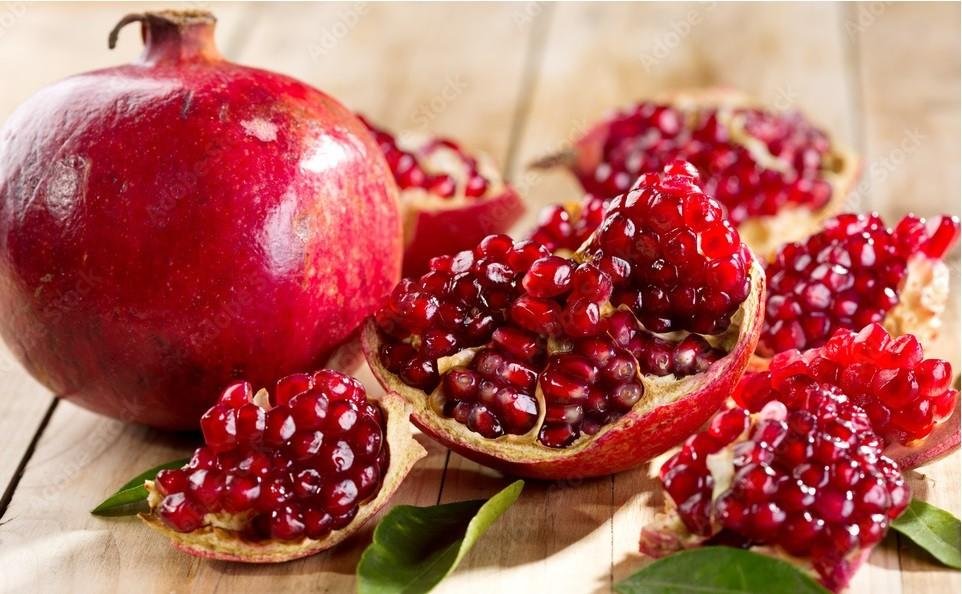
Pomegranate is one of the oldest and healthiest fruits known to humans. With its jewel-like red seeds, refreshing sweet-tart flavor, and impressive nutritional profile, pomegranate has been celebrated for centuries in traditional medicine and modern nutrition alike.
This vibrant fruit is loaded with antioxidants, vitamins, minerals, and plant compounds that may help support heart health, improve digestion, boost immunity, and protect the body from oxidative stress.
Whether enjoyed fresh, blended into juice, sprinkled over salads, or added to smoothies, it is a delicious way to nourish your body naturally.
In this complete guide, you’ll discover everything about it — including nutrition facts, health benefits, side effects, recipes, and tips for adding it to your daily diet.
What Is Pomegranate?
Pomegranate is a fruit that grows on the Punica granatum tree. It has a tough outer skin and contains hundreds of juicy edible seeds called arils.
The fruit is believed to have originated in the Middle East and South Asia but is now enjoyed worldwide.
it is popular because of:
- Its refreshing flavor
- Rich antioxidant content
- Vibrant color
- Nutritional benefits
The edible red arils are the most commonly consumed part of the fruit.
Nutritional Value of Pomegranate
it is rich in vitamins, antioxidants, and fiber while being relatively low in calories.
Nutrition Per 100 Grams of Pomegranate
| Nutrient | Amount |
|---|---|
| Calories | 83 |
| Carbohydrates | 19 g |
| Fiber | 4 g |
| Protein | 1.7 g |
| Fat | 1.2 g |
| Vitamin C | 10 mg |
| Vitamin K | 16 µg |
| Potassium | 236 mg |
| Folate | 38 µg |
it is especially known for its:
- Antioxidants
- Polyphenols
- Fiber
- Vitamin C
- Potassium
25 Amazing Health Benefits of Pomegranate
1. Rich in Powerful Antioxidants
it contains antioxidants like punicalagins and anthocyanins that help protect cells from damage caused by free radicals.
Antioxidants may:
- Reduce oxidative stress
- Support healthy aging
- Protect body cells
it is considered one of the most antioxidant-rich fruits.
2. Supports Heart Health
it may help improve cardiovascular health by supporting healthy blood flow and reducing oxidative stress.
Some studies suggest it may:
- Help maintain healthy cholesterol
- Support blood vessel function
- Promote healthy circulation
3. Boosts Immunity
Vitamin C and antioxidants in it help strengthen the immune system.
Regular consumption may help the body:
- Fight infections
- Reduce inflammation
- Recover faster
4. Supports Healthy Digestion
Pomegranate contains fiber, which supports digestion and gut health.
Fiber may help:
- Prevent constipation
- Improve bowel movements
- Support healthy gut bacteria
5. May Help Reduce Inflammation
Chronic inflammation is linked to many health problems.
The natural plant compounds in pomegranate may help reduce inflammatory activity in the body.
6. Good for Skin Health
Pomegranate contains antioxidants and vitamin C that may support healthy, glowing skin.
Benefits may include:
- Reduced skin damage
- Better hydration
- Improved collagen support
- Slower signs of aging
Pomegranate extracts are also commonly used in skincare products.
7. Supports Healthy Blood Pressure
Potassium and antioxidants may help maintain healthy blood pressure levels.
A healthy diet including fruits like pomegranate may support overall cardiovascular wellness.
8. Helps With Hydration
Fresh pomegranate contains water and electrolytes that can help support hydration.
Pomegranate juice is especially refreshing during warm weather.
9. May Improve Exercise Recovery
Some research suggests antioxidants in pomegranate may help reduce exercise-related muscle soreness and oxidative stress.
Athletes often consume pomegranate juice as part of recovery nutrition.
10. Supports Brain Health
The antioxidants in pomegranate may help protect brain cells from oxidative stress.
Research is ongoing, but it may support:
- Memory
- Cognitive health
- Healthy aging
11. Supports Healthy Weight Management
it is naturally sweet and rich in fiber, helping you feel full longer.
It can be a healthier replacement for sugary desserts and snacks.
12. May Support Healthy Cholesterol
Some studies suggest pomegranate may help support healthy cholesterol balance when combined with a balanced diet.
13. Good for Eye Health
Vitamin C and antioxidants may help protect eye tissues from oxidative damage.
14. Supports Healthy Aging
Free radicals contribute to aging.
The antioxidants in it may help slow cellular damage and support long-term wellness.
15. Helps Improve Energy Levels
Natural fruit sugars provide quick energy without processed ingredients.
it can be a refreshing pre-workout or midday snack.
16. May Support Oral Health
Some research suggests it compounds may help reduce harmful bacteria in the mouth.
Good oral hygiene is still essential.
17. Supports Healthy Pregnancy
Pomegranate contains folate and antioxidants that may support pregnancy nutrition.
Pregnant women should consume fresh, hygienically prepared fruit.
18. Good for Hair Health
Vitamin C and antioxidants may help support scalp circulation and healthy hair.
19. May Support Kidney Health
Hydration and antioxidants may support overall kidney wellness.
However, people with kidney conditions should consult a healthcare professional before consuming large amounts.
20. Helps Reduce Oxidative Stress
Oxidative stress occurs when free radicals damage cells.
Pomegranate’s antioxidant profile helps combat this process.
21. Naturally Refreshing
it has a refreshing sweet-tart flavor that makes it a healthier alternative to sugary beverages and snacks.
22. Supports Healthy Metabolism
Nutrients in it may support the body’s natural energy and metabolic processes.
23. Contains Beneficial Plant Compounds
it contains polyphenols and flavonoids that may support overall wellness.
24. May Help Support Liver Health
Antioxidants may help protect cells, including liver cells, from oxidative damage.
25. Delicious and Versatile
it can be used in:
- Smoothies
- Salads
- Yogurt bowls
- Desserts
- Juices
- Oatmeal
This makes it easy to include in a healthy diet.
Pomegranate for Weight Loss
it can be helpful for weight management because it:
- Contains fiber
- Helps reduce cravings
- Is naturally sweet
- Can replace processed desserts
Best Ways to Eat Pomegranate for Weight Loss
- Add seeds to yogurt
- Blend into smoothies
- Sprinkle over salads
- Eat as a snack
Avoid sugary packaged juices whenever possible.
Pomegranate Juice Benefits
it juice is popular because of its antioxidant content and refreshing flavor.
Potential Benefits
- Supports hydration
- Rich in antioxidants
- Convenient to consume
- May support exercise recovery
Choose fresh or unsweetened juice for the healthiest option.
Pomegranate Seeds Benefits
The edible seeds are rich in:
- Fiber
- Antioxidants
- Vitamins
- Natural plant compounds
The seeds provide texture and important nutrients.
Best Time to Eat Pomegranate
You can enjoy it :
- In the morning
- As a midday snack
- Before workouts
- In smoothies or salads
Many people enjoy it during breakfast for a refreshing start to the day.
How to Choose a Good Pomegranate
Look for:
- Deep red color
- Heavy weight
- Firm outer skin
- No cracks or mold
Heavier fruits usually contain juicier seeds.
How to Store Pomegranate
Whole Fruit
Store in a cool, dry place or refrigerate.
Seeds
Keep refrigerated in an airtight container and consume within a few days.
Delicious Pomegranate Recipes
1. Pomegranate Smoothie
Ingredients
- Pomegranate seeds
- Banana
- Yogurt
- Ice cubes
Blend until smooth.
2. Pomegranate Salad
Add it seeds to:
- Spinach
- Cucumbers
- Nuts
- Feta cheese
Top with lemon dressing.
3. Pomegranate Yogurt Bowl
Mix it with:
- Greek yogurt
- Chia seeds
- Granola
Perfect for breakfast.
4. Pomegranate Juice
Blend fresh arils and strain for homemade juice.
5. Pomegranate Oatmeal
Top warm oats with pomegranate seeds and nuts.
Side Effects of Pomegranate
Pomegranate is generally safe for most people, but excessive intake may cause issues in some cases.
Possible Side Effects
- Digestive discomfort
- Allergic reactions
- Interaction with certain medications
- Excess sugar intake from packaged juice
Moderation is important.
Can Diabetics Eat Pomegranate?
Yes, many diabetics can enjoy pomegranate in moderation.
Tips:
- Eat fresh seeds instead of sugary juice
- Monitor portion sizes
- Pair with protein or fiber-rich foods
Always follow medical advice for blood sugar management.
Pomegranate vs Other Fruits
| Fruit | Main Benefit |
|---|---|
| Pomegranate | Antioxidants |
| Orange | Vitamin C |
| Banana | Potassium |
| Blueberries | Brain health |
| Apple | Fiber |
Each fruit offers unique nutritional benefits.
Pomegranate in Ayurveda
In Ayurveda, pomegranate is considered balancing and nourishing.
It is traditionally used to support:
- Digestion
- Hydration
- Energy
- Overall wellness
Why Pomegranate Is Called a Superfruit
Pomegranate earns its “superfruit” reputation because it is:
- Nutrient-rich
- Antioxidant-packed
- Versatile
- Refreshing
- Naturally sweet
It supports many aspects of health while tasting delicious.
Conclusion
Pomegranate is one of the healthiest fruits you can add to your diet. Packed with antioxidants, vitamins, minerals, and fiber, it supports heart health, immunity, digestion, skin health, and overall wellness.
Its juicy, flavorful seeds make it easy to enjoy in smoothies, salads, yogurt bowls, juices, and healthy snacks.
Whether your goal is better nutrition, healthy aging, hydration, or weight management, pomegranate is a delicious and powerful superfruit worth eating regularly.
FAQs About Pomegranate
1. Is pomegranate good for weight loss?
Yes, its fiber and natural sweetness may help control cravings.
2. Can I eat pomegranate every day?
Yes, moderate daily intake is generally healthy.
3. Is pomegranate juice healthy?
Fresh unsweetened pomegranate juice can be nutritious and antioxidant-rich.
4. Are pomegranate seeds edible?
Yes, the seeds are completely edible and nutritious.
5. Is pomegranate good for skin?
Yes, antioxidants and vitamin C may support healthy skin.
6. Can diabetics eat pomegranate?
Yes, in moderation and with portion control.
7. Does pomegranate help immunity?
Vitamin C and antioxidants may support immune health.
8. How many calories are in pomegranate?
About 83 calories per 100 grams.
9. What is the best time to eat pomegranate?
Morning or as a healthy snack during the day.
10. Is pomegranate a superfood?
Yes, many people consider it a superfruit because of its nutrient and antioxidant content.
Also read :