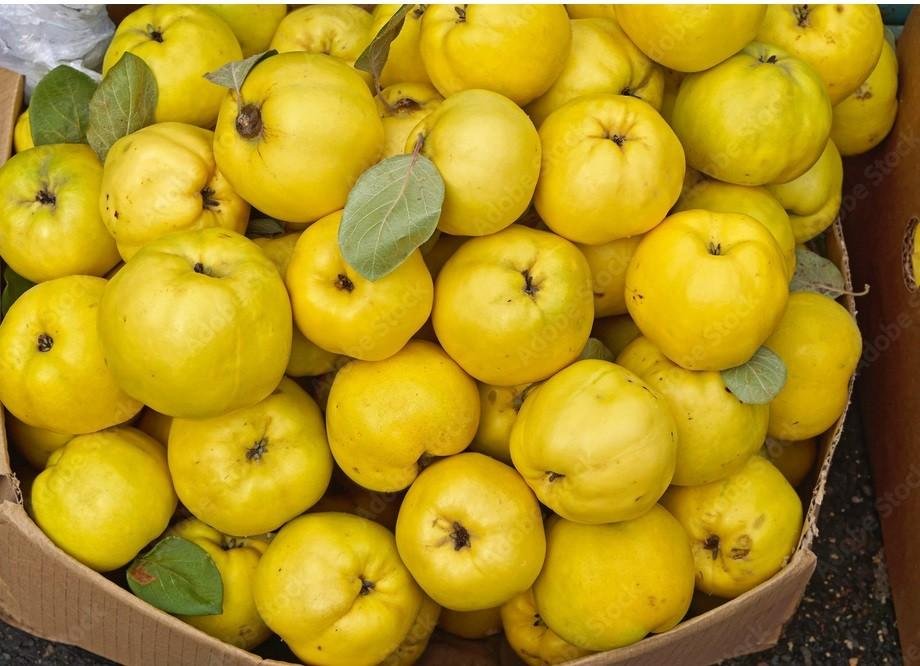
Quinces are one of the oldest cultivated fruits in human history, yet many people today have never tasted one. Known for their bright golden-yellow color, fragrant aroma, and unique tart flavor, quinces are making a comeback in modern kitchens thanks to their impressive health benefits and versatility.
Often compared to apples and pears, These aromatic fruits belong to the same botanical family but offer a much richer aroma and a more intense flavor profile. While they are usually too hard and sour to eat raw, cooked quinces transform into a sweet, floral, and beautifully soft fruit that works wonderfully in desserts, jams, teas, savory dishes, and healthy recipes.
In recent years, interest in traditional superfoods and functional fruits has grown rapidly, and they have become increasingly popular among health-conscious consumers. Packed with fiber, antioxidants, vitamin C, and plant compounds, this ancient fruit supports digestion, immunity, heart health, and overall wellness.
In this complete guide, you will learn everything about These aromatic fruits, including their nutrition, health benefits, culinary uses, side effects, storage tips, and easy recipes you can try at home.
What Are Quinces?
These aromatic fruits are produced by the quince tree, scientifically known as Cydonia oblonga. Native to parts of Western Asia and the Mediterranean region, they have been cultivated for thousands of years.
The fruit resembles a cross between an apple and a pear. It has:
- Golden-yellow skin
- Firm flesh
- Floral fragrance
- Tart flavor when raw
- Soft texture when cooked
Unlike apples or pears, quinces are rarely eaten raw because they are extremely firm and sour. However, cooking transforms them into a delicious sweet fruit with a rosy pink color.
They are commonly used in:
- Jams
- Jellies
- Tea
- Desserts
- Sauces
- Roasted dishes
- Traditional medicine remedies
Nutritional Value of Quinces
They are low in calories but rich in important nutrients.
Nutrition Per 100 Grams of Quince
| Nutrient | Amount |
|---|---|
| Calories | 57 |
| Carbohydrates | 15 g |
| Fiber | 1.9 g |
| Protein | 0.4 g |
| Fat | 0.1 g |
| Vitamin C | 15 mg |
| Potassium | 197 mg |
| Copper | 0.1 mg |
| Iron | 0.7 mg |
it also contain:
- Polyphenols
- Antioxidants
- Tannins
- Organic acids
- Plant compounds beneficial for health
Top Health Benefits of Quinces
1. Rich in Antioxidants

it contain powerful antioxidants that help protect the body from oxidative stress and free radical damage.
Antioxidants may help:
- Slow aging
- Reduce inflammation
- Support heart health
- Protect cells from damage
- Lower chronic disease risk
The polyphenols found in it contribute significantly to their antioxidant properties.
2. Supports Digestive Health
These aromatic fruits are traditionally used to support digestion.
The fiber in it may:
- Improve bowel regularity
- Prevent constipation
- Support gut bacteria
- Promote digestive comfort
Quince tea and cooked they are commonly consumed in many cultures to soothe digestive discomfort.
3. Helps Strengthen Immunity
it contain vitamin C, which plays an important role in supporting the immune system.
Vitamin C helps:
- Support white blood cell function
- Protect against infections
- Improve skin health
- Assist wound healing
Eating vitamin C-rich fruits regularly may help your body stay resilient during seasonal illnesses.
4. May Support Heart Health
The antioxidants and fiber found in These aromatic fruits may help maintain cardiovascular health.
Potential heart benefits include:
- Lower cholesterol levels
- Reduced inflammation
- Improved blood circulation
- Better blood vessel function
Potassium in quinces may also help regulate blood pressure.
5. Can Aid Weight Management
These aromatic fruits are naturally low in calories and fat while containing fiber that promotes fullness.
Including quinces in a balanced diet may:
- Reduce overeating
- Improve satiety
- Support healthy snacking
- Help manage calorie intake
Cooked it can be a healthy alternative to processed desserts.
6. May Reduce Nausea
Traditional remedies often use These aromatic fruits preparations for nausea relief.
Some people consume:
- Quince tea
- Quince syrup
- Cooked quince
to ease stomach discomfort and morning sickness symptoms.
7. Supports Skin Health
The antioxidants and vitamin C in These aromatic fruits may benefit the skin by:
- Supporting collagen production
- Protecting against environmental damage
- Helping maintain skin elasticity
Hydrating fruits rich in antioxidants are often linked to healthier-looking skin.
How Quinces Taste
Raw quinces are:
- Tart
- Sour
- Firm
- Slightly bitter
When cooked, quinces become:
- Sweet
- Floral
- Soft
- Fragrant
Their flavor is often described as a combination of:
- Apple
- Pear
- Citrus
- Honey
- Vanilla
Cooking also changes the flesh color from pale yellow to pinkish-red.
Different Ways to Eat Quinces
1. Quince Jam
Quince jam is one of the most popular ways to enjoy this fruit.
It pairs well with:
- Toast
- Yogurt
- Pancakes
- Cheese boards
2. Baked Quinces
Baking it with cinnamon and honey creates a naturally sweet dessert.
Popular additions include:
- Nuts
- Raisins
- Oats
- Maple syrup
3. Quince Tea
Quince tea is commonly consumed in several cultures.
Benefits may include:
- Soothing the throat
- Supporting digestion
- Providing warmth and hydration
4. Quince Paste
Quince paste, also called membrillo, is popular in Mediterranean cuisine.
It is often served with:
- Cheese
- Crackers
- Bread
5. Roasted Quince
Roasted quinces work well with savory dishes such as:
- Roasted chicken
- Lamb
- Rice dishes
Their sweet-tart flavor adds depth to meals.
Simple Quince Recipes
Honey Cinnamon Quince Recipe
Ingredients
- 2 quinces
- 2 tablespoons honey
- 1 teaspoon cinnamon
- 1 cup water
Instructions
- Peel and slice the quinces.
- Place them in a baking dish.
- Add water, honey, and cinnamon.
- Bake for 40–50 minutes at 180°C.
- Serve warm.
Quince Smoothie
Ingredients
- Cooked quince
- Banana
- Yogurt
- Honey
- Cinnamon
Blend until smooth for a nutritious drink.
Are Quinces Good for Gut Health?
Yes, it may support gut health because they contain:
- Dietary fiber
- Antioxidants
- Natural plant compounds
Fiber helps nourish beneficial gut bacteria and supports regular digestion.
Cooked quince is often easier to digest than raw fruit.
Quinces in Traditional Medicine
Historically, quinces were used in traditional remedies for:
- Digestive issues
- Sore throat
- Nausea
- Respiratory discomfort
Different cultures prepared:
- Quinces syrups
- Herbal teas
- Fruit extracts
- Poultices
Although traditional uses are widespread, modern scientific research is still ongoing.
Quince vs Apple
| Feature | Quince | Apple |
|---|---|---|
| Taste | Tart | Sweet |
| Texture | Hard | Crisp |
| Eaten Raw | Rarely | Commonly |
| Aroma | Floral | Mild |
| Best Use | Cooking | Raw & cooked |
How to Store Quinces
To keep quinces fresh:
- Store at room temperature for short-term use
- Refrigerate for longer storage
- Keep away from delicate fruits because of their strong aroma
Properly stored These aromatic fruits may last several weeks.
Possible Side Effects of Quinces
Quinces are generally safe for most people.
However:
- Eating raw These aromatic fruits may be difficult because of hardness
- Excessive consumption could cause digestive discomfort in sensitive individuals
- Seeds should not be eaten in large amounts
Always consume as part of a balanced diet.
Who Should Eat Quinces?
These aromatic fruits may be beneficial for:
- People seeking high-fiber fruits
- Those wanting antioxidant-rich foods
- Individuals interested in traditional fruits
- Healthy dessert lovers
- Wellness-focused eaters
Best Season for Quinces
These aromatic fruits are typically harvested during:
- Late autumn
- Early winter
Peak availability varies depending on region and climate.
Fun Facts About Quinces
- Quinces are among the oldest known cultivated fruits.
- Ancient Greeks associated quinces with love and fertility.
- The fruit becomes pink when cooked.
- Quince aroma is extremely fragrant.
- Quince paste is famous in Spain and Portugal.
Frequently Asked Questions
Can you eat quinces raw?
Technically yes, but raw These aromatic fruits are very hard and sour. Most people prefer them cooked.
Are quinces healthy?
Yes, quinces contain fiber, antioxidants, and vitamin C that support overall wellness.
Do quinces help digestion?
Their fiber content may support healthy digestion and gut health.
Are quinces good for weight loss?
These aromatic fruits are low in calories and may help promote fullness.
What does quince taste like?
Cooked These aromatic fruits tastes sweet, floral, and slightly similar to apple and pear.
Is quince a superfood?
Many people consider These aromatic fruits a functional fruit because of their nutrient profile and antioxidants.
Conclusion
Quinces are a fascinating ancient fruit packed with flavor, fragrance, and nutrition. Although less common than apples or pears, they offer impressive health benefits and culinary versatility.
From supporting digestion and immunity to adding unique flavor to recipes, These aromatic fruits deserve a place in modern healthy diets. Their sweet floral taste after cooking makes them perfect for jams, desserts, teas, and savory dishes alike.
As interest in natural foods and traditional ingredients continues to grow, These aromatic fruits are becoming a trending fruit once again. Whether you enjoy them baked, roasted, or transformed into jam, quinces are a delicious way to add variety and nutrition to your meals.
Also read:
Honeydew Melon: 8 Benefits, Nutrition & Complete Health Guide