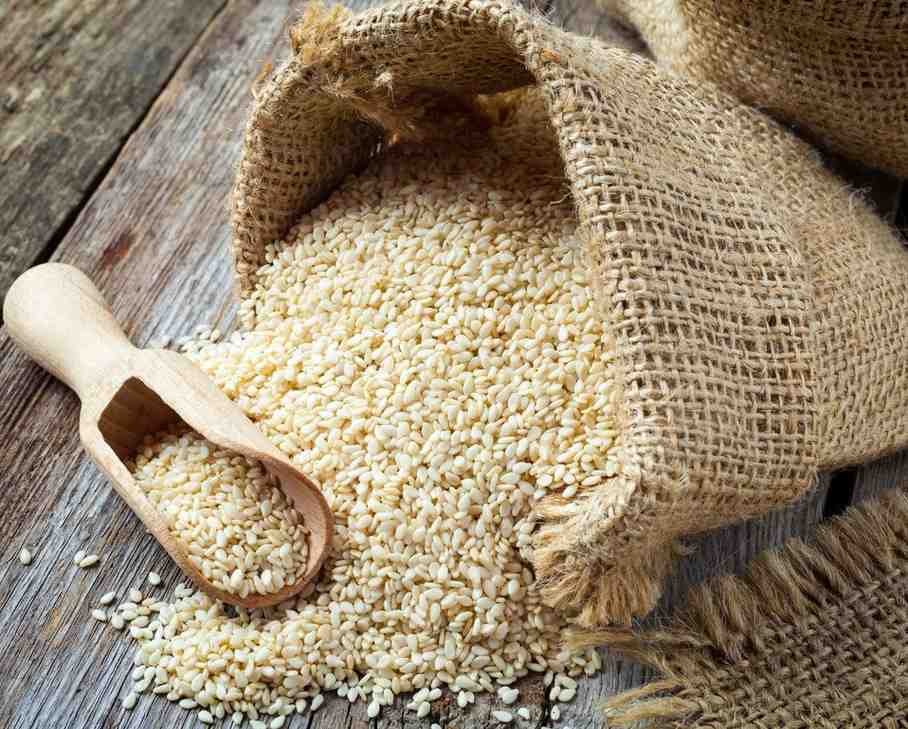
Sesame seeds are among the oldest oilseed crops known to humanity and have been valued for thousands of years for their rich flavor, nutritional content, and versatility. Tiny in size yet packed with nutrients, sesame seeds are widely used in cuisines, traditional wellness practices, baking, oils, and modern health foods around the world.
Scientifically known as Sesamum indicum, seeds are small flat seeds that come in several varieties, including white, black, brown, and golden seeds. They are known for their mild nutty taste and crunchy texture, making them a popular ingredient in both sweet and savory dishes.
seeds are especially valued because they contain healthy fats, plant protein, dietary fiber, antioxidants, vitamins, and essential minerals such as calcium, magnesium, iron, and zinc. These nutrients contribute to the growing popularity of seeds in balanced diets and wellness-focused lifestyles.
From sesame oil and tahini to traditional sweets, breads, salads, and spice blends, seeds continue to play an important role in culinary traditions across Asia, the Middle East, Africa, and many other regions.
In this complete guide, you will learn everything about sesame seeds, including their nutritional value, health benefits, culinary uses, varieties, side effects, storage tips, and frequently asked questions.
What Are Sesame Seeds?
Sesame seeds are tiny edible seeds obtained from the sesame plant. The plant grows best in warm climates and has been cultivated for thousands of years.
The seeds are enclosed in small pods that burst open naturally when mature. Sesame seeds are commonly used whole, roasted, ground into paste, or pressed into oil.
Sesame seeds are known by different names worldwide:
- Til in India
- Gingelly seeds
- Benne seeds
- Simsim in some African regions
- Sesame kernels
These nutrient-rich seeds are widely appreciated in both traditional and modern food cultures.
Types of Sesame Seeds
Sesame seeds are available in several varieties.
1. White Sesame Seeds
White sesame seeds are the most common variety used in baking and cooking.
They have:
- Mild flavor
- Soft texture
- Light color
- Popular use in breads and desserts
2. Black Sesame Seeds
Black seeds have a stronger flavor and aroma.
They are commonly used in:
- Asian cuisine
- Traditional desserts
- Herbal preparations
- Decorative toppings
3. Brown Sesame Seeds
Brown sesame seeds are less processed and have a more earthy flavor.
4. Golden Sesame Seeds
Golden seeds are prized for their rich aroma and are often used in specialty dishes.
Nutritional Value of Sesame Seeds
seeds are highly nutritious despite their small size.
Nutrients Found in Sesame Seeds
seeds may contain:
- Healthy fats
- Plant protein
- Dietary fiber
- Calcium
- Magnesium
- Iron
- Zinc
- Copper
- Selenium
- Phosphorus
- Vitamin B complex
- Antioxidants
seeds also contain beneficial plant compounds such as:
- Sesamin
- Sesamol
- Lignans
- Phytosterols
These compounds contribute to the seeds’ nutritional and wellness value.
Health Benefits of Sesame Seeds
1. Rich in Healthy Fats
seeds contain beneficial unsaturated fats that may support overall wellness when consumed as part of a balanced diet.
Healthy fats are important for:
- Energy production
- Cell function
- Nutrient absorption
- Brain wellness
2. Excellent Source of Calcium
seeds are widely recognized for their calcium content.
Calcium is important for:
- Bone strength
- Teeth health
- Muscle function
- Nerve signaling
Black seeds and unhulled seeds often contain higher mineral content.
3. Supports Heart Wellness
seeds contain healthy fats, antioxidants, and plant compounds that may contribute to cardiovascular wellness.
Potential supportive roles include:
- Supporting healthy cholesterol balance
- Supporting circulation
- Contributing to overall heart wellness
4. Rich in Antioxidants
seeds contain antioxidants that help protect cells from oxidative stress caused by free radicals.
Antioxidants may support:
- Healthy aging
- Cellular wellness
- Skin health
- Overall vitality
5. Supports Digestive Health
The fiber content in seeds may help support healthy digestion.
Dietary fiber may support:
- Regular bowel movement
- Digestive comfort
- Gut wellness
- Healthy appetite balance
6. May Support Skin Health
seeds and sesame oil are commonly used in beauty and skincare routines.
Their nourishing fats and antioxidants may help support:
- Healthy-looking skin
- Moisture retention
- Skin smoothness
- Temporary skin comfort
7. Supports Hair Wellness
Sesame oil has long been used in traditional hair care practices.
It may help support:
- Scalp wellness
- Hair shine
- Hair softness
- Healthy hair appearance
Warm sesame oil massage remains popular in many cultures.
8. May Support Immune Function
seeds contain minerals such as zinc and selenium that may contribute to normal immune function.
A balanced diet rich in minerals is important for overall wellness.
9. Plant-Based Protein Source
seeds provide plant protein, making them useful in vegetarian and vegan diets.
Protein supports:
- Muscle maintenance
- Tissue repair
- Energy balance
- Overall body function
10. May Support Energy Levels
The combination of healthy fats, minerals, and protein may help support steady energy.
seeds are often included in:
- Energy snacks
- Nutrition bars
- Traditional sweets
- Smoothie toppings
Culinary Uses of Sesame Seeds
seeds are extremely versatile in cooking.
In Baking
seeds are commonly used on:
- Bread
- Burger buns
- Crackers
- Cookies
- Cakes
They add crunch and flavor.
In Asian Cuisine
seeds are widely used in:
- Sushi
- Noodles
- Stir-fries
- Rice dishes
- Sauces
Roasted seeds are especially popular.
In Middle Eastern Cuisine
seeds are a key ingredient in:
- Tahini
- Halva
- Flatbreads
- Spice mixtures
In Indian Cuisine
In India,seeds are commonly used in:
- Til laddoo
- Chikki
- Curries
- Spice blends
- Festival sweets
As Toppings
seeds can be sprinkled over:
- Salads
- Yogurt
- Smoothies
- Soups
- Roasted vegetables
Sesame Oil
Sesame oil is extracted from seeds and widely used in cooking and wellness traditions.
Types of Sesame Oil
1. Light Sesame Oil
Used mainly for cooking.
2. Toasted Sesame Oil
Darker and more flavorful, commonly used as a finishing oil.
Uses of Sesame Oil
- Cooking
- Salad dressings
- Stir-fries
- Massage oil
- Hair care
- Skin care
Tahini: Sesame Seed Paste
Tahini is a creamy paste made from ground seeds.
It is commonly used in:
- Hummus
- Dips
- Sauces
- Salad dressings
- Desserts
Tahini is valued for its creamy texture and nutritional richness.
Sesame Seeds in Traditional Wellness Systems
Ayurveda
In Ayurveda, seeds and sesame oil are considered warming and nourishing.
Traditional uses include support for:
- Strength
- Digestion
- Skin wellness
- Seasonal comfort
Sesame oil massage is widely practiced.
Traditional Chinese Practices
seeds have also been used in traditional Chinese food culture.
They are commonly associated with:
- Nourishment
- Warmth
- Vitality
- Hair wellness
Beauty Benefits of Sesame Seeds
1. Skin Moisture Support
Sesame oil is commonly used in moisturizers and natural skincare.
2. Hair Care Uses
Warm sesame oil is traditionally applied to the scalp and hair.
3. Massage Applications
Sesame oil is popular in traditional body massage practices.
Side Effects of Sesame Seeds
seeds are generally safe for most people when consumed in moderation.
Possible Side Effects
- Allergic reactions
- Digestive discomfort
- Bloating when consumed excessively
- Calorie excess if overeaten
Sesame Allergy
Sesame allergy is one of the more common seed allergies in some individuals.
Symptoms may include:
- Rash
- Itching
- Swelling
- Breathing difficulty
People with sesame allergies should avoid sesame products completely.
How to Consume Sesame Seeds
Raw Sesame Seeds
Can be added directly to foods.
Roasted Sesame Seeds
Roasting enhances flavor and aroma.
Ground Sesame Seeds
Can be mixed into smoothies or sauces.
Sesame Oil
Used in cooking and wellness routines.
Tahini
A creamy sesame-based spread and dip ingredient.
Popular Sesame Seed Recipes
1. Sesame Energy Balls
Ingredients:
- Sesame seeds
- Dates
- Nuts
- Honey
Blend and shape into balls.
2. Til Laddoo
Traditional Indian sweet made with seeds and jaggery.
3. Sesame Salad Dressing
Mix sesame oil, lemon juice, garlic, and herbs.
4. Roasted Sesame Rice
Add roasted seeds to cooked rice for extra flavor.
How to Store Sesame Seeds
Proper storage helps maintain freshness and prevent the natural oils from becoming rancid.
Storage Tips
- Store in airtight containers
- Keep away from heat and sunlight
- Refrigerate for longer shelf life
- Avoid moisture exposure
- Use dry spoons
Shelf Life
- Whole seeds: Several months
- Roasted seeds: Slightly shorter shelf life
- Sesame oil: Best stored in cool conditions
How to Choose High-Quality Sesame Seeds
When buying seeds, look for:
- Fresh aroma
- Uniform color
- Clean seeds without debris
- Proper packaging
- Organic options if possible
Avoid stale-smelling or moisture-damaged seeds.
Organic Sesame Seeds vs Regular Sesame Seeds
Organic Sesame Seeds
- Produced without synthetic pesticides
- Often preferred by health-conscious consumers
- Popular in organic food markets
Regular Sesame Seeds
- Widely available
- More affordable
- Common in grocery stores
Both types can be nutritious when sourced from reliable producers.
Sesame Seeds in Modern Food Trends
seeds remain highly popular in modern health foods.
They are commonly found in:
- Protein bars
- Smoothie bowls
- Vegan recipes
- Gluten-free foods
- Plant-based diets
- Functional snacks
Consumers appreciate their nutrition and versatility.
FAQs
1. What are sesame seeds?
seeds are tiny edible seeds obtained from the sesame plant, scientifically known as Sesamum indicum.
2. Are sesame seeds healthy?
Yes, seeds contain healthy fats, plant protein, dietary fiber, antioxidants, vitamins, and important minerals such as calcium and magnesium.
3. What are sesame seeds used for?
seeds are used in cooking, baking, tahini, sesame oil, desserts, salads, spice blends, and wellness foods.
4. What is the difference between black and white sesame seeds?
Black sesame seeds usually have a stronger flavor and slightly higher antioxidant content, while white seeds are milder and commonly used in baking.
5. Can sesame seeds be eaten daily?
Moderate daily consumption is generally considered safe for most healthy individuals.
6. What is sesame oil used for?
Sesame oil is used in cooking, salad dressings, stir-fries, skincare, hair care, and traditional massage practices.
7. Are sesame seeds a good source of calcium?
Yes, seeds are naturally rich in calcium, especially unhulled and black sesame varieties.
8. Can sesame seeds cause allergies?
Yes, some individuals may experience sesame allergies, which can range from mild to severe reactions.
9. How should sesame seeds be stored?
Store seeds in airtight containers in a cool, dry place away from moisture and sunlight.
10. What does tahini contain?
Tahini is a creamy paste made from ground seeds.
Conclusion
Sesame seeds are among the world’s oldest and most respected nutrient-rich foods. Despite their tiny size, they are packed with healthy fats, plant protein, fiber, antioxidants, and essential minerals that contribute to overall wellness and balanced nutrition.
These versatile seeds are widely used in breads, desserts, curries, salads, tahini, sesame oil, and traditional recipes across many cultures. Their nutty flavor, crunchy texture, and impressive nutritional profile make them a valuable addition to modern diets and plant-based lifestyles.
seeds also hold an important place in traditional wellness systems and natural beauty practices, especially through the use of sesame oil for skincare, hair care, and massage.
Although seeds are generally safe for most people when consumed in moderation, individuals with sesame allergies should avoid them completely. Proper storage and responsible consumption help preserve their freshness and nutritional quality.
As global interest in natural foods and healthy eating continues to grow, seeds remain one of the most popular and beneficial seeds enjoyed worldwide.
Also read: