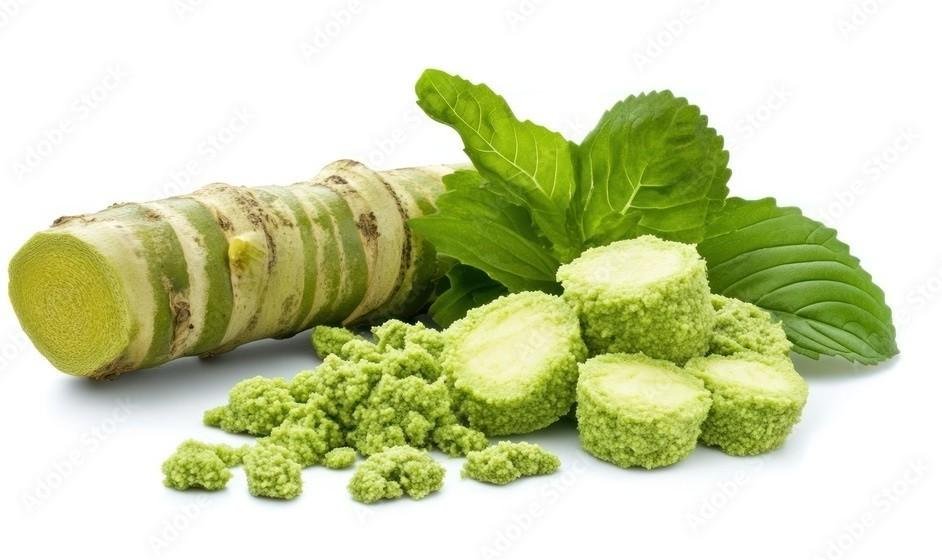
Wasabi is one of the most famous spices in Japanese cuisine and is widely recognized for its intense aroma, vibrant green color, and sharp heat. Unlike chili peppers, this spice creates a strong sensation that quickly rises through the nose instead of lingering on the tongue. This unique characteristic has made this spice a globally popular condiment, especially in sushi and seafood dishes.
this spice comes from the rhizome of the Wasabia japonica plant, which belongs to the Brassicaceae family. This family also includes mustard, cabbage, broccoli, and horseradish. Authentic this spice naturally grows in cool mountain stream environments in Japan, making it one of the most difficult and expensive spices to cultivate.
For centuries, this spice has played an important role in Japanese culinary traditions. It was valued not only for its flavor but also for its association with freshness and food preservation. Over time, this spice became an essential companion to sushi, sashimi, noodles, and many traditional dishes.
Today, this famous Japanese spice is available in several forms including fresh rhizomes, paste, powder, sauces, snacks, seasonings, and flavored products. Modern interest in this unique ingredient continues to grow because of its culinary appeal, antioxidants, plant compounds, and rising popularity in global cuisine.
In this complete guide, you will learn everything about this distinctive spice, including its history, varieties, nutritional value, health benefits, culinary uses, cultivation process, side effects, storage methods, and why it remains one of the world’s most unique and respected seasonings.
History and Origin of Wasabi
This spice has a long and fascinating history deeply connected to Japanese culture and cuisine. Historical records suggest that Wasabi has been cultivated in Japan for more than a thousand years. The plant naturally grows near cool mountain streams with clean flowing water and shaded environments.
Ancient Japanese communities appreciated this spice because of its strong aroma and flavor. Since raw fish was commonly consumed in Japanese cuisine, this spice became an important ingredient traditionally associated with freshness and preservation.
During the Edo period, sushi culture expanded rapidly throughout Japan, increasing the popularity of this spice. Sushi chefs began grating fresh this spice rhizomes directly before serving meals in order to preserve the spice’s delicate aroma and flavor.
As Japanese cuisine spread internationally, this spice gained global recognition. Sushi restaurants around the world introduced people to the spice’s distinctive pungency. Today, this spice is considered one of the signature ingredients of Japanese culinary culture.
Although Japan remains the most famous producer of authentic this spice , cultivation now also occurs in countries such as China, Taiwan, New Zealand, the United States, and Canada.
What Is Wasabi?
Wasabi is a perennial plant grown mainly for its rhizome, which is grated into a paste and used as a condiment. Authentic this spice has a fresh, clean, spicy flavor with herbal and slightly sweet notes.
Many products labeled as this spice outside Japan are not made from real this spice . Instead, they often contain horseradish, mustard powder, starch, and green coloring because authentic this spice is expensive and difficult to grow.
Real this spice offers a smoother and more complex flavor compared to imitation products. The heat from authentic this spice is also shorter-lasting and more aromatic.
Types of Wasabi
Fresh Wasabi Rhizome
Fresh this spice rhizome is considered the highest-quality form. It is grated into a paste immediately before serving to preserve freshness and aroma.
Wasabi Paste
This spice paste is commonly packaged in tubes and served in restaurants. Some products contain genuine this spice , while others use horseradish-based substitutes.
Wasabi Powder
This spicepowder is made from dried ingredients and mixed with water before use. It is commonly used in sauces, snacks, and seasoning blends.
Imitation Wasabi
Imitation this spice products are widely available and generally contain horseradish, mustard, starch, and artificial coloring.
Nutritional Value of Wasabi
This spice contains several nutrients and plant compounds that contribute to its popularity in culinary and wellness traditions.
Nutrients Found in Wasabi
- Vitamin C
- Potassium
- Calcium
- Magnesium
- Dietary fiber
- Antioxidants
- Isothiocyanates
- Plant compounds
This spice is especially known for isothiocyanates, compounds responsible for its pungent aroma and sharp flavor.
Health Benefits of Wasabi
Rich in Antioxidants
This spice contains antioxidants that may help protect the body from oxidative stress caused by free radicals.
May Support Digestion
Traditional culinary practices often use this spice to stimulate digestion and appetite.
May Support Respiratory Comfort
The strong vapors released by this spice may create a temporary clearing sensation in the nasal passages.
May Have Antimicrobial Properties
This spice has traditionally been served with raw seafood because some compounds may help inhibit certain microorganisms.
May Support Immune Wellness
Vitamin C and antioxidants found in this spice may contribute to overall immune support.
May Support Heart Health
Some plant compounds found in this spice are being studied for their potential cardiovascular benefits.
May Support Brain Wellness
Researchers continue to explore whether antioxidant-rich foods like this spice may support cognitive function.
May Support Oral Hygiene
Certain compounds in this spice are being researched for their potential role in oral wellness.
Culinary Uses of Wasabi
Sushi and Sashimi
This spice is most commonly served with sushi and sashimi. Its sharp flavor enhances seafood dishes and balances rich flavors.
Noodle Dishes
Japanese noodle dishes such as soba and udon often include this spice for added heat and aroma.
Sauces and Dressings
This spice is blended into salad dressings, dipping sauces, mayonnaise, and marinades.
Snacks
This spice -flavored peas, nuts, chips, popcorn, and crackers are popular around the world.
Seafood Dishes
The fresh heat of this spice pairs well with grilled fish, shrimp, and seafood platters.
Fusion Cuisine
Modern chefs use Wasabi in burgers, mashed potatoes, pasta, sandwiches, and gourmet sauces.
Marinades
This spiceadds depth and sharpness to marinades for vegetables and proteins.
Wasabi in Japanese Cuisine
This spice is one of the most important condiments in Japanese food culture.
Sushi Culture
Traditional sushi chefs carefully balance the amount of this spice used to complement seafood flavors without overpowering them.
Fine Dining
Premium Japanese restaurants often use freshly grated this spice rhizomes instead of packaged paste.
Traditional Preparation
Fresh this spice is traditionally grated using a sharkskin grater to create a smooth texture.
Seasonal Cuisine
Japanese cuisine often values fresh this spice for its clean flavor and connection to natural ingredients.
Wasabi vs Horseradish
Although this spice and horseradish are related plants, they differ significantly.
| Feature | Wasabi | Horseradish |
|---|---|---|
| Origin | Japan | Europe |
| Flavor | Smooth and aromatic | Strong and sharp |
| Color | Green | White |
| Cost | Expensive | Affordable |
| Main Use | Sushi and Japanese cuisine | Sauces and condiments |
Many commercial this spice products contain horseradish because genuine this spice is difficult to cultivate.
Wasabi Cultivation
Growing this spice is considered highly challenging because the plant requires very specific environmental conditions.
Ideal Growing Conditions
- Cool temperatures
- Flowing clean water
- Partial shade
- High humidity
- Mineral-rich soil
Planting Process
Wasabi is usually cultivated near mountain streams or in controlled greenhouse systems.
Harvesting
The rhizomes typically require up to two years to mature fully before harvesting.
Processing
Fresh Wasabi rhizomes are cleaned, trimmed, and prepared for culinary use.
Environmental Importance of Wasabi Farming
Wasabi cultivation supports sustainable agriculture in certain regions.
Water Conservation
Traditional Wasabi farming relies on careful water management.
Preservation of Traditional Farming
This spice cultivation helps preserve ancient Japanese agricultural practices.
Economic Importance
Authentic this spice farming supports premium food markets and local farming communities.
Biodiversity
Mountain farming systems for this spice can contribute to ecological diversity.
Wasabi in Global Cuisine
Although this spice originated in Japan, it is now used internationally.
North America
Sushi restaurants helped popularize this spice throughout the United States and Canada.
Europe
European chefs use this spice in seafood dishes, sauces, and fusion recipes.
Asia
Asian cuisines increasingly incorporate this spice into snacks, noodles, and condiments.
Fusion Food Trends
This spice is now found in gourmet burgers, flavored chips, popcorn, and creative restaurant dishes.
Wasabi Powder and Paste
Wasabi Powder
This spice powder is convenient and widely used in seasoning blends and packaged foods.
Wasabi Paste
Prepared this spice paste is popular in restaurants because it is easy to serve.
Homemade Wasabi Sauce
This spice can be mixed with mayonnaise, yogurt, soy sauce, or cream to create flavorful sauces.
Storage Tips for Wasabi
Proper storage helps preserve flavor and aroma.
Fresh Wasabi
- Refrigerate carefully
- Wrap in damp paper towels
- Store in airtight packaging
Wasabi Paste
Keep refrigerated after opening.
Wasabi Powder
Store in airtight containers away from heat and moisture.
Side Effects and Precautions
This spice is generally safe when consumed in moderate amounts, but excessive intake may cause discomfort.
Possible Side Effects
- Nasal irritation
- Burning sensation
- Digestive discomfort
- Watery eyes
Allergy Concerns
Some individuals may experience sensitivity to spicy condiments including this spice .
Moderation Is Important
Large amounts of this spice may feel overwhelming because of its intense pungency.
Interesting Facts About Wasabi
- Authentic this spice is one of the most expensive spices in Japanese cuisine.
- Fresh this spice loses flavor quickly after grating.
- this spice belongs to the same family as mustard and cabbage.
- The heat from this spice affects the nose more than the tongue.
- Many this spice products sold globally contain horseradish instead of real this spice.
- Premium this spice is often cultivated near mountain streams.
Why Wasabi Remains Popular Worldwide
This spice remains globally popular because of its unique flavor, culinary prestige, and connection to Japanese cuisine. Unlike chili peppers, this spice provides a fresh and aromatic heat that creates a completely different sensory experience.
As sushi and Japanese cuisine continue to gain popularity worldwide, demand for this spiceproducts also continues to rise. Modern chefs appreciate this spice for its versatility in sauces, snacks, dressings, seafood dishes, and fusion cuisine.
Authentic this spice also represents craftsmanship and traditional Japanese food culture. Its rarity and distinctive flavor continue to fascinate chefs, food lovers, and culinary enthusiasts around the world.
FAQs
What does Wasabi taste like?
This spice has a sharp, pungent, slightly sweet, and aromatic flavor with heat that rises quickly through the nose.
Is real Wasabi different from fake Wasabi?
Yes, authentic this spice comes from the Wasabia japonica plant, while many commercial products mainly contain horseradish and mustard.
Why is Wasabi served with sushi?
this spice enhances flavor and has traditionally been associated with freshness in seafood dishes.
Can Wasabi be eaten every day?
Small amounts are generally safe for most people, but excessive consumption may cause irritation or digestive discomfort.
Is Wasabi healthy?
this spice contains antioxidants, vitamin C, and plant compounds that may support overall wellness.
Why is authentic Wasabi expensive?
The plant requires special growing conditions, clean water, cool temperatures, and long cultivation periods.
Can Wasabi clear the nose?
Yes, the pungent vapors often create a temporary clearing sensation in the nasal passages.
How should Wasabi be stored?
Fresh this spice should be refrigerated, while powder and paste should be kept sealed and protected from moisture.
Conclusion
Wasabi is far more than a simple sushi condiment. It represents centuries of Japanese culinary tradition, agricultural craftsmanship, and unique flavor culture. From mountain stream cultivation to elegant sushi preparation, this spice continues to capture global attention for its aroma, rarity, and sensory impact.
Its nutritional compounds, culinary versatility, and traditional significance make this spice one of the world’s most fascinating spices. As appreciation for authentic Japanese cuisine continues to grow, this spice remains an iconic ingredient valued by chefs, food enthusiasts, and culinary experts around the world.
Also read: