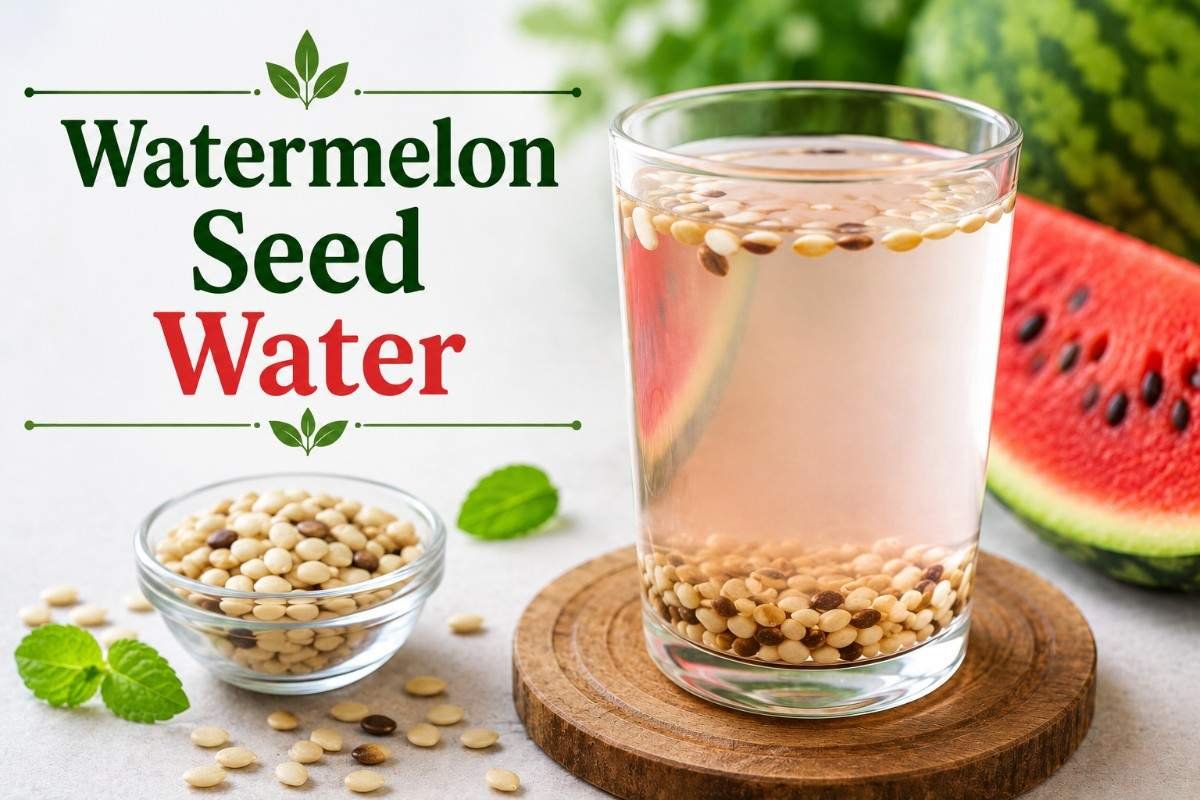
Watermelon Seed Water is becoming a popular wellness beverage among people looking for natural hydration options and plant-based nutrition. Made by soaking watermelon seeds in water or blending them into a refreshing drink, Watermelon Seed Water offers a unique way to utilize a part of the fruit that is often discarded.
Watermelon seeds have been consumed in various cultures for centuries and are known for their nutritional value. These tiny seeds contain protein, healthy fats, minerals, antioxidants, and beneficial plant compounds. While most people focus on the juicy flesh of watermelon, the seeds themselves are nutrient-rich and can contribute to a healthy diet.
The growing popularity of seed-based wellness drinks such as chia seed water, flaxseed water, hemp seed water, pumpkin seed water, and sunflower seed water has increased interest in Watermelon Seed Water. Many health enthusiasts enjoy this drink as part of their daily hydration routine.
In this complete guide, you’ll discover everything you need to know about Watermelon Seed Water, including its nutrition, health benefits, preparation methods, uses, side effects, storage tips, and frequently asked questions.
What Is Watermelon Seed Water?
Watermelon Seed Water is a beverage made by soaking watermelon seeds in water for several hours or overnight. Some recipes involve blending soaked seeds with water to create a richer drink, while others simply consume the infused water.
The drink has a mild flavor and can be enhanced with lemon, mint, cucumber, honey, or other natural ingredients. Watermelon Seed Water is appreciated for its simplicity, affordability, and potential nutritional value.
History of Watermelon Seeds
Watermelon originated in Africa thousands of years ago and gradually spread across Asia, Europe, and the Americas. Throughout history, watermelon seeds were often roasted, eaten as snacks, ground into flour, or used in traditional recipes.
In many cultures, the seeds were valued because they contained nutrients that complemented the fruit itself. Today, growing interest in sustainable eating and minimizing food waste has renewed attention on watermelon seeds and beverages made from them.
Nutritional Profile of Watermelon Seeds
Watermelon seeds contain several important nutrients, including:
- Plant-based protein
- Healthy fats
- Magnesium
- Iron
- Zinc
- Potassium
- Phosphorus
- Copper
- Manganese
- Amino acids
- Antioxidants
- B vitamins
While Watermelon Seed Water contains fewer nutrients than consuming whole seeds, some beneficial compounds may still be present in the infused beverage.
20 Potential Benefits of Watermelon Seed Water
1. Supports Hydration
Watermelon Seed Water contributes to daily fluid intake and helps maintain hydration.
2. Provides Plant-Based Nutrition
The drink contains naturally occurring nutrients associated with watermelon seeds.
3. May Support Heart Health
Watermelon seeds contain minerals and healthy fats that support cardiovascular wellness as part of a balanced diet.
4. Supports Healthy Muscle Function
Magnesium plays a role in muscle contraction and relaxation.
5. May Help Maintain Healthy Blood Pressure
Minerals such as magnesium and potassium contribute to normal blood pressure regulation.
6. Supports Energy Production
The nutrients in watermelon seeds assist with normal energy metabolism.
7. Promotes Bone Health
Minerals such as phosphorus and magnesium contribute to healthy bones.
8. Supports Immune Function
Zinc and other nutrients play important roles in immune system health.
9. Provides Antioxidants
Antioxidants help protect cells from oxidative stress.
10. Supports Healthy Skin
Hydration and antioxidant intake contribute to overall skin wellness.
11. May Promote Hair Health
Minerals and nutrients found in watermelon seeds support healthy hair maintenance.
12. Supports Active Lifestyles
The drink can be included as part of a hydration strategy for physically active individuals.
13. Helps Maintain Electrolyte Balance
Minerals support normal fluid and electrolyte balance.
14. Supports Metabolic Health
Watermelon seed nutrients participate in numerous metabolic processes.
15. May Help Reduce Oxidative Stress
Antioxidants assist in combating free radicals within the body.
16. Supports Nervous System Function
Magnesium and B vitamins contribute to nervous system health.
17. Encourages Healthy Beverage Choices
Replacing sugary drinks with Watermelon Seed Water may support healthier habits.
18. Provides Natural Hydration
It serves as a refreshing alternative to processed beverages.
19. Easy to Prepare
Watermelon Seed Water requires minimal ingredients and preparation.
20. Supports Overall Wellness
When combined with a balanced lifestyle, it can contribute to general wellness goals.
Watermelon Seed Water and Protein
Watermelon seeds naturally contain protein and amino acids. While the water itself contains lower amounts of protein than the seeds, consuming the soaked seeds along with the beverage can provide additional nutritional value.
Plant-based protein sources are especially valued among vegetarians and vegans seeking diverse nutrient sources.
Watermelon Seed Water and Minerals
Watermelon seeds contain several important minerals including:
Magnesium
Supports muscle function, nerve signaling, and energy production.
Zinc
Contributes to immune system health and normal cellular function.
Iron
Helps transport oxygen throughout the body.
Potassium
Supports fluid balance and cardiovascular function.
These minerals contribute to the popularity of watermelon seeds in health-focused diets.
How to Make Watermelon Seed Water
Basic Watermelon Seed Water Recipe
Ingredients
- 2 tablespoons watermelon seeds
- 2 cups filtered water
Instructions
- Wash the watermelon seeds thoroughly.
- Place them in a clean glass jar.
- Add filtered water.
- Cover and soak overnight.
- Strain if desired.
- Serve chilled.
Watermelon Seed Water with Lemon
Ingredients
- Watermelon Seed Water
- Juice of half a lemon
Method
Mix lemon juice into the prepared beverage and serve immediately.
Watermelon Seed Water with Mint
Ingredients
- Watermelon Seed Water
- Fresh mint leaves
Method
Allow mint leaves to infuse for 15–20 minutes before drinking.
Watermelon Seed Water Smoothie
Ingredients
- Watermelon Seed Water
- Banana
- Watermelon chunks
- Ice cubes
Method
Blend all ingredients until smooth and refreshing.
Best Time to Drink Watermelon Seed Water
Many people choose to consume Watermelon Seed Water:
- Early morning
- Before breakfast
- Before workouts
- After exercise
- Between meals
- During hot weather
The best time depends on personal preferences and lifestyle habits.
Watermelon Seed Water and Weight Management
Watermelon Seed Infused Water can be included in a healthy weight-management plan because it serves as a low-calorie beverage option.
Replacing sugar-sweetened drinks with healthier alternatives may help reduce overall calorie intake. However, sustainable weight management depends on overall diet quality, physical activity, sleep, and long-term lifestyle habits.
Watermelon Seed Water for Skin Health
Hydration plays a key role in maintaining healthy-looking skin.
The antioxidants and nutrients associated with watermelon seeds may complement a healthy skincare routine when combined with balanced nutrition and adequate hydration.
Watermelon Seed Water for Fitness Enthusiasts
Athletes and active individuals often prioritize hydration and nutrient intake.
Watermelon Seed Infused Water can be enjoyed before or after workouts as part of a hydration strategy. Consuming the soaked seeds alongside the drink may provide additional nutrients that support recovery.
Potential Side Effects of Watermelon Seed Water
Watermelon Seed Infused Water is generally considered safe for most healthy individuals.
Possible side effects may include:
- Mild digestive discomfort
- Bloating
- Gas
- Stomach upset
- Allergic reactions in sensitive individuals
People with seed allergies should exercise caution and consult a healthcare professional if necessary.
Storage Tips
For maximum freshness:
- Store in a sealed container.
- Refrigerate immediately.
- Consume within 24–48 hours.
- Avoid leaving the beverage at room temperature for extended periods.
Freshly prepared Watermelon Seed Infused Water usually provides the best taste and quality.
Who Can Drink Watermelon Seed Water?
Watermelon Seed Infused Water may be suitable for:
- Adults seeking healthy hydration options
- Fitness enthusiasts
- Individuals interested in plant-based nutrition
- People reducing sugary drink consumption
- Wellness-focused individuals
FAQs
What is Watermelon Seed Water?
Watermelon Seed Water is a beverage made by soaking watermelon seeds in water or blending them with water. It provides a refreshing way to enjoy some of the nutritional qualities associated with watermelon seeds.
What are the benefits of Watermelon Seed Water?
Watermelon Seed Infused Water may support hydration, provide antioxidants, contribute to mineral intake, and serve as a healthy alternative to sugary beverages.
Can Watermelon Seed Water help with weight loss?
Watermelon Seed Infused Water is not a weight-loss solution by itself. However, it can be included in a healthy lifestyle and may help replace high-calorie beverages.
Is Watermelon Seed Water safe to drink daily?
Most healthy adults can enjoy Watermelon Seed Infused Water in moderation. Individuals with allergies or health concerns should seek professional advice.
How long should watermelon seeds be soaked?
Most recipes recommend soaking watermelon seeds for approximately 8–12 hours or overnight.
Can I eat the soaked watermelon seeds?
Yes. The soaked seeds remain nutritious and provide protein, healthy fats, vitamins, and minerals.
Does Watermelon Seed Water contain protein?
The water itself contains less protein than whole watermelon seeds. Eating the soaked seeds provides significantly more protein.
Can children drink Watermelon Seed Water?
Generally, children can enjoy Watermelon Seed Infused Water as part of a balanced diet, provided there are no allergies.
Does Watermelon Seed Water contain antioxidants?
Yes. Watermelon seeds contain naturally occurring antioxidants and plant compounds that contribute to their nutritional value.
How should Watermelon Seed Water be stored?
Store Watermelon Seed Infused Water in the refrigerator and consume it within 24–48 hours for the best freshness and quality.
Conclusion
Watermelon Seed Water is a refreshing wellness beverage that combines hydration with some of the nutritional benefits associated with watermelon seeds. Rich in minerals, antioxidants, healthy fats, and plant compounds, watermelon seeds have long been valued as a nutritious food source.
Although consuming whole watermelon seeds provides greater nutritional benefits, Watermelon Seed Infused Water offers a convenient and enjoyable way to incorporate seed-based nutrition into a daily routine. Whether enjoyed plain, infused with lemon, or blended into smoothies, it can be a healthy addition to a balanced lifestyle.
When combined with nutritious eating habits, regular exercise, adequate sleep, and proper hydration, Watermelon Seed Infused Water can become a refreshing part of an overall wellness strategy.
Also read:
Sunflower Seed Water: Benefits, Nutrition, Recipe, Uses & Side Effects