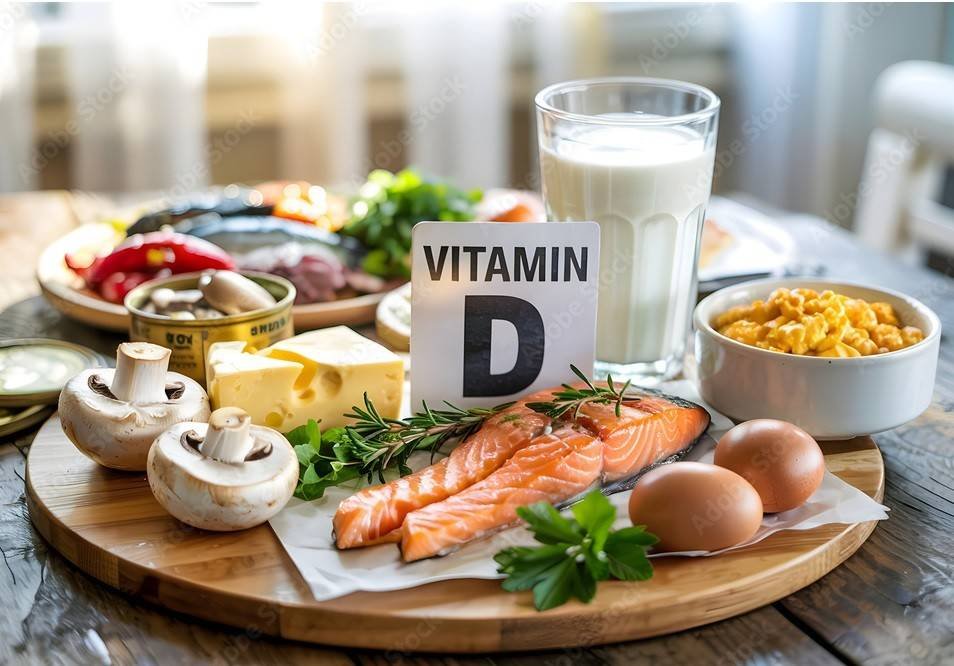
Vitamin D is one of the most important nutrients your body needs for strong bones, healthy muscles, immune support, and overall wellness. Often called the “sunshine vitamin,” vitamin D is unique because your body can produce it naturally when your skin is exposed to sunlight.
Despite this, vitamin D deficiency has become extremely common worldwide. Modern indoor lifestyles, limited sun exposure, pollution, and poor diets contribute to low vitamin D levels in millions of people.
Vitamin D affects far more than bone health. Research shows it also plays a role in immunity, mood, muscle strength, heart health, and healthy aging.
In this complete guide, you’ll learn everything about vitamin D, including its benefits, deficiency symptoms, food sources, supplements, dosage recommendations, side effects, and more.
What Is Vitamin D?
Vitamin D is a fat-soluble vitamin that helps the body absorb calcium and phosphorus, two minerals essential for healthy bones and teeth.
Unlike most vitamins, vitamin D functions more like a hormone in the body.
Your body can obtain vitamin D from:
- Sunlight exposure
- Foods
- Supplements
Vitamin D supports:
- Bone strength
- Immune function
- Muscle health
- Nervous system function
- Overall wellness
Types of Vitamin D
There are two major forms of vitamin D.
1. Vitamin D2 (Ergocalciferol)
Vitamin D2 comes mainly from plant sources and fortified foods.
Sources Include
- Mushrooms exposed to sunlight
- Fortified cereals
- Fortified plant milk
2. Vitamin D3 (Cholecalciferol)
Vitamin D3 is the form naturally produced by the skin after sun exposure.
Sources Include
- Sunlight
- Fatty fish
- Egg yolks
- Fish liver oils
Vitamin D3 is often considered more effective at raising vitamin D levels.
Why Vitamin D Is Important
Vitamin D affects many systems throughout the body.
Without enough vitamin D:
- Bones may weaken
- Muscles can become weak
- Immunity may decline
- Fatigue may increase
Long-term deficiency can lead to serious health problems.
Top Health Benefits of Vitamin D
1. Supports Strong Bones and Teeth
Vitamin D helps the body absorb calcium properly.
Without enough vitamin D, calcium absorption decreases, increasing the risk of weak bones.
Bone Health Benefits
- Improves bone strength
- Supports healthy teeth
- Reduces fracture risk
- Helps prevent osteoporosis
Vitamin D is especially important for children, older adults, and postmenopausal women.
2. Boosts Immune System Function
Vitamin D helps regulate immune responses and supports the body’s natural defense system.
Immune Benefits
- Supports white blood cells
- Helps fight infections
- Supports respiratory health
- May reduce inflammation
Low vitamin D levels are often linked with weakened immunity.
3. Supports Muscle Function
Vitamin D helps muscles work efficiently.
Low levels may contribute to:
- Muscle weakness
- Poor balance
- Increased fall risk
Athletes and older adults often pay close attention to vitamin D status.
4. May Support Mood and Mental Health
Research suggests vitamin D may play a role in mood regulation.
Low levels have been associated with:
- Low mood
- Fatigue
- Seasonal mood changes
Sunlight exposure itself may also positively affect emotional well-being.
5. Supports Heart Health
Vitamin D may contribute to cardiovascular health by supporting:
- Healthy blood pressure
- Blood vessel function
- Reduced inflammation
Research is ongoing, but healthy vitamin D levels appear important for overall wellness.
6. Helps Maintain Healthy Aging
Vitamin D supports:
- Bone preservation
- Muscle function
- Immune protection
This makes it especially important as people age.
7. Supports Healthy Pregnancy
Vitamin D is important during pregnancy for:
- Fetal bone development
- Immune support
- Maternal health
Pregnant women are often advised to monitor vitamin D intake carefully.
8. May Support Brain Function
Vitamin D receptors are found in the brain, suggesting it may influence neurological health.
Some studies are exploring vitamin D’s role in:
- Cognitive support
- Healthy aging
- Mental wellness
Signs and Symptoms of Vitamin D Deficiency
Vitamin D deficiency is common and symptoms may develop slowly.
Common Symptoms
- Fatigue
- Bone pain
- Muscle weakness
- Frequent illness
- Low mood
- Hair thinning
- Back pain
- Slow recovery
- Weak bones
Some people have low vitamin D without obvious symptoms.
Causes of Vitamin D Deficiency
1. Limited Sun Exposure
Spending most time indoors reduces natural vitamin D production.
2. Darker Skin Tone
Higher melanin levels may reduce vitamin D production from sunlight.
3. Aging
Older adults often produce less vitamin D through the skin.
4. Poor Diet
Few foods naturally contain large amounts of vitamin D.
5. Obesity
Vitamin D can become stored in body fat, reducing its availability.
6. Digestive Disorders
Conditions affecting fat absorption may lower vitamin D absorption.
Examples include:
- Crohn’s disease
- Celiac disease
- Liver disease
Best Natural Sources of Vitamin D
Sunlight
Sun exposure is one of the best natural sources of vitamin D.
Tips for Healthy Sun Exposure
- Morning sunlight is often preferred
- Short regular exposure may help
- Excessive sun exposure should be avoided
Foods Rich in Vitamin D
| Food | Vitamin D Content |
|---|---|
| Salmon | High |
| Sardines | High |
| Tuna | Moderate |
| Egg yolks | Moderate |
| Mushrooms | Moderate |
| Fortified milk | Moderate |
Fortified Foods
Many foods are fortified with vitamin D.
Examples include:
- Milk
- Plant-based milk
- Breakfast cereals
- Yogurt
Recommended Daily Intake of Vitamin D
| Age Group | Recommended Intake |
|---|---|
| Adults | 600–800 IU |
| Older Adults | Often higher needs |
| Pregnant Women | 600 IU |
| Children | Varies by age |
Individual needs may vary depending on health conditions and blood levels.
Vitamin D Supplements
Vitamin D supplements are among the most popular supplements worldwide.
Common Types
- Vitamin D2
- Vitamin D3
Vitamin D3 is commonly preferred because it may raise blood levels more effectively.
Who May Need Vitamin D Supplements?
Supplements may help:
- People with low sun exposure
- Older adults
- Individuals with deficiency
- People with darker skin
- Vegans with limited dietary intake
Blood testing can help determine deficiency levels.
Best Time to Take Vitamin D
Vitamin D is fat-soluble, so it absorbs better with meals containing fat.
Many people take it:
- With breakfast
- With lunch
- Alongside healthy fats
Vitamin D and Calcium
Vitamin D and calcium work together closely.
Vitamin D helps the body absorb calcium efficiently.
Without enough vitamin D:
- Calcium absorption decreases
- Bone health suffers
Many supplements combine calcium with vitamin D.
Vitamin D and Immunity
Vitamin D supports immune system balance and healthy inflammatory responses.
Some research suggests adequate vitamin D may support respiratory health during seasonal illnesses.
Vitamin D and Bone Health
Vitamin D deficiency can lead to:
- Osteoporosis
- Bone weakness
- Fracture risk
In children, severe deficiency may cause rickets, a condition affecting bone development.
Vitamin D and Muscle Strength
Healthy vitamin D levels help maintain muscle performance.
Benefits may include:
- Better balance
- Improved mobility
- Reduced fall risk in older adults
Can You Take Too Much Vitamin D?
Excessive supplementation can cause vitamin D toxicity.
Too much vitamin D may lead to high calcium levels in the blood.
Symptoms of Toxicity
- Nausea
- Vomiting
- Weakness
- Kidney problems
- Confusion
Vitamin D toxicity usually results from excessive supplement use, not sunlight exposure.
Vitamin D Side Effects
Vitamin D is generally safe when taken appropriately.
Possible side effects of excessive intake include:
- Digestive discomfort
- Elevated calcium levels
- Kidney stone risk
Always follow dosage guidance.
Vitamin D for Children
Children need vitamin D for:
- Bone growth
- Healthy development
- Strong teeth
Pediatric vitamin D supplementation is common in some countries.
Vitamin D for Older Adults
Older adults are at higher risk of deficiency due to:
- Reduced sun exposure
- Lower skin production
- Reduced dietary intake
Maintaining healthy levels supports mobility and bone health.
Natural Ways to Improve Vitamin D Levels
1. Get Safe Sun Exposure
Regular sunlight helps the body produce vitamin D naturally.
2. Eat Fatty Fish
Salmon and sardines are excellent sources.
3. Include Fortified Foods
Fortified milk and cereals can help.
4. Consider Supplements if Needed
Especially during low-sunlight periods.
Vitamin D Myths
Myth 1: Sunlight Alone Is Always Enough
Lifestyle and climate can affect vitamin D production.
Myth 2: More Vitamin D Is Better
Excessive intake may be harmful.
Myth 3: Only Bones Need Vitamin D
Vitamin D affects many body systems.
Future Research on Vitamin D
Scientists continue studying vitamin D for its role in:
- Immunity
- Healthy aging
- Mental health
- Muscle function
- Chronic disease prevention
Interest in vitamin D research remains extremely high worldwide.
FAQs
What does vitamin D do?
Vitamin D supports bone health, immunity, muscle function, and calcium absorption.
What are symptoms of low vitamin D?
Fatigue, muscle weakness, bone pain, and frequent illness are common signs.
Which foods contain vitamin D?
Fatty fish, egg yolks, mushrooms, and fortified foods are good sources.
Is sunlight the best source of vitamin D?
Sunlight is one of the most effective natural sources.
Can vitamin D improve immunity?
It supports healthy immune system function.
Is vitamin D good for bones?
Yes. It helps absorb calcium and maintain strong bones.
Can too much vitamin D be harmful?
Excessive supplementation may cause toxicity.
What is the best form of vitamin D?
Vitamin D3 is commonly considered more effective.
Should everyone take vitamin D supplements?
Not always. Needs vary by lifestyle and health status.
Is vitamin D important during pregnancy?
Yes. It supports maternal and fetal health.
Final Thoughts
Vitamin D is one of the most essential nutrients for maintaining strong bones, healthy muscles, immune protection, and overall wellness. Despite being called the sunshine vitamin, deficiency remains extremely common due to modern lifestyles and limited sun exposure.
Fortunately, healthy vitamin D levels can often be maintained through a combination of sunlight, nutritious foods, and supplements when necessary.
Whether supporting bone strength, immunity, or healthy aging, vitamin D continues to play a vital role in long-term health and quality of life.
Also read :
Vitamin C: 8 Benefits, Foods, Deficiency Symptoms & Daily Dosage Guide