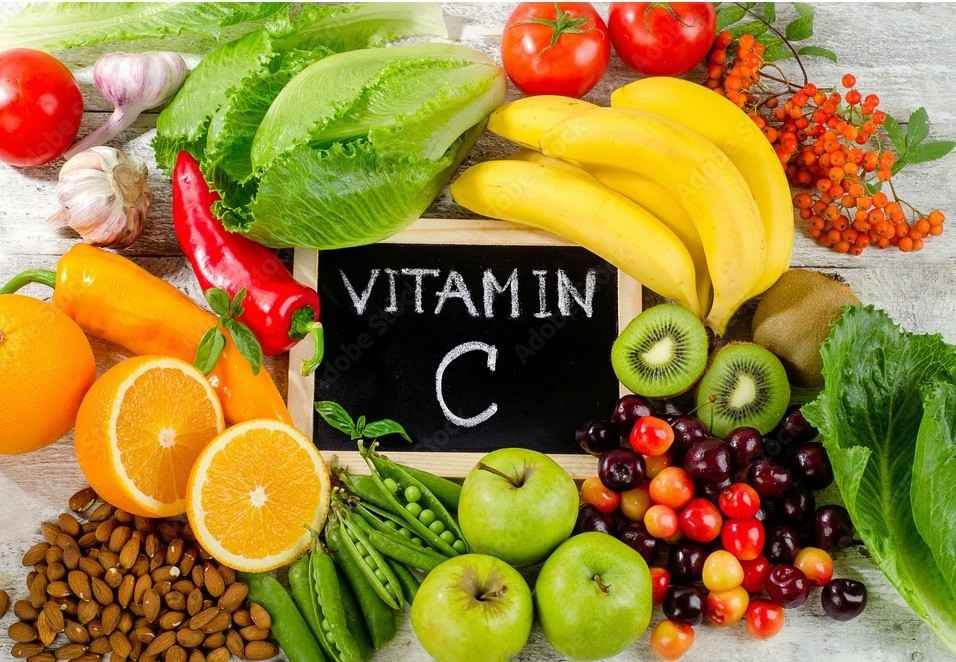
Vitamin C is one of the most popular and essential vitamins in the world. Known for its immune-boosting properties and antioxidant power, vitamin C plays a major role in maintaining healthy skin, strong immunity, collagen production, and overall wellness.
From oranges and lemons to strawberries and bell peppers, vitamin C is naturally found in many delicious fruits and vegetables. Despite its availability, many people still do not consume enough vitamin C daily.
This water-soluble vitamin supports countless body functions, including wound healing, iron absorption, and protection against oxidative stress. It is also one of the most widely used ingredients in skincare and dietary supplements.
In this complete guide, you’ll learn everything about vitamin C, including its health benefits, food sources, deficiency symptoms, daily dosage, supplements, side effects, and more.
What Is Vitamin C?
Vitamin C, also called ascorbic acid, is a water-soluble vitamin that the human body cannot produce on its own.
Because the body does not store large amounts of vitamin C, regular intake through food or supplements is important.
Vitamin C helps:
- Support the immune system
- Produce collagen
- Protect cells from oxidative stress
- Improve iron absorption
- Promote skin health
- Support wound healing
It is considered one of the most important antioxidants in human nutrition.
Why Vitamin C Is Important
Vitamin C is involved in many vital processes throughout the body.
Without enough vitamin C:
- Immunity may weaken
- Skin health may decline
- Wound healing slows down
- Fatigue may increase
- Iron absorption decreases
Long-term deficiency can lead to serious health problems.
Top Health Benefits of Vitamin C
1. Boosts Immune System Function
Vitamin C is best known for supporting immunity.
It helps strengthen the body’s natural defenses by supporting the production and function of white blood cells.
Immune Benefits
- Helps fight infections
- Supports immune cell activity
- Protects against oxidative stress
- May reduce illness duration
Many people increase vitamin C intake during cold and flu season.
2. Powerful Antioxidant Protection
Vitamin C acts as a strong antioxidant that helps protect cells from free radical damage.
Free radicals are unstable molecules linked to:
- Aging
- Pollution
- Stress
- Chronic diseases
Antioxidants help neutralize these harmful molecules and protect overall health.
3. Supports Healthy Skin
Vitamin C is essential for collagen production, a protein that keeps skin firm and healthy.
Skin Benefits
- Supports collagen formation
- Helps reduce wrinkles
- Improves skin texture
- Supports wound healing
- Brightens skin appearance
Vitamin C serums have become one of the most popular skincare products worldwide.
4. Improves Iron Absorption
Vitamin C helps the body absorb non-heme iron found in plant foods.
This is especially important for:
- Vegetarians
- Vegans
- People with low iron levels
Combining vitamin C-rich foods with iron-rich meals may improve iron absorption significantly.
5. Supports Heart Health
Vitamin C may support cardiovascular wellness by helping protect blood vessels and reducing oxidative stress.
Potential benefits include:
- Supporting healthy blood pressure
- Improving blood vessel function
- Reducing inflammation
- Protecting cholesterol from oxidation
6. Helps With Wound Healing
Vitamin C supports tissue repair and collagen production, making it important for wound healing.
Low vitamin C levels may slow recovery after injuries or surgeries.
7. May Support Brain Function
Vitamin C is concentrated in the brain and may help protect nerve cells from oxidative stress.
Some research suggests vitamin C may support:
- Memory
- Focus
- Mental clarity
- Healthy aging
8. May Help Reduce Fatigue
Vitamin C deficiency can contribute to low energy and tiredness.
Restoring healthy levels may improve:
- Energy
- Alertness
- Physical performance
Signs and Symptoms of Vitamin C Deficiency
Vitamin C deficiency can develop gradually over time.
Common Symptoms
- Fatigue
- Weakness
- Frequent infections
- Dry skin
- Bleeding gums
- Slow wound healing
- Joint pain
- Easy bruising
- Nosebleeds
- Rough skin texture
Severe deficiency may lead to scurvy, a serious condition caused by long-term lack of vitamin C.
What Is Scurvy?
Scurvy is a disease caused by severe vitamin C deficiency.
Historically, it was common among sailors with limited access to fresh fruits and vegetables.
Symptoms of Scurvy
- Severe fatigue
- Gum disease
- Tooth loss
- Joint pain
- Skin problems
- Poor healing
Fortunately, scurvy is rare today in many countries.
Best Food Sources of Vitamin C
Many fruits and vegetables are naturally rich in vitamin C.
Fruits High in Vitamin C
| Fruit | Vitamin C Content |
|---|---|
| Guava | Extremely High |
| Kiwi | Very High |
| Oranges | High |
| Strawberries | High |
| Papaya | High |
| Pineapple | Moderate |
| Mango | Moderate |
Vegetables Rich in Vitamin C
| Vegetable | Vitamin C Content |
|---|---|
| Bell peppers | Extremely High |
| Broccoli | High |
| Kale | High |
| Brussels sprouts | High |
| Spinach | Moderate |
| Tomatoes | Moderate |
Best Vitamin C-Rich Foods for Daily Diet
Some easy ways to increase vitamin C intake include:
- Drinking fresh citrus juice
- Adding berries to breakfast
- Eating salads with bell peppers
- Including broccoli in meals
- Snacking on kiwi or oranges
Recommended Daily Intake of Vitamin C
| Age Group | Daily Requirement |
|---|---|
| Adult Men | 90 mg |
| Adult Women | 75 mg |
| Pregnant Women | 85 mg |
| Smokers | Higher intake recommended |
Smokers may require more vitamin C because smoking increases oxidative stress.
Vitamin C Supplements
Vitamin C supplements are widely available in many forms.
Common Forms
- Tablets
- Capsules
- Gummies
- Powders
- Effervescent drinks
Popular supplement types include:
- Ascorbic acid
- Sodium ascorbate
- Liposomal vitamin C
Who May Need Vitamin C Supplements?
Supplements may benefit:
- People with poor diets
- Smokers
- Older adults
- Individuals under stress
- People recovering from illness
Most healthy people can meet their needs through food.
Best Time to Take Vitamin C
Vitamin C can generally be taken:
- In the morning
- With meals
- Split into smaller doses for better absorption
Since it is water-soluble, excess amounts are usually excreted in urine.
Can You Take Too Much Vitamin C?
Very high doses of vitamin C may cause side effects.
Possible Side Effects
- Stomach discomfort
- Diarrhea
- Nausea
- Acid reflux
- Kidney stone risk in some people
Moderate intake is generally safe for most individuals.
Vitamin C and Skin Care
Vitamin C is one of the most popular skincare ingredients today.
Benefits of Vitamin C Serum
- Brightens skin tone
- Supports collagen
- Reduces dullness
- Helps protect against environmental damage
Vitamin C is commonly combined with ingredients like hyaluronic acid and vitamin E.
Vitamin C and Immunity
Although vitamin C does not completely prevent colds, it may:
- Support immune defenses
- Reduce illness severity
- Shorten recovery time in some cases
Maintaining healthy vitamin C levels supports overall immune function.
Vitamin C and Collagen Production
Collagen is a structural protein found in:
- Skin
- Bones
- Tendons
- Blood vessels
Vitamin C is essential for collagen synthesis.
Without enough vitamin C:
- Skin may weaken
- Wounds heal slower
- Connective tissues suffer
Vitamin C and Iron Absorption
Plant-based iron is harder for the body to absorb.
Vitamin C improves absorption by converting iron into a more usable form.
Great Food Pairings
- Spinach + lemon juice
- Lentils + tomatoes
- Beans + bell peppers
Vitamin C for Athletes and Active People
Vitamin C may support:
- Recovery
- Immune health
- Antioxidant protection after exercise
Athletes experiencing intense physical stress may benefit from adequate intake.
Vitamin C for Older Adults
Older adults may benefit from vitamin C because aging increases oxidative stress.
Benefits may include:
- Better skin support
- Immune support
- Improved nutrient protection
Natural Ways to Improve Vitamin C Levels
1. Eat Fresh Fruits Daily
Citrus fruits and berries are excellent choices.
2. Add Raw Vegetables to Meals
Raw bell peppers and salads retain more vitamin C.
3. Avoid Overcooking Foods
Vitamin C can break down during excessive cooking.
4. Maintain a Balanced Diet
A varied diet provides better nutrition overall.
Vitamin C Myths
Myth 1: Vitamin C Prevents All Illness
It supports immunity but does not guarantee prevention.
Myth 2: More Vitamin C Is Always Better
Excessive doses may cause digestive issues.
Myth 3: Only Oranges Contain Vitamin C
Many foods contain even more vitamin C than oranges.
Future Research on Vitamin C
Researchers continue studying vitamin C for:
- Healthy aging
- Skin protection
- Immune support
- Antioxidant benefits
- Exercise recovery
Interest in high-antioxidant nutrition continues to grow worldwide.
FAQs About Vitamin C
What does vitamin C do?
Vitamin C supports immunity, collagen production, antioxidant protection, and iron absorption.
Which foods are highest in vitamin C?
Guava, bell peppers, kiwi, oranges, strawberries, and broccoli are rich sources.
What are symptoms of low vitamin C?
Fatigue, bleeding gums, easy bruising, and slow wound healing are common signs.
Is vitamin C good for skin?
Yes. It supports collagen production and healthy skin appearance.
Can vitamin C boost immunity?
It helps support healthy immune function.
Is vitamin C safe daily?
Yes, when taken in recommended amounts.
Can too much vitamin C be harmful?
Very high doses may cause digestive discomfort.
Does cooking destroy vitamin C?
Some vitamin C can be lost during excessive cooking.
Is vitamin C good for iron absorption?
Yes. It helps improve absorption of plant-based iron.
Are vitamin C supplements necessary?
Most people can meet needs through a balanced diet.
Final Thoughts
Vitamin C is one of the most valuable nutrients for maintaining immunity, skin health, collagen production, and overall wellness. As a powerful antioxidant, it helps protect the body from oxidative stress while supporting essential biological functions.
Fortunately, many fruits and vegetables naturally provide vitamin C, making it easier to maintain healthy levels through a nutritious diet. While supplements can help certain individuals, whole foods remain one of the best ways to obtain this important vitamin naturally.
From supporting healthy skin to strengthening the immune system, vitamin C continues to be one of the most important nutrients for long-term health and vitality.
Also read:
Vitamin A: 8 Benefits, Foods, Deficiency Symptoms & Dosage Guide