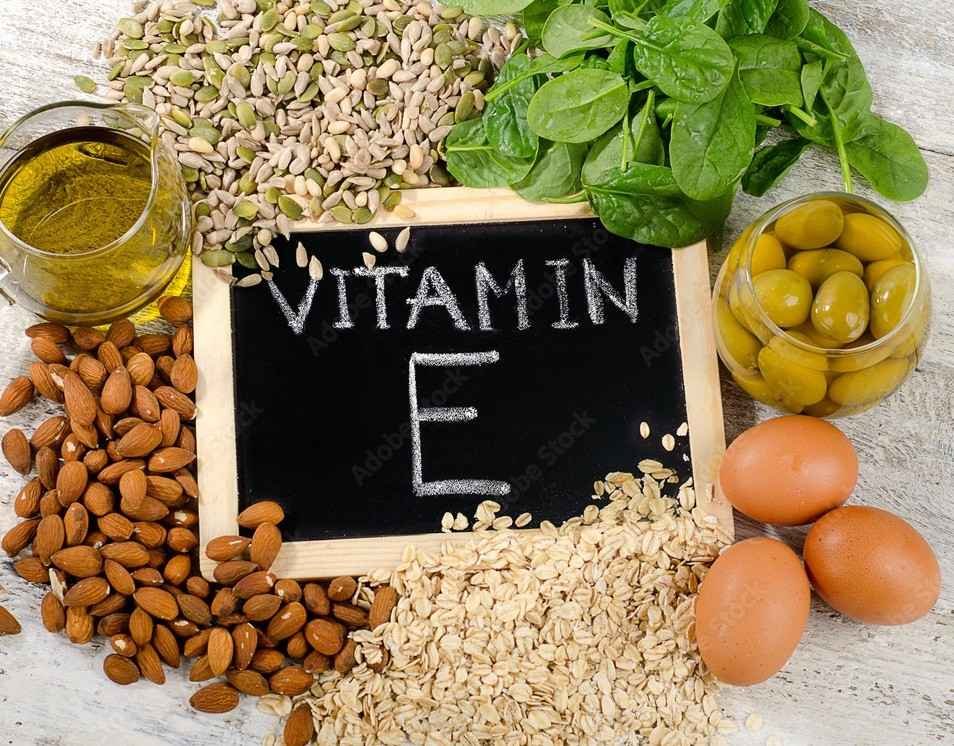
Vitamin E is one of the most important nutrients your body needs for healthy skin, strong immunity, heart protection, and cell repair. Known mainly for its antioxidant properties, vitamin E helps protect your body from harmful free radicals that can damage cells and accelerate aging.
In recent years, vitamin E has become popular in skincare products, hair oils, supplements, and wellness diets. From glowing skin to improved immune support, this powerful vitamin plays many roles in maintaining overall health.
In this complete guide, you will learn:
- What vitamin E is
- Health benefits of vitamin E
- Best food sources
- Signs of deficiency
- Recommended dosage
- Vitamin E for skin and hair
- Side effects and precautions
- FAQs about vitamin E
What Is Vitamin E?
Vitamin E is a fat-soluble vitamin that acts as a strong antioxidant. It helps protect cells from oxidative stress caused by pollution, unhealthy food, smoking, UV rays, and aging.
Vitamin E is not a single compound. It includes a group of compounds called:
- Tocopherols
- Tocotrienols
Among them, alpha-tocopherol is the most active form in the human body.
Because vitamin E is fat-soluble, your body stores it in fatty tissues and the liver for future use.
Nutritional Value of Vitamin E
Here is the approximate nutritional value per recommended daily intake:
| Nutrient | Amount |
|---|---|
| Recommended Daily Intake (Adults) | 15 mg |
| Calories | 0 |
| Fat Soluble | Yes |
| Main Function | Antioxidant Protection |
Top 20 Health Benefits of Vitamin E
1. Powerful Antioxidant Protection
Vitamin E helps fight oxidative stress caused by free radicals. This reduces cellular damage and supports overall wellness.
2. Supports Healthy Skin
Vitamin E is widely used in skincare because it helps moisturize skin and reduce dryness. It may also improve skin texture and softness.
3. Helps Slow Premature Aging
Its antioxidant properties may help reduce signs of aging such as wrinkles, fine lines, and dull skin.
4. Boosts Immune Function
Vitamin E supports immune cell activity, helping the body fight infections and illnesses more effectively.
5. Promotes Heart Health
Vitamin E may help reduce oxidative damage to blood vessels and support healthy circulation.
6. Supports Eye Health
Vitamin E may help protect eye cells from oxidative damage linked to age-related vision problems.
7. Helps Brain Function
Some studies suggest vitamin E supports cognitive health and may help protect brain cells from oxidative stress.
8. Reduces Inflammation
Vitamin E may help lower inflammation markers in the body, supporting long-term wellness.
9. Supports Hair Health
Vitamin E oil is commonly used to improve scalp health and reduce hair dryness.
10. Helps Maintain Healthy Cholesterol
Vitamin E may help protect LDL cholesterol from oxidation, which is important for heart health.
11. Supports Muscle Recovery
Athletes sometimes use vitamin E-rich foods to help reduce oxidative stress after intense exercise.
12. Improves Skin Hydration
Vitamin E helps maintain the skin barrier and lock in moisture.
13. May Help Wound Healing
Vitamin E is sometimes used in creams and oils to support skin repair.
14. Supports Reproductive Health
Vitamin E plays a role in hormonal balance and reproductive function.
15. Helps Protect Cells
It helps protect cell membranes from damage caused by toxins and pollutants.
16. May Reduce Sun Damage
Vitamin E may help reduce oxidative skin damage caused by UV exposure.
17. Supports Liver Health
Its antioxidant properties may support healthy liver function.
18. Helps Reduce Dry Scalp
Vitamin E oils and serums are often used for scalp nourishment.
19. Supports Healthy Nails
Vitamin E may help improve nail moisture and reduce brittleness.
20. Supports Overall Wellness
A balanced intake of vitamin E contributes to better long-term health and vitality.
Best Food Sources of Vitamin E
1. Almonds
Almonds are one of the richest natural sources of vitamin E.
2. Sunflower Seeds
These seeds are nutrient-dense and excellent for boosting vitamin E intake.
3. Spinach
Leafy greens provide moderate amounts of vitamin E and other antioxidants.
4. Avocado
Avocados contain healthy fats and vitamin E.
5. Peanut Butter
A tasty and easy way to increase vitamin E consumption.
6. Hazelnuts
Hazelnuts are packed with antioxidants and healthy fats.
7. Pumpkin
Pumpkin contains several vitamins including vitamin E.
8. Olive Oil
Extra virgin olive oil provides healthy fats and antioxidants.
9. Kiwi
Kiwi offers vitamin E along with vitamin C.
10. Mango
Mango contains small amounts of vitamin E and other nutrients.
Vitamin E for Skin
Vitamin E is one of the most popular ingredients in skincare products.
Benefits for Skin
- Helps moisturize dry skin
- Supports skin barrier function
- May reduce roughness
- Helps protect against oxidative stress
- Improves skin softness
Common Vitamin E Skin Products
- Vitamin E oil
- Face serums
- Moisturizers
- Night creams
- Lip balms
Vitamin E for Hair
Vitamin E is commonly used in hair masks and scalp oils.
Hair Benefits
- Helps nourish the scalp
- Reduces dryness
- Supports shiny hair
- Helps reduce frizz
- May support healthy hair growth environment
Signs of Vitamin E Deficiency
Vitamin E deficiency is rare but can happen in people with fat absorption problems.
Common Symptoms
- Muscle weakness
- Vision issues
- Poor immunity
- Nerve problems
- Difficulty walking
- Dry skin
Recommended Daily Intake of Vitamin E
| Age Group | Recommended Intake |
|---|---|
| Infants | 4–5 mg |
| Children | 6–11 mg |
| Teenagers | 15 mg |
| Adults | 15 mg |
| Breastfeeding Women | 19 mg |
Vitamin E Supplements
Vitamin E supplements are available in many forms:
- Capsules
- Softgels
- Gummies
- Oils
- Multivitamins
Supplements may be useful for people with deficiency or low dietary intake.
However, excessive supplementation should be avoided without medical guidance.
Best Time to Take Vitamin E
Since vitamin E is fat-soluble, it is best taken with meals containing healthy fats.
Ideal Timing
- After breakfast
- With lunch
- Alongside healthy fats like nuts or avocado
Vitamin E Deficiency Risk Factors
Some people are more likely to develop deficiency.
Risk Factors
- Digestive disorders
- Crohn’s disease
- Liver disease
- Very low-fat diets
- Premature infants
Can You Take Too Much Vitamin E?
Yes. Excessive vitamin E supplementation may increase health risks.
Possible Side Effects
- Nausea
- Headache
- Fatigue
- Blurred vision
- Increased bleeding risk
Always follow recommended dosage guidelines.
Vitamin E vs Vitamin C
| Feature | Vitamin E | Vitamin C |
|---|---|---|
| Solubility | Fat-soluble | Water-soluble |
| Main Benefit | Antioxidant protection | Immune support |
| Common Sources | Nuts & seeds | Citrus fruits |
| Skin Benefits | Moisture support | Brightening support |
Vitamin E and Immunity
Vitamin E supports immune cell activity and helps protect immune cells from oxidative stress.
A balanced diet rich in antioxidants can support better immune resilience.
Vitamin E and Aging
Oxidative stress contributes to premature aging. Vitamin E helps reduce oxidative cell damage linked to aging processes.
Many anti-aging skincare products contain vitamin E because of its protective effects.
Vitamin E and Eye Health
Vitamin E may help protect eye tissues from oxidative stress associated with aging.
It is often included in eye-health nutrient combinations.
Natural Ways to Increase Vitamin E Intake
Eat More Nuts and Seeds
Almonds and sunflower seeds are excellent choices.
Use Healthy Oils
Olive oil and sunflower oil contain vitamin E.
Add Avocados to Meals
Avocados are nutritious and versatile.
Eat More Leafy Greens
Spinach and broccoli contribute vitamin E.
Who Should Be Careful With Vitamin E Supplements?
Certain individuals should consult a healthcare professional before using high-dose supplements.
People Taking Blood Thinners
High vitamin E intake may increase bleeding risk.
Individuals Preparing for Surgery
Supplements may need to be paused before surgery.
People With Medical Conditions
Always seek professional guidance if you have chronic health issues.
Vitamin E Myths
Myth 1: More Vitamin E Is Always Better
Too much vitamin E may cause side effects.
Myth 2: Vitamin E Alone Prevents Aging
Healthy aging depends on overall lifestyle and nutrition.
Myth 3: Vitamin E Instantly Grows Hair
It supports scalp health but is not a miracle cure.
Simple Vitamin E-Rich Meal Ideas
Breakfast
Oatmeal with almonds and sunflower seeds.
Lunch
Spinach salad with avocado and olive oil dressing.
Snack
Mixed nuts and dried fruit.
Dinner
Grilled vegetables with olive oil drizzle.
How to Store Vitamin E Supplements
- Keep away from heat
- Store in a cool dry place
- Protect from sunlight
- Keep container tightly closed
Frequently Asked Questions
Is vitamin E good for skin?
Yes. Vitamin E helps moisturize and protect the skin from oxidative stress.
Can vitamin E help hair growth?
Vitamin E supports scalp health and may create a healthier environment for hair.
Which foods are highest in vitamin E?
Almonds, sunflower seeds, spinach, avocado, and olive oil are among the best sources.
Can I take vitamin E daily?
Yes, within recommended daily limits.
Is vitamin E safe?
Vitamin E is generally safe when consumed through food or in recommended supplement doses.
What happens if you lack vitamin E?
Deficiency may cause muscle weakness, vision issues, and immune problems.
Is vitamin E good for immunity?
Yes. It helps support healthy immune function.
Can vitamin E remove scars?
Some people use vitamin E oil for scars, but scientific results are mixed.
What is the best time to take vitamin E?
It is best taken with meals containing healthy fats.
Final Thoughts
Vitamin E is an essential nutrient that supports skin health, immunity, heart function, eye health, and overall wellness. Its powerful antioxidant effects help protect the body from oxidative stress and cellular damage.
The best way to get vitamin E is through a balanced diet rich in nuts, seeds, healthy oils, leafy greens, and fruits. Supplements can be useful in certain cases, but excessive intake should be avoided.
Whether you want glowing skin, better immune support, or improved overall health, vitamin E is an important part of a healthy lifestyle.
Also read:
Vitamin D: 8 Benefits, Deficiency Symptoms & Best Food Sources