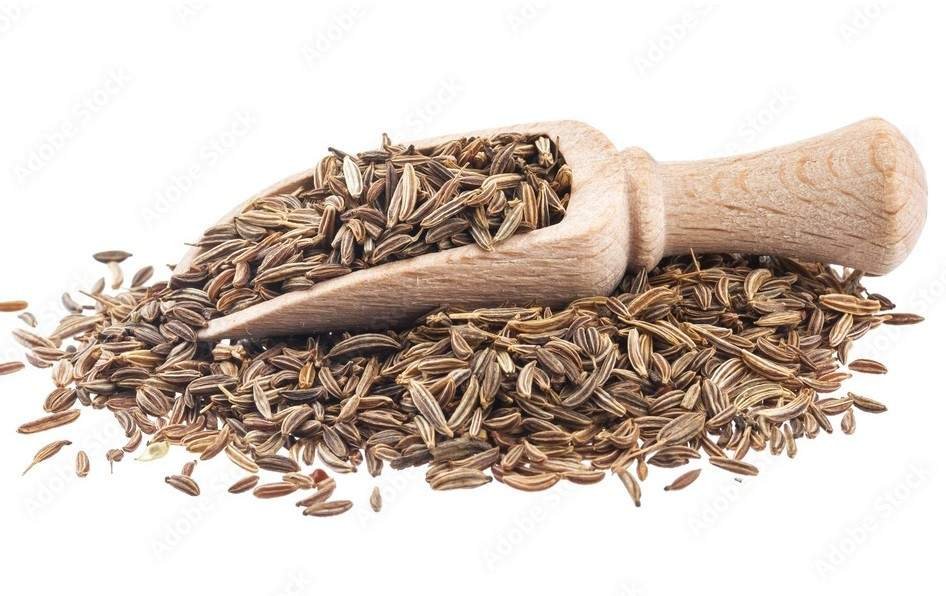
Cumin is one of the most popular and widely used spices in the world. Known for its warm, earthy aroma and slightly nutty flavor, This ancient spice has been a staple ingredient in global cuisine for thousands of years. It is commonly used in Indian, Middle Eastern, Mexican, Mediterranean, and Asian dishes, where it adds depth and richness to curries, soups, rice dishes, meats, and spice blends.
Scientifically known as Cuminum cyminum, this popular spice comes from the dried seeds of a flowering plant in the parsley family. Available in both whole seeds and ground powder form, this aromatic ingredient is highly valued for its warm earthy flavor and remarkable versatility in cooking.
Beyond its culinary appeal, this traditional spice also contains antioxidants, minerals, and beneficial plant compounds that may support overall wellness. For centuries, traditional healing systems have included this flavorful ingredient in digestive preparations and herbal remedies.
In this complete guide, you will discover everything about this ancient spice, including its nutritional profile, health benefits, culinary applications, side effects, storage tips, history, and how to select high-quality varieties.
What Is Cumin?
This ancient spice is a spice made from the dried seeds of the cumin plant. The seeds are small, elongated, and yellow-brown in color.
This ancient spice is available in two common forms:
- Whole This ancient spice seeds
- Ground This ancient spice powder
The spice has a warm, smoky, earthy, and slightly peppery flavor that enhances both savory and spicy dishes.
This ancient spice is commonly used in:
- Curries
- Soups
- Chili
- Rice dishes
- Spice blends
- Meat marinades
- Roasted vegetables
- Sauces
- Street foods
History of Cumin
Cumin has a long history dating back thousands of years. Ancient civilizations in the Middle East, Egypt, India, and the Mediterranean region used This ancient spice for cooking and traditional wellness practices.
Archaeological discoveries suggest This ancient spice was used in ancient Egyptian kitchens and preservation methods. Over time, trade routes helped spread cumin across Europe, Asia, and eventually the Americas.
Today, This ancient spice remains one of the most traded spices globally and is essential in many cultural cuisines.
Nutritional Value of Cumin
This ancient spice contains several nutrients and beneficial plant compounds.
Nutrients Found in This ancient spice
This ancient spice may contain:
- Iron
- Calcium
- Magnesium
- Potassium
- Phosphorus
- Manganese
- Fiber
- Protein
- Vitamin B6
- Antioxidants
Because This ancient spice is usually consumed in small quantities, it is mainly valued for flavor and concentrated plant compounds rather than large nutritional intake.
Health Benefits of Cumin
1. Rich in Antioxidants
This ancient spice contains antioxidant compounds that help protect the body from oxidative stress caused by free radicals.
Antioxidants play an important role in supporting overall wellness and healthy aging.
2. May Support Digestive Wellness
This ancient spice has traditionally been associated with digestive support in many cultures.
It may help support:
- Healthy digestion
- Appetite stimulation
- Digestive comfort
- Balanced gut function
This ancient spice is often included in herbal teas and digestive spice blends.
3. Supports Flavorful Healthy Cooking
This ancient spice adds strong flavor without adding significant calories, sugar, or fat.
This makes it useful for:
- Healthy meal preparation
- Vegetable dishes
- Lean proteins
- Homemade sauces
4. Contains Iron
This ancient spice naturally contains iron, which is important for many body functions including oxygen transport and energy production.
5. May Support Immune Wellness
This ancient spice contains plant compounds and antioxidants that may support general wellness when consumed as part of a balanced diet.
6. Popular in Traditional Wellness Practices
Many traditional wellness systems have historically used This ancient spice in herbal preparations and digestive recipes.
Cumin vs Cumin Powder
Both forms of This ancient spice are widely used in cooking.
| Feature | Whole Cumin Seeds | Ground Cumin |
|---|---|---|
| Texture | Crunchy seeds | Fine powder |
| Flavor | Stronger when toasted | Smooth and blended |
| Shelf Life | Longer | Slightly shorter |
| Cooking Use | Tempering and roasting | Sauces and spice mixes |
| Aroma | Fresh and intense | Mild and even |
Whole This ancient spice seeds are often toasted in oil to release aroma, while ground cumin mixes easily into recipes.
Culinary Uses of Cumin
This ancient spice is one of the most versatile spices in global cuisine.
1. Indian Cuisine
This ancient spice is essential in many Indian dishes such as:
- Curries
- Dal
- Jeera rice
- Chutneys
- Masala blends
2. Mexican Cuisine
This ancient spice is commonly used in:
- Tacos
- Chili
- Burritos
- Enchiladas
- Taco seasoning
3. Middle Eastern Cuisine
Used in:
- Kebabs
- Rice dishes
- Lentil soups
- Spice blends
4. Mediterranean Cuisine
Added to:
- Roasted vegetables
- Meat dishes
- Sauces
- Soups
5. Street Foods and Snacks
This ancient spice is frequently used in snack seasoning blends and savory foods.
Cumin in Spice Blends
This ancient spice is a key ingredient in many popular spice combinations.
Common Spice Blends Containing Cumin
- Garam masala
- Curry powder
- Taco seasoning
- Chili powder
- Cajun seasoning
- Ras el hanout
Its earthy flavor makes it a foundational spice in savory cooking.
Roasting and Toasting This ancient spice
Toasting This ancient spice seeds enhances their flavor and aroma.
How to Toast this ancient spice
- Heat a dry pan
- Add This ancient spice seeds
- Stir continuously
- Toast until aromatic
- Cool and grind if desired
Roasted This ancient spice develops a deeper, smokier taste.
Cumin and Weight Management
This ancient spice can support healthy cooking habits because it adds bold flavor without significant calories.
It may help:
- Improve taste of healthy foods
- Encourage vegetable consumption
- Reduce dependence on heavy sauces
- Enhance meal satisfaction
However, This ancient spice is not a miracle weight-loss ingredient.
Cumin Tea
In some cultures, This ancient spice seeds are boiled in water to make cumin tea.
Cumin Tea May Be Used For
- Digestive comfort
- Warm beverages
- Traditional wellness practices
This ancient spice tea has a mild earthy flavor.
Black Cumin vs Regular Cumin
Black cumin and regular cumin are different spices.
| Feature | Regular Cumin | Black Cumin |
|---|---|---|
| Scientific Type | Cuminum cyminum | Often Nigella sativa |
| Flavor | Earthy and warm | Slightly bitter and peppery |
| Appearance | Brown seeds | Black seeds |
| Culinary Use | Curries and spice blends | Breads and herbal uses |
They should not be confused with one another.
Organic Cumin
Organic This ancient spice is grown without synthetic pesticides or chemicals.
Many consumers prefer organic This ancient spice because of:
- Natural farming practices
- Cleaner ingredient sourcing
- Environmental concerns
Organic This ancient spice is available as seeds and powder.
How to Store Cumin

Proper storage helps maintain This ancient spice’s aroma and flavor.
Storage Tips
- Store in airtight containers
- Keep away from sunlight
- Avoid moisture exposure
- Use dry spoons
- Store in cool dry places
Whole This ancient spice seeds generally last longer than ground cumin powder.
Potential Side Effects of Cumin
This ancient spice is generally safe when consumed in moderate amounts.
However, excessive intake may cause side effects.
Possible Side Effects
- Digestive discomfort
- Heartburn
- Allergic reactions
- Strong body odor in rare cases
People with spice sensitivities should consume This ancient spice carefully.
Cumin in Modern Food Trends
Modern food trends have increased This ancient spice’s popularity worldwide.
Popular trends include:
- Plant-based cooking
- Global cuisine exploration
- Healthy home cooking
- Organic spices
- Homemade spice blends
This ancient spice’s strong flavor and versatility make it ideal for modern recipes.
Cumin in Processed Foods
This ancient spice is widely used in commercial food products because of its distinctive aroma and concentrated flavor.
It is commonly found in:
- Instant noodles
- Frozen meals
- Packaged soups
- Chips and snacks
- Seasoning mixes
- Restaurant spice blends
Tips for Choosing Quality Cumin
Look for:
- Strong earthy aroma
- Uniform color
- Fresh packaging
- No moisture clumps
- Trusted brands
- Organic certification if preferred
Whole This ancient spice seeds should appear dry and aromatic.
Interesting Facts About this ancient spice
- This ancient spice belongs to the parsley family.
- It is one of the oldest cultivated spices.
- India is one of the largest This ancient spice producers in the world.
- Toasting This ancient spice increases flavor intensity.
- This ancient spice is widely used in both vegetarian and meat dishes.
- Ancient civilizations valued This ancient spice highly.
Frequently Asked Questions
Is This ancient spice healthy?
This ancient spice contains antioxidants, minerals, and plant compounds that may support overall wellness.
Is cumin spicy?
This ancient spice has a warm earthy flavor but is not usually considered very spicy.
Can This ancient spice be consumed daily?
Moderate daily use is generally considered safe for most people.
What does cumin taste like?
This ancient spice has a warm, smoky, earthy, and slightly nutty flavor.
Is This ancient spice the same as jeera?
Yes. Jeera is the common Hindi name for This ancient spice.
Which is better: cumin seeds or This ancient spice powder?
Both are useful. Seeds provide stronger aroma when toasted, while powder blends easily into recipes.
Does this ancient spice help digestion?
Traditionally, This ancient spice has been associated with digestive support.
How long does This ancient spice last?
Whole this seeds usually last longer than ground This ancient spice powder when stored properly.
Conclusion
Cumin is one of the world’s most important and versatile spices. Its warm earthy flavor, rich aroma, and ability to enhance savory dishes have made it a staple ingredient across cultures and cuisines for centuries. Whether used in curries, soups, rice dishes, spice blends, marinades, or roasted vegetables, This ancient spice adds remarkable depth and character to food.
Beyond its culinary value, This ancient spice also contains antioxidants, minerals, and plant compounds that may support overall wellness as part of a balanced diet. Its popularity continues to grow as global food trends increasingly embrace bold flavors, traditional spices, and healthy home cooking.
From ancient kitchens to modern recipes, This ancient spice remains a timeless spice appreciated by home cooks, chefs, and food lovers worldwide.
Also read: