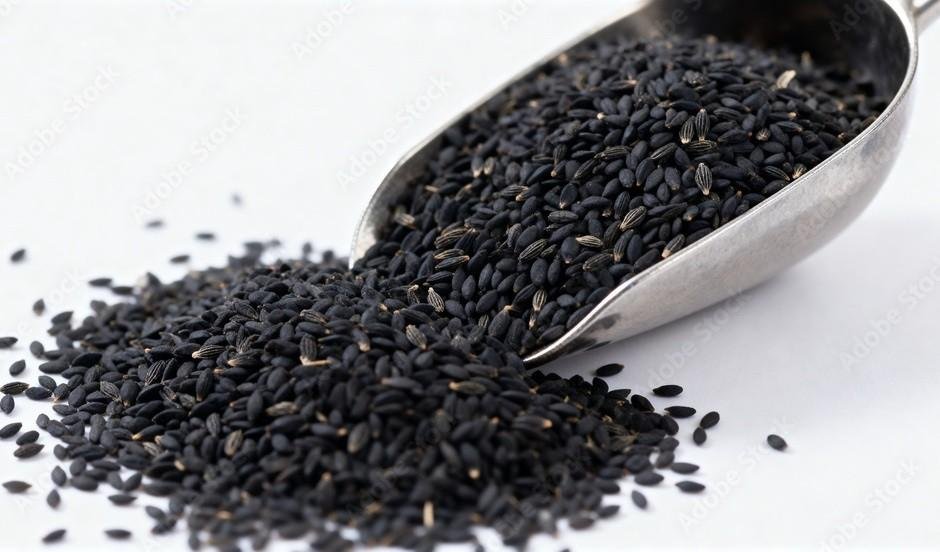
Black cumin is a remarkable spice and traditional wellness ingredient that has been valued for centuries across different cultures and civilizations. Known for its unique flavor, aromatic seeds, and potential health-supporting properties, black cumin has earned a respected place in both culinary traditions and natural wellness practices.
Scientifically known as Nigella sativa, this seed is often referred to as black seed, kalonji, black caraway, or black onion seed. Despite the name, it is different from regular cumin. The tiny black seeds come from a flowering plant native to parts of Asia, the Middle East, and the Mediterranean region.
Black cumin seeds have a slightly bitter, peppery, and nutty flavor, making them a popular ingredient in breads, curries, pickles, spice blends, and herbal remedies. Beyond its culinary uses, this seed has long been used in traditional wellness systems such as Ayurveda, Unani, and Middle Eastern herbal practices.
Modern interest in this traditional spice continues to grow because the seeds contain antioxidants, essential oils, healthy fats, and natural plant compounds that may support overall wellness. Its oil, powdered form, and whole seeds are now commonly found in wellness products around the world.
In this complete guide, you will learn everything about this ancient seed, including its nutritional value, health benefits, culinary uses, traditional significance, side effects, storage tips, and frequently asked questions.
What Is Black Cumin?
Black cumin refers to the small black seeds of the Nigella sativa plant. The plant belongs to the Ranunculaceae family and produces delicate pale-colored flowers. After flowering, seed pods develop and contain numerous tiny black seeds.
These seeds have been used for thousands of years in cooking and traditional wellness preparations.
Black cumin is known by several names worldwide:
- Black seed
- Kalonji
- Nigella seeds
- Black caraway
- Roman coriander
- Fennel flower seeds
Although it is called black cumin, it is different from regular cumin seeds used in many spice blends.
Nutritional Value of Black Cumin
Black cumin contains several nutrients and beneficial plant compounds.
Nutrients Found in Black Cumin
Black cumin may contain:
- Protein
- Healthy fats
- Dietary fiber
- Iron
- Calcium
- Zinc
- Copper
- Potassium
- Magnesium
- Vitamin B complex
- Antioxidants
One of the most important compounds in black cumin is thymoquinone, a natural substance that has attracted scientific interest for its antioxidant and wellness-supporting properties.
Other beneficial compounds include:
- Alkaloids
- Essential oils
- Flavonoids
- Omega fatty acids
- Saponins
Health Benefits of Black Cumin
1. Rich in Antioxidants
Black cumin contains antioxidants that help protect the body against oxidative stress caused by free radicals.
Antioxidants may support:
- Healthy aging
- Cellular wellness
- Skin health
- Immune balance
- Overall vitality
The antioxidant compounds in black cumin are one reason it has remained popular in traditional wellness systems.
2. Supports Immune Function
Black cumin has traditionally been used to support the body during seasonal changes.
Its natural compounds may help support:
- Immune balance
- General wellness
- Seasonal comfort
- Natural defense mechanisms
Many people consume black cumin oil or seeds regularly as part of wellness routines.
3. May Support Healthy Digestion
Traditional practices commonly use black cumin to support digestive wellness.
It may help support:
- Comfortable digestion
- Reduced bloating
- Healthy appetite
- Digestive balance
this seed is often added to meals, teas, and spice mixtures to enhance digestion.
4. May Support Respiratory Wellness
this seed has historically been used in traditional remedies for respiratory comfort.
Warm this seed preparations are commonly consumed during seasonal weather changes.
Traditional uses include support for:
- Breathing comfort
- Seasonal wellness
- Throat comfort
- Relaxation during cold weather
5. Supports Skin Wellness
this seed oil is widely used in natural skincare routines.
Its antioxidant and nourishing properties may support:
- Healthy-looking skin
- Skin hydration
- Temporary skin comfort
- A natural glow
Some skincare products include this seed oil because of its traditional beauty reputation.
6. May Support Hair Health
this seed oil is commonly included in hair oils and scalp care products.
Traditional beauty routines use it to support:
- Scalp wellness
- Hair strength
- Hair shine
- Healthy hair appearance
Many people massage diluted this seed oil into the scalp.
7. Supports Heart Wellness
this seed contains healthy fats and plant compounds that may contribute to cardiovascular wellness when included as part of a balanced lifestyle.
Potential supportive roles include:
- Supporting healthy circulation
- Supporting balanced cholesterol levels
- Contributing to overall heart wellness
Research in this area continues.
8. May Help Support Balanced Blood Sugar
Some studies have explored this seed’s potential role in supporting balanced blood sugar levels.
The seeds may support:
- Glucose metabolism
- Energy balance
- Metabolic wellness
People with health conditions should always seek professional medical advice before using herbal products regularly.
9. Supports Joint and Muscle Comfort
Traditional wellness systems sometimes use this seed oil and seeds to support physical comfort.
It may help support:
- Joint flexibility
- Muscle relaxation
- Comfortable movement
- Recovery after physical activity
Warm oil massages are popular in some cultures.
10. May Support Weight Management Goals
this seed is often included in wellness routines focused on balanced nutrition and healthy lifestyle habits.
Its fiber and natural compounds may support:
- Feelings of fullness
- Healthy digestion
- Balanced eating habits
- Overall metabolic wellness
However, this seed alone is not a substitute for healthy eating and exercise.
Culinary Uses of Black Cumin
this seed is widely used in cooking because of its rich aroma and unique flavor.
In Indian Cuisine
this seed seeds are commonly used in:
- Curries
- Lentil dishes
- Pickles
- Flatbreads
- Rice dishes
- Spice blends
The seeds are often tempered in hot oil to release their flavor.
In Middle Eastern Cuisine
this seed is used in:
- Bread toppings
- Salads
- Meat dishes
- Yogurt-based recipes
- Herbal mixtures
Its nutty flavor enhances savory dishes.
In Baking
this seed seeds are sprinkled over:
- Naan
- Bread
- Crackers
- Savory pastries
The seeds add texture and aroma.
In Herbal Drinks
this seed seeds are sometimes added to:
- Herbal tea
- Wellness tonics
- Traditional drinks
- Warm water mixtures
Black Cumin Oil
this seed oil is extracted from the seeds and widely used in wellness and beauty products.
Uses of Black Cumin Oil
It may be used for:
- Cooking
- Hair care
- Skincare
- Massage blends
- Wellness routines
Cold-pressed this seed oil is often considered the highest quality option.
Difference Between Black Cumin and Regular Cumin
Many people confuse this seed with regular cumin, but they are different spices.
Black Cumin
- Tiny black seeds
- Slightly bitter and peppery flavor
- Scientifically called Nigella sativa
- Often called kalonji
Regular Cumin
- Brown elongated seeds
- Warm earthy flavor
- Scientifically called Cuminum cyminum
- Common in spice blends
Both spices are widely used but differ in taste, appearance, and botanical classification.
Traditional Importance of Black Cumin
Ayurveda
In Ayurveda, this seed has traditionally been valued for supporting:
- Digestion
- Warmth in the body
- Energy balance
- Seasonal wellness
It is often included in herbal preparations.
Unani Practices
this seed has a strong historical presence in Unani wellness traditions.
Traditional uses include support for:
- Digestive comfort
- Respiratory wellness
- Physical vitality
- General balance
Middle Eastern Traditions
this seed has been highly respected in Middle Eastern cultures for centuries.
The seeds were historically used in:
- Herbal remedies
- Cooking
- Oils
- Bread preparations
Beauty Benefits of Black Cumin
1. Supports Healthy-Looking Skin
this seed oil is commonly included in face oils and skincare products.
Its nourishing compounds may help support:
- Soft skin
- Moisture balance
- Skin smoothness
- Temporary skin comfort
2. Hair Care Uses
Some people use this seed oil in:
- Hair masks
- Scalp massage oils
- Herbal hair treatments
It is often mixed with coconut oil or castor oil.
3. DIY Beauty Recipes
Homemade wellness masks sometimes combine this seed with:
- Honey
- Yogurt
- Aloe vera
- Turmeric
Always perform a patch test before applying herbal ingredients to the skin.
Side Effects of Black Cumin
this seed is generally considered safe in moderate amounts, but excessive consumption may cause side effects.
Possible Side Effects
- Stomach irritation
- Bloating
- Allergic reactions
- Digestive discomfort
- Skin irritation from topical use
Precautions
People should consult healthcare professionals before regular medicinal use if they:
- Are pregnant
- Take blood pressure medication
- Take diabetes medication
- Have chronic medical conditions
- Are allergic to herbal products
Moderation is important.
How to Consume Black Cumin
Whole Seeds
The seeds can be added directly to foods.
Black Cumin Powder
Ground this seed can be mixed into spice blends and wellness drinks.
Black Cumin Oil
The oil may be used in cooking or beauty routines.
Herbal Tea
The seeds can be steeped in warm water.
Popular Black Cumin Recipes
1. Black Cumin Tea
Ingredients:
- 1 cup warm water
- 1/2 teaspoon this seed seeds
- Honey optional
Method:
- Add seeds to warm water.
- Let steep for several minutes.
- Strain and enjoy.
2. Black Cumin Flatbread
Sprinkle seeds over homemade naan or bread before baking.
3. Spice Rice
Add this seed seeds to rice dishes for aroma and flavor.
4. Black Cumin Yogurt Dip
Mix roasted this seed powder into yogurt with herbs and spices.
How to Store Black Cumin
Proper storage is important to maintain the freshness, aroma, flavor, and nutritional quality of this seed seeds. When stored correctly, this seed can remain flavorful and effective for several months.
Storage Tips for Black Cumin
1. Use an Airtight Container
Store this seed seeds in a clean, airtight glass or food-grade container. This helps protect the seeds from moisture and air exposure.
2. Keep in a Cool, Dry Place
Place the container in a cool and dry area such as a kitchen cabinet or pantry. Avoid humid environments because moisture can reduce freshness.
3. Avoid Direct Sunlight
Exposure to sunlight may weaken the aroma and natural oils in this seed. Keep the container away from direct heat and light.
4. Keep Away From Moisture
Always use a dry spoon when handling this seed. Moisture may cause clumping, spoilage, or mold growth.
5. Refrigerate Black Cumin Oil
If storing this seed oil, refrigeration may help maintain freshness and prevent the oil from becoming rancid.
6. Store Whole Seeds Longer
Whole this seed seeds generally stay fresh longer than ground powder because the natural oils remain protected inside the seed.
Shelf Life of Black Cumin
- Whole black cumin seeds: Usually remain fresh for up to 1–2 years when stored properly
- Ground black cumin powder: Best used within 6–12 months
- Black cumin oil: Typically lasts several months after opening if stored correctly
Signs Black Cumin Has Gone Bad
You should discard this seed if you notice:
- Weak or stale smell
- Moisture inside the container
- Mold growth
- Bitter or unusual taste
- Discoloration
Proper storage helps preserve the natural aroma, flavor, and wellness properties of this seed for a longer time.
FAQs
1. What is black cumin?
this seed is a spice obtained from the seeds of the Nigella sativa plant. It is also commonly known as black seed or kalonji.
2. Is black cumin the same as regular cumin?
No, this seed and regular cumin are different spices with different flavors, appearances, and botanical origins.
3. What are the benefits of black cumin?
this seed may support digestion, immune wellness, antioxidant protection, skin health, and overall well-being.
4. Can black cumin be consumed daily?
Yes, moderate consumption of this seed is generally considered safe for most healthy individuals.
5. How is black cumin used in cooking?
this seed is commonly added to curries, breads, rice dishes, pickles, spice blends, and herbal drinks.
6. What is black cumin oil used for?
this seed oil is used in cooking, skincare, hair care, massage oils, and wellness routines.
7. Does black cumin have side effects?
Excessive intake may cause digestive discomfort, bloating, or allergic reactions in some people.
8. Is black cumin good for digestion?
Traditional wellness systems commonly use this seed to support healthy digestion and stomach comfort.
9. How should black cumin be stored?
Store this seed in an airtight container in a cool, dry place away from sunlight and moisture.
10. What is black cumin also called?
this seed is also called black seed, kalonji, Nigella sativa, and black caraway.
Conclusion
Black cumin is a powerful traditional spice valued for its unique flavor, nutritional profile, and long history in natural wellness practices. Known scientifically as Nigella sativa, these tiny black seeds have been used for centuries in cooking, herbal preparations, and beauty routines across many cultures.
Rich in antioxidants and beneficial plant compounds, this seed may support digestion, immune wellness, skin health, and overall vitality when included as part of a balanced lifestyle. Whether consumed as whole seeds, powder, or oil, black cumin offers versatility in both culinary and wellness applications.
Its warm, slightly bitter flavor makes it a popular addition to breads, curries, rice dishes, and spice blends, while this seed oil continues to gain popularity in natural skincare and hair care products.
Although generally safe in moderation, excessive intake may cause side effects in some individuals. Choosing high-quality this seed and storing it properly can help preserve its freshness and wellness value.
From ancient traditions to modern wellness trends, this seed remains one of the world’s most respected and widely used natural spices.
Also read:
Cumin: 6 Benefits, Nutrition, Uses, Side Effects & Complete Guide