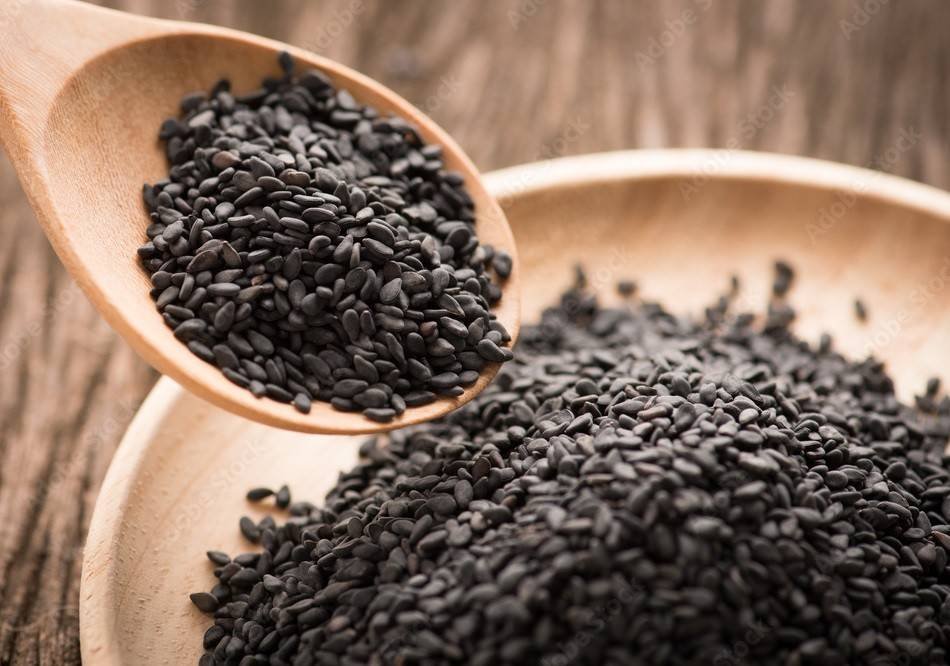
Black sesame seeds are among the oldest oilseed crops known to humanity. These tiny black seeds may appear simple, but they contain an impressive concentration of nutrients, healthy fats, antioxidants, vitamins, and minerals that have supported traditional diets for centuries. Used widely in Asian, Middle Eastern, and African cuisines, black sesame seeds are valued not only for their rich nutty flavor but also for their potential wellness-supporting properties.
Scientifically derived from the sesame plant, seeds are a darker and more nutrient-dense variety of regular sesame seeds. They are often used in desserts, sauces, baked goods, snacks, herbal preparations, and wellness foods. In many traditional systems, seeds have long been associated with vitality, healthy aging, strong bones, improved digestion, and hair nourishment.
Modern nutrition research has increased global interest in seeds because they contain healthy unsaturated fats, plant protein, fiber, calcium, magnesium, iron, zinc, and powerful antioxidants such as sesamin and sesamol. These natural compounds may help support heart health, skin health, digestive wellness, and overall body function.
seeds can be consumed raw, roasted, ground into powder, blended into smoothies, added to salads, or used in oils and pastes. Their earthy taste and crunchy texture make them easy to include in daily meals.
In this complete guide, you will learn everything about seeds, including their nutritional value, health benefits, culinary uses, possible side effects, storage methods, and why they are becoming increasingly popular in modern wellness-focused diets.
What Are Black Sesame Seeds?
seeds are tiny edible seeds obtained from the sesame plant, scientifically known as Sesamum indicum. Unlike white sesame seeds, seeds retain their outer hull, which gives them a darker color and slightly stronger flavor. They are commonly used in Asian cooking and traditional wellness practices.
The sesame plant is believed to have originated in Africa and India thousands of years ago. Today, sesame is cultivated in many countries across Asia, the Middle East, and Africa due to its adaptability to warm climates.
Black sesame seeds are known for their rich aroma and slightly bitter, nutty taste. They are often sprinkled over rice dishes, sushi, noodles, breads, sweets, and desserts. In some cultures, black sesame paste and black sesame soup are considered nourishing foods.
These seeds are especially valued because they contain natural oils, protein, antioxidants, and essential minerals. Compared to many other seeds, black sesame seeds are highly concentrated in nutrients despite their small size.
Nutritional Value of Black Sesame Seeds
Black sesame seeds are nutrient-dense and provide a combination of healthy fats, plant protein, fiber, vitamins, and minerals.
Nutrients Found in Black Sesame Seeds
Healthy Fats
Black sesame seeds contain unsaturated fats that may support heart health and overall wellness.
Protein
They provide plant-based protein, making them useful in vegetarian and vegan diets.
Dietary Fiber
Fiber helps support digestion, bowel regularity, and satiety.
Calcium
Black sesame seeds are considered one of the richest plant-based sources of calcium.
Iron
Iron supports oxygen transport and energy production in the body.
Magnesium
Magnesium contributes to muscle function, bone health, and nerve function.
Zinc
Zinc supports immunity, skin repair, and metabolic processes.
Copper
Copper plays a role in connective tissue formation and antioxidant defense.
Antioxidants
Compounds such as sesamin, sesamol, and lignans help protect cells from oxidative stress.
Vitamin B Complex
Black sesame seeds contain small amounts of B vitamins that support energy metabolism.
Health Benefits of Black Sesame Seeds
1. May Support Heart Health
Black sesame seeds contain healthy unsaturated fats, antioxidants, and lignans that may contribute to cardiovascular wellness. Their healthy fat profile may help maintain balanced cholesterol levels when included in a nutritious diet.
The antioxidants present in black sesame seeds may also help reduce oxidative stress, which is associated with heart-related concerns.
Including moderate amounts of black sesame seeds in meals may support overall heart-friendly nutrition.
2. Rich in Antioxidants
Black sesame seeds are naturally rich in antioxidants such as sesamin and sesamol. These compounds help protect body cells from free radical damage.
Oxidative stress may contribute to aging and various chronic health issues. Antioxidant-rich foods like black sesame seeds may support cellular protection and overall wellness.
The darker outer coating of black sesame seeds contains additional plant pigments and antioxidant compounds compared to white sesame seeds.
3. May Help Support Bone Health
Black sesame seeds are an excellent source of calcium, magnesium, phosphorus, and zinc, all of which contribute to healthy bones and teeth.
Calcium is especially important for maintaining bone strength, while magnesium and phosphorus assist in bone formation.
People following plant-based diets may use black sesame seeds as an additional source of bone-supporting minerals.
4. May Improve Digestive Health
The dietary fiber found in black sesame seeds may help support healthy digestion and regular bowel movements.
Fiber helps add bulk to stool and supports beneficial gut bacteria. Consuming fiber-rich foods may also help improve feelings of fullness.
Adding black sesame seeds to smoothies, oatmeal, salads, or baked foods may increase daily fiber intake naturally.
5. May Support Healthy Skin
Black sesame seeds contain healthy fats, vitamin E, zinc, and antioxidants that may contribute to skin wellness.
These nutrients may help support skin hydration and protect the skin from environmental stress.
In some traditional practices, black sesame oil is also used externally for moisturizing and nourishing the skin.
6. May Promote Hair Health
Black sesame seeds have traditionally been associated with hair nourishment and scalp wellness.
Their mineral content, especially iron, zinc, and copper, may help support healthy hair growth and pigmentation.
Some cultures believe regular consumption of black sesame seeds may help maintain healthy-looking hair as people age.
7. May Support Energy Levels
seeds contain iron, protein, healthy fats, and B vitamins that may help support energy production.
Iron is essential for transporting oxygen throughout the body, while protein and healthy fats provide long-lasting energy.
Including seeds in balanced meals may help support sustained energy during the day.
8. May Help Support Brain Function
The healthy fats and antioxidants found in seeds may support overall brain health.
Healthy fats are important for nerve function and cognitive performance. Antioxidants may also help protect brain cells from oxidative stress.
While more research is needed, nutrient-rich seeds are generally considered beneficial as part of a brain-supportive diet.
9. May Support Immune Function
seeds contain zinc, selenium, copper, and antioxidants that contribute to immune system support.
These nutrients play important roles in cellular repair, defense mechanisms, and overall body function.
Consuming a variety of nutrient-rich foods, including seeds, may help support general wellness.
10. May Help Support Healthy Aging
Traditional wellness systems have long valued black sesame seeds for their association with vitality and longevity.
Their combination of antioxidants, healthy fats, minerals, and plant compounds may help support healthy aging by protecting cells from oxidative stress.
Including antioxidant-rich foods regularly may contribute to overall wellness over time.
Black Sesame Seeds for Weight Management
seeds may support healthy weight management when consumed in moderation.
Their combination of protein, healthy fats, and fiber may help increase satiety and reduce unnecessary snacking.
Because they are calorie-dense, portion control is important. Small amounts can provide nutrition and flavor without excessive calorie intake.
Adding seeds to balanced meals may help improve nutritional quality while supporting fullness.
Black Sesame Seeds and Traditional Wellness Practices
seeds have been used for centuries in traditional wellness systems across Asia and other regions.
In traditional Chinese practices, seeds are often associated with nourishing the body and supporting healthy aging.
In Ayurvedic traditions, sesame seeds are considered warming and nourishing foods.
Black sesame oil has also historically been used in massages, hair care, and skin applications.
Although traditional uses remain popular, modern scientific research is still exploring many of these historical claims.
Culinary Uses of Black Sesame Seeds
seeds are extremely versatile and can be used in many recipes.
1. Toppings
They can be sprinkled over:
- Salads
- Rice dishes
- Noodles
- Sushi
- Soups
- Stir-fries
- Avocado toast
Their crunchy texture and nutty flavor enhance both sweet and savory dishes.
2. Baking
seeds are often added to:
- Bread
- Crackers
- Cookies
- Cakes
- Muffins
- Buns
They provide flavor, texture, and visual appeal.
3. Smoothies
Ground seeds or black sesame powder can be blended into smoothies for extra nutrients.
They pair well with bananas, dates, almond milk, cocoa, and oats.
4. Black Sesame Paste
Black sesame paste is popular in Asian desserts and beverages.
It can be spread on toast, mixed into drinks, or used as a dessert filling.
5. Desserts
seeds are commonly used in:
- Ice cream
- Puddings
- Mochi
- Sweet soups
- Candy
- Energy bars
Their earthy flavor works especially well with sweet ingredients.
6. Black Sesame Oil
Black sesame oil is used in cooking and flavoring.
It is commonly added to noodles, sauces, marinades, and stir-fried dishes.
Because of its strong flavor, only small amounts are usually needed.
How to Eat Black Sesame Seeds
seeds are nutritious, flavorful, and incredibly versatile. Their rich nutty taste makes them easy to include in both sweet and savory dishes. You can eat them raw, roasted, ground into powder, or blended into sauces and desserts.
Here are some of the best ways to eat seeds:
1. Sprinkle on Salads
One of the easiest ways to eat seeds is by sprinkling them over fresh salads.
They add:
- Crunchy texture
- Nutty flavor
- Extra nutrients
seeds pair especially well with:
- Cucumber salad
- Avocado salad
- Asian-style salads
- Quinoa bowls
2. Add to Smoothies
Blend seeds into smoothies for added nutrition.
They work well with:
- Bananas
- Dates
- Almond milk
- Oats
- Cocoa powder
You can use:
- Whole seeds
- Roasted seeds
- Black sesame powder
3. Mix into Oatmeal or Yogurt
Sprinkle a spoonful over:
- Oatmeal
- Greek yogurt
- Overnight oats
- Breakfast bowls
This improves flavor while adding fiber, calcium, and healthy fats.
4. Roast Them for Better Flavor
Lightly roasting seeds enhances their aroma and taste.
How to Roast:
- Heat a dry pan on low flame.
- Add the seeds.
- Stir continuously for 2–3 minutes.
- Remove once fragrant.
Avoid over-roasting because the seeds may become bitter.
5. Use in Baking
seeds are commonly added to:
- Bread
- Cookies
- Muffins
- Crackers
- Cakes
- Buns
They add both nutrition and visual appeal.
6. Make Black Sesame Paste
Black sesame paste is popular in Asian cuisine and desserts.
Simple Method:
- Roast seeds
- Blend with honey or a little oil
- Process until smooth
You can spread it on toast or mix it into desserts.
7. Add to Rice and Noodles
seeds are often used as toppings for:
- Fried rice
- Sushi
- Ramen
- Stir-fried noodles
Their nutty flavor complements savory dishes very well.
8. Use in Energy Balls or Granola
Mix seeds with:
- Nuts
- Dates
- Oats
- Peanut butter
- Honey
This creates healthy homemade snacks.
9. Blend into Sauces and Dressings
Ground seeds can be mixed into:
- Tahini-style sauces
- Salad dressings
- Dips
- Marinades
They create a creamy texture and deep flavor.
10. Eat with Desserts
seeds are widely used in desserts such as:
- Ice cream
- Pudding
- Mochi
- Sweet soups
- Sesame candy
Their earthy flavor balances sweetness nicely.
Best Way to Consume Black Sesame Seeds
Many people prefer lightly roasted seeds because roasting improves:
- Aroma
- Taste
- Digestibility
Grinding the seeds may also help the body absorb nutrients more effectively.
How Much Black Sesame Seeds Should You Eat?
Moderation is important because sesame seeds are calorie-dense.
A common serving size is:
- 1–2 tablespoons per day
This amount provides nutrients without excessive calorie intake.
Tips for Eating Black Sesame Seeds
- Store them in an airtight container
- Refrigerate for longer freshness
- Roast lightly for better flavor
- Combine with fruits, grains, or nuts
- Use ground seeds for smoother texture
Conclusion
seeds are easy to include in everyday meals and snacks. Whether sprinkled over salads, blended into smoothies, added to baked goods, or turned into creamy paste, they provide flavor, texture, and nutrition in many delicious ways.
Their versatility makes them a valuable addition to healthy and balanced diets.
FAQs
Can black sesame seeds be eaten raw?
Yes, seeds can be eaten raw. However, many people prefer lightly roasted seeds because roasting improves their flavor and aroma.
Is it better to roast black sesame seeds before eating?
Light roasting may enhance taste, aroma, and digestibility. Avoid over-roasting because it can make the seeds bitter.
How much black sesame seeds should I eat daily?
A moderate amount such as 1–2 tablespoons per day is commonly recommended as part of a balanced diet.
Can I add black sesame seeds to smoothies?
Yes, seeds can be blended into smoothies with fruits, oats, milk, or yogurt for extra nutrition.
Can black sesame seeds help with digestion?
seeds contain dietary fiber, which may support healthy digestion and regular bowel movements.
Are black sesame seeds good for hair?
Traditional wellness systems often associate seeds with hair nourishment because they contain minerals, healthy fats, and antioxidants.
Can black sesame seeds be eaten every day?
Most people can enjoy seeds daily in moderate amounts unless they have a sesame allergy or medical restrictions.
What do black sesame seeds taste like?
They have a rich, nutty, earthy flavor that is stronger and slightly more intense than white sesame seeds.
Should black sesame seeds be soaked before eating?
Soaking is optional. Some people soak seeds to soften them and improve texture, especially when blending into drinks or pastes.
Can I grind black sesame seeds?
Yes, grinding seeds may improve nutrient absorption and makes them easier to add to smoothies, sauces, and desserts.
Are black sesame seeds good for weight management?
Their fiber, protein, and healthy fats may help improve fullness when consumed in moderation as part of a balanced diet.
Can black sesame seeds be used in desserts?
Yes, seeds are commonly used in ice cream, pudding, mochi, pastries, sweet soups, and candies.
How do I store black sesame seeds?
Store them in an airtight container in a cool and dry place. Refrigeration may help maintain freshness for longer.
Are black sesame seeds suitable for vegans?
Yes, seeds are completely plant-based and suitable for vegan and vegetarian diets.
Can children eat black sesame seeds?
Yes, children can usually eat seeds in small amounts unless they have a sesame allergy.
Also read:
Sesame Seeds: 10 Benefits, Nutrition, Uses, Side Effects & Recipes