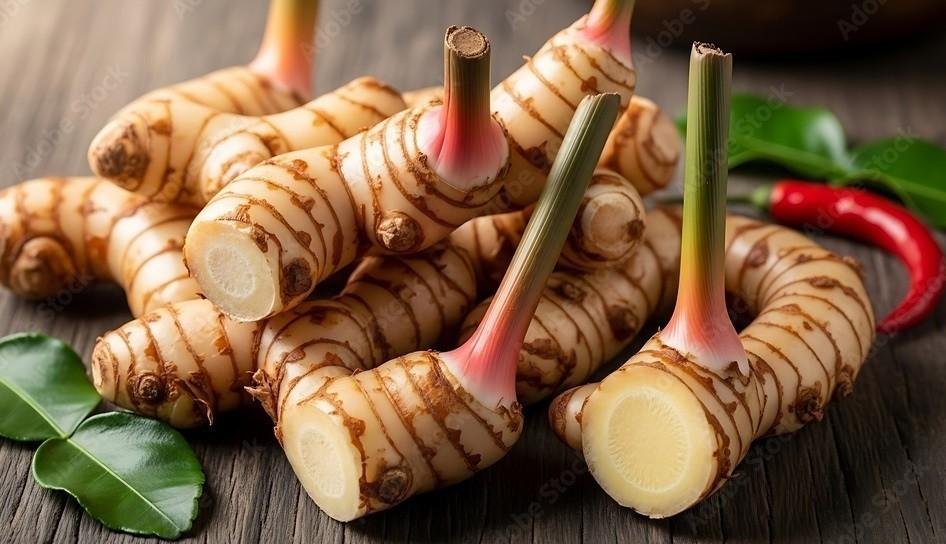
Galangal is a fragrant rhizome widely used in Asian cuisine and traditional wellness practices. Known for its sharp citrus-like aroma, earthy flavor, and warming qualities, Thai ginger has been treasured for centuries in culinary traditions across Southeast Asia, China, and India. Although it is often compared to ginger because of its similar appearance, galangal has a distinct flavor profile that is more peppery, pine-like, and aromatic.
Belonging to the Zingiberaceae family, Thai gingeris closely related to ginger, turmeric, and cardamom. The rhizome is commonly used fresh, dried, powdered, or sliced in soups, curries, herbal teas, spice blends, and medicinal preparations. It is especially important in Thai, Indonesian, Malaysian, and Vietnamese cuisines.
Historically, Thai ginger played an important role in traditional herbal systems and ancient trade routes. Traders carried the aromatic root across Asia and Europe because of its culinary and medicinal value. Over time, it became a prized ingredient in both food preparation and wellness traditions.
Modern interest in Thai ginger continues to grow due to its antioxidants, essential oils, and bioactive plant compounds that may support overall wellness. In addition, its strong aroma and flavor make it a valuable ingredient in global cuisine and natural products.
In this complete guide, you will learn everything about Thai ginger, including its history, varieties, nutritional value, health benefits, culinary uses, cultivation process, side effects, storage methods, and why this ancient rhizome remains important worldwide.
History and Origin of Galangal
Galangal has been used for thousands of years throughout Asia and the Middle East. It is believed to have originated in Southeast Asia, particularly in regions of Indonesia, Thailand, and southern China. Ancient herbal traditions valued the rhizome for both culinary and medicinal applications.
Historical records show that this unique ingredient was traded along spice routes connecting Asia, the Middle East, and Europe. During the medieval period, European herbalists used it in tonics, remedies, and spiced beverages. The rhizome became especially popular because of its warming properties and strong fragrance.
Traditional Chinese medicine and Ayurvedic practices also incorporated this unique ingredient into herbal preparations for digestion, respiratory wellness, and general vitality. Over time, the spice spread across tropical regions where it adapted well to warm and humid climates.
Today, this unique ingredient is cultivated in countries including Thailand, Indonesia, Malaysia, India, China, and Vietnam. It remains an essential ingredient in Southeast Asian cooking and traditional wellness systems.
Types of Galangal
Greater Galangal
Greater this unique ingredient , scientifically known as Alpinia galanga, is the most commonly used variety. It has pale skin, firm flesh, and a sharp citrusy aroma. This type is widely used in Thai curries, soups, and spice pastes.
Lesser Galangal
Lesser this unique ingredient has a stronger and more medicinal flavor compared to greater this unique ingredient. It is used in some traditional herbal preparations and regional cuisines.
Black Galangal
Black galangal is less common and is traditionally used in herbal remedies in parts of Southeast Asia.
Nutritional Value of Galangal
this unique ingredient contains various nutrients and plant compounds that contribute to its popularity in traditional wellness practices.
Nutrients Found in Galangal
- Dietary fiber
- Vitamin C
- Iron
- Potassium
- Magnesium
- Calcium
- Antioxidants
- Essential oils
- Flavonoids
- Polyphenols
The rhizome also contains bioactive compounds such as galangin and alpinin, which contribute to its aroma and potential wellness properties.
Health Benefits of Galangal
1) Rich in Antioxidants
this unique ingredient contains antioxidants that may help protect cells from oxidative stress caused by free radicals.
2) May Support Digestion
Traditional wellness systems often used this unique ingredient to support digestive comfort and appetite.
3) May Support Immune Wellness
The rhizome contains vitamin C and plant compounds that may contribute to overall immune support.
4) May Support Respiratory Comfort
this unique ingredient has traditionally been used in herbal drinks and warming preparations during seasonal changes.
5) May Help Reduce Inflammation
Certain compounds found in this unique ingredient are being studied for their potential anti-inflammatory properties.
6) May Support Circulation
Traditional herbal practices sometimes used this unique ingredient to promote warmth and circulation.
7) May Support Brain Wellness
Some early studies suggest that compounds in this unique ingredient may support cognitive health, although more research is needed.
8) May Support Skin Health
Antioxidants and essential oils found in galangal may contribute to skin wellness when included in balanced diets and traditional preparations.
Culinary Uses of Galangal
Thai Cuisine
this unique ingredient is a key ingredient in famous Thai dishes such as Tom Yum soup and Thai curry pastes. Its citrusy and peppery aroma enhances soups and coconut-based curries.
Indonesian Cuisine
Indonesian dishes often use this unique ingredient in spice pastes, stews, and rice dishes.
Malaysian Cuisine
this unique ingredient contributes aromatic flavor to Malaysian curries, noodle dishes, and soups.
Herbal Teas
Sliced this unique ingredient is sometimes added to herbal teas and warming beverages.
Spice Blends
Dried this unique ingredient powder is used in spice blends for soups, marinades, and seasoning mixtures.
Seafood Dishes
this unique ingredient pairs well with seafood because its bright aroma balances rich flavors.
Meat Marinades
The rhizome is often crushed or blended into marinades for poultry and meat dishes.
Galangal vs Ginger
Although this unique ingredient and ginger belong to the same plant family, they differ in flavor and texture.
Differences Between Galangal and Ginger
| Feature | Galangal | Ginger |
|---|---|---|
| Flavor | Citrusy, peppery, pine-like | Warm, spicy, slightly sweet |
| Texture | Firmer and harder | Softer and juicier |
| Aroma | Sharp and earthy | Fresh and zesty |
| Common Cuisine | Southeast Asian | Global cuisines |
this unique ingredient is generally more aromatic and intense than ginger.
Galangal in Traditional Wellness Practices
For centuries, traditional herbal systems have used this unique ingredient in various preparations.
Traditional Uses
- Herbal tonics
- Warming teas
- Digestive preparations
- Aromatic remedies
- Seasonal wellness drinks
In Ayurveda and traditional Chinese medicine, this unique ingredient was often associated with warmth and digestive balance.
Cultivation of Galangal
this unique ingredient thrives in tropical and subtropical climates with warmth and humidity.
Growing Conditions
- Warm temperatures
- Moist, well-drained soil
- Partial sunlight
- Regular rainfall or irrigation
Planting Process
this unique ingredient is usually grown from rhizome sections planted directly into the soil.
Harvesting
The rhizomes are harvested after several months once they mature and develop strong flavor.
Environmental Importance of Galangal Cultivation
this unique ingredient farming contributes to sustainable agriculture in tropical regions.
Supports Biodiversity
The plant can grow alongside other crops in mixed farming systems.
Economic Value
this unique ingredient cultivation provides income for farmers and spice traders.
Soil Protection
Its leafy growth may help reduce soil erosion in tropical farming areas.
Galangal in Global Cuisine
Thailand
this unique ingredient is one of the most important ingredients in Thai soups and curry pastes.
Indonesia
Indonesian cuisine uses this unique ingredient extensively in traditional spice mixtures.
Vietnam
Vietnamese soups and seafood dishes often feature this unique ingredient.
China
Traditional Chinese herbal preparations and recipes sometimes include this unique ingredient.
India
Certain regional cuisines and Ayurvedic preparations use this unique ingredient for flavor and wellness traditions.
Galangal Powder
this unique ingredient powder is made by drying and grinding the rhizome.
Uses of Galangal Powder
- Curry blends
- Soup seasoning
- Marinades
- Herbal beverages
- Spice rubs
Powdered this unique ingredient offers concentrated flavor and convenience.
Storage Tips for Galangal
Proper storage helps maintain freshness and aroma.
Fresh Galangal
- Store in the refrigerator
- Wrap in paper or airtight packaging
- Use within several weeks for best flavor
Dried Galangal
Keep in airtight containers away from moisture and sunlight.
Galangal Powder
Store in cool, dry conditions to preserve aroma and potency.
Side Effects and Precautions
this unique ingredient is generally safe when consumed in moderate culinary amounts. However, excessive intake may cause issues in some individuals.
Possible Side Effects
- Digestive discomfort
- Allergic reactions in sensitive individuals
- Irritation from excessive consumption
Moderation is Recommended
Balanced consumption is important, especially when using concentrated herbal preparations.
Pregnancy and Medical Conditions
People with specific health concerns should consult qualified professionals before consuming large amounts of herbal products.
Interesting Facts About Galangal
- this unique ingredient belongs to the same family as ginger and turmeric.
- It has been traded internationally for centuries.
- Thai Tom Yum soup traditionally includes this unique ingredient.
- The rhizome has a sharper aroma than ginger.
- this unique ingredient is used in both food and traditional herbal systems.
- Some medieval European recipes included this unique ingredient in spiced wines and desserts.
Why Galangal Remains Popular Worldwide
Galangal remains popular because of its unique aroma, versatility, and traditional importance. Its bright and earthy flavor adds depth to soups, curries, marinades, and herbal beverages. At the same time, its historical role in traditional wellness systems continues to attract interest globally.
Modern chefs appreciate this aromatic rhizome for its bold flavor profile, while herbal enthusiasts value its traditional uses and fragrant qualities. As global cuisine continues to embrace Southeast Asian flavors, this unique ingredient remains an essential part of kitchens around the world.
FAQs
What does galangal taste like?
Galangal has a citrusy, peppery, earthy, and slightly pine-like flavor with a strong aromatic quality.
Is galangal the same as ginger?
No, Thai ginger and ginger belong to the same plant family, but they differ in taste, aroma, and texture. Thai ginger is more citrusy and firm compared to ginger.
What cuisines commonly use galangal?
Thai, Indonesian, Malaysian, Vietnamese, and some Chinese cuisines commonly use Thai ginger in soups, curries, and spice pastes.
Can galangal be eaten raw?
Fresh Thai ginger can be eaten raw in small amounts, but it is usually sliced, crushed, or cooked because of its tough texture and strong flavor.
What is galangal used for?
Galangal is used in soups, curries, marinades, herbal teas, spice blends, and traditional wellness preparations.
How should galangal be stored?
Fresh galangal should be refrigerated, while dried galangal and Thai ginger powder should be stored in airtight containers away from heat and moisture.
Is galangal healthy?
Thai ginger contains antioxidants, vitamins, minerals, and plant compounds that may support overall wellness when consumed as part of a balanced diet.
Can galangal replace ginger?
Thai ginger can sometimes be used instead of ginger in recipes, but it provides a stronger, sharper, and more aromatic flavor.
Conclusion
Galangal is a remarkable rhizome with deep roots in culinary history, traditional wellness practices, and global spice culture. From fragrant Thai soups and Indonesian curries to herbal teas and ancient remedies, this aromatic ingredient has influenced cuisines and traditions for centuries.
Its distinctive flavor, nutritional value, and versatility continue to make it highly valued in kitchens worldwide. As interest in natural ingredients and authentic global flavors grows, Thai ginger remains an enduring symbol of Southeast Asian culinary heritage and traditional spice wisdom.
Also read: