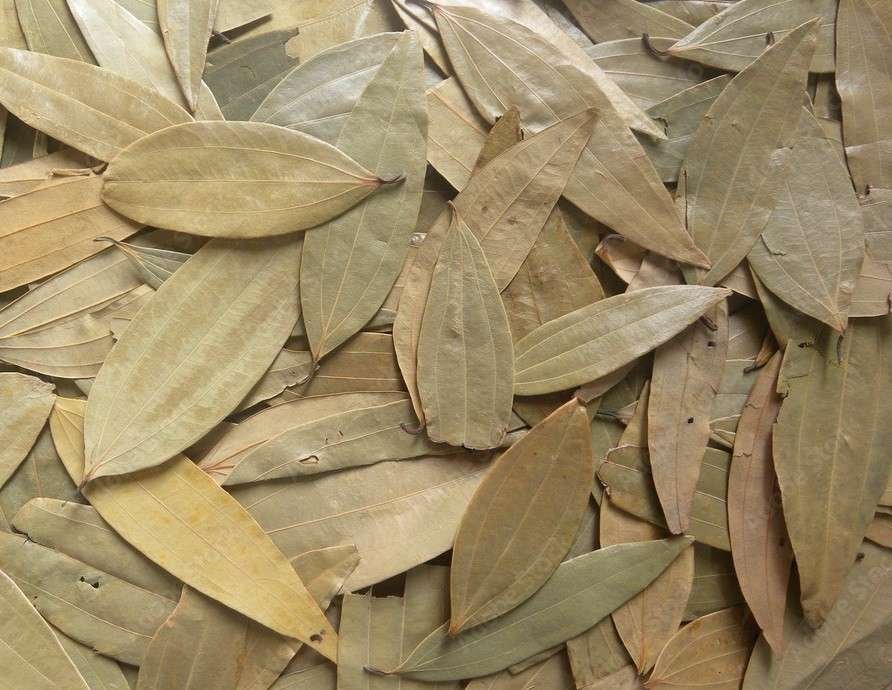
Bay Leaf (Tej Patta), commonly known as Tej Patta in India, is one of the most aromatic and widely used culinary leaves in the world. Known for its warm fragrance, subtle bitterness, and earthy flavor, Bay Leaf has been an essential ingredient in traditional cooking for centuries. It is commonly used in soups, curries, rice dishes, stews, sauces, and spice blends to enhance aroma and depth of flavor.
Bay Leaf comes from several species of aromatic trees and shrubs belonging mainly to the Lauraceae family. The leaves are typically dried before use because drying intensifies their fragrance and flavor. In Indian cuisine, Tej Patta is an important spice used in biryanis, pulao, curries, dals, and masala blends.
Throughout history, Bay Leaf has been valued not only for its culinary importance but also for its traditional medicinal uses and symbolic significance. Ancient civilizations including the Greeks and Romans associated Bay Leaf with wisdom, victory, and protection. In traditional wellness systems, Bay Leaf was often used in herbal preparations and aromatic remedies.
Today, Bay Leaf is available in several forms including whole dried leaves, powdered Bay Leaf, essential oils, herbal teas, and seasoning blends. Modern interest in Bay Leaf continues to grow because of its antioxidants, plant compounds, aromatic qualities, and culinary versatility.
History and Origin of Bay Leaf (Tej Patta)
Bay Leaf has a long and fascinating history dating back thousands of years. It is believed to have originated in the Mediterranean region, where ancient civilizations highly valued the aromatic leaves.
In ancient Greece and Rome, Bay Leaf symbolized honor, wisdom, and victory. Victorious athletes, scholars, and military leaders were crowned with laurel wreaths made from Bay Leaf branches. The term “baccalaureate” is even linked to the tradition of wearing laurel crowns.
Ancient healers also used Bay Leaf in herbal remedies and aromatic preparations. The leaves were believed to support digestion, respiratory comfort, and general wellness.
As trade routes expanded, Bay Leaf spread to Asia, the Middle East, and other parts of Europe. In India, Tej Patta became an important spice in Mughlai cuisine and traditional spice blends.
Today, Bay Leaf is cultivated in many countries including India, Turkey, Italy, Greece, Morocco, and the United States. It remains one of the most commonly used aromatic spices worldwide.
What Is Bay Leaf (Tej Patta)?
Bay Leaf is an aromatic leaf used mainly for flavoring food. The leaves are generally dried and added whole to dishes during cooking. Bay Leaf provides a mild earthy flavor with herbal, floral, and slightly peppery notes.
Indian Bay Leaf or Tej Patta differs from Mediterranean Bay Leaf in aroma and appearance. Indian Bay Leaves are generally longer and have flavors somewhat similar to cinnamon and cloves.
Bay Leaf is usually removed before serving because the dried leaves remain stiff and sharp even after cooking.
Types of Bay Leaf
Indian Bay Leaf (Tej Patta)
Indian Bay Leaf is commonly used in Indian cuisine. It has a warm aroma with hints of cinnamon and clove.
Mediterranean Bay Leaf
Mediterranean Bay Leaf comes from the bay laurel tree and is widely used in European cooking.
California Bay Leaf
California Bay Leaf has a stronger and sharper flavor than Mediterranean varieties.
Indonesian Bay Leaf
Known locally as salam leaf, this variety is popular in Indonesian cuisine.
Nutritional Value of Bay Leaf (Tej Patta)
Bay Leaf contains several nutrients and plant compounds that contribute to its popularity in traditional wellness practices.
Nutrients Found in Bay Leaf
- Vitamin A
- Vitamin C
- Iron
- Calcium
- Potassium
- Magnesium
- Manganese
- Dietary fiber
- Antioxidants
- Essential oils
Bay Leaf also contains aromatic compounds such as eugenol and cineole that contribute to its fragrance.
Health Benefits of Bay Leaf (Tej Patta)
Rich in Antioxidants
Bay Leaf contains antioxidants that may help protect the body from oxidative stress caused by free radicals.
May Support Digestion
Traditional practices often used Bay Leaf to support digestion and reduce digestive discomfort.
May Support Respiratory Wellness
The aromatic compounds in Bay Leaf have traditionally been used in herbal steam and warming preparations.
May Support Immune Health
Bay Leaf contains vitamin C and plant compounds that may contribute to overall immune wellness.
May Support Heart Health
Some compounds found in Bay Leaf are being studied for their potential cardiovascular benefits.
May Help Manage Stress
The soothing aroma of Bay Leaf is commonly used in aromatherapy and relaxation practices.
May Support Skin Wellness
Bay Leaf essential oil is sometimes used in skincare and massage preparations.
May Support Blood Sugar Balance
Some early studies are exploring whether Bay Leaf compounds may support healthy blood sugar levels.
Culinary Uses of Bay Leaf (Tej Patta)
Rice Dishes
Bay Leaf is commonly used in biryani, pulao, and flavored rice recipes.
Curries and Stews
Tej Patta adds depth and aroma to curries, gravies, and slow-cooked dishes.
Soups
Bay Leaf is often added to soups and broths for enhanced flavor.
Spice Blends
Bay Leaf is included in garam masala and many seasoning blends.
Marinades
The leaves are sometimes used in marinades for vegetables and proteins.
Sauces
European sauces and tomato-based recipes often use Bay Leaf for aroma.
Herbal Tea
Some traditional herbal teas include Bay Leaf for its warming fragrance.
Bay Leaf in Indian Cuisine
Tej Patta is an essential spice in Indian cooking and is widely used in North Indian, Mughlai, and Bengali cuisines.
Biryani and Pulao
Bay Leaf is commonly tempered in oil or ghee before rice dishes are prepared.
Curry Preparation
The leaves are often sautéed with whole spices like cloves, cinnamon, and cardamom.
Masala Blends
Bay Leaf contributes aroma and balance to traditional spice mixtures.
Lentil Dishes
Many dal recipes include Tej Patta during slow cooking.
Bay Leaf vs Curry Leaves
Although often confused, Bay Leaf and Curry Leaves are completely different ingredients.
| Feature | Bay Leaf | Curry Leaves |
|---|---|---|
| Flavor | Mild and earthy | Strong and citrusy |
| Texture | Dry and stiff | Fresh and soft |
| Common Cuisine | Indian and European | South Indian |
| Usage | Slow cooking | Tempering |
Both spices are important but serve different culinary purposes.
Cultivation of Bay Leaf (Tej Patta)
Bay Leaf trees thrive in warm climates with moderate humidity.
Ideal Growing Conditions
- Warm temperatures
- Well-drained soil
- Partial to full sunlight
- Moderate watering
Planting Process
Bay Leaf plants are commonly grown from seeds or cuttings.
Harvesting
Leaves are harvested once mature and then dried naturally to intensify flavor.
Drying Process
Drying helps preserve aroma and extends shelf life.
Environmental Importance of Bay Leaf Cultivation
Bay Leaf cultivation contributes to agriculture and environmental sustainability.
Supports Biodiversity
Bay trees can provide habitat for birds and insects.
Soil Protection
Tree roots may help reduce soil erosion.
Economic Importance
Bay Leaf farming supports spice markets and agricultural communities.
Sustainable Agriculture
Bay trees can grow for many years and require relatively low maintenance.
Bay Leaf Essential Oil
Bay Leaf (Tej Patta) essential oil is extracted from the leaves and used in aromatherapy and personal care products.
Uses of Bay Leaf Oil
- Massage oil
- Aromatherapy
- Herbal blends
- Hair care products
- Skincare preparations
The oil has a warm and spicy aroma.
Bay Leaf in Traditional Wellness Practices
For centuries, Bay Leaf (Tej Patta) has been included in traditional herbal systems.
Traditional Uses
- Herbal steam
- Aromatic baths
- Digestive teas
- Relaxation practices
- Warming remedies
Ancient cultures valued Bay Leaf (Tej Patta) for both symbolic and practical purposes.
Storage Tips for Bay Leaf (Tej Patta)
Proper storage helps preserve aroma and flavor.
Whole Bay Leaves
- Store in airtight containers
- Keep away from sunlight and moisture
- Place in cool, dry conditions
Bay Leaf Powder
Ground Bay Leaf (Tej Patta) should be stored carefully because it loses aroma faster.
Shelf Life
Dried Bay Leaves can retain flavor for many months when stored properly.
Side Effects and Precautions
Bay Leaf (Tej Patta) is generally safe in culinary amounts, but excessive use may cause issues.
Possible Side Effects
- Digestive discomfort
- Allergic reactions in sensitive individuals
- Irritation from consuming whole leaves
Important Precaution
Whole Bay Leaves should usually be removed before serving because they remain tough and sharp after cooking.
Moderation Is Recommended
Balanced consumption is important when using herbal products and essential oils.
Interesting Facts About Bay Leaf (Tej Patta)
- Bay Leaf symbolized victory in ancient Greece and Rome.
- Laurel wreaths were made from Bay Leaf branches.
- Indian Tej Patta differs from Mediterranean Bay Leaf.
- Bay Leaf belongs to the same family as cinnamon and avocado.
- Dried Bay Leaves are more aromatic than fresh leaves.
- Bay Leaf is widely used in both Asian and European cuisines.
Why Bay Leaf Remains Popular Worldwide
Bay Leaf remains popular because of its subtle flavor, pleasant aroma, and versatility in cooking. It enhances dishes without overpowering other ingredients and works well in both vegetarian and non-vegetarian recipes.
From Indian biryanis and curries to European soups and sauces, Bay Leaf (Tej Patta) continues to play a major role in global cuisine. Its traditional significance, aromatic qualities, and compatibility with many dishes make it one of the world’s most respected culinary spices.
As interest in traditional cooking and natural ingredients grows, Bay Leaf (Tej Patta) continues to be appreciated by chefs, home cooks, herbal enthusiasts, and food lovers worldwide.
FAQs
What is Bay Leaf used for?
Bay Leaf is used to flavor soups, curries, rice dishes, sauces, stews, and spice blends.
Is Tej Patta the same as Bay Leaf?
Tej Patta is a type of Indian Bay Leaf commonly used in Indian cuisine.
Can Bay Leaf be eaten directly?
Bay Leaf is generally removed before serving because the dried leaves remain tough and sharp.
What does Bay Leaf taste like?
Bay Leaf has a mild earthy, herbal, slightly floral, and peppery flavor.
Is Bay Leaf healthy?
Bay Leaf contains antioxidants, vitamins, minerals, and aromatic compounds that may support overall wellness.
How should Bay Leaf be stored?
Store Bay Leaf in airtight containers away from heat, sunlight, and moisture.
What is the difference between Bay Leaf and Curry Leaves?
Bay Leaf has a mild earthy flavor, while Curry Leaves are more citrusy and commonly used in South Indian tempering.
Can Bay Leaf be used in tea?
Yes, some herbal teas include Bay Leaf for its aroma and warming qualities.
Conclusion
Bay Leaf , also known as Tej Patta, is far more than a simple cooking ingredient. It represents centuries of culinary tradition, herbal wisdom, and aromatic craftsmanship. From ancient laurel wreaths in Greece to fragrant biryanis in India, Bay Leaf has influenced cuisines and cultures around the world.
Its subtle flavor, nutritional value, and versatility continue to make it an essential spice in kitchens globally. Whether used in soups, curries, sauces, or herbal preparations, Bay Leaf (Tej Patta) adds warmth, depth, and aroma to countless dishes.
As appreciation for traditional spices and natural cooking continues to grow, Bay Leaf remains a timeless culinary treasure valued by chefs, home cooks, and herbal enthusiasts everywhere.
Also read: