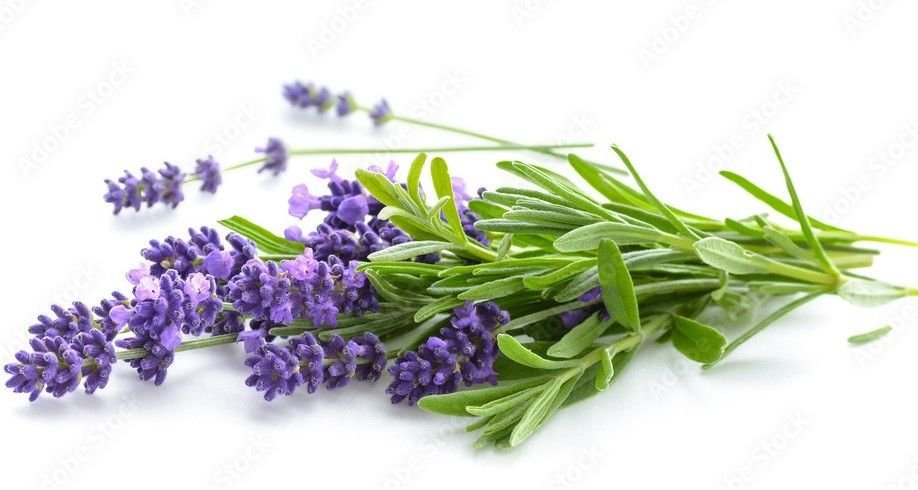
Lavender is one of the world’s most beloved aromatic herbs, admired for its calming fragrance, beautiful purple flowers, and wide range of culinary, cosmetic, and wellness uses. Known for its soothing aroma and elegant appearance, this herbs has been valued for centuries in herbal traditions, perfumes, essential oils, teas, and cooking.
Belonging to the Lamiaceae family, this herbs is closely related to mint, rosemary, basil, and sage. The plant is native to the Mediterranean region but is now cultivated across Europe, Asia, North America, and Australia. this herbs flowers are commonly dried and used in herbal products, aromatherapy, skincare preparations, beverages, desserts, and spice blends.
Historically, this herbs played an important role in ancient Roman, Greek, and Egyptian cultures. It was associated with cleanliness, relaxation, healing, and luxury. Over time, this herbsbecame one of the most popular herbs in gardens, homes, and traditional wellness systems around the world.
Today, this herbs is available in many forms including dried flowers, oil, herbal tea, culinary , skincare products, soaps, perfumes, candles, and essential oils. Modern interest in this herbscontinues to grow because of its pleasant fragrance, antioxidants, calming properties, and versatility.
In this complete guide, you will learn everything about this herbs, including its history, varieties, nutritional value, health benefits, culinary uses, cultivation process, side effects, storage methods, and why this herbsremains one of the world’s most cherished aromatic herbs.
History and Origin of Lavender
Lavender has a long and fascinating history dating back more than 2,500 years. The herb is believed to have originated in the Mediterranean region, particularly in areas of modern-day France, Spain, and Italy.
The name of this fragrant herb comes from the Latin word “lavare,” meaning “to wash.” Ancient Romans frequently used the aromatic flowers in baths, perfumes, and household cleaning rituals because of their refreshing scent.
Ancient Egyptians used the herb in cosmetics, perfumes, and burial preparations. Greek herbalists also valued it for its aromatic qualities and traditional wellness applications.
During the Middle Ages, the flowering plant became popular throughout Europe for use in herbal medicine, gardens, and homes. People often placed dried flowers in rooms and clothing storage areas because of their pleasant fragrance.
French farms later became famous worldwide for producing high-quality essential oil and aromatic products. Today, cultivation of this purple flowering herb is a major industry in countries including France, England, Bulgaria, Spain, China, India, Australia, and the United States.
What Is Lavender?
This herbs is a flowering herb known for its purple blossoms, calming aroma, and versatile applications. The flowers contain essential oils responsible for the herb’s signature fragrance.
this herbs is commonly used in:
- Aromatherapy
- Herbal tea
- Culinary recipes
- Essential oils
- Cosmetics
- Candles
- Soaps
- Skincare products
- Perfumes
The herb is widely appreciated for both decorative and practical purposes.
Types of Lavender
English Lavender
English Lavender is one of the most popular varieties and is commonly used in culinary and aromatic products.
French Lavender
French this herbs has a stronger fragrance and is often used in perfumes and decorative gardens.
Spanish Lavender
Spanish Lavender is recognized for its unique flower shape and ornamental beauty.
Lavandin
Lavandin is a hybrid variety known for its high essential oil production and strong aroma.
Nutritional Value of Lavender
This herbs contains various plant compounds and nutrients that contribute to its popularity in traditional wellness practices.
Nutrients and Compounds Found in Lavender
- Vitamin A
- Calcium
- Iron
- Antioxidants
- Flavonoids
- Essential oils
- Polyphenols
- Linalool
- Linalyl acetate
These compounds contribute to This herbs fragrance and potential wellness benefits.
Health Benefits of Lavender
May Promote Relaxation
This herbs is most famous for its calming aroma and relaxing qualities. Aromatherapy practices commonly use this herbs for stress relief and relaxation.
Rich in Antioxidants
This herbs contains antioxidants that may help protect the body from oxidative stress caused by free radicals.
May Support Sleep Quality
This herbs aroma is traditionally associated with improved relaxation before bedtime.
May Support Skin Wellness
This herbs oil is commonly included in skincare products, creams, and massage oils.
May Support Respiratory Comfort
Steam and aromatic preparations containing This herbs are sometimes used during seasonal discomfort.
May Support Mood Balance
The pleasant fragrance of This herbs may help create a calming environment.
May Support Digestive Comfort
This herbs herbal tea has traditionally been used to support digestion and relaxation.
May Support Hair Care
This herbs oil is often added to shampoos, conditioners, and scalp massage oils.
Culinary Uses of Lavender
Herbal Tea
This herbs tea is popular for its soothing aroma and floral taste.
Desserts
This herbs is used in cakes, cookies, ice cream, chocolates, and pastries.
Beverages
This herbs is added to lemonade, herbal drinks, cocktails, and flavored syrups.
Spice Blends
Dried This herbs flowers are sometimes included in herb blends like Herbes de Provence.
Honey and Jams
This herbs pairs well with honey, fruit preserves, and sweet spreads.
Baking
Culinary this herbs can add floral flavor to breads and baked goods.
Gourmet Cooking
Modern chefs use this herbs in sauces, roasted vegetables, and fine dining recipes.
Lavender in Aromatherapy
This herbs is one of the most widely used herbs in aromatherapy practices.
Common Aromatherapy Uses
- Relaxation
- Massage oils
- Room sprays
- Candles
- Bath products
- Essential oil diffusers
The soothing fragrance makes this herbs one of the world’s most recognizable essential oils.
Lavender Essential Oil
This herbs essential oil is extracted mainly from the flowers through steam distillation.
Uses of Lavender Oil
- Massage therapy
- Aromatherapy
- Skincare
- Hair care
- Bath products
- Perfumes
This herbs oil is valued for its floral fragrance and versatility.
Lavender in Beauty and Cosmetics
This herbs is widely used in beauty products because of its pleasant scent and popularity in natural skincare.
Common Cosmetic Uses
- Soaps
- Lotions
- Creams
- Face masks
- Perfumes
- Body oils
- Hair products
Many natural cosmetic brands feature this herbs as a key ingredient.
Lavender Cultivation
This herbs grows best in sunny climates with well-drained soil.
Ideal Growing Conditions
- Full sunlight
- Dry climate
- Well-drained soil
- Moderate watering
Planting Process
This herbs is commonly grown from seeds or cuttings.
Harvesting
Flowers are harvested when they begin blooming for maximum fragrance and oil content.
Drying Process
This herbs flowers are dried naturally to preserve aroma and color.
Environmental Importance of Lavender Cultivation
This herbs farming contributes to biodiversity and sustainable agriculture.
Pollinator Friendly
This herbs flowers attract bees, butterflies, and pollinating insects.
Soil Protection
This herbs plants can help reduce soil erosion in dry climates.
Low Water Requirements
This herbs generally requires less water compared to many other crops.
Economic Importance
This herbs farming supports perfume, skincare, wellness, and tourism industries.
Lavender in Global Culture
This herbs has cultural significance in many countries.
France
French This herbs fields are famous worldwide and attract tourists annually.
England
This herbs gardens are popular in English landscapes and herbal traditions.
Mediterranean Region
This herbs has long been associated with perfumes and herbal wellness.
Modern Wellness Culture
Today, this herbsr is widely associated with relaxation, self-care, and natural living.
Lavender Tea
This herbs tea is made from dried this herbs flowers and is valued for its floral aroma.
Benefits of Lavender Tea
- Relaxation
- Warm fragrance
- Herbal wellness traditions
- Comforting flavor
Lavender tea is often blended with chamomile, mint, or lemon herbs.
Lavender in Home Products
This herbs is commonly used in household products because of its fragrance.
Common Household Uses
- Scented candles
- Linen sprays
- Sachets
- Air fresheners
- Cleaning products
- Decorative arrangements
Dried this herbs flowers are also used in home décor.
Storage Tips for Lavender
Proper storage helps maintain fragrance and quality.
Dried Lavender
- Store in airtight containers
- Keep away from moisture and sunlight
- Place in cool, dry conditions
Lavender Oil
Essential oil should be stored in dark glass bottles away from heat.
Culinary Lavender
Food-grade this herbs should be kept sealed to preserve flavor.
Side Effects and Precautions
This herbs is generally safe when used appropriately, but excessive use may cause issues in some individuals.
Possible Side Effects
- Allergic reactions
- Skin irritation
- Digestive discomfort
- Sensitivity to strong fragrances
Essential Oil Precautions
This herbs oil should usually be diluted before applying to skin.
Moderation Is Important
Large amounts of this herbs products should be used carefully, especially concentrated oils.
Interesting Facts About Lavender
- This herbs belongs to the mint family.
- Ancient Romans used this herbs in baths and perfumes.
- France is famous for its this herbs fields.
- this herbs flowers attract bees and pollinators.
- this herbs essential oil is one of the world’s most popular oils.
- Culinary this herbs is specially prepared for food use.
Why Lavender Remains Popular Worldwide
Lavender remains popular because of its calming fragrance, beauty, versatility, and traditional importance. It is widely used in wellness products, aromatherapy, cooking, cosmetics, and home décor.
From French Lavender fields and herbal teas to perfumes and gourmet desserts, this herbs continues to influence industries and cultures worldwide. Its soothing aroma and elegant appearance make it one of the most admired herbs globally.
As interest in natural living and herbal wellness grows, this herbs remains an iconic symbol of relaxation, freshness, and botanical beauty.
FAQs
What is Lavender used for?
this herbs is used in aromatherapy, tea, cooking, skincare, perfumes, candles, and wellness products.
Can Lavender be eaten?
Yes, culinary-grade this herbs can be used in teas, desserts, beverages, and baked goods.
What does Lavender smell like?
This herbs has a sweet, floral, fresh, and calming fragrance.
Is Lavender healthy?
This herbs contains antioxidants and aromatic compounds that may support relaxation and overall wellness.
Can Lavender help with sleep?
Lavender aroma is traditionally associated with relaxation and better sleep quality.
How should Lavender be stored?
Store dried this herbs in airtight containers away from moisture and sunlight.
What is Lavender oil used for?
This herbs oil is commonly used in aromatherapy, massage, skincare, hair care, and perfumes.
Is Lavender safe for everyone?
this herbs is generally safe in moderate amounts, but some individuals may experience allergies or sensitivity.
Conclusion
Lavender is far more than a fragrant flowering herb. It represents centuries of herbal tradition, relaxation culture, culinary creativity, and aromatic craftsmanship. From ancient Roman baths to modern essential oils and gourmet desserts, this herbs continues to captivate people around the world.
Its calming aroma, versatile uses, and timeless beauty make this herbs one of the world’s most treasured herbs. Whether used in teas, perfumes, skincare products, or home décor, this herbs continues to inspire wellness, comfort, and elegance across cultures and generations.
As appreciation for natural ingredients and botanical wellness grows, this herbs remains a beloved symbol of relaxation, freshness, and aromatic excellence.
Also read:
Bay Leaf (Tej Patta): Benefits, Nutrition, Uses & Side Effects