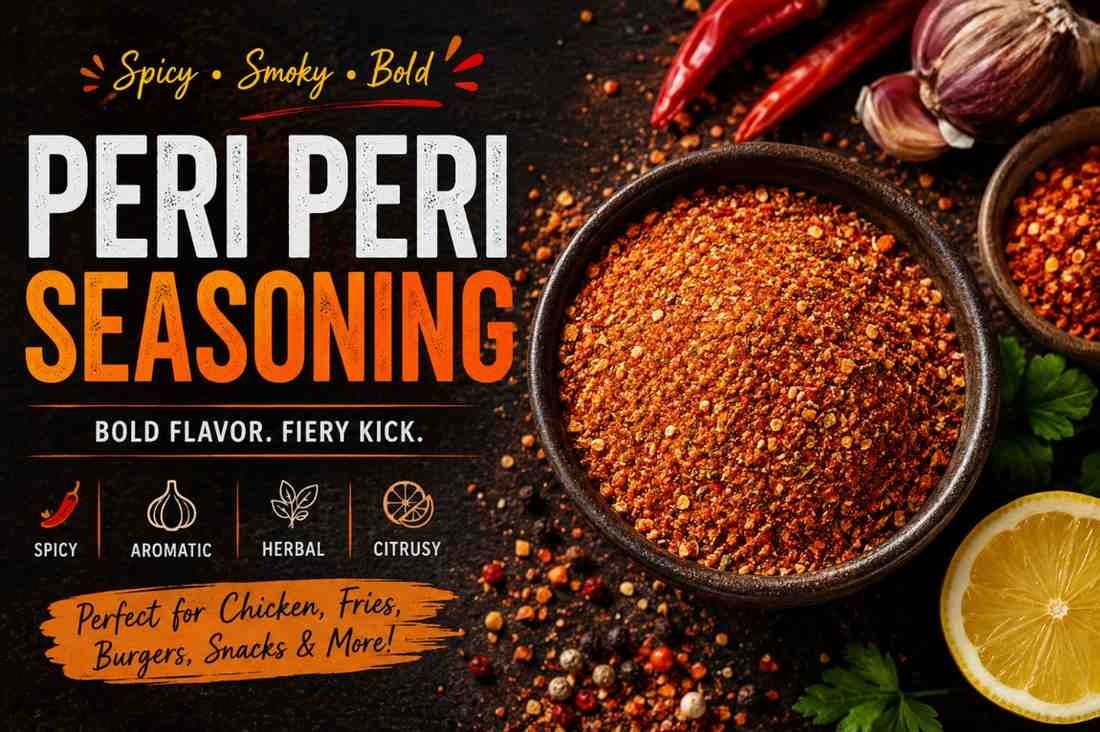
Peri Peri seasoning is one of the world’s most popular spicy seasoning blends, loved for its bold flavor, smoky heat, and vibrant aroma. Famous for its connection to grilled chicken, fries, burgers, and spicy snacks, this seasoning has become a global food trend that continues growing in restaurants, street food culture, and home kitchens.
Known for its fiery and tangy taste, this seasoning combines chili peppers with herbs, spices, garlic, citrus flavors, and aromatic ingredients. It is commonly associated with Portuguese and African cuisine, especially dishes inspired by Mozambique and Angola. Over the years, this flavorful seasoning has expanded far beyond traditional cooking and is now widely used in fast food, fusion cuisine, and social media food recipes.
Today, this seasoning appears in:
- Chicken marinades
- French fries
- Burgers
- Pizza toppings
- Rice dishes
- Popcorn
- Snacks and chips
Its spicy flavor and versatility have made it especially popular among younger audiences and food bloggers.
Modern interest in this seasoning continues to rise because consumers increasingly seek bold flavors, spicy foods, and restaurant-style recipes at home. Viral recipe videos, fast-food trends, and spicy food challenges have further increased its popularity worldwide.
In this complete guide, you will learn everything about Peri Peri seasoning, including its history, ingredients, nutritional value, culinary uses, flavor profile, varieties, preparation methods, storage tips, side effects, and why it remains one of the hottest seasoning trends today.
What Is Peri Peri Seasoning?
Peri Peri Seasoning is a spicy seasoning blend made primarily from chili peppers, herbs, and aromatic spices.
The seasoning is inspired by Peri Peri peppers, also called:
- Piri Piri peppers
- African Bird’s Eye chilies
Peri Peri seasoning is known for its:
- Spicy heat
- Smoky flavor
- Tangy notes
- Savory aroma
It is commonly used as:
- Dry rub
- Marinade base
- Table seasoning
- Snack flavoring
History and Origin of Peri Peri
Peri Peri seasoning has roots connected to Portuguese and African culinary traditions.
African Origins
The African Bird’s Eye chili is believed to have become popular in regions such as:
- Mozambique
- Angola
- Southern Africa
Portuguese explorers introduced chili peppers from the Americas to Africa centuries ago. Over time, local communities combined these chilies with herbs, citrus, garlic, and spices to create flavorful sauces and seasonings.
Portuguese Influence
Portuguese cuisine helped spread Peri Peri flavors internationally through:
- Grilled chicken dishes
- Marinades
- Restaurant chains
- Fusion cuisine
Today, Peri Peri seasoning is enjoyed worldwide.
What Does Peri Peri Mean?
The term “Peri Peri” or “Piri Piri” is associated with African Bird’s Eye chili peppers.
The name became globally famous through:
- Portuguese-African cuisine
- Grilled chicken restaurants
- Spicy fast food trends
Main Ingredients in Peri Peri Seasoning
Peri Peri seasoning can vary between brands and recipes, but most blends contain similar ingredients.
Common Ingredients
- Chili peppers
- Paprika
- Garlic powder
- Onion powder
- Lemon powder or citrus zest
- Black pepper
- Oregano
- Salt
- Smoked spices
Some blends may also include:
- Cayenne pepper
- Parsley
- Sugar
- Vinegar powder
Flavor Profile of Peri Peri Seasoning
Peri Peri seasoning is famous for its balanced spicy flavor.
Flavor Characteristics
- Spicy
- Smoky
- Tangy
- Savory
- Slightly citrusy
- Aromatic
Unlike plain chili powder, Peri Peri seasoning combines heat with layers of herbs and spices.
Heat Level of Peri Peri Seasoning
The spice level depends on the blend and amount of chili used.
Typical Heat Range
Peri Peri seasoning ranges from:
- Mild
- Medium
- Hot
- Extra hot
The seasoning usually feels less intense than extremely hot peppers like Ghost Pepper but hotter than ordinary paprika seasoning.
Culinary Uses of Peri Peri Seasoning
Peri Peri seasoning is one of the most versatile seasoning blends in modern cooking.
1. Peri Peri Chicken
One of the most famous dishes using the seasoning.
Common Preparation
- Chicken marinated with Peri Peri spices
- Grilled or roasted
- Served with fries or rice
2. French Fries
Peri Peri fries became extremely popular in fast-food restaurants and social media recipes.
3. Burgers and Sandwiches
The seasoning adds:
- Heat
- Smokiness
- Tangy flavor
to burgers and wraps.
4. Pizza
Many restaurants use this seasoning on:
- Chicken pizza
- Veggie pizza
- Spicy crusts
5. Rice and Noodles
this seasoning can flavor:
- Fried rice
- Instant noodles
- Pasta dishes
6. Snacks
Popular Peri Peri-flavored snacks include:
- Chips
- Popcorn
- Nuts
- Crackers
Why Peri Peri Seasoning Became So Popular
Several food trends contributed to the global popularity of this seasoning.
1. Fast Food Culture
Many restaurant chains introduced:
- Peri Peri fries
- Spicy chicken
- Peri Peri burgers
2. Social Media Food Trends
TikTok, Instagram, and YouTube helped popularize:
- Spicy food recipes
- Peri Peri snacks
- Viral chicken recipes
3. Demand for Bold Flavors
Consumers increasingly prefer:
- Smoky flavors
- Spicy seasonings
- Restaurant-style food at home
4. Fusion Cuisine
this seasoning works well across many cuisines.
Nutritional Value of Peri Peri Seasoning
Although used in small quantities, Peri Peri seasoning contains nutrients and plant compounds from spices and herbs.
Nutrients Found in Peri Peri Seasoning
- Antioxidants
- Vitamin A (from chili and paprika)
- Vitamin C
- Iron
- Potassium
The exact nutritional profile depends on the ingredients used.
Health-Related Interest in Peri Peri Seasoning
this seasoning has gained popularity among people interested in flavorful cooking and spicy foods.
1. Capsaicin Content
The chili peppers contain capsaicin, the compound responsible for spicy heat.
2. Antioxidants
Paprika and herbs contribute antioxidant compounds.
3. Flavor Enhancement
this seasoning adds strong flavor without requiring heavy sauces.
4. Culinary Satisfaction
Spicy foods may help make meals feel more flavorful and exciting.
Peri Peri Sauce vs Peri Peri Seasoning
| Peri Peri Sauce | Peri Peri Seasoning |
|---|---|
| Liquid form | Dry spice blend |
| Used as marinade | Used as dry rub |
| Contains vinegar/oil | Powder-based |
| Refrigeration needed | Long shelf life |
Both are commonly used together in recipes.
Homemade Peri Peri Seasoning Recipe
Many people prepare homemade blends.
Basic Ingredients
- Paprika
- Chili powder
- Garlic powder
- Onion powder
- Oregano
- Salt
- Black pepper
- Lemon zest powder
Preparation
- Combine all ingredients
- Mix thoroughly
- Store in airtight container
Homemade seasoning allows spice-level customization.
Peri Peri Chicken: The Most Famous Dish
Peri Peri chicken became globally famous because of:
- Restaurant chains
- Fast food culture
- Grilled chicken trends
The dish is known for:
- Smoky flavor
- Crispy texture
- Spicy marinade
Peri Peri in Fast Food Culture
Peri Peri seasoning became especially popular in:
- Quick-service restaurants
- Street food
- Casual dining chains
Trending menu items include:
- Peri Peri fries
- Chicken wings
- Burgers
- Rice bowls
Peri Peri in Social Media Recipes
Food creators frequently feature this seasoning because:
- Bright red color looks attractive
- Spicy recipes generate engagement
- Fast recipes perform well online
Popular social media recipes include:
- Peri Peri popcorn
- Peri Peri pasta
- Air fryer chicken
- Loaded fries
Different Varieties of Peri Peri Seasoning
1. Mild Peri Peri
Balanced flavor with lower heat.
2. Hot Peri Peri
Extra chili intensity.
3. Smoky Peri Peri
Contains smoked paprika for BBQ flavor.
4. Lemon Herb Peri Peri
Combines citrus and herbs with mild heat.
How to Use Peri Peri Seasoning Properly
Cooking Tips
- Sprinkle lightly at first
- Use as marinade rub
- Mix with yogurt or oil for sauces
- Add after cooking for extra flavor
Peri Peri Seasoning in Vegetarian Cooking
This seasoning works extremely well with vegetarian recipes.
Popular Uses
- Roasted potatoes
- Paneer
- Tofu
- Corn
- Cauliflower
- Grilled vegetables
Storage Tips for Peri Peri Seasoning
Proper storage preserves flavor and freshness.
Best Practices
- Store in airtight containers
- Keep away from moisture
- Avoid direct sunlight
- Use dry spoons only
Freshness usually lasts several months.
Side Effects and Precautions
This seasoning is generally safe in culinary amounts.
Possible Concerns
- Spicy heat sensitivity
- Digestive discomfort if overconsumed
- Salt content in commercial blends
People sensitive to spicy foods should start with small amounts.
Peri Peri Seasoning in Modern Food Trends
This seasoning remains highly popular because it fits several modern food trends.
Current Trends
- Spicy food culture
- Fusion cuisine
- Fast-food-inspired home recipes
- Air fryer recipes
- Snack seasonings
Economic Importance of Peri Peri Products
The growing demand for Peri Peri products supports:
- Spice manufacturers
- Fast-food businesses
- Sauce brands
- Snack industries
Peri Peri has become a major commercial flavor category.
Interesting Facts About Peri Peri Seasoning
- Peri Peri peppers originated from African Bird’s Eye chilies.
- Portuguese influence helped spread the flavor globally.
- Peri Peri fries became a major fast-food trend.
- The seasoning works in both vegetarian and meat dishes.
- Social media significantly increased its popularity.
Popular Recipes Using Peri Peri Seasoning
Popular dishes include:
- Peri Peri chicken
- Peri Peri fries
- Spicy burgers
- Rice bowls
- Pasta
- Popcorn
- Pizza
- Roasted vegetables
Future of Peri Peri Seasoning
This seasoning is expected to remain highly popular because consumers increasingly seek:
- Bold spicy flavors
- Restaurant-style meals at home
- Global cuisine experiences
- Viral food trends
Its versatility and strong flavor continue driving global demand.
FAQs
What is Peri Peri seasoning made of?
this seasoning is usually made from chili peppers, paprika, garlic powder, onion powder, herbs, salt, and citrus-based ingredients.
Is Peri Peri seasoning very spicy?
The spice level varies depending on the blend. Some versions are mild, while others are extremely hot.
What does Peri Peri seasoning taste like?
It has a spicy, smoky, tangy, savory, and slightly citrusy flavor.
Can Peri Peri seasoning be used on fries?
Yes, Peri Peri fries are one of the most popular uses of the seasoning.
Is Peri Peri seasoning vegetarian?
Most this seasoning blends are vegetarian, but ingredient labels should always be checked.
How should Peri Peri seasoning be stored?
Store it in airtight containers away from heat, sunlight, and moisture.
Can Peri Peri seasoning be used in air fryer recipes?
Yes, it is widely used in air fryer chicken, fries, vegetables, and snacks.
Conclusion
Peri Peri seasoning has become one of the world’s most exciting and flavorful seasoning blends. With its roots in African and Portuguese culinary traditions, this spicy seasoning has evolved into a global food trend loved for its smoky heat, tangy flavor, and versatility.
From grilled chicken and fries to snacks, burgers, pasta, and fusion cuisine, this seasoning continues transforming everyday dishes into bold and flavorful meals. Its growing popularity on social media and in fast-food culture has made it a favorite among food lovers worldwide.
As spicy food trends continue growing globally, this seasoning remains a symbol of modern bold flavor culture, combining heat, aroma, and culinary creativity in one vibrant seasoning blend.
Also read: