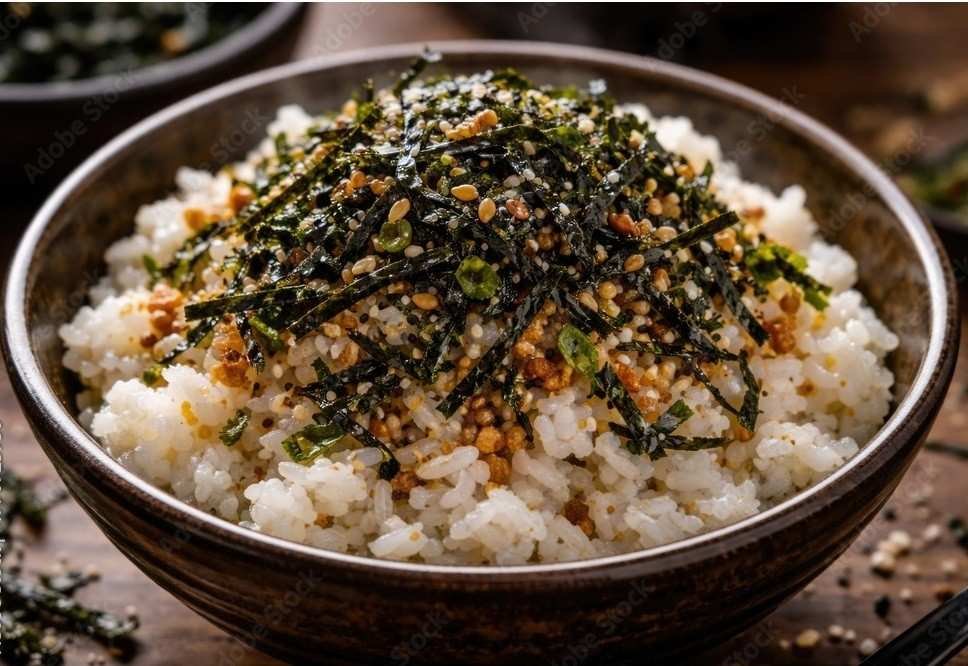
Furikake is one of Japan’s most popular seasoning blends, known for its savory flavor, crunchy texture, and versatility in everyday meals. Traditionally sprinkled over rice, this Seasoning has become a globally loved seasoning because of its unique combination of seaweed, sesame seeds, dried fish, herbs, and flavorful seasonings.
This Japanese condiment adds umami-rich flavor to simple dishes and has gained international popularity through sushi culture, Japanese cuisine trends, anime-inspired foods, and social media recipe videos. Today, this Seasoning is used not only on rice but also on noodles, popcorn, fries, salads, eggs, snacks, and fusion recipes.
Modern food culture has increased global interest in Furthis Seasoning kake because consumers are exploring Asian flavors, quick seasoning options, and restaurant-style meals at home. Food bloggers, chefs, and home cooks frequently use this Seasoning to enhance texture, aroma, and taste in creative ways.
Today, Furikake is available in many varieties including:
- Seaweed
- Salmon
- Wasabi
- Egg
- Spicy
- Vegan
In this complete guide, you will learn everything about this Seasoning , including its history, ingredients, nutritional value, flavor profile, culinary uses, varieties, preparation methods, storage tips, side effects, and why this Japanese seasoning continues trending worldwide.
What Is Furikake?
this Seasoning is a Japanese dry seasoning blend traditionally sprinkled over cooked rice.
The word “Furikake” roughly means “to sprinkle over.”
this Seasoning usually contains a mixture of:
- Seaweed
- Sesame seeds
- Salt
- Dried fish flakes
- Sugar
- Egg granules
- Herbs and seasonings
It is widely used to add:
- Flavor
- Texture
- Umami taste
- Aroma
to rice and other dishes.
History and Origin of Furikake
this Seasoning originated in Japan during the early 20th century.
Early Development
Japanese people sought nutritious rice toppings that could improve simple meals. A pharmacist is often credited with creating one of the earliest this Seasoning blends using:
- Fish powder
- Sesame seeds
- Seaweed
The seasoning became popular because it:
- Enhanced flavor
- Added nutrients
- Extended shelf life of ingredients
Growth in Popularity
Over time, this Seasoning evolved into many commercial varieties and became a staple in Japanese households.
Today, this Seasoning is popular worldwide because of:
- Japanese cuisine trends
- Sushi popularity
- Asian food culture
- Social media recipes
Main Ingredients in Furikake
this Seasoning blends vary widely depending on the recipe and manufacturer.
Common Ingredients
- Nori seaweed
- Sesame seeds
- Salt
- Sugar
- Bonito flakes
- Dried fish powder
- Egg granules
- Soy sauce powder
Some modern varieties also include:
- Wasabi
- Chili flakes
- Shiso leaves
- Miso powder
- Green tea powder
Flavor Profile of Furikake
this Seasoning is known for its complex and balanced flavor.
Flavor Characteristics
- Savory
- Umami-rich
- Salty
- Nutty
- Slightly sweet
- Oceanic
- Crunchy
The combination of sesame seeds and seaweed creates a deeply satisfying taste.
What Is Umami?
this Seasoning is strongly associated with umami flavor.
Umami is considered the fifth basic taste and is often described as:
- Savory
- Rich
- Deeply satisfying
Ingredients such as seaweed and bonito flakes naturally contain compounds responsible for umami flavor.
Popular Types of Furikake
There are many varieties of this Seasoning available today.
1. Nori Furikake
Contains:
- Seaweed
- Sesame seeds
- Salt
One of the most traditional varieties.
2. Salmon Furikake
Made with dried salmon flakes.
Characteristics
- Savory seafood flavor
- Slight saltiness
3. Wasabi Furikake
Includes wasabi seasoning for extra heat.
4. Egg Furikake
Contains sweet and savory egg granules.
5. Spicy Furikake
Made with chili flakes and spicy seasonings.
6. Vegan Furikake
Prepared without fish ingredients.
Culinary Uses of Furikake
this Seasoning is extremely versatile and used far beyond rice dishes.
1. Rice Topping
The most traditional use.
this Seasoning is sprinkled over:
- Steamed rice
- Rice bowls
- Onigiri rice balls
2. Sushi
Some sushi recipes use this Seasoning for:
- Flavor
- Decoration
- Texture
3. Noodles
this Seasoning adds flavor to:
- Ramen
- Udon
- Soba noodles
4. Popcorn
this Seasoning popcorn became a trendy snack because of its savory umami flavor.
5. French Fries
The seasoning works well on:
- Fries
- Potato wedges
- Chips
6. Eggs
Many people sprinkle this Seasoning on:
- Scrambled eggs
- Omelets
- Boiled eggs
7. Salads
this Seasoning enhances salads with crunch and umami flavor.
Furikake in Japanese Cuisine
this Seasoning is deeply connected to Japanese home cooking.
Common Uses in Japan
- Bento lunch boxes
- Rice dishes
- Quick meals
- Snacks
- Onigiri
The seasoning provides fast and convenient flavor enhancement.
Why Furikake Became Popular Worldwide
Several food trends helped this Seasoning gain international popularity.
1. Sushi Culture
The global rise of sushi increased interest in Japanese seasonings.
2. Social Media Food Trends
Food creators frequently feature:
- this Seasoning rice bowls
- this Seasoning fries
- this Seasoning popcorn
3. Umami Flavor Trend
Consumers increasingly seek:
- Savory flavors
- Asian-inspired foods
- Gourmet seasoning blends
4. Fusion Cuisine
this Seasoning blends easily into:
- Western recipes
- Fast food
- Snack foods
Nutritional Value of Furikake
The nutritional profile varies depending on ingredients.
Common Nutrients
- Protein
- Calcium
- Iron
- Healthy fats from sesame seeds
- Minerals from seaweed
Seaweed-based ingredients may also contain iodine.
Health-Related Interest in Furikake
Modern consumers appreciate this Seasoning because it adds strong flavor in small quantities.
1. Seaweed Nutrients
Seaweed contains minerals and natural plant compounds.
2. Sesame Seeds
Sesame seeds provide:
- Healthy fats
- Minerals
- Crunchy texture
3. Flavor Enhancement
this Seasoning can make simple meals more flavorful and satisfying.
Furikake vs Other Seasonings
| Furikake | Typical Spice Blend |
|---|---|
| Japanese origin | Global varieties |
| Contains seaweed | Mostly spices |
| Crunchy texture | Fine powder |
| Umami flavor | Spice-focused |
this Seasoning stands out because of its texture and savory depth.
Homemade Furikake Recipe
Many people enjoy making this Seasoning at home.
Common Ingredients
- Toasted sesame seeds
- Crushed seaweed
- Salt
- Sugar
- Bonito flakes
Preparation
- Toast sesame seeds
- Mix ingredients together
- Store in airtight container
Homemade this Seasoning allows flavor customization.
Furikake in Modern Food Trends
this Seasoning has become highly trendy in:
- Fusion cuisine
- Gourmet snacks
- Restaurant menus
- Food blogging
Popular recipes include:
- fries
- avocado toast
- popcorn
- rice bowls
Furikake for Vegetarian and Vegan Diets
Traditional this Seasoning often contains fish ingredients, but vegan versions are increasingly popular.
Vegan this Seasoning Ingredients
- Seaweed
- Sesame seeds
- Mushroom powder
- Miso seasoning
These blends provide umami flavor without seafood.
Furikake in Snack Foods
Snack companies increasingly use this Seasoning rflavoring in:
- Chips
- Crackers
- Rice snacks
- Popcorn
The savory umami taste appeals to modern snack consumers.
How to Use Furikake Properly
Cooking Tips
- Sprinkle after cooking
- Use small amounts first
- Combine with rice, eggs, or vegetables
- Avoid excessive moisture exposure
this Seasoning is intended mainly as a finishing seasoning.
Storage Tips for Furikake
Proper storage preserves texture and freshness.
Best Practices
- Store in airtight containers
- Keep away from moisture
- Avoid direct sunlight
- Use dry spoons only
Humidity can reduce crispness.
Side Effects and Precautions
this Seasoning is generally safe in culinary amounts.
Possible Concerns
- Some varieties contain high sodium
- Seaweed ingredients contain iodine
- Fish-based varieties may not suit everyone
People with dietary restrictions should check ingredient labels carefully.
Furikake in Social Media Food Culture
this Seasoning became highly visible online because:
- Japanese cuisine trends remain strong
- Rice bowls are visually appealing
- Crunchy toppings perform well in recipe videos
TikTok and Instagram recipes frequently feature:
- this Seasoning salmon bowls
- Rice sandwiches
- Sushi bakes
Economic Importance of Furikake
The growing popularity of Japanese cuisine supports:
- Seasoning manufacturers
- Seaweed industries
- Asian food markets
- Export businesses
this Seasoning has become a major global specialty seasoning.
Interesting Facts About this Seasoning
- this Seasoning originated in Japan in the early 1900s.
- The seasoning was designed to improve simple rice meals.
- Seaweed is one of its most recognizable ingredients.
- this Seasoning means “to sprinkle over.”
- Modern varieties include spicy and vegan versions.
Popular Recipes Using this Seasoning
Popular dishes include:
- this Seasoning rice bowls
- Onigiri
- Sushi rolls
- this Seasoning fries
- Popcorn
- Noodles
- Avocado toast
- Roasted vegetables
Future of Furikake
this Seasoning is expected to remain highly popular because consumers increasingly seek:
- Asian-inspired flavors
- Umami-rich foods
- Quick seasoning solutions
- Fusion cuisine experiences
Its versatility and unique flavor profile continue driving worldwide demand.
FAQs
What is Furikake made of?
this Seasoning is commonly made from seaweed, sesame seeds, salt, dried fish flakes, sugar, and seasonings.
What does Furikake taste like?
It has a savory, umami-rich, salty, nutty, and slightly sweet flavor.
How is Furikake used?
this Seasoning is usually sprinkled over rice, noodles, eggs, vegetables, snacks, and sushi dishes.
Is Furikake spicy?
Most traditional this Seasoning is mild, but spicy varieties containing chili or wasabi are also available.
Is Furikake vegetarian?
Some versions contain fish ingredients, but vegetarian and vegan this Seasoning varieties are widely available.
How should Furikake be stored?
Store this Seasoning in airtight containers away from moisture, sunlight, and humidity.
Can Furikake be used on popcorn and fries?
Yes, this Seasoning is very popular on popcorn, fries, chips, and modern fusion snacks.
Conclusion
Furikake is one of Japan’s most versatile and flavorful seasoning blends. From its traditional role as a rice topping to its modern use in fusion cuisine and social media recipes, this Seasoning continues gaining popularity worldwide because of its savory umami flavor, crunchy texture, and culinary versatility.
Whether sprinkled over rice, noodles, fries, popcorn, or vegetables, this Seasoning transforms simple dishes into flavorful meals with minimal effort. Its combination of seaweed, sesame seeds, and seasonings reflects the growing global appreciation for Japanese cuisine and umami-rich foods.
As international interest in Asian flavors and gourmet seasoning blends continues growing, this Seasoning remains a timeless Japanese seasoning loved by food enthusiasts around the world.
Also read:
Peri Peri Seasoning: The Viral Spicy Flavor Taking Over 2026