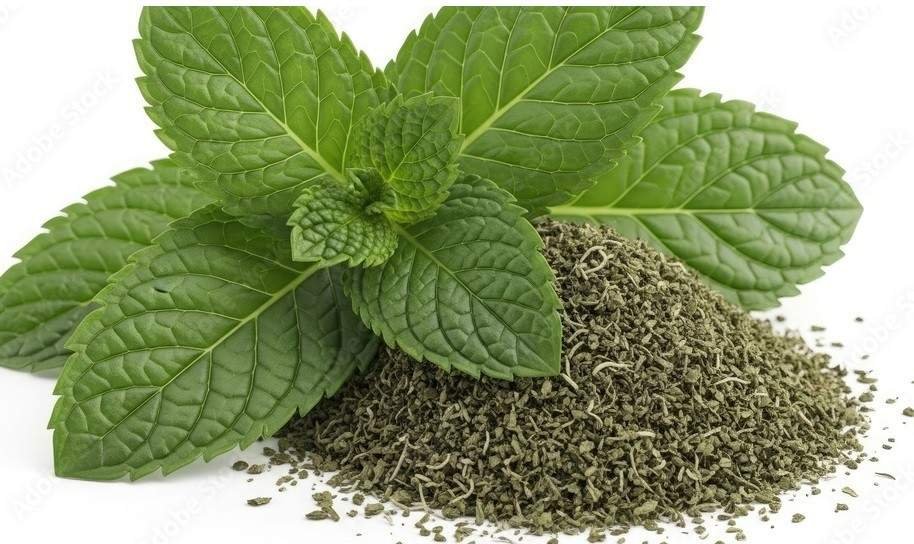
Dried mint is one of the most widely used herbs in global cuisine. Known for its refreshing aroma, cooling flavor, and versatility,mint has been an essential ingredient in culinary traditions and herbal preparations for centuries. From Middle Eastern teas and Mediterranean salads to Indian chutneys and yogurt dishes, dried mint continues to play a major role in kitchens around the world.
Mint belongs to the Mentha genus, a family of aromatic herbs famous for their cooling sensation and pleasant fragrance. While fresh mint leaves are highly popular, mint offers a stronger concentrated flavor and a longer shelf life, making it a convenient and practical herb for everyday cooking.
Today, mint is commonly used in herbal teas, soups, spice blends, curries, beverages, dips, salads, marinades, and snacks. It is also appreciated for its refreshing qualities and its traditional role in digestive and wellness-focused recipes.
Modern interest in dried mint continues to grow because it contains antioxidants, vitamins, minerals, aromatic oils, and natural plant compounds that have attracted attention in food and wellness communities. Its refreshing taste and versatility make it one of the world’s most valued culinary herbs.
What Is Dried Mint?
Dried Mint is made by drying fresh mint leaves to preserve their flavor, aroma, and shelf life.
Mint belongs to the Mentha plant family and includes several well-known varieties such as:
- Spearmint
- Peppermint
- Wild mint
- Apple mint
- Chocolate mint
The drying process removes moisture while concentrating the herb’s flavor and aroma. Dried mint is commonly crushed into flakes or powder and stored for culinary use.
History and Origin of Mint
Mint has a long and fascinating history that dates back thousands of years. Ancient civilizations used mint in cooking, perfumes, beverages, and traditional herbal preparations.
Ancient Egypt
Mint leaves were reportedly used in:
- Aromatic preparations
- Traditional herbal mixtures
- Culinary applications
Ancient Greece and Rome
Greeks and Romans valued mint for:
- Flavoring foods
- Fragrant oils
- Hospitality traditions
- Household uses
Mint was often associated with freshness and cleanliness.
Middle Eastern Traditions
Mint became deeply integrated into:
- Herbal teas
- Rice dishes
- Yogurt sauces
- Meat recipes
India
Mint, commonly called pudina, became an essential herb in:
- Chutneys
- Street food
- Cooling beverages
- Spice blends
Today, mint is cultivated across many regions of the world because of its adaptability and culinary importance.
Botanical Characteristics of Mint
Mint is a fast-growing aromatic herb belonging to the Lamiaceae family.
Plant Features
- Scientific genus: Mentha
- Green fragrant leaves
- Square stems
- Small flowers
- Strong aromatic oils
Mint spreads rapidly and grows well in moist soil and moderate climates.
Nutritional Value of Dried Mint
Although dried mint is usually consumed in small quantities, it contains several beneficial nutrients and natural compounds.
Nutrients Found in Dried Mint
- Dietary fiber
- Iron
- Calcium
- Potassium
- Magnesium
- Vitamin A
- Vitamin C
- Antioxidants
- Essential oils
Dried mint also contains menthol, one of the herb’s most recognizable aromatic compounds.
Types of Mint Used for Drying
Several mint varieties are commonly dried and used in cooking.
1. Spearmint
Spearmint is one of the most common culinary mint varieties.
Characteristics
- Mild sweetness
- Refreshing aroma
- Less intense menthol flavor
It is commonly used in:
- Herbal teas
- Sauces
- Salads
2. Peppermint
Peppermint contains higher menthol content.
Characteristics
- Strong cooling sensation
- Sharp aroma
- Intense flavor
It is widely used in:
- Herbal drinks
- Desserts
- Candies
3. Wild Mint
Wild mint is used in regional cuisines and traditional herbal preparations.
4. Apple Mint
Apple mint has softer and slightly fruity flavor notes.
Flavor Profile of Dried Mint
Dried mint has a concentrated flavor that differs slightly from fresh mint.
Flavor Characteristics
- Cool
- Refreshing
- Slightly sweet
- Earthy
- Herbal
- Aromatic
Drying intensifies the herb’s flavor while reducing some freshness.
Culinary Uses of Dried Mint
Dried mint is one of the most versatile herbs in cooking.
1. Herbal Tea
Mint tea is one of the most common uses of dried mint.
Preparation
- Steep mint leaves in hot water
- Add honey or lemon if desired
Mint tea is popular worldwide because of its refreshing flavor.
2. Yogurt Dishes
mint is commonly used in:
- Raita
- Yogurt dips
- Tzatziki
- Labneh
Its cooling flavor balances creamy textures.
3. Soups and Stews
Mint adds freshness to:
- Lentil soups
- Vegetable stews
- Rice dishes
4. Salads
Crushed mint enhances:
- Grain salads
- Bean salads
- Mediterranean dishes
5. Spice Blends
Mint appears in many seasoning blends across global cuisines.
Dried Mint in Global Cuisine
Middle Eastern Cuisine
Mint is widely used in:
- Kebabs
- Rice dishes
- Yogurt sauces
- Tea preparations
Mediterranean Cuisine
Mint complements:
- Lamb dishes
- Salads
- Stuffed vegetables
- Grain bowls
Indian Cuisine
mint is popular in:
- Pudina chutney
- Biryani
- Chaat masala
- Street food toppings
Turkish Cuisine
Mint is commonly added to:
- Yogurt soups
- Meat dishes
- Rice recipes
- Herbal teas
Dried Mint Tea
Mint tea remains one of the world’s most popular herbal beverages.
Characteristics
- Refreshing taste
- Cooling aroma
- Naturally caffeine-free
Many people combine mint tea with:
- Ginger
- Lemon
- Honey
- Green tea
Mint tea is enjoyed both hot and cold.
Health Benefits of Dried Mint
mint has been traditionally valued in herbal practices for centuries. Modern interest in mint continues because of its nutritional and aromatic compounds.
1. Source of Antioxidants
Mint contains antioxidants that help protect cells from oxidative stress.
2. Traditionally Used for Digestive Comfort
Mint has historically been included in digestive herbal preparations and after-meal beverages.
3. Refreshing Sensory Experience
The menthol aroma provides a cooling and refreshing sensation.
4. Flavor Enhancement
Mint adds flavor to foods without excessive salt, sugar, or fat.
5. Traditional Herbal Uses
Many traditional wellness systems used mint in teas, infusions, and home remedies.
Menthol and Cooling Effect
Menthol is the compound responsible for mint’s cooling sensation.
It activates cold-sensitive receptors in the mouth and nose, creating a refreshing effect.
Menthol is also widely used in:
- Herbal products
- Toothpaste
- Candies
- Aromatic oils
Dried Mint in Traditional Wellness Systems
Ayurveda
Mint was traditionally associated with:
- Cooling qualities
- Seasonal beverages
- Refreshing foods
Middle Eastern Traditions
Mint tea became a symbol of hospitality and comfort in many cultures.
Mediterranean Practices
Mint was often used in herbal drinks and culinary preparations.
How Dried Mint Is Produced
Producing mint involves carefully preserving the herb’s aroma and flavor.
Step 1: Harvesting
Mint leaves are harvested before flowering for best flavor.
Step 2: Cleaning
Leaves are washed and sorted.
Step 3: Drying
Common drying methods include:
- Air drying
- Shade drying
- Dehydrators
Step 4: Crushing
Dried leaves may be crushed into flakes or powder.
Step 5: Packaging
The finished product is sealed in airtight packaging.
How to Use Dried Mint Properly
Because mint is concentrated, small amounts are usually sufficient.
Tips for Best Results
- Crush before use
- Add toward the end of cooking
- Store in airtight containers
Using too much mint may overpower recipes.
Difference Between Fresh Mint and Dried Mint
| Fresh Mint | Dried Mint |
|---|---|
| Bright flavor | Concentrated flavor |
| High moisture | Dry texture |
| Short shelf life | Long shelf life |
| Best for garnishing | Best for seasoning |
Both forms are useful depending on the recipe.
Dried Mint in Snacks and Street Food
Mint is commonly used in:
- Chaat masala
- Savory snacks
- Chips
- Crackers
- Seasoning powders
Its cooling flavor balances spicy foods especially well.
Dried Mint in Desserts and Drinks
Mint also pairs beautifully with sweet recipes.
Popular Uses
- Mint lemonade
- Herbal mocktails
- Mint syrups
- Chocolate desserts
- Ice cream
The herb adds freshness and aroma to beverages and sweets.
Growing Mint at Home
Mint is one of the easiest herbs to cultivate.
Growing Conditions
- Moist soil
- Partial sunlight
- Regular watering
- Good drainage
Mint spreads rapidly and is often grown in containers to control expansion.
Storage Tips for Dried Mint
Proper storage helps preserve flavor and aroma.
Best Storage Practices
- Store in airtight containers
- Keep away from sunlight
- Avoid moisture exposure
- Use within several months for best quality
mint can lose aroma if exposed to air for long periods.
Side Effects and Precautions
mint is generally safe in normal culinary amounts.
Possible Concerns
- Excessive consumption may cause digestive discomfort in sensitive individuals
- Strong mint products may not suit everyone
People with specific health conditions should seek professional guidance before using concentrated herbal products.
Dried Mint in Modern Food Trends
mint remains highly popular because of:
- Growing interest in herbal teas
- Mediterranean cuisine trends
- Wellness-focused cooking
- Refreshing natural flavors
Food bloggers and chefs frequently use mint in healthy and modern recipes.
Environmental Importance of Mint Cultivation
Mint cultivation supports:
- Herb farming industries
- Small-scale agriculture
- Culinary herb markets
Mint plants also attract pollinators such as bees.
Economic Importance of Mint
Mint contributes significantly to:
- Herbal tea industries
- Culinary herb markets
- Essential oil production
- Food manufacturing
Mint products are exported worldwide.
Interesting Facts About Dried Mint
- Mint belongs to the Mentha genus.
- There are dozens of mint varieties worldwide.
- mint has stronger concentrated flavor than fresh mint.
- Mint tea is one of the oldest herbal beverages in the world.
- Mint spreads rapidly in gardens.
Popular Recipes Using Dried Mint
Popular dishes and beverages include:
- Mint tea
- Raita
- Pudina chutney
- Mint rice
- Yogurt dips
- Mediterranean salads
- Herbal seasoning blends
Dried Mint vs Fresh Mint
| Dried Mint | Fresh Mint |
|---|---|
| Longer shelf life | Short shelf life |
| Concentrated aroma | Fresh flavor |
| Easy storage | Requires refrigeration |
| Best for spice mixes | Best for garnishing |
Future of Dried Mint
mint is expected to remain highly popular because consumers increasingly seek:
- Herbal ingredients
- Refreshing flavors
- Traditional culinary herbs
- Wellness-focused beverages
Its versatility and global culinary importance continue supporting demand.
FAQs
What is dried mint used for?
Dried mint is widely used in herbal teas, yogurt dishes, soups, curries, salads, spice blends, sauces, and refreshing beverages. Its cooling flavor makes it popular in Middle Eastern, Mediterranean, and Indian cuisine.
Is dried mint healthy?
Dried mint contains antioxidants, vitamins, minerals, and aromatic plant compounds that contribute to its nutritional value. It has traditionally been used in herbal preparations and wellness-focused recipes.
What does dried mint taste like?
Dried mint has a cool, refreshing, slightly sweet, and herbal flavor with a concentrated aroma compared to fresh mint leaves.
Can dried mint replace fresh mint?
Yes, dried mint can replace fresh mint in many recipes, although dried mint has a stronger and more concentrated flavor, so smaller quantities are usually needed.
Which cuisines use dried mint most?
Middle Eastern, Mediterranean, Indian, Turkish, and North African cuisines commonly use dried mint in teas, meat dishes, rice recipes, chutneys, and yogurt-based dishes.
How should dried mint be stored?
Dried mint should be stored in airtight containers away from sunlight, heat, and moisture to preserve its flavor, aroma, and freshness.
Is mint tea caffeine-free?
Pure mint tea is naturally caffeine-free, making it a popular herbal beverage enjoyed both hot and cold.
Conclusion
Dried mint is one of the world’s most refreshing and versatile herbs. From ancient civilizations to modern kitchens, it has remained a valuable ingredient because of its cooling aroma, concentrated flavor, and wide culinary applications.
Whether used in herbal teas, yogurt dishes, spice blends, salads, curries, or beverages, mint continues to enhance recipes across many cultures and cuisines. Its long shelf life and refreshing qualities make it an essential herb for home cooks, chefs, and herbal tea enthusiasts worldwide.
As global interest in herbal ingredients, wellness-focused foods, and Mediterranean cuisine continues growing, mint remains a timeless herb celebrated for its freshness, versatility, and rich culinary heritage.
Also read: