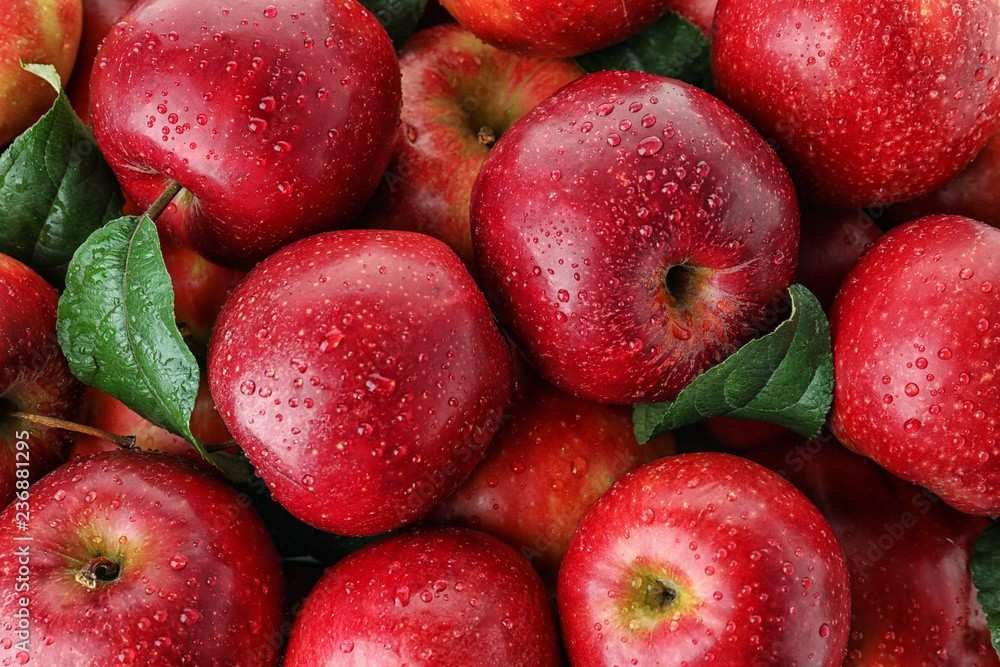
Apple is one of the most popular fruits in the world, loved for its crisp texture, refreshing taste, and impressive nutritional profile. It is affordable, easy to carry, naturally sweet, and available in many varieties. From school lunch boxes to fitness meal plans, apples remain one of the most recommended fruits for everyday health.
The saying “an apple a day keeps the doctor away” has survived for generations because apples offer many real nutritional advantages. They provide fiber, antioxidants, vitamins, minerals, and hydration while being low in calories and easy to digest.
This article explores apple nutrition, health benefits, best ways to eat apples, varieties, possible side effects, and how apples fit into a healthy lifestyle.
What Is an Apple?
An apple is a fruit that grows on trees belonging to the rose family. Apples are cultivated worldwide and come in many colors, including red, green, and yellow.
Common varieties include:
- Red apples
- Green apples
- Yellow apples
- Sweet apples
- Tart apples
Different varieties have different flavor profiles, but most offer similar nutritional value.
Nutritional Value of Apple
A medium apple provides:
- Dietary fiber
- Vitamin C
- Potassium
- Water
- Natural carbohydrates
- Antioxidants
It is naturally low in fat, sodium, and calories.
Key Nutrients in Apples
Fiber
Fiber helps:
- Digestion
- Fullness
- Gut regularity
Vitamin C
Supports:
- Immune system
- Skin health
- Collagen production
Potassium
Helps maintain:
- Muscle function
- Heart rhythm
- Fluid balance
Polyphenols
Natural plant compounds that act as antioxidants.
Why Apples Are Considered a Healthy Fruit
Apples are nutrient-dense but low in calories.
They help provide:
- Energy
- Hydration
- Digestive support
- Natural sweetness
Because apples contain both water and fiber, they help people feel full without overeating.
Health Benefits of Eating Apples Daily
1. Supports Digestive Health
The fiber in apples helps improve bowel movement and digestive comfort.
Benefits include:
- Better stool consistency
- Reduced constipation risk
- Improved gut health
The skin contains much of the fiber, so eating apples unpeeled often gives more digestive value.
2. Helps With Weight Management
Apples are filling because they contain fiber and water.
This can help:
- Reduce unnecessary snacking
- Improve satiety
- Lower calorie intake
Many people use apples as a healthy snack between meals.
3. Supports Heart Health
Apples contain soluble fiber and antioxidants that may support cardiovascular wellness.
Possible benefits include:
- Healthy cholesterol balance
- Better circulation
- Reduced oxidative stress
Potassium also contributes to healthy blood pressure balance.
4. Provides Natural Energy
Apples contain natural sugars that release energy steadily.
This makes them useful:
- Before exercise
- Mid-morning
- During afternoon energy drops
Unlike sugary snacks, apples provide fiber with their natural sugar.
5. May Support Blood Sugar Balance
Although apples contain sugar, fiber slows absorption.
This helps prevent sharp spikes compared with refined sweets.
Whole apples are usually better than apple juice for this reason.
Apple and Digestive Health
One major reason apples are recommended regularly is digestive support.
Soluble Fiber in Apples
Soluble fiber forms a gel-like texture in digestion and helps feed beneficial gut bacteria.
Insoluble Fiber
Helps move waste through the digestive tract.
Together they support overall digestive balance.
Are Apples Good for Gut Health?
Yes, apples contain compounds that help nourish healthy bacteria in the digestive system.
Healthy gut bacteria contribute to:
- Better digestion
- Immune support
- Reduced bloating
Apple for Skin Health
Apples contain antioxidants and vitamin C that support skin function.
Benefits include:
- Collagen support
- Protection from oxidative stress
- Hydration support
Vitamin C is important for maintaining healthy skin structure.
Apple for Immunity
Vitamin C and plant compounds in apples help support immune defenses.
Regular fruit intake contributes to better nutritional diversity.
Apple and Hydration
Apples contain a high percentage of water.
This helps:
- Daily hydration
- Refreshment
- Light snacking
Especially useful in warm weather.
Apple Varieties and Their Differences
Red Apples
Usually sweeter.
Popular for:
- Raw eating
- Lunch snacks
Green Apples
Often more tart.
Popular for:
- Weight-conscious diets
- Salads
Yellow Apples
Usually mild and sweet.
Popular for:
- Baking
- Light snacks
Is Green Apple Better Than Red Apple?
Granny Smith often contains slightly less sugar and a tart taste, but both red and green apples are healthy choices.
The best apple is the one you enjoy regularly.
Best Time to Eat Apples
Good times include:
- Morning
- Mid-morning snack
- Before workouts
- Afternoon hunger periods
Apples are easy to digest for most people.
Can Apples Be Eaten on an Empty Stomach?
Yes, apples are usually well tolerated on an empty stomach.
Because they contain fiber and water, many people find them gentle.
However, very sensitive stomachs may prefer apples after breakfast.
Apple for Weight Loss
Apples fit many weight-management plans because they are:
- Low calorie
- Filling
- Easy to portion
A medium apple helps reduce cravings naturally.
Why Apples Help Reduce Cravings
The chewing time and fiber content help increase fullness signals.
This often reduces desire for processed snacks.
Apple vs Juice
Whole apple is healthier than juice because juice removes much of the fiber.
Whole Apple Advantages
- More fiber
- Slower sugar absorption
- Better fullness
Juice Limitations
- Less fiber
- Faster sugar intake
Apple Peel vs Peeled Apple
Apple peel contains:
- Extra fiber
- Antioxidants
- Plant nutrients
If possible, eat washed apples with skin.
Can Apple Improve Heart Health?
Fiber and polyphenols support heart-friendly eating patterns.
Regular fruit intake helps improve overall diet quality.
Apple and Cholesterol
Soluble fiber may help reduce cholesterol absorption.
This supports healthy cholesterol levels when part of balanced eating.
Apple and Blood Pressure
Potassium supports fluid balance and healthy blood pressure regulation.
Apple for Children
Apples are widely recommended for children because they are:
- Mild
- Nutritious
- Easy to digest
For younger children, sliced or softened apples may be safer.
Apple for Older Adults
Apples support:
- Fiber intake
- Hydration
- Easy snacking
They are especially useful when appetite is reduced.
Can Apples Cause Acidity?
Usually apples are gentle, but highly acidic varieties may bother sensitive people.
Green apples may feel sharper than sweeter varieties.
Apple and Diabetes
Whole apples are often included in balanced diets because fiber slows sugar release.
Portion control still matters.
Apple and Exercise
Apples are useful before workouts because they provide natural carbohydrates.
They are light compared with heavy snacks.
Best Ways to Eat Apples
Raw Apple
Simple and nutrient-rich.
Apple Slices With Nuts
Balanced snack.
Apple in Salad
Adds crunch and sweetness.
Baked Apple
Soft and naturally sweet.
Apple With Yogurt
Balanced fiber and protein.
Apple in Breakfast Ideas
Add apples to:
- Oatmeal
- Yogurt bowls
- Smoothies
- Toast toppings
Apple in Traditional Diets
Apples fit both modern and traditional eating patterns because they are versatile.
Seasonal Importance of Apples
Although apples are available year-round, seasonal apples often taste fresher.
Storage Tips for Apples
To keep apples fresh:
- Store in cool place
- Refrigerate for longer life
- Keep away from very ripe bananas
Can Apples Turn Brown Quickly?
Yes, cut apples oxidize quickly.
Lemon juice slows browning.
Lemon is often used for this.
Apple in Cooking
Apples are widely used in:
- Salads
- Desserts
- Sauces
- Baking
Are Apples Good for Daily Eating?
Yes, daily apple intake supports balanced fruit consumption.
Variety still matters, so combine apples with other fruits too.
Possible Side Effects of Too Many Apples
Very high intake may cause:
- Bloating
- Excess fiber discomfort
- Digestive heaviness
Moderation is best.
How Many Apples Per Day Are Ideal?
For most people:
- 1 to 2 apples daily fits well within healthy fruit intake.
Why Apples Remain One of the Best Everyday Fruits
Apples are:
- Affordable
- Portable
- Nutritious
- Easy to store
- Suitable for most ages
Final Thoughts
Apple remains one of the most practical fruits for everyday health. It supports digestion, hydration, heart health, satiety, and nutrient intake while being easy to include in any meal plan.
Whether eaten raw, sliced into salads, paired with yogurt, or added to breakfast, apples provide a simple way to improve diet quality naturally.
The best habit is consistency: eating fruit regularly matters more than searching for perfect superfoods.
FAQs
1. Is apple good for weight loss?
Yes, apples are filling and low in calories.
2.Can I eat apple every day?
Yes, one apple daily is suitable for most people.
3.Is apple better with peel?
Yes, peel contains more fiber.
4.Can apple be eaten at night?
Yes, if digestion tolerates it.
5.Is green apple healthier than red apple?
Both are healthy with slight taste differences.
6.Can apples improve digestion?
Yes, fiber supports bowel regularity.
7.Is apple juice equal to whole apple?
Whole apple is usually better because of fiber.
Also read:
Husk Cherries: Nutrition Facts, Taste, and Home Growing Tips