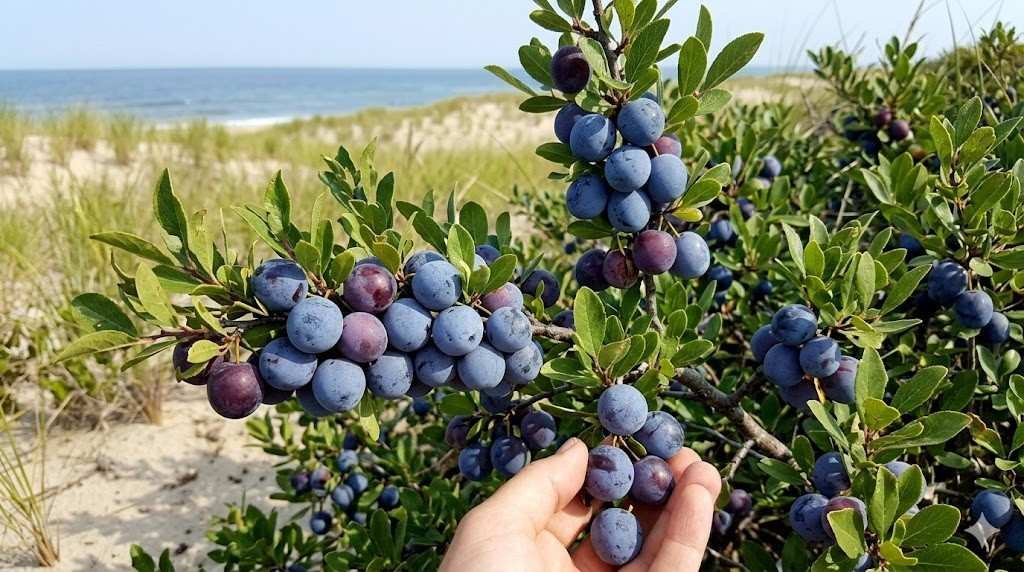
Beach plums are one of the most underrated fruits growing along coastal regions, especially in parts of United States. Small, round, and often deep purple when ripe, beach plums may look simple, but they offer impressive nutrition, rich flavor, and a strong connection to coastal ecology. In recent years, this unique fruit has gained attention among chefs, gardeners, health-conscious consumers, and food bloggers because of its versatility and natural health benefits.
This guide explores everything about beach plums—what they are, where they grow, nutritional value, health benefits, culinary uses, growing methods, and why they are becoming popular again.
What Are Beach Plums?
Beach plums are small wild fruits produced by the shrub Prunus maritima, a species native to sandy coastal dunes. The fruit belongs to the plum family but differs from common supermarket plums because of its smaller size, tart flavor, and stronger antioxidant content.
The shrub naturally grows along the eastern coast of United States, particularly in sandy environments where many other fruit plants struggle. Beach plums are highly salt-tolerant, wind-resistant, and drought-adapted, making them unique among fruit-bearing shrubs.
The fruits typically ripen from late summer to early autumn. Their color ranges from yellow-red to dark purple-blue depending on maturity and variety.
Why Beach Plums Are Becoming Popular Again
Beach plums were once mainly harvested by coastal communities for homemade preserves and traditional recipes. Today, they are returning to popularity because people are increasingly interested in:
- Native fruits
- Sustainable gardening
- Antioxidant-rich foods
- Rare fruits with unique flavor
- Coastal edible plants
Modern chefs use beach plums in sauces, desserts, syrups, and beverages because their tart-sweet flavor works beautifully in gourmet cooking.
Nutritional Value of Beach Plums
Beach plums may be small, but they contain valuable nutrients.
Approximate Nutrition Per 100 Grams
| Nutrient | Amount |
|---|---|
| Calories | 45–60 |
| Vitamin C | Moderate |
| Fiber | High |
| Potassium | Moderate |
| Antioxidants | High |
| Natural Sugars | Moderate |
Because beach plums are often eaten processed into jams or sauces, their natural nutritional value can vary depending on preparation.
Top Health Benefits of Beach Plums
1. Rich in Antioxidants
Beach plums contain anthocyanins, the same plant compounds found in blueberries and dark grapes. These antioxidants help protect cells from oxidative stress.
Antioxidants may support:
- Slower aging
- Reduced inflammation
- Better skin health
- Heart protection
Dark purple fruits usually contain higher antioxidant levels.
2. Supports Immune Function
Beach plums provide vitamin C, which helps strengthen the immune system.
Vitamin C supports:
- White blood cell function
- Faster wound healing
- Collagen production
- Resistance against seasonal infections
Regular fruit intake contributes to stronger immunity.
3. Good for Digestive Health
The fruit contains dietary fiber that supports digestion.
Fiber helps:
- Improve bowel regularity
- Feed beneficial gut bacteria
- Prevent constipation
- Improve satiety
Natural fruit fiber also supports long-term digestive wellness.
4. May Support Heart Health
Beach plums contain plant compounds that may help cardiovascular health.
Potential heart benefits include:
- Improved blood vessel function
- Lower oxidative stress
- Potassium support for blood pressure balance
A fruit-rich diet often supports better heart health overall.
5. Supports Healthy Skin
Because of antioxidants and vitamin C, beach plums may help skin health naturally.
Possible skin benefits:
- Supports collagen formation
- Protects against environmental damage
- Helps maintain skin elasticity
This is one reason antioxidant fruits are widely recommended in beauty nutrition.
6. Naturally Low in Calories
Beach plums are low in calories compared with processed snacks.
They fit well into:
- Weight-conscious diets
- Healthy snacking
- Low-calorie desserts
Their tart flavor also reduces the need for excess sugar when used carefully.
7. Contains Beneficial Plant Pigments
Purple beach plums contain anthocyanins that may support:
- Brain health
- Eye health
- Anti-inflammatory processes
These pigments are important functional compounds in many dark fruits.
Flavor Profile of Beach Plums
Beach plums are usually:
- Tart
- Slightly sweet when fully ripe
- Aromatic
- Rich in flavor
The taste can vary depending on growing conditions and harvest time.
Many people compare them to a stronger wild plum flavor.
How Beach Plums Are Used in Food
Because of their tartness, beach plums are often cooked rather than eaten raw.
Popular uses include:
Beach Plum Jam
The most famous traditional use.
Beach Plum Jelly
Smooth and bright in flavor.
Beach Plum Sauce
Excellent with meats.
Beach Plum Syrup
Used for drinks and desserts.
Beach Plum Pie
A regional specialty.
Beach Plum Chutney
Excellent with cheese and roasted foods.
Traditional Coastal Importance
For generations, coastal communities collected beach plums for seasonal preservation.
Homemade beach plum products were common in many seaside households before commercial fruit became widespread.
The fruit remains culturally important in some coastal food traditions.
Where Beach Plums Grow Naturally
Beach plums naturally thrive in:
- Sand dunes
- Coastal edges
- Dry sandy soils
- Windy environments
They are especially common in northeastern coastal regions.
The shrub helps stabilize sand and supports coastal ecosystems.
Beach Plums and Environmental Benefits
Beach plum shrubs are valuable for ecology.
Benefits include:
- Preventing erosion
- Supporting pollinators
- Providing wildlife habitat
- Improving dune stability
Because they tolerate salt spray, they are excellent for difficult coastal landscapes.
Can You Grow Beach Plums at Home?
Yes, beach plums are increasingly planted in home gardens.
They need:
- Full sunlight
- Sandy or well-drained soil
- Good air circulation
- Minimal overwatering
Once established, they are highly resilient.
Beach Plum Growing Tips
Soil
Best in sandy, loose soil.
Sunlight
Require full sun for strong fruit production.
Watering
Moderate watering during early growth.
Pruning
Light pruning improves airflow.
Pollination
Plant multiple shrubs for better fruit yield.
When Are Beach Plums Harvested?
Harvest usually occurs in late summer or early autumn.
Signs of ripeness:
- Deep purple color
- Slight softness
- Easier separation from branches
Ripe fruit tastes less tart.
Beach Plum vs Regular Plum
| Feature | Beach Plum | Regular Plum |
|---|---|---|
| Size | Small | Larger |
| Flavor | Tart | Sweeter |
| Skin | Thick | Softer |
| Growing Area | Coastal | Broad climates |
| Uses | Jam, jelly, sauce | Fresh eating |
Beach plums are stronger in flavor concentration.
Beach Plum for Homemade Preserves
Because beach plums contain natural pectin, they work very well for preserves.
This makes them ideal for:
- Jam
- Jelly
- Fruit butter
- Syrups
Many home cooks value them for easy thickening.
Are Beach Plums Good for Weight Management?
Yes, because they offer:
- Low calories
- Fiber
- Natural sweetness
- High flavor intensity
They can help reduce processed sugar cravings.
Beach Plums and Seasonal Eating
Seasonal fruits often contain peak nutrient quality.
Beach plums encourage local seasonal eating because they are harvested fresh during limited months.
Seasonal eating often improves flavor quality.
Beach Plum in Modern Gourmet Cuisine
Modern chefs use beach plums in:
- Reduction sauces
- Dessert glazes
- Sorbets
- Cocktails
- Fermented fruit products
Their tart complexity makes them attractive in high-end kitchens.
Beach Plum for Pollinators
The shrub produces flowers that attract pollinators.
Pollinator benefits include:
- Bees
- Native insects
- Biodiversity support
This adds gardening value beyond fruit production.
Beach Plum Preservation Methods
Fresh beach plums spoil quickly.
Best preservation methods:
- Freezing
- Drying
- Jam making
- Syrup production
Processing preserves flavor well.
Beach Plum Seed and Propagation
Growing from seed is possible but slow.
Many gardeners prefer nursery plants for faster fruit production.
Shrubs usually fruit sooner when grown from established stock.
Potential Side Effects of Beach Plums
Beach plums are generally safe, but some people may experience:
- Mild stomach discomfort if overeaten
- Tartness sensitivity
- Digestive reaction from excess fiber
Moderation is ideal.
Why Rare Fruits Like Beach Plums Matter Today
Rare fruits help diversify diets and protect agricultural biodiversity.
Beach plums show how native fruits can offer:
- Strong flavor
- Ecological value
- Climate resilience
- Nutritional benefits
This is one reason native fruits are becoming more valuable globally.
Beach Plum in Future Sustainable Agriculture
Because beach plums tolerate difficult environments, they may become increasingly important for climate-resilient planting.
They handle:
- Wind
- Poor soil
- Salt exposure
- Dry conditions
This makes them promising for future sustainable agriculture research.
Best Ways to Eat Beach Plums
If you find fresh beach plums, try:
- Fresh with honey
- Mixed into yogurt
- Cooked into jam
- Added to fruit sauces
- Baked into desserts
Cooking often improves flavor.
Final Thoughts
Beach plums may be small, but they offer impressive nutritional value, environmental importance, and culinary uniqueness. As more people look for rare native fruits, beach plums are gaining the attention they deserve.
They represent a perfect combination of:
- Wild nutrition
- Coastal sustainability
- Traditional food heritage
- Modern gourmet potential
For anyone interested in unique fruits, beach plums are absolutely worth discovering.
FAQs
1.Are beach plums edible raw?
Yes, but they are usually tart and often taste better cooked.
2.What do beach plums taste like?
They taste tart, slightly sweet, and stronger than regular plums.
3.Are beach plums healthy?
Yes, they provide antioxidants, fiber, and vitamin C.
4.Can beach plums grow outside coastal areas?
Yes, if soil drainage is good and sunlight is strong.
5.Why are beach plums used mostly for jam?
Their tart flavor and natural pectin make them ideal for preserves.
6.Are beach plums rare?
They are less common commercially but still found in native coastal areas.
7.Do beach plums help wildlife?
Yes, birds and pollinators benefit from the shrub.
8.Are beach plums low calorie?
Yes, they are naturally low in calories.
Also read :