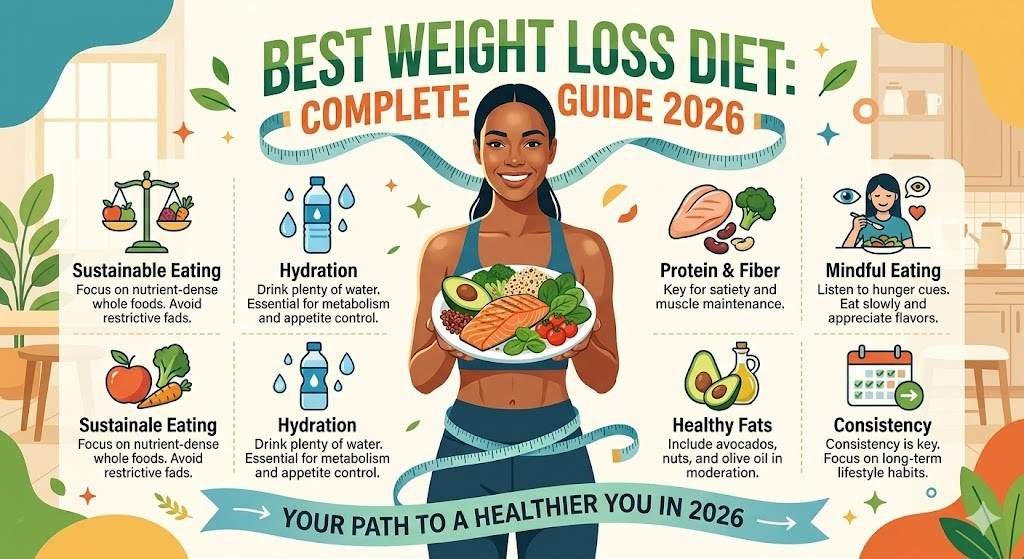
In today’s fast-paced world, weight gain has become a common concern. With sedentary lifestyles, processed foods, and stress, many people struggle to maintain a healthy weight. This is where a weight loss diet plays a crucial role.
But here’s the truth:
👉 Weight loss is not about starving yourself or following extreme diets.
👉 It’s about eating smart, balanced, and consistently.
In this complete guide, you’ll learn everything about a weight loss diet—how it works, what to eat, what to avoid, and how to build a sustainable plan that actually works.
What Is a Weight Loss Diet?
A weight loss diet is a structured eating plan designed to help you lose excess body fat while maintaining overall health.
Key Principle:
👉 Calorie Deficit = Weight Loss
This means you consume fewer calories than your body burns.
However, not all calories are equal. The quality of food matters just as much as quantity.
How Weight Loss Diet Actually Works
Understanding weight loss doesn’t have to be confusing. At its core, it comes down to a few simple biological principles—but how you apply them makes all the difference.
1. The Calorie Balance Rule (Most Important)
Weight loss is primarily driven by energy balance:
- Calories In = food you eat
- Calories Out = energy your body uses
👉 When you eat fewer calories than you burn, your body turns to stored fat for energy.
This is called a calorie deficit:
Calorie Deficit=Calories In−Calories Out
- If result is negative → weight loss
- If positive → weight gain
2. Your Metabolism Controls Energy Use
Your metabolism is the process by which your body converts food into energy.
It includes:
- Basal Metabolic Rate (BMR): Calories burned at rest
- Physical Activity: Exercise and daily movement
- Thermic Effect of Food (TEF): Energy used to digest food
👉 A faster metabolism = more calories burned
👉 A slower metabolism = fewer calories burned
3. Food Quality Matters (Not Just Calories)
Not all calories affect your body the same way.
Example:
- 500 calories from junk food ❌
- 500 calories from whole foods ✅
Why?
- Whole foods keep you full longer
- Protein and fiber reduce hunger
- Processed foods increase cravings
4. Fat Loss vs Weight Loss
Not all weight loss is fat loss.
You can lose:
- Fat ✅ (goal)
- Water 💧
- Muscle ❌
👉 The goal is to lose fat while preserving muscle
How to do that:
- Eat enough protein
- Do strength training
- Avoid extreme dieting
5. Hunger Hormones Play a Role
Your body regulates hunger using hormones:
- Ghrelin: Increases hunger
- Leptin: Signals fullness
👉 Poor sleep, stress, and crash diets can disrupt these hormones, making weight loss harder.
6. Consistency Beats Speed
Many people want fast results—but sustainable weight loss is slow.
Healthy rate:
👉 0.5 to 1 kg per week
Fast weight loss usually means:
- Water loss
- Muscle loss
- Quick regain
7. Exercise Supports (But Doesn’t Replace Diet)
Exercise helps by:
- Burning extra calories
- Building muscle
- Improving metabolism
But 👉 diet is still the main factor (70–80%)
8. Sleep & Stress Affect Fat Loss
Lack of sleep:
- Increases hunger
- Slows metabolism
High stress:
- Raises cortisol (fat-storing hormone)
- Leads to emotional eating
9. Why Most Diets Fail
- Too restrictive
- Not sustainable
- Ignore lifestyle factors
👉 The best diet is the one you can follow long-term.
Simple Formula for Weight Loss Success
👉 Combine these 5 things:
- Calorie deficit
- High-protein diet
- Regular exercise
- Good sleep
- Consistency
🧾 Final Takeaway
Weight loss is not magic—it’s science + habits.
👉 Burn more than you eat
👉 Choose better foods
👉 Stay consistent
That’s it.
Types of Weight Loss Diets
1. Low-Carb Diet
What it does: Reduces carbohydrate intake to burn fat.
Foods:
- Eggs, chicken, fish
- Vegetables
- Nuts
Benefits:
- Quick initial weight loss
- Controls blood sugar
2. High-Protein Diet
What it does: Increases protein intake to reduce hunger.
Foods:
- Eggs, paneer, chicken
- Lentils, beans
Benefits:
- Keeps you full longer
- Supports muscle growth
3. Intermittent Fasting

What it does: Controls when you eat, not just what you eat.
Popular method:
- 16 hours fasting, 8 hours eating
Benefits:
- Reduces calorie intake
- Improves metabolism
4. Mediterranean Diet
What it does: Focuses on whole, natural foods.
Foods:
- Fruits, vegetables
- Olive oil, fish
Benefits:
- Heart healthy
- Sustainable
5. Balanced Diet (Best Approach)
What it does: Combines all nutrients in proper portions.
👉 Most recommended for long-term success
Best Foods for Weight Loss Diet
1. Vegetables
- Low in calories
- High in fiber
2. Fruits
- Natural sugar
- Rich in vitamins
3. Protein Foods
- Reduces hunger
- Builds muscle
4. Whole Grains

- Keeps you full
- Improves digestion
5. Healthy Fats

- Supports metabolism
- Reduces cravings
Foods to Avoid Weight Loss Diet
Here’s a complete guide to the top foods you should avoid (or limit) 👇
1. Sugary Foods & Drinks
Why avoid:
- High in empty calories
- Causes fat storage (especially belly fat)
- Leads to sugar cravings
Examples:
- Soft drinks, packaged juices
- Cakes, pastries, sweets
- Candy and chocolate (excess)
👉 Better option: Fruits or jaggery (in moderation)
2. Fast Food & Junk Food
Why avoid:
- High in unhealthy fats and calories
- Low in nutrients
- Addictive and easy to overeat
Examples:
- Burgers, pizza, fries
- Samosa, pakora, chips
👉 Better option: Homemade meals
3. Refined Carbohydrates (Maida Foods)
Why avoid:
- Low in fiber
- Causes rapid blood sugar spikes
- Increases hunger quickly
Examples:
- White bread
- Pasta, noodles
- Biscuits, bakery items
👉 Better option: Whole grains (oats, brown rice, roti)
4. Packaged & Processed Foods
Why avoid:
- High in preservatives and sodium
- Hidden sugar and unhealthy fats
- Low nutritional value
Examples:
- Instant noodles
- Packaged snacks
- Frozen ready meals
👉 Better option: Fresh, home-cooked food
5. Deep-Fried Foods
Why avoid:
- Very high in calories
- Contains unhealthy trans fats
- Leads to weight gain quickly
Examples:
- French fries
- Puri, bhatura
- Fried chicken
👉 Better option: Grilled, baked, or air-fried food
6. Ice Cream & High-Fat Desserts
Why avoid:
- High sugar + high fat combo
- Very calorie-dense
Examples:
- Ice cream
- Milkshakes
- Creamy desserts
👉 Better option: Yogurt or fruit-based desserts
🍹 7. Alcohol
Why avoid:
- High empty calories
- Slows fat burning
- Increases appetite
👉 Better option: Limit or avoid completely
8. High-Sodium Foods
Why avoid:
- Causes water retention
- Leads to bloating
Examples:
- Chips, namkeen
- Pickles (in excess)
- Instant soups
👉 Better option: Fresh, low-salt meals
9. “Diet” or “Low-Fat” Packaged Foods
Why avoid:
- Often high in hidden sugar
- Contain artificial ingredients
👉 Better option: Natural whole foods
Quick Summary
👉 Avoid or limit these:
- Sugar & sweets
- Junk/fast food
- Refined carbs (maida)
- Fried foods
- Processed snacks
- Alcohol
Pro Tip
You don’t need to completely eliminate these foods.
👉 Follow the 80/20 rule:
- 80% healthy foods
- 20% occasional treats
Sample 7-Day Weight Loss Diet Plan
Day 1
- Breakfast: Oats + fruits
- Lunch: Brown rice + dal + salad
- Dinner: Grilled vegetables + paneer
Day 2
- Breakfast: Boiled eggs + toast
- Lunch: Roti + sabzi
- Dinner: Soup + salad
Day 3
- Breakfast: Smoothie
- Lunch: Quinoa + vegetables
- Dinner: Chicken + salad
(Repeat similar balanced meals for remaining days)
Healthy Habits for Faster Weight Loss
💧 Drink More Water
Boosts metabolism and reduces hunger.
🏃 Exercise Regularly
- Cardio + strength training
😴 Sleep Well
Poor sleep leads to weight gain.
🧘 Manage Stress
Stress increases fat storage.
Common Weight Loss Diet Mistakes
- Skipping meals
- Eating too little
- Following crash diets
- Ignoring protein
- Not exercising
How Fast Can You Lose Weight?
👉 Safe weight loss:
0.5–1 kg per week
Fast weight loss is usually:
- Water loss
- Muscle loss
Benefits of a Weight Loss Diet
- Improved energy
- Better heart health
- Reduced risk of disease
- Increased confidence
FAQs about Weight Loss Diet
1. What is the best diet for weight loss?
Balanced diet + calorie control is best.
2. Can I lose weight without exercise?
Yes, but exercise speeds up results.
3. Is rice bad for weight loss?
No, eat in moderation.
4. How many meals should I eat?
2–3 meals + healthy snacks.
5. Can I eat at night?
Yes, but keep it light.
Conclusion
A successful weight loss diet is not about restriction—it’s about consistency and smart choices.
👉 Focus on:
- Whole foods
- Balanced nutrition
- Healthy lifestyle
Avoid quick fixes and build habits that last a lifetime.
Also read :