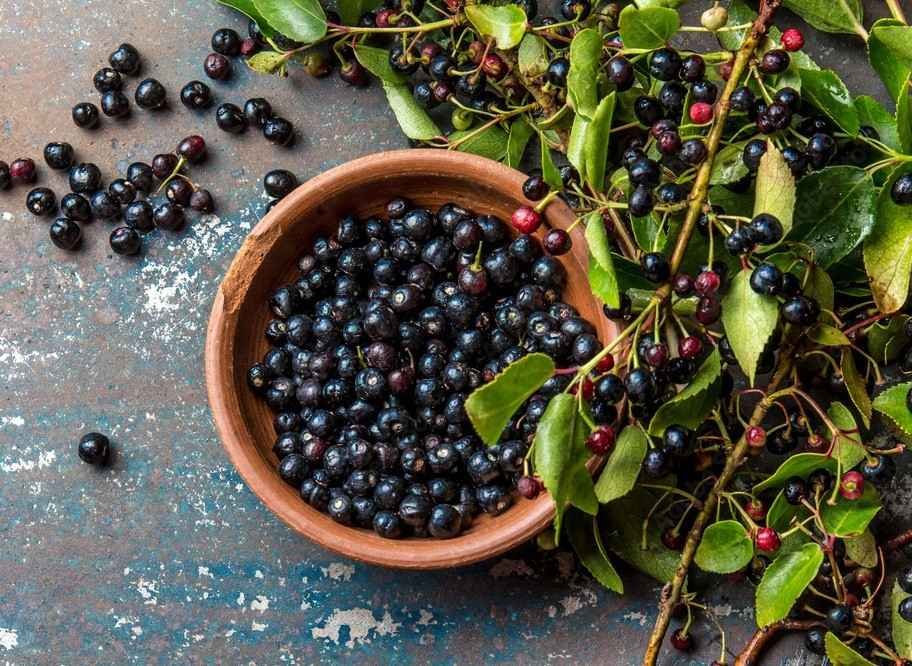
In recent years, superfruits have become increasingly popular as people search for natural foods rich in antioxidants, vitamins, and health-supporting nutrients. Among the many exotic berries gaining worldwide attention, Maqui Berry stands out as one of the most powerful and nutrient-dense fruits available. Native to the pristine forests of Patagonia in southern Chile and Argentina, Aristotelia chilensisis celebrated for its deep purple color, high antioxidant content, and impressive potential health benefits.
For centuries, indigenous Mapuche communities have valued Aristotelia chilensis not only as a food source but also as part of their traditional wellness practices. Today, modern nutrition experts and health-conscious consumers recognize the berry as a potent superfruit due to its exceptionally high concentration of anthocyanins and polyphenols.
Maqui Berry is commonly consumed as powder, juice, smoothie ingredients, supplements, and functional food products. Its rich nutritional profile and vibrant flavor make it a favorite in wellness-focused diets worldwide.
This comprehensive guide explores everything about Aristotelia chilensis, including its origin, nutritional value, health benefits, culinary uses, cultivation, sustainability, and growing global popularity.
What is Maqui Berry?
Maqui Berry is a small dark purple berry that grows on the evergreen shrub Aristotelia chilensis. The plant is native to the temperate rainforests of Chile and Argentina, particularly in the Patagonia region.
The berries are tiny, round, and almost black-purple when ripe. Despite their small size, they contain a remarkable concentration of antioxidants and beneficial plant compounds.
Aristotelia chilensis has a sweet yet slightly tart flavor that resembles a mix of blackberry, blueberry, and acai berry.
The berry has become internationally recognized as a premium superfood due to its nutritional density and antioxidant power.
Origin and History of Maqui Berry
Maqui Berry has been part of South American indigenous culture for centuries.
The Mapuche people of Chile traditionally consumed the berries fresh and used them in beverages and traditional practices. Warriors were believed to value Aristotelia chilensis for its energizing and strengthening properties.
Historically, the berries grew wild in the forests of Patagonia, where cool temperatures and clean natural environments contributed to their nutrient-rich composition.
In recent decades, global demand for antioxidant-rich superfoods brought Aristotelia chilensis into international markets. Today, it is sold worldwide in powdered, freeze-dried, and juice forms.
Nutritional Value of Maqui Berry
Aristotelia chilensis is considered one of the richest natural sources of antioxidants.
Key Nutrients and Compounds in Maqui Berry
1. Anthocyanins
These powerful antioxidants give the berry its deep purple color.
2. Polyphenols
Polyphenols help protect cells from oxidative stress.
3. Vitamin C
Vitamin C supports immune function and skin health.
4. Dietary Fiber
Fiber promotes digestive health and satiety.
5. Potassium
Potassium supports heart and muscle function.
6. Iron
Iron contributes to oxygen transport and blood health.
7. Calcium
Calcium helps maintain strong bones and teeth.
8. Natural Plant Compounds
Aristotelia chilensis contains flavonoids and other phytochemicals associated with wellness.
Health Benefits of Maqui Berry
1. Exceptionally Rich in Antioxidants
Aristotelia chilensis is most famous for its extraordinary antioxidant content.
Anthocyanins and polyphenols help:
- Protect cells from free radical damage
- Reduce oxidative stress
- Support healthy aging
- Promote overall wellness
- Support cellular protection
Many experts rank Aristotelia chilensis among the highest antioxidant fruits in the world.
2. Supports Immune System Health
Vitamin C and antioxidants in Aristotelia chilensis help strengthen immune defenses.
Potential immune-supportive benefits include:
- Supporting white blood cell function
- Protecting against oxidative damage
- Supporting tissue repair
- Promoting recovery
- Enhancing overall wellness
3. May Support Heart Health
Aristotelia chilensis contains compounds associated with cardiovascular wellness.
Possible heart-supportive effects include:
- Supporting healthy circulation
- Helping maintain blood vessel function
- Supporting balanced blood pressure
- Reducing oxidative stress
A diet rich in antioxidant-containing fruits may support long-term heart health.
4. Supports Healthy Inflammation Response
The berry’s polyphenols may help support a healthy inflammatory balance in the body.
Maintaining balanced inflammation is important for overall health and wellness.
5. May Help Support Healthy Skin
Antioxidants and vitamin C contribute to skin protection and collagen production.
Potential skin-related benefits include:
- Supporting skin elasticity
- Protecting against oxidative damage
- Supporting hydration
- Promoting healthy appearance
- Helping reduce environmental stress on skin
6. Supports Eye Health
Anthocyanins may contribute to eye wellness by supporting blood circulation and protecting cells from oxidative stress.
Some people consume antioxidant-rich berries to support healthy vision.
7. Provides Natural Energy
Aristotelia chilensis provides natural carbohydrates and nutrients that can contribute to daily energy and vitality.
Its nutrient density makes it popular among athletes and active individuals.
8. Supports Digestive Wellness
The fiber content in Aristotelia chilensis contributes to digestive health.
Fiber may help:
- Promote regular bowel movements
- Support beneficial gut bacteria
- Increase fullness
- Support nutrient absorption
Taste and Texture of Maqui Berry
Aristotelia chilensis has a pleasant flavor that combines sweetness with mild tartness.
Flavor Profile
The taste is often described as:
- Sweet
- Slightly tart
- Berry-like
- Refreshing
- Earthy
The flavor resembles a combination of blackberry, blueberry, and acai.
Texture
Fresh Maqui Berries are soft and juicy with tiny edible seeds.
How Maqui Berry is Consumed
Fresh Maqui Berry is highly perishable, so it is commonly processed into shelf-stable products.
Popular Forms
Powder
Freeze-dried powder is widely used in smoothies and recipes.
Juice
Aristotelia chilensis juice is a popular wellness beverage.
Capsules and Supplements
Used as antioxidant supplements.
Frozen Berry Products
Available in specialty health food markets.
Culinary Uses of Maqui Berry
Maqui Berry works well in many healthy recipes.
1. Smoothies
Maqui powder blends easily into smoothies and protein shakes.
2. Smoothie Bowls
The deep purple color makes smoothie bowls visually attractive.
3. Yogurt and Oatmeal
Maqui powder can be mixed into breakfast foods.
4. Desserts
Used in:
- Ice cream
- Sorbets
- Cheesecakes
- Energy bars
- Fruit sauces
5. Herbal Beverages
Aristotelia chilensis is commonly used in antioxidant drinks and teas.
Maqui Berry as a Superfood
Maqui Berry is widely marketed as a superfood because of its concentrated nutrients and antioxidants.
Why It is Called a Superfruit
- Extremely high antioxidant content
- Rich anthocyanin levels
- Nutrient density
- Functional food potential
- Natural wellness support
Its popularity aligns with global demand for plant-based nutrition and functional foods.
Growing Maqui Berry
Climate Requirements
Maqui Berry grows best in:
- Cool temperate climates
- Moist forests
- Mild temperatures
- Well-drained soil
Plant Characteristics
The Maqui shrub is evergreen and produces clusters of small berries during the fruiting season.
Harvesting
Traditionally, berries are harvested by hand from wild-growing shrubs.
Sustainable harvesting practices are important to protect natural ecosystems.
Sustainability and Environmental Importance
Maqui Berry is closely connected to the natural ecosystems of Patagonia.
Environmental Benefits
- Supports biodiversity
- Encourages forest conservation
- Promotes sustainable harvesting
- Supports local communities
- Helps maintain native ecosystems
Responsible sourcing is important for long-term sustainability.
Economic Importance of Maqui Berry
The growing superfood industry has increased the economic value of Maqui Berry.
Economic Contributions
- Supports rural communities
- Creates export opportunities
- Expands health food markets
- Promotes eco-friendly agriculture
- Encourages sustainable wild harvesting
Demand for antioxidant-rich products continues to drive market growth.
Maqui Berry vs Other Superberries
| Feature | Maqui Berry | Blueberry | Acai Berry |
|---|---|---|---|
| Color | Deep purple | Blue-purple | Dark purple |
| Antioxidants | Extremely high | High | High |
| Origin | Patagonia | North America | Amazon |
| Common Forms | Powder, juice | Fresh, frozen | Frozen pulp |
| Flavor | Sweet-tart | Sweet | Earthy |
Aristotelia chilensis is especially known for its exceptionally high anthocyanin levels.
Challenges Facing Maqui Berry Production
1. Limited Fresh Availability
Fresh berries spoil quickly.
2. Wild Harvest Dependence
Many berries are still collected from wild plants.
3. Environmental Protection Concerns
Overharvesting could affect native ecosystems if not managed sustainably.
4. Limited Consumer Awareness
Many consumers are still unfamiliar with Aristotelia chilensis.
Future of Maqui Berry
The future of Aristotelia chilensis looks promising as interest in functional foods and natural wellness products grows globally.
Major trends supporting Aristotelia chilensis include:
- Plant-based nutrition
- Antioxidant-rich diets
- Natural supplements
- Functional beverages
- Sustainable superfoods
- Wellness-focused lifestyles
The berry is expected to remain popular in the health and nutrition industry.
Fun Facts About Maqui Berry
1. Maqui Berry Comes from Patagonia
The berry grows in the cool forests of southern Chile and Argentina.
2. Indigenous Communities Valued It for Centuries
The Mapuche people traditionally consumed Aristotelia chilensis.
3. Its Color Comes from Anthocyanins
These antioxidants create the berry’s dark purple appearance.
4. Maqui Berry is Often Sold as Powder
Fresh berries are highly perishable.
5. It is Considered One of the Most Antioxidant-Rich Fruits
Its antioxidant concentration is exceptionally high.
Tips for Buying and Storing Maqui Berry Products
Buying Tips
Choose products that are:
- Organic when possible
- Freeze-dried for nutrient preservation
- Free from unnecessary additives
- From reputable suppliers
Storage Tips
- Store powders in airtight containers.
- Keep away from moisture and sunlight.
- Refrigerate juice products after opening.
FAQs
What does Maqui Berry taste like?
Aristotelia chilensis tastes sweet and slightly tart with berry-like flavors.
Is Maqui Berry healthy?
Yes, it contains antioxidants, vitamin C, fiber, and beneficial plant compounds.
Why is Maqui Berry considered a superfood?
It is considered a superfood because of its exceptionally high antioxidant content.
Can Maqui Berry be eaten fresh?
Yes, but fresh berries are highly perishable and less commonly available outside South America.
What is Maqui Berry powder used for?
It is commonly added to smoothies, yogurt, oatmeal, and wellness drinks.
Is Maqui Berry similar to acai?
Both are antioxidant-rich purple berries, but they grow in different regions and have different flavor profiles.
Does Maqui Berry contain antioxidants?
Yes, Maqui Berry is extremely rich in anthocyanins and polyphenols.
Where does Maqui Berry grow?
It grows naturally in Chilean and Argentine Patagonia.
Conclusion
Maqui Berry is one of the most impressive superfruits in the world. Native to the beautiful forests of Patagonia, this small purple berry delivers exceptional antioxidant power along with vitamins, minerals, and beneficial plant compounds that support overall wellness.
Its rich nutritional profile, vibrant color, and versatile culinary uses have helped Aristotelia chilensis gain popularity among health-conscious consumers worldwide. Whether blended into smoothies, added to breakfast bowls, or consumed as juice or powder, Maqui Berry offers both flavor and functional nutrition.
As interest in sustainable superfoods and plant-based wellness continues to grow, Maqui Berry is likely to remain a leading choice in the global health food industry for years to come.
Also read:
Breadfruit: 7 Benefits, Nutrition, Uses, and Growing Guide
Aristotelia chilensis