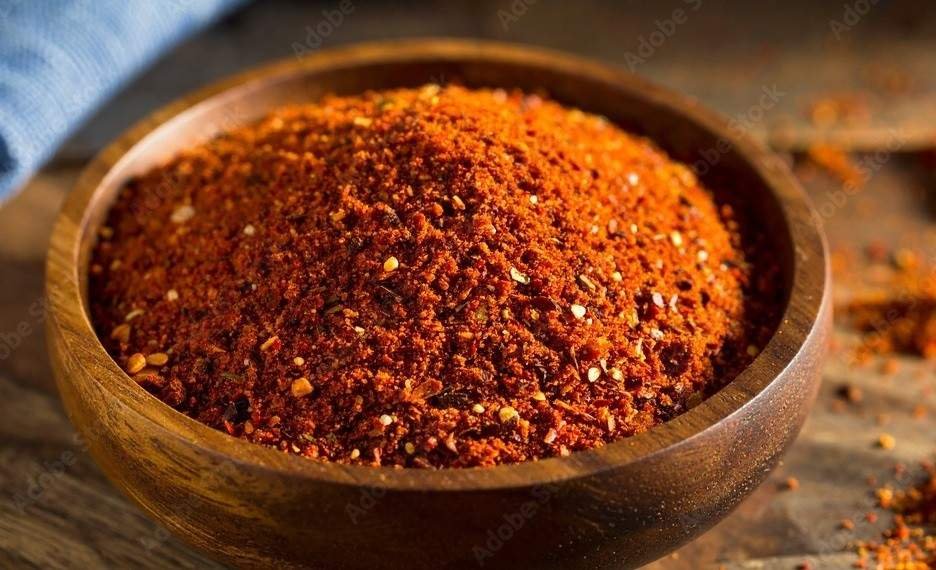
Cajun Seasoning is one of the boldest and most flavorful spice blends in the world. Known for its smoky, spicy, savory, and slightly earthy taste, this seasoning has become a staple in kitchens across the globe. Originally rooted in Louisiana cuisine, this versatile seasoning blend is widely used in meats, seafood, vegetables, soups, fries, rice dishes, and grilled foods.
Today, this seasoning is loved not only for its rich flavor but also for its ability to transform simple meals into restaurant-style dishes. Whether sprinkled on chicken wings, mixed into pasta, or used as a dry rub for seafood, Cajun seasoning delivers a spicy kick and deep aroma that food lovers enjoy.
Modern interest in this seasoning continues to grow because of its bold taste, convenience, versatility, and compatibility with various cuisines. It is available in homemade blends, store-bought mixes, spicy versions, low-sodium varieties, and organic seasoning combinations.
In this complete guide, you will learn everything about this seasoning, including its history, ingredients, nutritional value, health benefits, culinary uses, recipe, storage methods, side effects, and why it remains one of the most popular seasoning blends worldwide.
What is Cajun Seasoning?
Cajun seasoning is a spicy seasoning blend made using herbs, spices, and dried flavoring ingredients. It is commonly associated with Cajun cuisine, which originated among French-speaking Acadian settlers in Louisiana, United States.
The seasoning typically contains:
- Paprika
- Cayenne pepper
- Garlic powder
- Onion powder
- Black pepper
- White pepper
- Oregano
- Thyme
- Salt
Some variations may also include:
- Chili powder
- Red pepper flakes
- Smoked paprika
- Cumin
- Mustard powder
- Celery seed
Cajun seasoning is famous for its spicy and smoky flavor profile. The blend enhances the taste of meats, seafood, vegetables, fries, soups, pasta, and rice dishes.
History of Cajun Seasoning
The history of Cajun seasoning is deeply connected to Cajun culture in Louisiana. During the 18th century, Acadian settlers from Canada migrated to Louisiana after being expelled by the British. These settlers adapted their traditional French cooking methods using locally available ingredients and spices.
Over time, Cajun cuisine developed into a unique culinary tradition known for bold flavors, rustic cooking, and hearty meals. Since expensive ingredients were not always accessible, Cajun cooks relied heavily on spices and herbs to create flavorful dishes.
Cajun seasoning became essential in traditional Louisiana recipes such as:
- Gumbo
- Jambalaya
- Crawfish boils
- Blackened fish
- Cajun chicken
- Dirty rice
Today, Cajun seasoning is popular worldwide and is used far beyond traditional Louisiana cooking.
Nutritional Value of Cajun Seasoning
The nutritional content of Cajun seasoning varies depending on the ingredients and salt level. Below is the approximate nutrition for one teaspoon of Cajun seasoning.
| Nutrient | Amount |
|---|---|
| Calories | 6–10 |
| Carbohydrates | 1–2 g |
| Protein | 0.2 g |
| Fat | 0.3 g |
| Fiber | 0.5 g |
| Sodium | 180–300 mg |
| Vitamin A | Moderate |
| Iron | Small amount |
| Calcium | Small amount |
Cajun seasoning also contains antioxidants and plant compounds from paprika, garlic, oregano, thyme, and peppers.
Health Benefits of Cajun Seasoning
1. May Support Metabolism
Cayenne pepper contains capsaicin, a compound known for supporting metabolism and calorie burning. Spicy foods may slightly increase thermogenesis, which helps the body use energy more efficiently.
2. Rich in Antioxidants
Paprika, oregano, thyme, and garlic contain antioxidants that help protect cells from oxidative stress. Antioxidants play an important role in overall wellness and healthy aging.
3. May Support Digestion
Herbs and spices used in Cajun seasoning may stimulate digestive enzymes and improve digestion. Garlic and pepper are traditionally used to support gut health.
4. Adds Flavor Without Extra Calories
Cajun seasoning enhances the flavor of meals without adding significant calories. This makes it popular among people following healthy eating plans or weight-management diets.
5. Contains Anti-Inflammatory Compounds
Many spices in Cajun seasoning contain natural compounds that may help reduce inflammation in the body.
6. May Improve Appetite
The spicy aroma and bold taste can stimulate appetite and make meals more enjoyable.
7. Supports Flavorful Low-Fat Cooking
Using Cajun seasoning allows cooks to prepare flavorful dishes without excessive butter, sauces, or heavy oils.
Common Ingredients in Cajun Seasoning
Paprika
Paprika gives Cajun seasoning its signature red color and smoky flavor.
Benefits:
- Rich in antioxidants
- Contains vitamin A
- Enhances flavor naturally
Cayenne Pepper
Cayenne adds heat and spiciness.
Benefits:
- Contains capsaicin
- Supports metabolism
- May improve circulation
Garlic Powder
Garlic powder contributes savory depth and aroma.
Benefits:
- Contains beneficial plant compounds
- Traditionally used for immunity support
Onion Powder
Adds sweetness and savory balance.
Black Pepper
Provides warmth and enhances flavor complexity.
Oregano
Oregano adds herbal flavor and aroma.
Thyme
Thyme contributes earthy and slightly minty notes.
Types of Cajun Seasoning
Traditional Cajun Seasoning
Classic blend with moderate heat and balanced herbs.
Spicy Cajun Seasoning
Contains extra cayenne pepper and chili flakes for intense heat.
Smoky Cajun Seasoning
Made using smoked paprika for deeper smoky flavor.
Salt-Free Cajun Seasoning
Designed for low-sodium diets.
Organic Cajun Seasoning
Prepared using organic herbs and spices without artificial additives.
Culinary Uses of Cajun Seasoning
This seasoning is extremely versatile and can be used in many recipes.
1. Cajun Chicken
One of the most popular uses. The seasoning is rubbed onto chicken before grilling, baking, or frying.
2. Seafood Dishes
Perfect for shrimp, fish, crab, crawfish, and salmon.
3. French Fries
Sprinkled over fries for spicy flavor.
4. Roasted Vegetables
Adds bold flavor to potatoes, carrots, corn, and broccoli.
5. Rice Dishes
Used in jambalaya, dirty rice, and Cajun rice bowls.
6. Pasta Recipes
Popular in creamy Cajun pasta dishes.
7. Burgers and Sandwiches
Used in patties, sauces, and sandwich fillings.
8. Soups and Stews
Enhances gumbo and hearty soups.
9. Grilled Foods
Excellent as a dry rub for grilled meat and vegetables.
10. Popcorn and Snacks
Can be sprinkled on popcorn, nuts, and chips.
Homemade Cajun Seasoning Recipe
Making this seasoning at home is simple and customizable.
Ingredients
- 2 tablespoons paprika
- 1 tablespoon garlic powder
- 1 tablespoon onion powder
- 1 tablespoon oregano
- 1 tablespoon thyme
- 1 teaspoon cayenne pepper
- 1 teaspoon black pepper
- 1 teaspoon white pepper
- 1 teaspoon salt
Instructions
- Combine all ingredients in a bowl.
- Mix thoroughly until evenly blended.
- Store in an airtight container.
- Keep in a cool, dry place.
Homemade this seasoning usually stays fresh for 6–12 months.
Difference Between Cajun and Creole Seasoning
Many people confuse Cajun seasoning with Creole seasoning.
| Cajun Seasoning | Creole Seasoning |
|---|---|
| Spicier | More herb-focused |
| Rustic flavor | Complex flavor |
| Often hotter | Usually milder |
| Simple spice blend | More layered seasoning |
Both are popular in Louisiana cuisine but differ slightly in taste and ingredient balance.
Cajun Seasoning Around the World
Although this seasoning originated in Louisiana, it is now popular globally.
United States
Used in fast food, grilled dishes, and seafood.
India
Used in fries, snacks, pasta, and fusion recipes.
Europe
Popular in grilled meats and spicy sauces.
Asia
Used in fusion street food and spicy noodles.
Cajun Seasoning for Weight Loss
This seasoning may support healthy eating goals because:
- Low in calories
- Adds flavor without heavy sauces
- Encourages vegetable consumption
- Helps reduce blandness in healthy meals
However, excessive sodium in commercial blends should be monitored.
Side Effects of Cajun Seasoning
While generally safe, excessive this seasoning may cause side effects.
1. High Sodium Intake
Many store-bought blends contain large amounts of salt.
Possible Issues:
- High blood pressure
- Water retention
2. Stomach Irritation
Very spicy blends may irritate sensitive stomachs.
3. Acid Reflux
Spicy foods may trigger acid reflux in some individuals.
4. Allergic Reactions
Rarely, some people may react to specific herbs or spices.
How to Store Cajun Seasoning
Proper storage helps maintain flavor and freshness.
Storage Tips
- Keep in airtight containers
- Store away from heat and sunlight
- Avoid moisture exposure
- Use dry spoons only
Properly stored seasoning can remain flavorful for up to one year.
How to Choose the Best Cajun Seasoning
When buying this seasoning, check for:
- Fresh aroma
- Natural ingredients
- Low sodium options
- No artificial preservatives
- Balanced spice level
Organic and homemade versions are often preferred for cleaner ingredients.
Popular Cajun Dishes
Gumbo
A thick Louisiana stew made with seafood, meat, vegetables, and spices.
Jambalaya
Rice dish cooked with meat, vegetables, and Cajun spices.
Blackened Fish
Fish coated with this seasoning and cooked at high heat.
Cajun Shrimp Pasta
Creamy pasta with spicy shrimp and Cajun flavor.
Dirty Rice
Rice dish flavored with meat and Cajun spices.
Interesting Facts About Cajun Seasoning
- Cajun cuisine developed from French culinary traditions.
- This seasoning became globally popular through Southern American cooking.
- Paprika is responsible for the seasoning’s red color.
- This seasoning is commonly used in fast food chains.
- Homemade blends can be customized for heat level.
Cajun Seasoning vs Taco Seasoning
| Cajun Seasoning | Taco Seasoning |
|---|---|
| Spicier and smoky | More cumin-heavy |
| Louisiana origin | Mexican-inspired |
| Uses thyme and oregano | Uses cumin and chili powder |
| Ideal for seafood | Common in tacos and burritos |
Is Cajun Seasoning Healthy?
This seasoning can be healthy when used in moderation.
Healthy Aspects:
- Low calorie
- Rich in antioxidants
- Flavorful without excess fat
- Contains beneficial herbs
Less Healthy Aspects:
- High sodium in some products
- Excess spice may irritate digestion
Choosing low-sodium blends and moderate portions improves its health value.
Why Cajun Seasoning is So Popular
Several factors contribute to its worldwide popularity:
- Bold flavor
- Versatility
- Works with many foods
- Easy to use
- Affordable
- Enhances simple meals instantly
Its smoky-spicy flavor profile appeals to people who enjoy strong seasoning.
Future of Cajun Seasoning
The demand for this seasoning continues to rise due to:
- Popularity of spicy foods
- Growth of fusion cuisine
- Interest in global flavors
- Expansion of restaurant chains
- Social media food trends
New variations including vegan, organic, low-sodium, and extra-spicy blends are becoming increasingly popular.
FAQs
What is Cajun seasoning made of?
Tthis seasoning is commonly made from paprika, cayenne pepper, garlic powder, onion powder, oregano, thyme, black pepper, and salt. Some blends may also include white pepper, chili powder, red pepper flakes, or smoked paprika for extra flavor and heat.
Is Cajun seasoning very spicy?
The spice level of this seasoning varies depending on the recipe and brand. Traditional this seasoning is usually moderately spicy, while some versions contain extra cayenne pepper and chili flakes, making them much hotter.
Can Cajun seasoning be used on vegetables?
Yes, this seasoning works very well on vegetables. It adds bold flavor to roasted, grilled, baked, or sautéed vegetables such as potatoes, carrots, broccoli, corn, cauliflower, and bell peppers.
Is Cajun seasoning gluten-free?
Most pure this seasoning blends are naturally gluten-free because they are made from herbs and spices. However, some commercial brands may contain additives, anti-caking agents, or fillers, so checking the ingredient label is always recommended.
How long does Cajun seasoning last?
When stored properly in an airtight container away from heat, sunlight, and moisture, this seasoning can maintain its flavor and freshness for about 6–12 months.
Can I make Cajun seasoning without salt?
Yes, homemade this seasoning can easily be prepared without salt. Many people prefer salt-free versions to control sodium intake while still enjoying the bold and spicy flavor of the seasoning blend.
Is Cajun seasoning the same as Creole seasoning?
No, this seasoning and Creole seasoning are different. this seasoning is generally spicier and has a simpler flavor profile, while Creole seasoning usually contains more herbs and offers a more layered and balanced taste.
Conclusion
Cajun seasoning is one of the most exciting and flavorful spice blends in the culinary world. With its smoky aroma, spicy kick, and versatile uses, it has become a favorite seasoning for home cooks and professional chefs alike.
From grilled chicken and seafood to fries, vegetables, pasta, and rice dishes, this seasoning adds instant depth and boldness to meals. Beyond flavor, many of its ingredients provide antioxidants and plant compounds that may support overall wellness.
Whether you buy it from stores or prepare it at home, this seasoning remains an essential ingredient for anyone who enjoys spicy, flavorful cooking. Its rich history, global popularity, and endless culinary possibilities ensure that this seasoning will continue to be a kitchen favorite for years to come.
Also read: