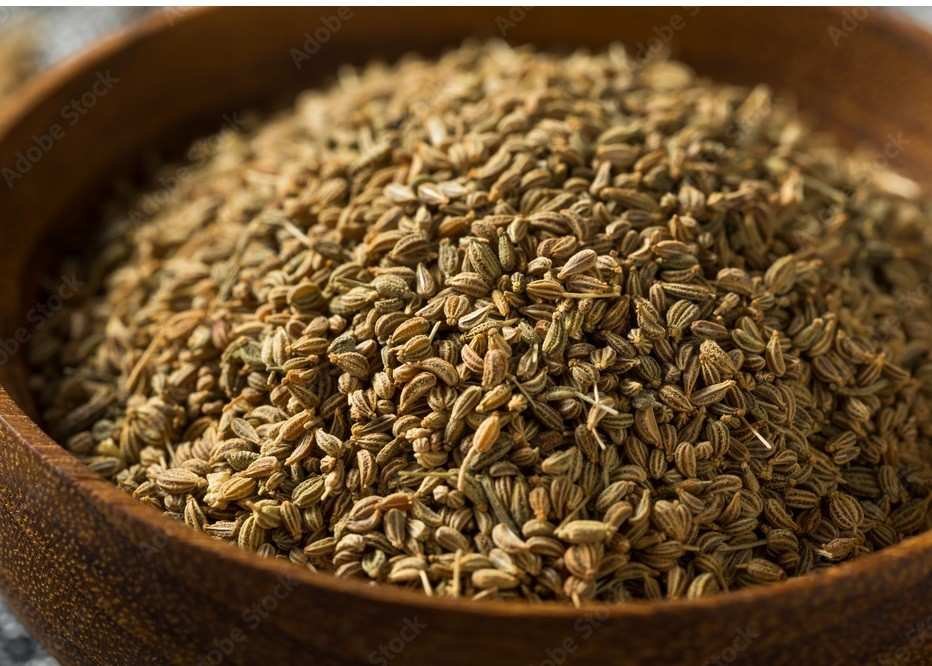
Carom Seeds (Ajwain), commonly known as Ajwain, are one of the most aromatic and powerful spices used in traditional cooking and wellness practices. Known for their strong flavor, intense aroma, and digestive properties, carom seeds have been widely valued in Indian, Middle Eastern, North African, and Asian cuisines for centuries.
Scientifically known as Trachyspermum ammi, carom seeds belong to the parsley family and resemble cumin or fennel seeds in appearance. However, their flavor is much stronger and more pungent, often compared to thyme because of the presence of thymol, the primary active compound responsible for Ajwain’s distinctive aroma and taste.
Ajwain is commonly used in curries, breads, snacks, pickles, lentil dishes, spice blends, herbal drinks, and traditional home remedies. In many households, it is considered an essential kitchen spice because of its culinary versatility and traditional digestive uses.
Modern interest in Ajwain continues to grow because the seeds contain antioxidants, essential oils, fiber, minerals, and natural plant compounds that may support overall wellness. Today, Ajwain is available as whole seeds, powder, herbal tea, essential oil, digestive mixtures, and seasoning blends.
In this complete guide, you will learn everything about carom seeds (Ajwain), including their origin, nutritional value, health benefits, culinary uses, cultivation process, varieties, side effects, storage methods, global demand, and why this ancient spice continues to remain important in kitchens and traditional wellness systems worldwide.
What Are Carom Seeds (Ajwain)?
Carom seeds are the tiny oval-shaped fruits of the Ajwain plant. Although commonly referred to as seeds, they are technically fruits.
The seeds are:
- Small and ridged
- Grayish-green or brown
- Highly aromatic
- Bitter and pungent
- Strongly flavored
Ajwain has a flavor profile similar to thyme because it contains thymol, a natural compound responsible for its sharp herbal taste.
Carom seeds are widely used in:
- Indian cuisine
- Flatbreads
- Pakoras
- Curries
- Pickles
- Lentil dishes
- Herbal remedies
- Digestive preparations
Because of their strong flavor, Ajwain is usually used in small quantities.
History and Origin of Carom Seeds (Ajwain)
Ajwain has been used for thousands of years in South Asia and the Middle East. Ancient Ayurvedic and traditional medicinal systems highly valued Ajwain for digestive and warming purposes.
The spice likely originated in regions of:
- India
- Iran
- Afghanistan
- Egypt
Over time, Ajwain spread across Asia, the Middle East, and North Africa through trade routes and agricultural cultivation.
Historically, Ajwain was used in:
- Culinary preparations
- Herbal drinks
- Digestive remedies
- Traditional tonics
- Spice blends
Today, India is one of the world’s largest producers and consumers of Ajwain.
Nutritional Value of Carom Seeds (Ajwain)
Ajwain contains several nutrients and bioactive compounds that contribute to its strong flavor and wellness reputation.
Nutrients Found in Ajwain
Carom seeds may contain:
- Dietary fiber
- Protein
- Iron
- Calcium
- Potassium
- Magnesium
- Phosphorus
- Antioxidants
- Essential oils
- Thymol
Thymol is the primary active compound responsible for Ajwain’s aroma and traditional digestive uses.
Health Benefits of Carom Seeds (Ajwain)
1. May Support Digestion
Ajwain is traditionally associated with digestive wellness. It has long been used in many cultures to help support healthy digestion and reduce feelings of heaviness after meals.
Ajwain water and roasted seeds are commonly consumed for digestive comfort.
2. Contains Thymol
Thymol is the main active compound in Ajwain.
This compound contributes to:
- Strong aroma
- Flavor intensity
- Herbal properties
- Traditional digestive uses
3. Rich in Antioxidants
Ajwain contains antioxidant compounds that may help protect cells from oxidative stress caused by free radicals.
Antioxidants support:
- Cellular protection
- Healthy aging
- Immune function
- Overall wellness
4. May Help Support Appetite
The pungent aroma and warming flavor of Ajwain may stimulate appetite and improve flavor perception in meals.
5. May Provide Warming Properties
Traditional wellness systems often classify Ajwain as a warming spice.
It is commonly used in:
- Hot herbal drinks
- Winter recipes
- Traditional soups
- Digestive teas
6. May Support Respiratory Comfort
Traditional practices in some cultures have used Ajwain steam and herbal mixtures for respiratory comfort and seasonal wellness.
7. Source of Dietary Fiber
Ajwain contains dietary fiber that may support digestive health and balanced eating habits.
Culinary Uses of Ajwain
Ajwain is widely used in traditional and modern cooking.
1. Indian Flatbreads
Ajwain is commonly added to:
- Paratha
- Poori
- Naan
- Mathri
- Biscuits
The spice adds aroma and flavor to dough-based recipes.
2. Pakoras and Fried Snacks
Ajwain is frequently used in:
- Pakoras
- Samosas
- Fritters
- Savory snacks
- Namkeen mixtures
It enhances savory flavor and aroma.
3. Lentil and Bean Dishes
Ajwain works well in:
- Dal
- Chickpea curry
- Lentil soups
- Bean recipes
4. Pickles and Preserves
Ajwain is commonly added to:
- Indian pickles
- Chutneys
- Preserved vegetables
5. Spice Blends
Ajwain is used in several spice mixtures including:
- Panch phoron variations
- Chaat masala
- Savory seasoning blends
6. Herbal Tea and Ajwain Water
Ajwain seeds are often boiled in water to make:
- Ajwain tea
- Digestive drinks
- Herbal infusions
7. Rice and Curry Recipes
Ajwain can add warmth and aroma to:
- Rice dishes
- Vegetable curries
- Meat curries
Flavor Profile of Carom Seeds (Ajwain)
Ajwain has a bold and distinctive flavor profile.
Taste Characteristics
Its flavor is commonly described as:
- Strong
- Herbal
- Bitter
- Pungent
- Earthy
- Thyme-like
- Warm
Because of its intensity, Ajwain is usually used sparingly.
Types of Carom Seeds (Ajwain)
1. Common Ajwain
The most widely used culinary variety.
2. Wild Ajwain
Often stronger in aroma and flavor.
3. Ajwain Powder
Ground Ajwain used in spice blends and convenience cooking.
How Ajwain Is Cultivated
Step 1: Planting
Ajwain grows best in dry and warm climates with well-drained soil.
Step 2: Growth
The plant develops small feathery leaves and flowers.
Step 3: Seed Development
The fruits mature after flowering.
Step 4: Harvesting
Seeds are harvested when fully mature and dry.
Step 5: Cleaning and Drying
The harvested seeds are cleaned, dried, and packaged.
Ajwain vs Cumin Seeds
Although they may appear similar, Ajwain and cumin are different spices.
| Feature | Ajwain | Cumin |
|---|---|---|
| Flavor | Strong and thyme-like | Warm and earthy |
| Aroma | Sharp and pungent | Nutty |
| Heat | Strong herbal warmth | Mild warmth |
| Appearance | Small and ridged | Longer seeds |
| Culinary Use | Small quantities | Common seasoning |
Ajwain has a much stronger taste than cumin.
How to Use Carom Seeds (Ajwain) in Cooking
Tempering
Ajwain is often added to hot oil or ghee to release aroma.
Dough Preparation
The seeds are mixed into dough for breads and snacks.
Roasting
Dry roasting can reduce bitterness and enhance aroma.
Herbal Drinks
Ajwain can be boiled in water for traditional beverages.
Storage Tips for Carom Seeds (Ajwain)
Proper storage helps maintain freshness and aroma.
Best Storage Practices
- Store in airtight containers
- Keep away from moisture
- Avoid sunlight exposure
- Store in cool, dry places
Whole seeds remain flavorful longer than ground powder.
Side Effects and Precautions
Carom Seeds (Ajwain) :Ajwain is generally safe when used in culinary amounts.
1. Strong Flavor Sensitivity
Large quantities may be too intense for some individuals.
2. Digestive Irritation
Excessive intake may cause digestive discomfort.
3. Essential Oil Concentration
Ajwain oil products should be used carefully because they are highly concentrated.
4. Medical Considerations
Individuals with specific health concerns should consult healthcare professionals before excessive herbal use.
Ajwain in Traditional Practices
Carom Seeds (Ajwain) :Ajwain has been widely used in traditional systems for:
- Digestive support
- Herbal teas
- Seasonal remedies
- Warming preparations
- Aromatic mixtures
It remains an important spice in Ayurvedic traditions.
Global Demand for Ajwain
Ajwain continues to gain international recognition.
Reasons for Growing Demand
- Interest in traditional spices
- Digestive wellness trends
- Indian cuisine popularity
- Functional food demand
- Herbal beverage popularity
Ajwain is increasingly included in natural wellness products.
Environmental Importance of Ajwain Cultivation
Ajwain farming contributes to:
- Agricultural diversity
- Rural economies
- Spice trade industries
- Sustainable farming systems
The plant can adapt to semi-arid climates.
Ajwain in Modern Food Trends
Ajwain fits well into modern food trends because of:
- Functional spice popularity
- Herbal wellness interest
- Traditional flavor revival
- Plant-based recipes
- Natural ingredients
Many modern snacks and gourmet products now include Ajwain.
Interesting Facts About Carom Seeds (Ajwain)
- Ajwain belongs to the parsley family.
- Its flavor resembles thyme because of thymol.
- Ajwain is commonly used in Indian breads and snacks.
- The spice has a very strong aroma.
- Ajwain water is a traditional household preparation.
- Small amounts provide powerful flavor.
- Ajwain is popular in Ayurvedic traditions.
- India is a major producer of Ajwain.
Frequently Asked Questions Carom Seeds (Ajwain)
What are Carom Seeds (Ajwain)?
Carom seeds, also known as Ajwain, are aromatic seeds used in cooking and traditional wellness practices.
What does Carom Seeds (Ajwain) taste like?
Ajwain has a strong, herbal, slightly bitter flavor similar to thyme.
Is Ajwain healthy?
Ajwain contains antioxidants, essential oils, fiber, and thymol that may support overall wellness when consumed moderately.
How is Ajwain used in cooking?
It is used in breads, curries, pickles, lentils, snacks, spice blends, and herbal drinks.
What is Ajwain water?
Ajwain water is a traditional drink made by boiling carom seeds in water.
Can Ajwain be eaten raw?
Yes. Small amounts can be consumed directly or mixed into food preparations.
Is Ajwain spicy?
Ajwain is not spicy like chili peppers, but it has a strong pungent and warming flavor.
How should Ajwain be stored?
Store Ajwain in airtight containers away from heat, sunlight, and moisture.
Which countries produce Ajwain?
India is one of the largest producers, along with countries in the Middle East and Asia.
Can Ajwain be used in herbal tea?
Yes. Ajwain tea is a popular traditional herbal beverage.
Conclusion
Carom seeds (Ajwain) are one of the world’s most powerful and aromatic traditional spices. Their strong herbal flavor, warming properties, culinary versatility, and long history in traditional wellness practices have made them an essential ingredient in many cuisines and households.
From breads and curries to herbal teas, snacks, and spice blends, Ajwain enhances recipes with distinctive aroma and bold flavor. Its popularity continues to grow as more consumers seek natural ingredients, traditional spices, and functional foods.
Beyond culinary applications, Ajwain also contains antioxidants, essential oils, dietary fiber, and thymol, contributing to its long-standing reputation in traditional wellness systems.
As global interest in herbal ingredients and authentic spices continues to rise, carom seeds remain an important part of both modern cooking and traditional food culture.
Whether used in flatbreads, digestive drinks, savory snacks, or spice mixtures, Ajwain continues to bring warmth, aroma, and tradition to kitchens around the world.
Also read: