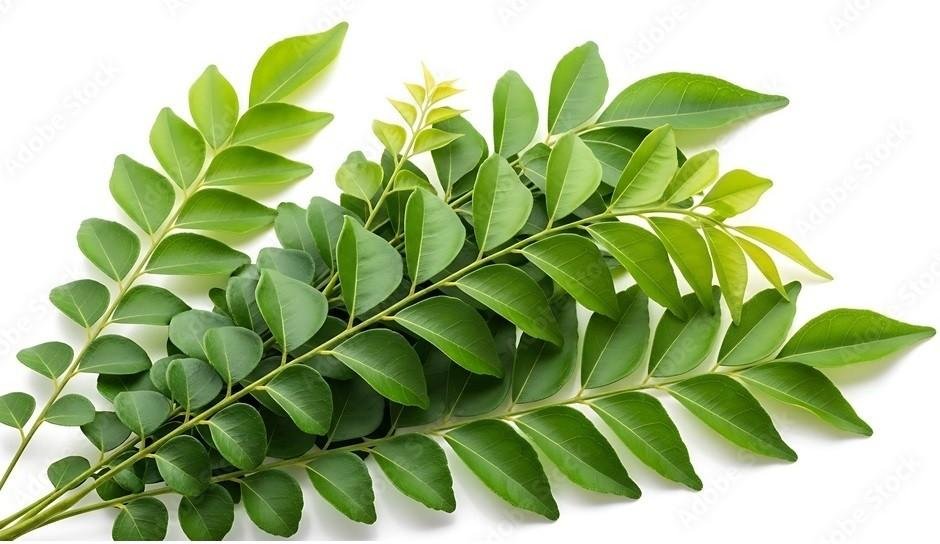
Curry Leaves are one of the most important aromatic herbs used in Indian cooking and traditional wellness practices. Known for their rich fragrance, slightly citrusy flavor, and distinctive aroma, Curry Leaves are widely used in curries, chutneys, rice dishes, soups, spice blends, and tempering preparations. These glossy green leaves play a major role in South Indian cuisine and are increasingly popular in kitchens around the world.
Scientifically known as Murraya koenigii, Curry Leaves belong to the Rutaceae family, which also includes citrus plants. Although the name may suggest a connection with curry powder, Leaves are a separate herb with their own unique flavor and nutritional value.
For centuries, this herb have been valued not only for culinary purposes but also for their traditional medicinal importance in Ayurveda and other herbal systems. Ancient wellness practices often used Leaves in herbal preparations for digestion, hair care, skin health, and overall wellness.
Today, these aromatic green leaves are available in fresh, dried, powdered, and oil forms. Modern interest in this traditional herb continues to grow because of its antioxidants, vitamins, minerals, plant compounds, and increasing popularity in healthy cooking.
In this complete guide, you will learn everything about this flavorful herb, including its history, nutritional value, health benefits, culinary uses, cultivation process, side effects, storage methods, and why it remains an essential ingredient in global cuisine.
History and Origin of Curry Leaves
Curry Leaves have a long history deeply connected to Indian culture and traditional medicine. The plant is believed to have originated in India and Sri Lanka before spreading to other parts of Asia and the world.
Ancient Ayurvedic texts mention this herb for their aromatic qualities and traditional wellness applications. Indian households have used this herb in cooking for centuries, particularly in South Indian, Tamil, Telugu, Kannada, and Sri Lankan cuisines.
As Indian cuisine spread globally through trade and migration, this herb became popular in Southeast Asia, Africa, Europe, Australia, and North America. Today, the herb is cultivated in many tropical and subtropical regions because of its culinary and commercial value.
This herb remain an important symbol of traditional Indian cooking and are commonly grown in home gardens due to their usefulness and fragrance.
What Are Curry Leaves?
This herb are aromatic green leaves obtained from the Curry Leaf tree. The leaves are small, glossy, and highly fragrant, with a flavor that combines citrus, herbs, and mild spice notes.
Fresh this herb are most commonly used in cooking because they release strong aroma and flavor when heated in oil or ghee.
this herb are widely used in:
- Tempering
- Curries
- Chutneys
- Rice dishes
- Soups
- Herbal preparations
- Spice powders
- Snacks
Unlike bay leaves, this herb are usually eaten along with the dish.
Nutritional Value of Curry Leaves
this herb contain several nutrients and plant compounds that contribute to their popularity in wellness and culinary traditions.
Nutrients Found in Curry Leaves
- Vitamin A
- Vitamin B
- Vitamin C
- Vitamin E
- Calcium
- Iron
- Magnesium
- Phosphorus
- Potassium
- Fiber
- Antioxidants
- Amino acids
This herb also contain aromatic compounds and plant-based antioxidants that support their traditional uses.
Health Benefits of Curry Leaves
Rich in Antioxidants
Curry Leaves contain antioxidants that may help protect the body from oxidative stress caused by free radicals.
May Support Digestion
Traditional wellness systems often use Curry Leaves to support digestion and appetite.
May Support Hair Health
this herb are commonly used in hair oils and herbal preparations for healthy-looking hair.
May Support Skin Wellness
The antioxidants and vitamins found in this herb may contribute to skin health and natural glow.
May Support Blood Sugar Balance
Some studies suggest this herb may help support healthy blood sugar management when included in a balanced diet.
May Support Heart Wellness
This herb contain compounds that are being researched for their potential cardiovascular benefits.
May Support Weight Management
The fiber and plant compounds in Curry Leaves may support balanced nutrition and digestion.
May Support Eye Health
Vitamin A present in Curry Leaves contributes to normal vision and eye wellness.
May Support Liver Wellness
Traditional practices sometimes used Curry Leaves in herbal preparations associated with liver support.
Culinary Uses of Curry Leaves
Tempering
Curry Leaves are commonly fried in oil or ghee along with mustard seeds, cumin, and chilies to create flavorful tempering.
South Indian Dishes
Curry Leaves are essential in dishes such as sambar, rasam, upma, dosa chutney, and coconut chutney.
Rice Recipes
Lemon rice, tamarind rice, and Curry Leaf rice often use fresh Curry Leaves for aroma.
Chutneys
Fresh Curry Leaves are blended into spicy and flavorful chutneys.
Soups and Stews
The leaves add fragrance to soups, lentils, and vegetable dishes.
Snacks
Curry Leaves are sometimes fried and added to savory snacks and mixtures.
Spice Powders
Dried this herb are ground into powders used in seasoning blends.
Curry Leaves in Indian Cuisine
This herb are among the most important herbs in Indian cooking.
South Indian Cuisine
South Indian dishes frequently use this herb in tempering and chutneys.
Maharashtrian Cuisine
Many Maharashtrian recipes use this herb to enhance aroma and flavor.
Gujarati Cuisine
this herb are often used in snacks, dals, and vegetable dishes.
Sri Lankan Cuisine
Sri Lankan curries commonly include this herb for their rich fragrance.
Modern Indian Cooking
Contemporary chefs use this herb in fusion recipes, snacks, and gourmet dishes.
Curry Leaves vs Bay Leaves
Although the names may sound similar, Curry Leaves and Bay Leaves are completely different ingredients.
| Feature | Curry Leaves | Bay Leaves |
|---|---|---|
| Flavor | Citrusy and aromatic | Mild and earthy |
| Texture | Soft and edible | Tough and usually removed |
| Cuisine | South Indian | Indian and European |
| Usage | Tempering and curries | Slow cooking |
Both herbs are valuable but serve different culinary roles.
Curry Leaves in Ayurveda
Ayurveda has long valued this herb for their wellness properties.
Traditional Ayurvedic Uses
- Digestive preparations
- Hair care remedies
- Herbal drinks
- Skin applications
- General wellness support
Traditional systems considered this herb warming, aromatic, and balancing.
Curry Leaf Powder
Curry Leaf powder is made by drying and grinding the leaves.
Uses of Curry Leaf Powder
- Spice blends
- Rice seasoning
- Soups
- Herbal preparations
- Snacks
The powder provides concentrated flavor and convenience.
Curry Leaf Oil
Curry Leaf oil is commonly prepared by infusing leaves in coconut oil or other carrier oils.
Uses of Curry Leaf Oil
- Hair massage
- Scalp care
- Aromatic preparations
- Traditional beauty practices
Curry Leaf oil remains popular in natural hair care routines.
Cultivation of Curry Leaves
Curry Leaf plants grow well in tropical and subtropical climates.
Ideal Growing Conditions
- Warm temperatures
- Well-drained soil
- Moderate watering
- Full to partial sunlight
Planting Process
The plant is commonly grown from seeds or stem cuttings.
Harvesting
Leaves can be harvested multiple times throughout the year once the plant matures.
Home Gardening
Many households grow Curry Leaf plants in pots and gardens because of their daily culinary use.
Environmental Importance of Curry Leaf Cultivation
Curry Leaf cultivation contributes to sustainable agriculture and biodiversity.
Supports Pollinators
The plant produces flowers that attract beneficial insects.
Home Gardening Benefits
Curry Leaf plants are commonly grown organically in home gardens.
Soil Protection
Perennial growth may help improve soil stability.
Economic Importance
Commercial cultivation supports spice markets and agricultural communities.
Storage Tips for Curry Leaves
Proper storage helps preserve freshness and aroma.
Fresh Curry Leaves
- Refrigerate in airtight containers
- Wrap in paper towels to reduce moisture
- Use within several days for best flavor
Dried Curry Leaves
Store in sealed containers away from heat and moisture.
Freezing
Fresh leaves can be frozen for longer storage.
Side Effects and Precautions
this herb are generally safe when consumed in moderate amounts.
Possible Side Effects
- Allergic reactions in sensitive individuals
- Digestive discomfort from excessive intake
Moderation Is Important
Balanced consumption is recommended as part of a varied diet.
Essential Oil Precautions
Concentrated oils should be used carefully and appropriately diluted.
Curry Leaves in Modern Wellness Trends
Modern wellness culture increasingly values this herb for their nutritional profile and natural appeal.
Popular Uses Today
- Herbal teas
- Smoothies
- Hair masks
- Detox drinks
- Nutritional powders
- Functional foods
Health-conscious consumers appreciate this herb for their traditional heritage and versatility.
Interesting Facts About Curry Leaves
- This herb come from the Curry Leaf tree, not curry powder.
- The leaves are widely used in South Indian cuisine.
- Fresh Curry Leaves have a much stronger flavor than dried ones.
- this herb belong to the citrus family.
- The plant can be grown easily in home gardens.
- this herb are commonly used in Ayurvedic traditions.
Why Curry Leaves Remain Popular Worldwide
Curry Leaves remain popular because of their unique aroma, nutritional value, and versatility in cooking. They add freshness and complexity to dishes without overpowering other ingredients.
From Indian curries and chutneys to modern wellness products and fusion cuisine, this herb continue to influence food culture around the world. Their traditional significance, culinary importance, and health-focused reputation make them one of the most respected herbs in global cuisine.
As interest in natural ingredients and authentic cooking continues to grow, this herb remain a timeless ingredient valued by chefs, herbal enthusiasts, and home cooks everywhere.
FAQs
What are Curry Leaves used for?
This herb are used in tempering, curries, chutneys, soups, rice dishes, and spice blends.
Can Curry Leaves be eaten raw?
Yes, fresh this herb can be eaten raw or cooked in various dishes.
Are Curry Leaves healthy?
this herb contain vitamins, minerals, antioxidants, and plant compounds that may support overall wellness.
What do Curry Leaves taste like?
This herb have a citrusy, slightly spicy, and aromatic flavor.
How should Curry Leaves be stored?
Fresh this herb should be refrigerated, while dried leaves should be kept in airtight containers.
Can Curry Leaves help hair growth?
Traditional hair care practices often use this herb in oils and herbal preparations for hair wellness.
Are Curry Leaves and Bay Leaves the same?
No, this herb and Bay Leaves are different herbs with different flavors and culinary uses.
Can Curry Leaves be grown at home?
Yes, Curry Leaf plants grow well in pots and home gardens in warm climates.
Conclusion
Curry Leaves are far more than a simple cooking ingredient. They represent centuries of culinary tradition, herbal wisdom, and aromatic excellence. From South Indian tempering and Sri Lankan curries to modern wellness products and natural beauty routines, this herb continue to influence cuisines and lifestyles worldwide.
Their nutritional value, rich aroma, and versatility make Curry Leaves one of the most respected herbs in global cooking. Whether used fresh in curries, blended into chutneys, or infused into oils, this herb add flavor, fragrance, and traditional value to countless recipes.
As appreciation for natural herbs and authentic cuisine continues to expand, this herb remain an enduring symbol of traditional Indian cooking and holistic wellness.