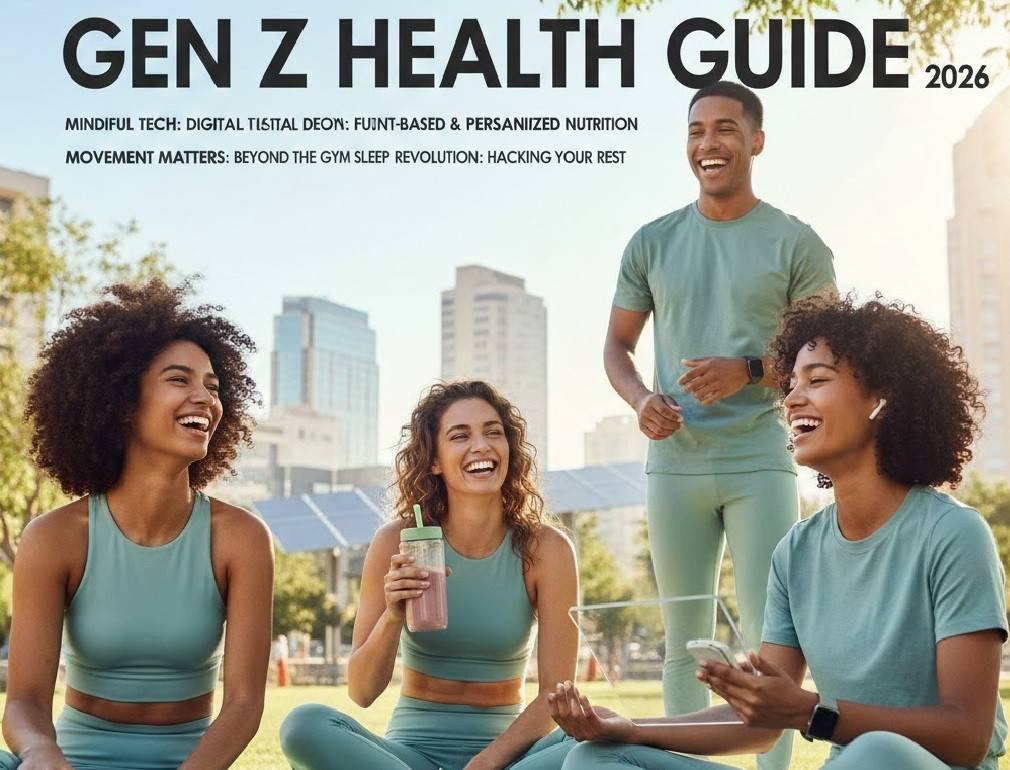
Gen Z Health Guide 2026: How a New Generation Is Redefining Wellness 2026 isn’t just about hitting the gym or eating salads anymore—especially for Gen Z. Born roughly between 1997 and 2012, Gen Z is the first generation to grow up fully online, face global crises early, and openly talk about mental health without shame.
Unlike previous generations, Gen Z doesn’t see health as a checklist. It’s a balance between mind, body, emotions, and environment. They prioritize peace over pressure, sustainability over shortcuts, and authenticity over perfection.
This guide breaks down how Gen Z is redefining health in 2026, from mental wellness and nutrition to fitness, sleep, digital habits, and self-care rituals.
Gen Z Health Guide 2026
1. Mental Health Comes First (Not Last)
Mental Health Is Non-Negotiable
For Gen Z, mental health is not an afterthought—it’s foundational. Therapy, journaling, boundaries, and emotional check-ins are normalized.
Key mental health priorities for Gen Z in 2026:
- Reducing anxiety and burnout
- Managing digital overload
- Emotional regulation
- Healing from hustle culture trauma
Therapy Is Mainstream
Online therapy apps, mental health podcasts, and self-help content are widely accepted. Gen Z doesn’t wait for a “breakdown” to seek help—they treat therapy like preventive care.
Boundaries Are a Form of Self-Care
Gen Z actively:
- Says no without guilt
- Cuts off toxic relationships
- Chooses rest over overworking
- Values peace over productivity
For Gen Z, protecting mental energy is a survival skill.
2. Fitness Without Toxic Hustle
Movement Over Gym Obsession
In 2026, Gen Z fitness focuses on how movement feels, not how it looks. Extreme workout routines are out. Sustainable, enjoyable movement is in.
Popular Gen Z fitness trends:
- Walking workouts
- Pilates and yoga
- Home workouts
- Dance fitness
- Low-impact strength training
Rest Is Part of Fitness
Unlike previous generations, Gen Z understands that:
- Overtraining leads to burnout
- Rest days improve consistency
- Sleep affects performance more than supplements
Fitness is no longer punishment—it’s self-respect.
3. Nutrition: Balance Over Restriction
Food Is Fuel, Not the Enemy
Diet culture is losing its grip on Gen Z. In 2026, food is viewed as:
- Energy
- Mood support
- Cultural connection
- Comfort
Gen Z avoids extreme dieting and prefers flexible eating habits.
Key Nutrition Trends Among Gen Z
- Plant-forward diets (not strict veganism)
- Gut-health awareness
- Functional drinks (matcha, kombucha, herbal teas)
- Protein balance without obsession
- Homemade, simple meals
Mindful Eating Over Calorie Counting
Instead of tracking every calorie, Gen Z focuses on:
- How food affects mood
- Energy levels
- Digestion
- Mental clarity
4. Sleep Is the Ultimate Wellness Tool
Sleep Is No Longer Optional
In 2026, Gen Z openly prioritizes sleep. Staying up all night to “grind” is no longer glorified.
Why Gen Z values sleep:
- Better mental health
- Improved focus
- Emotional stability
- Hormonal balance
Sleep Hygiene Trends
- No phone before bed
- Calm nighttime routines
- Herbal teas
- Journaling
- Ambient lighting
Sleep is considered productive self-care, not laziness.
5. Digital Health & Screen Boundaries
Digital Burnout Is Real
Growing up online has its downsides. Gen Z experiences:
- Doomscrolling fatigue
- Social comparison anxiety
- Information overload
Digital Wellness Habits in 2026
- Screen-free mornings
- Social media detox days
- Turning off notifications
- Consuming intentional content
- Limiting toxic platforms
Gen Z is learning that being offline is healing.
6. Holistic & Preventive Healthcare
Wellness Is Proactive
Instead of waiting to get sick, Gen Z focuses on:
- Preventive health
- Regular checkups
- Mental and emotional well-being
- Lifestyle medicine
Interest in Alternative Wellness
Gen Z explores:
- Ayurveda and herbal remedies
- Meditation and breathwork
- Sound healing
- Ecotherapy (nature-based wellness)
They blend modern science with traditional wisdom.
7. Self-Care Without the Aesthetic Pressure
Self-Care Is Practical, Not Performative
In 2026, Gen Z rejects “Instagram-perfect” self-care. Real self-care includes:
- Saying no
- Taking breaks
- Crying when needed
- Cleaning your space
- Drinking enough water
Self-care doesn’t have to look aesthetic—it has to work.
8. Environmental Health Matters
Planet Health = Personal Health
Gen Z strongly connects environmental health with human health.
Common eco-wellness practices:
- Sustainable products
- Thrifting
- Minimalism
- Reducing waste
- Supporting ethical brands
Eco-anxiety is real, but so is conscious action.
9. Relationships & Emotional Well-Being
Healthy Connections Over Quantity
Gen Z values:
- Emotional safety
- Honest communication
- Mutual respect
- Therapy-informed relationships
They are more likely to:
- Cut off unhealthy bonds
- Choose solitude over toxicity
- Prioritize emotional compatibility
10. Redefining Success & Productivity
Health Is the New Success Metric
For Gen Z in 2026, success means:
- Peace of mind
- Work-life balance
- Financial stability without burnout
- Time for hobbies and rest
Being busy is no longer a flex—being healthy is.
Daily Gen Z Health Routine (2026 Version)
A realistic Gen Z wellness day:
- Wake up without rushing
- Drink water or herbal tea
- Light movement or stretching
- Balanced meals
- Focused work blocks
- Screen breaks
- Evening wind-down routine
- 7–9 hours of sleep
Simple. Sustainable. Human.
Challenges Gen Z Still Faces
Despite progress, Gen Z health struggles include:
- Anxiety and depression
- Economic stress
- Job insecurity
- Climate concerns
- Social media pressure
But awareness is the first step—and Gen Z has plenty of it.
The Future of Gen Z Health
Looking ahead, Gen Z health in 2026 and beyond will focus on:
- Community-based wellness
- Mental health accessibility
- Digital balance
- Sustainable living
- Emotional intelligence
Gen Z isn’t chasing perfection—they’re choosing alignment.
Conclusion: A Healthier, More Honest Generation
Gen Z’s approach to health is refreshing, realistic, and revolutionary. They’re not interested in extremes, shortcuts, or toxic ideals. Instead, they focus on balance, boundaries, and long-term well-being.
FAQs – Gen Z Health Guide 2026
1. What is unique about Gen Z’s approach to health in 2026?
Gen Z focuses on balance rather than extremes. In 2026, health for Gen Z includes mental wellness, emotional boundaries, digital balance, sustainable habits, and preventive care—not just fitness or dieting.
2. Why is mental health a top priority for Gen Z?
Gen Z grew up during economic uncertainty, climate anxiety, and constant online exposure. Mental health awareness helps them manage stress, burnout, anxiety, and emotional overload in daily life.
3. What fitness trends are popular among Gen Z in 2026?
Low-impact and enjoyable movement is trending, including walking workouts, yoga, Pilates, home fitness routines, dance workouts, and strength training without pressure or overtraining.
4. How does Gen Z approach nutrition differently?
Gen Z avoids extreme diets and calorie obsession. They prefer balanced, plant-forward meals, gut-friendly foods, functional drinks like matcha and herbal teas, and mindful eating habits.
5. Is sleep really important to Gen Z’s health routine?
Yes. Gen Z considers sleep a core wellness habit. In 2026, quality sleep is linked to better mental health, focus, emotional regulation, and overall productivity.
6. How does Gen Z manage digital burnout?
Gen Z practices digital wellness by limiting screen time, taking social media detoxes, turning off notifications, consuming intentional content, and creating screen-free routines.
7. What does self-care mean to Gen Z in 2026?
Self-care is practical, not aesthetic. It includes setting boundaries, resting without guilt, staying hydrated, cleaning personal spaces, journaling, and protecting mental energy.
8. Why is sustainability connected to Gen Z health?
Gen Z believes personal health and planetary health are linked. Sustainable choices reduce eco-anxiety and support long-term well-being, making environmental care part of wellness.
9. What are the biggest health challenges Gen Z faces today?
Mental health struggles, economic stress, digital overload, climate concerns, and job insecurity remain major challenges for Gen Z in 2026.
10. How is Gen Z redefining success and productivity?
Gen Z measures success by peace of mind, work-life balance, emotional stability, and long-term health rather than constant busyness or hustle culture.
11. Does Gen Z trust traditional healthcare systems?
Gen Z values both modern medicine and holistic approaches. They prefer preventive care, mental health support, and transparent healthcare systems that prioritize well-being.
12. What will the future of Gen Z health look like?
The future of Gen Z health focuses on community wellness, mental health accessibility, digital balance, sustainability, and emotionally intelligent living.
Also Read :