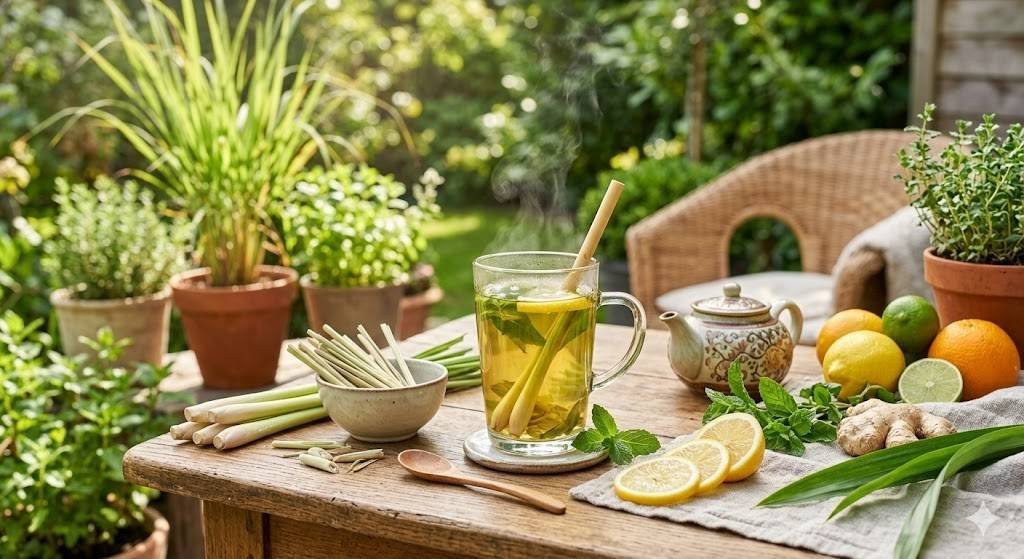
Herbal teas have been part of traditional healing systems for centuries, offering gentle yet effective support for the body and mind. Among these aromatic infusions, lemongrass tea stands out for its fresh citrusy aroma, calming nature, and wide range of wellness benefits.
Light, refreshing, and naturally caffeine-free, lemongrass tea has grown from a traditional household remedy to a globally loved herbal drink. But what makes it so special? Is it just a flavorful beverage, or does it truly offer meaningful health advantages?
In this in-depth guide, we’ll explore the history, benefits, preparation methods, safety considerations, and science behind lemongrass tea.
What Is Lemongrass Tea?
Lemongrass tea is an herbal infusion made from the stalks or leaves of the lemongrass plant, most commonly Cymbopogon citratus. Native to tropical regions such as Southeast Asia, India, and Sri Lanka, lemongrass belongs to the grass family (Poaceae).
It has long been used in:
- Ayurvedic medicine
- Traditional Thai remedies
- Caribbean herbal practices
- African folk medicine
The tea is made by steeping fresh or dried lemongrass in hot water, producing a pale yellow infusion with a bright lemon aroma.
Despite its citrus scent, lemongrass contains no actual lemon. Its flavor comes from natural compounds like citral.
Nutritional & Active Compounds in Lemongrass
Lemongrass contains several beneficial plant compounds, including:
- Citral
- Geraniol
- Limonene
- Flavonoids
- Phenolic compounds
- Antioxidants
These compounds contribute to its:
- Anti-inflammatory properties
- Antimicrobial effects
- Digestive support
- Relaxing qualities
While lemongrass tea is not calorie-dense, it delivers functional phytonutrients that may support overall wellness.
Health Benefits of Lemongrass Tea
1. Supports Digestive Health
One of the most well-known uses of lemongrass tea is digestive support.
It may help:
- Reduce bloating
- Ease stomach cramps
- Improve digestion
- Relieve mild constipation
- Calm nausea
Lemongrass has mild carminative properties, meaning it helps reduce gas formation in the digestive tract.
Drinking a warm cup after meals may promote smoother digestion.
2. May Support Detoxification
Lemongrass tea is often promoted as a “detox tea.” While the body naturally detoxifies through the liver and kidneys, lemongrass may support these processes indirectly.
It may:
- Promote mild diuretic effects
- Encourage fluid balance
- Support kidney function
- Aid natural waste elimination
Its hydrating nature combined with antioxidants contributes to this effect.
3. Rich in Antioxidants
Oxidative stress contributes to aging and chronic disease. Lemongrass contains antioxidants that help neutralize free radicals.
Regular consumption may support:
- Cellular health
- Immune resilience
- Healthy aging
4. Calming and Stress-Relieving Properties
Lemongrass tea has a naturally soothing aroma. Its scent alone may promote relaxation.
Some people find it helpful for:
- Reducing mild anxiety
- Improving sleep quality
- Promoting calm focus
Unlike caffeinated beverages, it offers relaxation without stimulation.
5. May Help Support Healthy Blood Pressure
Preliminary research suggests lemongrass may support healthy blood pressure levels due to its diuretic and antioxidant properties.
However, individuals on blood pressure medication should consult a healthcare professional before regular use.
6. Antimicrobial & Immune Support
Lemongrass has demonstrated antimicrobial properties in laboratory studies.
It may help:
- Support immune function
- Reduce minor infections
- Soothe sore throat
- Promote oral health
A warm cup during seasonal changes can feel particularly comforting.
7. May Support Weight Management
Lemongrass tea alone does not cause weight loss, but it may assist weight management efforts by:
- Supporting hydration
- Reducing bloating
- Acting as a low-calorie beverage replacement
- Supporting digestion
Replacing sugary drinks with lemongrass tea can reduce overall calorie intake.
8. May Help Reduce Inflammation
Chronic inflammation contributes to various health concerns.
Lemongrass contains anti-inflammatory compounds that may help support overall wellness when consumed regularly.
What Does Lemongrass Tea Taste Like?
Lemongrass tea has a:
- Fresh citrus aroma
- Mild lemon-like flavor
- Slight herbal sweetness
- Clean, refreshing finish
It is lighter and less acidic than lemon juice.
It pairs well with:
- Ginger
- Mint
- Honey
- Turmeric
- Green tea
How to Make Lemongrass Tea
Using Fresh Lemongrass
- Wash 1–2 fresh stalks.
- Remove tough outer layers.
- Crush or bruise the stalk slightly.
- Chop into small pieces.
- Boil in 2 cups water for 5–10 minutes.
- Strain and serve.
Using Dried Lemongrass
- Add 1–2 teaspoons dried lemongrass.
- Pour hot water over it.
- Steep 5–10 minutes.
- Strain before drinking.
Optional additions:
- Honey for sweetness
- Lemon slice for extra brightness
- Ginger for digestive support
Best Time to Drink Lemongrass Tea
Morning:
- As a caffeine-free start to the day
After meals:
- To support digestion
Evening:
- To relax before bedtime
It is safe for most people to drink 1–2 cups daily.
Lemongrass Tea vs Green Tea
Compared to green tea:
| Feature | Lemongrass Tea | Green Tea |
|---|---|---|
| Caffeine | None | Contains caffeine |
| Flavor | Citrus, light | Grassy, vegetal |
| Antioxidants | Moderate | High (catechins) |
| Relaxation | Calming | Mildly stimulating |
Lemongrass is ideal for those avoiding caffeine.
Potential Side Effects & Precautions
Lemongrass tea is generally safe when consumed in moderate amounts.
Possible side effects (rare):
- Mild dizziness
- Allergic reactions
- Excessive urination (due to diuretic effect)
People who should consult a healthcare provider before regular use:
- Pregnant individuals
- People with low blood pressure
- Those on diuretic medication
- Individuals with kidney conditions
Moderation is key.
Lemongrass Tea for Skin Health
Thanks to its antioxidant content, lemongrass tea may:
- Support clearer skin
- Reduce inflammation
- Promote a healthy glow
Some people also use cooled lemongrass tea as a facial rinse.
Lemongrass Tea for Hair
Lemongrass has traditionally been used in hair care for:
- Supporting scalp health
- Reducing dandruff
- Promoting shine
It can be applied as a diluted rinse after shampooing.
Can Lemongrass Tea Help with Anxiety?
Its calming aroma may help reduce mild stress and nervous tension. While not a medical treatment, it can be part of a relaxation routine.
Combining lemongrass with herbs like Matricaria chamomilla may enhance calming effects.
Is Lemongrass Tea Good for Immunity?
Its antimicrobial properties and antioxidant content may help support immune health.
Drinking it warm during cold weather can be soothing for the throat.
Who Should Drink Lemongrass Tea?
Lemongrass tea may benefit:
- People with digestive discomfort
- Individuals seeking caffeine-free options
- Those looking for gentle detox support
- People managing stress
- Anyone wanting a refreshing herbal beverage
Final Thoughts
Lemongrass tea is more than just a fragrant herbal drink — it is a time-tested infusion with a wide range of potential wellness benefits.
From supporting digestion and hydration to promoting relaxation and antioxidant protection, it offers gentle daily support without caffeine or calories.
It may not be a miracle cure, but as part of a balanced lifestyle, lemongrass tea can be a refreshing and functional addition to your wellness routine.
If you enjoy light citrus flavors and natural herbal remedies, lemongrass tea deserves a place in your cup.
FAQs About Lemongrass Tea
1. What is lemongrass tea made from?
Lemongrass tea is made from the leaves and stalks of Cymbopogon citratus, a tropical grass known for its fresh citrus aroma and medicinal properties.
2. Does lemongrass tea contain caffeine?
No, lemongrass tea is naturally caffeine-free.
3. What are the main health benefits of lemongrass tea?
Lemongrass tea may support digestion, reduce bloating, promote relaxation, support detox processes, and provide antioxidant protection.
4. Is lemongrass tea good for digestion?
Yes, it is traditionally used to relieve indigestion, gas, bloating, and mild stomach discomfort.
5. Can lemongrass tea help with weight loss?
It may support weight management indirectly by aiding digestion, reducing water retention, and serving as a low-calorie beverage alternative.
6. Does lemongrass tea help with anxiety?
The calming aroma and mild sedative properties may help reduce stress and promote relaxation.
7. Is lemongrass tea good for sleep?
It can support relaxation before bedtime, although it is not a strong sedative like some other herbs.
8. Can lemongrass tea lower blood pressure?
Some studies suggest it may help support healthy blood pressure levels, but it should not replace prescribed medication.
9. Is lemongrass tea safe during pregnancy?
Pregnant individuals should consult a healthcare professional before drinking lemongrass tea regularly.
10. Can I drink lemongrass tea every day?
Yes, most healthy adults can safely enjoy 1–2 cups daily in moderation.
11. What does lemongrass tea taste like?
It has a light, citrusy, slightly sweet flavor with fresh lemon notes.
12. How do you make fresh lemongrass tea?
Chop fresh lemongrass stalks, boil in water for 5–10 minutes, strain, and enjoy warm.
13. Can lemongrass tea help detox the body?
It may support natural detox pathways by promoting hydration and mild diuretic effects.
14. Does lemongrass tea help with menstrual cramps?
It may help relax muscles and reduce mild cramping discomfort.
15. Can lemongrass tea fight infections?
Lemongrass contains compounds with antimicrobial properties that may help support immune defense.
16. Is lemongrass tea good for skin?
Its antioxidant properties may support healthy skin when consumed as part of a balanced diet.
17. Can lemongrass tea cause side effects?
In rare cases, excessive consumption may cause dizziness or stomach upset.
18. Can I mix lemongrass with other herbs?
Yes, lemongrass pairs well with ginger, mint, and green tea for enhanced flavor and benefits.
19. Is lemongrass tea safe for children?
Small amounts may be safe, but consult a pediatrician before regular use.
20. Can I drink lemongrass tea cold?
Yes, it makes a refreshing iced herbal tea, especially in warm weather.
Also read :