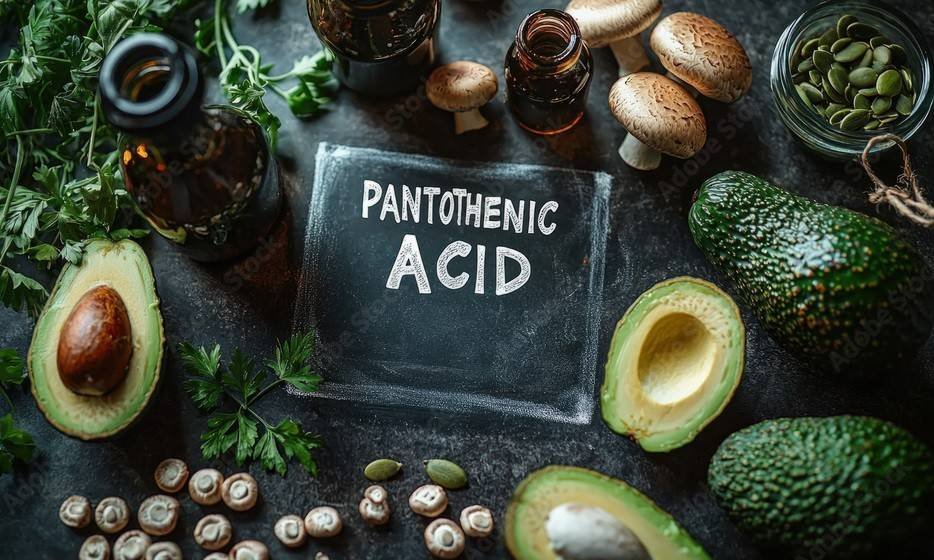
Pantothenic acid, also known as Vitamin B5, is one of the essential B vitamins your body needs for energy production, brain function, hormone balance, and healthy skin. Although it does not receive as much attention as vitamins like B12 or Vitamin C, Vitamin B5 plays a major role in keeping the body functioning properly.
The word “pantothenic” comes from a Greek word meaning “from everywhere,” because Vitamin B5 is found in many foods. From helping convert food into energy to supporting healthy hair and skin, this nutrient is important for people of all ages.
Vitamin B5 is commonly included in multivitamins, energy supplements, skincare products, and hair-care formulas. It is also associated with reducing fatigue, supporting metabolism, and maintaining nervous system health.
In this complete guide, you will learn:
- What Pantothenic Acid is
- Health benefits of Vitamin B5
- Best food sources
- Symptoms of deficiency
- Recommended dosage
- Vitamin B5 for skin and hair
- Side effects and precautions
- Frequently asked questions
What Is Pantothenic Acid (Vitamin B5)?
Pantothenic acid is a water-soluble vitamin that belongs to the Vitamin B complex group. Since it is water-soluble, the body does not store large amounts of it, so regular dietary intake is important.
Vitamin B5 helps your body convert carbohydrates, fats, and proteins into usable energy. It also plays a key role in producing coenzyme A (CoA), an important compound involved in metabolism and many biological functions.
Vitamin B5 supports:
- Energy production
- Brain function
- Hormone synthesis
- Red blood cell formation
- Skin and hair health
- Nervous system support
Nutritional Profile of Vitamin B5
Here is the approximate recommended daily intake for Pantothenic Acid:
| Age Group | Recommended Intake |
|---|---|
| Infants | 1.7–1.8 mg |
| Children | 2–4 mg |
| Teenagers | 5 mg |
| Adults | 5 mg |
| Pregnant Women | 6 mg |
| Breastfeeding Women | 7 mg |
How Vitamin B5 Works in the Body
Pantothenic acid is mainly involved in converting food into energy. It helps the body break down nutrients and supports the production of essential compounds.
Vitamin B5 contributes to:
- Fat metabolism
- Protein metabolism
- Carbohydrate metabolism
- Cholesterol production
- Hormone synthesis
- Neurotransmitter function
Without enough Vitamin B5, your body would struggle to efficiently use food for energy.
Top 20 Health Benefits of Pantothenic Acid (Vitamin B5)
1. Helps Convert Food Into Energy
Vitamin B5 is essential for energy metabolism. It helps the body transform food into fuel that cells can use.
2. Supports Healthy Brain Function
Vitamin B5 helps produce neurotransmitters involved in memory, focus, and nervous system communication.
3. Reduces Fatigue
Because it supports energy production, Vitamin B5 may help reduce tiredness and fatigue.
4. Supports Healthy Skin
Vitamin B5 is commonly used in skincare products because it helps maintain skin hydration and softness.
5. Helps Maintain Healthy Hair
Many shampoos and hair serums contain Vitamin B5 for scalp and hair nourishment.
6. Supports Hormone Production
Vitamin B5 helps the body produce hormones in the adrenal glands.
7. Promotes Healthy Cholesterol Levels
Some research suggests Vitamin B5 derivatives may support cholesterol management.
8. Supports Nervous System Health
Vitamin B5 helps maintain healthy nerve function and communication.
9. Helps Red Blood Cell Production
It supports the production of red blood cells, which carry oxygen throughout the body.
10. Supports Stress Response
The adrenal glands rely on Vitamin B5 for proper hormone production related to stress management.
11. Helps Skin Barrier Function
Vitamin B5 may help strengthen the skin barrier and reduce moisture loss.
12. Supports Wound Healing
Vitamin B5 is often included in creams designed to support skin repair.
13. Helps Acne-Prone Skin
Some studies suggest Vitamin B5 may support clearer-looking skin.
14. Supports Digestive Health
Vitamin B5 contributes to proper metabolism and digestive function.
15. May Improve Skin Hydration
It is widely used in moisturizers because of its hydrating properties.
16. Supports Heart Health
By supporting metabolism and cholesterol balance, Vitamin B5 may contribute to cardiovascular wellness.
17. Supports Healthy Aging
Its role in cellular energy and metabolism supports overall vitality.
18. Helps Metabolize Healthy Fats
Vitamin B5 plays a role in fat breakdown and utilization.
19. Supports Immune Function
A healthy metabolism and nervous system contribute to better immune support.
20. Supports Overall Wellness
Vitamin B5 is involved in hundreds of metabolic processes essential for daily health.
Best Food Sources of Vitamin B5
Vitamin B5 is found in a wide variety of foods.
1. Chicken
Chicken is a rich source of Vitamin B5 and protein.
2. Eggs
Eggs provide several B vitamins including pantothenic acid.
3. Mushrooms
Mushrooms contain moderate amounts of Vitamin B5.
4. Avocados
Avocados provide healthy fats and Vitamin B5.
5. Yogurt
Dairy products contribute small amounts of Vitamin B5.
6. Sunflower Seeds
These seeds are nutrient-dense and contain Vitamin B5.
7. Sweet Potatoes
Sweet potatoes provide fiber and several vitamins.
8. Lentils
Lentils contain plant-based protein and B vitamins.
9. Salmon
Salmon offers healthy fats and pantothenic acid.
10. Broccoli
Broccoli contains small amounts of Vitamin B5 and antioxidants.
Vitamin B5 for Skin
Vitamin B5 is extremely popular in skincare products.
A common form called panthenol is used in creams, serums, and moisturizers.
Skin Benefits of Vitamin B5
- Helps hydrate dry skin
- Supports smoother skin texture
- Helps maintain skin barrier
- Reduces roughness
- Supports skin repair
Common Vitamin B5 Skincare Products
- Moisturizers
- Face serums
- Sunscreens
- Healing creams
- Face masks
Vitamin B5 for Hair
Pantothenic acid is commonly added to shampoos and conditioners.
Hair Benefits
- Helps improve hair softness
- Supports scalp hydration
- Reduces dryness
- Adds shine to hair
- Helps improve hair texture
Signs of Vitamin B5 Deficiency
Vitamin B5 deficiency is rare because the vitamin is widely available in foods.
However, deficiency can occur in severe malnutrition or extremely restrictive diets.
Common Symptoms
- Fatigue
- Irritability
- Headaches
- Muscle cramps
- Sleep problems
- Digestive discomfort
- Tingling sensations in feet
Who Is at Risk of Vitamin B5 Deficiency?
Certain individuals may have a higher risk.
Risk Groups
- People with poor nutrition
- Individuals with alcohol dependence
- Those with digestive disorders
- People on extremely restrictive diets
Recommended Daily Intake of Vitamin B5
| Group | Daily Requirement |
|---|---|
| Adult Men | 5 mg |
| Adult Women | 5 mg |
| Pregnant Women | 6 mg |
| Breastfeeding Women | 7 mg |
Vitamin B5 Supplements
Vitamin B5 supplements are available in multiple forms:
- Capsules
- Tablets
- Multivitamins
- B-complex supplements
- Powders
The most common supplemental forms include:
- Pantothenic acid
- Calcium pantothenate
- Panthenol
Best Time to Take Vitamin B5
Vitamin B5 supplements are often taken:
- In the morning
- With meals
- Alongside other B vitamins
Since B vitamins help support energy metabolism, many people prefer taking them earlier in the day.
Can You Take Too Much Vitamin B5?
Vitamin B5 is generally considered safe because excess amounts are usually excreted through urine.
However, very high doses may cause side effects.
Possible Side Effects
- Diarrhea
- Stomach discomfort
- Nausea
- Increased risk of digestive upset
Always follow supplement dosage instructions.
Vitamin B5 vs Other B Vitamins
| Vitamin | Main Function |
|---|---|
| B1 (Thiamine) | Energy metabolism |
| B2 (Riboflavin) | Cell growth |
| B3 (Niacin) | Skin and metabolism |
| B5 (Pantothenic Acid) | Energy and hormone production |
| B6 | Brain function |
| B7 (Biotin) | Hair and nails |
| B9 (Folate) | DNA synthesis |
| B12 | Nerve health |
Vitamin B5 and Energy Production
One of the most important functions of Vitamin B5 is helping convert food into usable cellular energy.
Without enough Vitamin B5:
- Energy production slows
- Metabolism becomes less efficient
- Fatigue may increase
This is why many energy-support supplements include Vitamin B5.
Vitamin B5 and Stress Support
The adrenal glands use Vitamin B5 to help produce stress-related hormones.
Although Vitamin B5 is not a cure for stress, maintaining adequate intake may support healthy adrenal function.
Vitamin B5 and Acne
Some people use Vitamin B5 supplements or skincare products for acne-prone skin.
Potential benefits include:
- Supporting skin barrier health
- Helping regulate skin balance
- Improving hydration
However, results vary from person to person.
Natural Ways to Increase Vitamin B5 Intake
Eat More Whole Foods
Choose nutrient-rich foods like eggs, fish, chicken, legumes, and vegetables.
Include Healthy Proteins
Protein-rich foods often contain Vitamin B5.
Avoid Over-Processed Foods
Highly processed diets may reduce nutrient quality.
Eat Balanced Meals
A balanced diet helps maintain adequate vitamin intake.
Cooking and Vitamin B5 Loss
Vitamin B5 can be sensitive to heat and food processing.
To preserve nutrients:
- Avoid overcooking vegetables
- Steam instead of deep frying
- Eat fresh whole foods when possible
Myths About Vitamin B5
Myth 1: Vitamin B5 Instantly Boosts Energy
Vitamin B5 supports metabolism, but it is not a stimulant like caffeine.
Myth 2: More Vitamin B5 Means Better Skin
Excessive intake does not guarantee clearer skin.
Myth 3: Deficiency Is Common
Vitamin B5 deficiency is actually rare in most healthy individuals.
Simple Vitamin B5-Rich Meal Ideas
Breakfast
Eggs with avocado toast.
Lunch
Chicken salad with spinach and sunflower seeds.
Snack
Greek yogurt with nuts.
Dinner
Grilled salmon with sweet potatoes and broccoli.
Frequently Asked Questions
What is Pantothenic Acid?
Pantothenic acid is Vitamin B5, an essential nutrient involved in energy production and metabolism.
What are the benefits of Vitamin B5?
Vitamin B5 supports energy, skin health, hair care, brain function, and hormone production.
Which foods contain Vitamin B5?
Chicken, eggs, mushrooms, avocados, yogurt, salmon, and sunflower seeds are good sources.
Is Vitamin B5 good for skin?
Yes. Vitamin B5 helps support hydration and skin barrier health.
Can Vitamin B5 help hair?
It may help improve hair softness, shine, and scalp moisture.
Is Vitamin B5 deficiency common?
No. Deficiency is rare because Vitamin B5 is found in many foods.
What happens if you take too much Vitamin B5?
Very high doses may cause digestive issues like diarrhea or stomach discomfort.
Can I take Vitamin B5 daily?
Yes, when taken within recommended amounts.
Is Vitamin B5 safe?
Vitamin B5 is generally considered safe for most people.
Final Thoughts
Pantothenic acid (Vitamin B5) is an essential nutrient that supports energy production, metabolism, brain function, hormone balance, and healthy skin. Although it is often overlooked compared to other vitamins, Vitamin B5 plays a critical role in overall wellness.
The best way to maintain healthy Vitamin B5 levels is through a balanced diet rich in whole foods such as eggs, fish, chicken, legumes, vegetables, nuts, and dairy products.
Whether you want better energy, healthier skin, improved metabolism, or stronger hair, Vitamin B5 is an important nutrient worth including in your daily routine.
Also read:
Vitamin E: 20 Benefits Best Foods, Skin Care Uses, Dosage & Side Effects