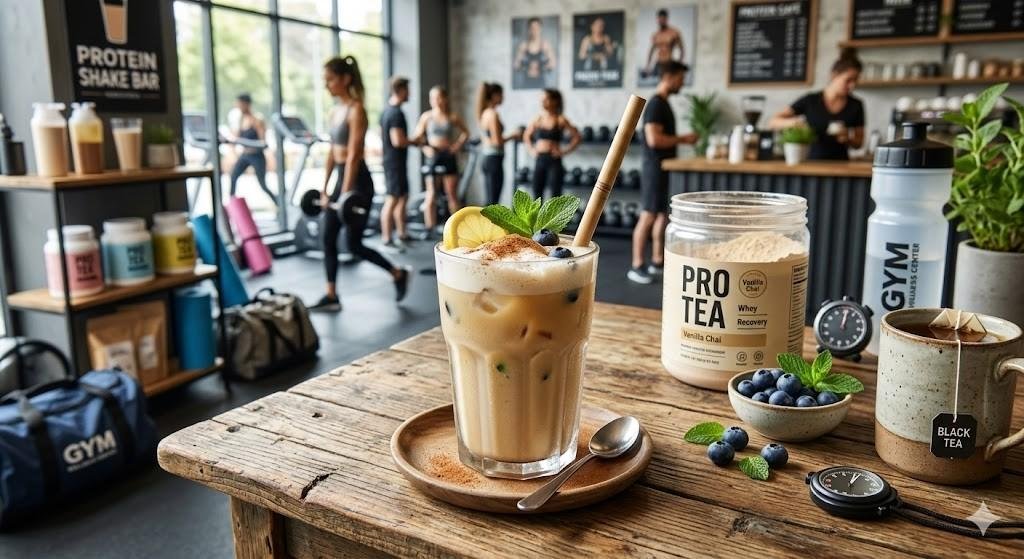
The wellness industry never stops innovating. From collagen coffee to mushroom lattes, functional beverages are constantly evolving. The latest contender stepping into the spotlight? Protein tea.
At first glance, it sounds unusual — even questionable. Tea is traditionally light, aromatic, and soothing. Protein shakes, on the other hand, are thick, creamy, and often chalky. So what happens when these two worlds collide?
Is protein tea the next smart fitness drink — or just a flavor disaster waiting to happen?
Let’s explore the science, taste, benefits, risks, and real-world practicality of this growing trend.
What Is Protein Tea?
Protein tea is exactly what it sounds like: tea combined with protein powder or ready-to-mix protein blends.
Instead of mixing protein with milk or water alone, people are using brewed tea as the base. Some versions are served hot, others iced, and some even blended smoothie-style.
Common combinations include:
- green tea + vanilla whey protein
- matcha + collagen peptides
- black tea + chocolate protein
- rooibos + plant-based protein
The goal? Create a lighter alternative to traditional protein shakes.
Why Is Protein Tea Trending?
High-Protein Fitness Culture
Protein intake has become a major focus in:
- Muscle building
- Fat loss
- Satiety control
- Hormonal health
- Metabolic support
Many people struggle to hit daily protein goals (especially women and vegetarians). Protein tea offers another way to increase intake without heavy shakes.
Demand for Low-Calorie Drinks
Traditional protein shakes can feel:
- Thick
- Heavy
- Calorie-dense
- Hard to digest
Tea provides:
- Hydration
- Lightness
- Antioxidants
- Lower calorie base
This appeals to people who want something refreshing instead of creamy.
Rise of Functional Beverages
Consumers now want drinks that deliver:
- Energy
- Gut support
- Skin health
- Stress relief
- Muscle recovery
Protein tea fits into this “functional drink” category perfectly.
Does Protein Tea Actually Work?
From a nutritional standpoint, yes.
If you add 20–25 grams of protein to tea, you are increasing your protein intake. The body does not care whether protein is consumed in a shake, smoothie, or tea.
However, the real question is:
Does tea interfere with protein absorption?
Protein Absorption & Tea: What Science Says
Tea contains compounds called polyphenols and tannins. These can bind to certain nutrients, including iron and some proteins.
However:
- The effect is relatively minor.
- Most protein will still be absorbed.
- Whey and collagen digest normally.
The interaction is not strong enough to cancel out benefits.
So nutritionally? Protein tea works.
The Taste Factor: Where It Gets Complicated
Here’s the real challenge.
Tea is delicate.
Protein powder is often thick and flavored.
When mixed incorrectly, protein tea can become:
- Bitter
- Grainy
- Foamy
- Overpowering
The success of protein tea depends heavily on:
- Protein type
- Tea strength
- Temperature
- Mixing technique
Best Protein Types for Tea
Collagen Peptides
Best option overall.
- Dissolves easily
- No chalky texture
- Neutral flavor
- Works in hot liquids
Pairs well with:
- matcha
- black tea
- chamomile tea
Whey Isolate
- Lighter than whey concentrate
- Mixes better in cold tea
- Can foam in hot tea
Best used in iced protein tea.
Plant-Based Protein
- Pea protein may taste earthy
- Rice protein can feel gritty
- Blends work better
Works best in:
- Stronger teas like rooibos or chai
Best Teas for Protein Blending
Not all teas are equal when protein is added.
Strong Flavored Teas
- black tea
- chai
- rooibos
These mask protein flavor better.
Matcha
matcha blends naturally because it’s already powdered.
Herbal Teas
- peppermint tea
- hibiscus tea
Work well in iced versions.
Benefits of Protein Tea
Muscle Recovery
Post-workout protein tea can:
- Support muscle repair
- Reduce soreness
- Improve recovery
Especially helpful for those who dislike thick shakes.
Weight Management
Protein increases satiety.
Adding protein to tea:
- Reduces hunger
- Helps control cravings
- Stabilizes blood sugar
Improved Hydration
Unlike heavy shakes, protein tea:
- Feels lighter
- Encourages fluid intake
- Supports hydration
Skin & Joint Support
Collagen protein tea may support:
- Skin elasticity
- Joint comfort
- Hair strength
Downsides of Protein Tea
Texture Issues
Hot liquids can cause whey to clump.
Flavor Conflicts
Delicate green tea can taste bitter with flavored protein.
Overconsumption of Caffeine
Using strong tea plus pre-workout protein may increase caffeine intake.
Digestive Sensitivity
Some people experience bloating from protein powders.
How to Make Protein Tea Properly
Method 1: Iced Protein Tea
- Brew tea strong.
- Cool completely.
- Add protein to shaker bottle.
- Shake vigorously.
- Add ice.
Best for whey or plant protein.
Method 2: Hot Collagen Tea
- Brew tea.
- Let it cool slightly (not boiling).
- Stir in collagen slowly.
- Whisk until dissolved.
Avoid boiling temperatures.
Method 3: Blended Protein Matcha
- Add matcha powder.
- Add protein powder.
- Add warm water.
- Blend or froth.
Smoothest option.
Is Protein Tea Better Than Protein Shakes?
It depends on your goal.
| Goal | Better Option |
|---|---|
| Muscle Gain | Traditional shake (more calories) |
| Light snack | Protein tea |
| Hydration | Protein tea |
| Bulking | Shake |
| Fat loss | Either (calorie dependent) |
Protein tea is lighter.
Protein shakes are more filling.
Who Should Try Protein Tea?
- Gym-goers tired of thick shakes
- People wanting low-calorie protein
- Busy professionals
- Individuals focused on skin health (collagen)
- Those who already drink tea daily
Who Should Avoid It?
- People sensitive to caffeine
- Individuals with kidney issues
- Anyone allergic to dairy (if using whey)
- Those who dislike tea flavor
Is Protein Tea Just a Social Media Trend?
Partly — yes.
It has strong aesthetic appeal:
- Clear iced tea with foam top
- Vibrant green matcha blends
- Minimalist fitness branding
However, unlike some viral drinks, protein tea does have practical benefits.
It solves a real problem:
“How can I increase protein intake without another heavy shake?”
The Flavor Verdict
Is it a disaster?
It can be — if done poorly.
But when:
- Paired correctly
- Mixed properly
- Sweetened lightly
- Served chilled
Protein tea can be surprisingly enjoyable.
The key is choosing the right combination.
Final Verdict: Trend or Long-Term Fitness Tool?
Protein tea is not a miracle drink.
It won’t replace whole foods.
It won’t magically build muscle.
But it is:
- Practical
- Versatile
- Lower calorie
- Convenient
- Customizable
For those who enjoy tea and need more protein, it’s a smart innovation.
For those who love creamy shakes? It may not replace your blender.
Protein tea isn’t a flavor disaster — but it requires skill.
Done right, it’s a refreshing evolution of fitness nutrition.
FAQs: Protein Tea — Fitness Trend or Flavor Disaster?
1. What is protein tea?
Protein tea is a beverage made by mixing protein powder (such as whey, plant-based protein, or collagen) into brewed tea, served hot or iced.
2. Does protein tea actually help build muscle?
Yes. If it provides sufficient protein (20–30g per serving), it can support muscle repair and growth just like a regular protein shake.
3. Is protein tea better than a protein shake?
Not necessarily better — just lighter. Protein tea is lower in calories and less heavy, while shakes are more filling and calorie-dense.
4. What type of protein works best in tea?
Collagen peptides dissolve most easily, especially in hot tea. Whey isolate works best in iced tea. Plant-based blends can work but may affect texture.
5. Can I mix whey protein into hot tea?
It’s possible, but very hot water may cause clumping. Let the tea cool slightly before mixing.
6. Does tea reduce protein absorption?
Tea contains tannins, but their effect on protein absorption is minimal and does not significantly reduce protein benefits.
7. Is protein tea good for weight loss?
Yes, it may help increase satiety and reduce cravings, especially when used as a snack replacement.
8. Can I drink protein tea every day?
Yes, as long as your total daily protein intake matches your nutritional needs.
9. Does protein tea contain caffeine?
It depends on the tea used. Green, black, and matcha teas contain caffeine, while herbal teas are caffeine-free.
10. Is protein tea good after workouts?
Yes, especially iced versions made with green tea or black tea for added antioxidants.
11. Can protein tea cause bloating?
Some people may experience bloating from certain protein powders, particularly whey concentrate or low-quality plant proteins.
12. Is collagen protein tea effective?
Collagen supports skin, joints, and connective tissue but is not a complete protein for muscle building unless combined with other sources.
13. Can I make vegan protein tea?
Yes, use plant-based protein powders like pea or rice blends.
14. Does protein tea taste good?
It can taste good when paired properly. Strong teas like chai or rooibos mask protein flavor better than delicate teas.
15. Can I sweeten protein tea?
Yes, natural sweeteners like honey, stevia, or dates can improve taste.
16. Is protein tea suitable for intermittent fasting?
If it contains protein, it technically breaks a fast. Plain tea without protein does not.
17. Can I prepare protein tea in advance?
Yes, especially iced versions. Shake well before drinking to avoid separation.
18. How much protein should be in protein tea?
Typically 15–30 grams per serving, depending on your goals.
19. Is protein tea safe for everyone?
Most healthy adults can consume it safely, but individuals with kidney issues should consult a healthcare professional.
20. Is protein tea just a social media trend?
It started as a trend but has practical benefits for those wanting a lighter, refreshing protein option.
Also read :