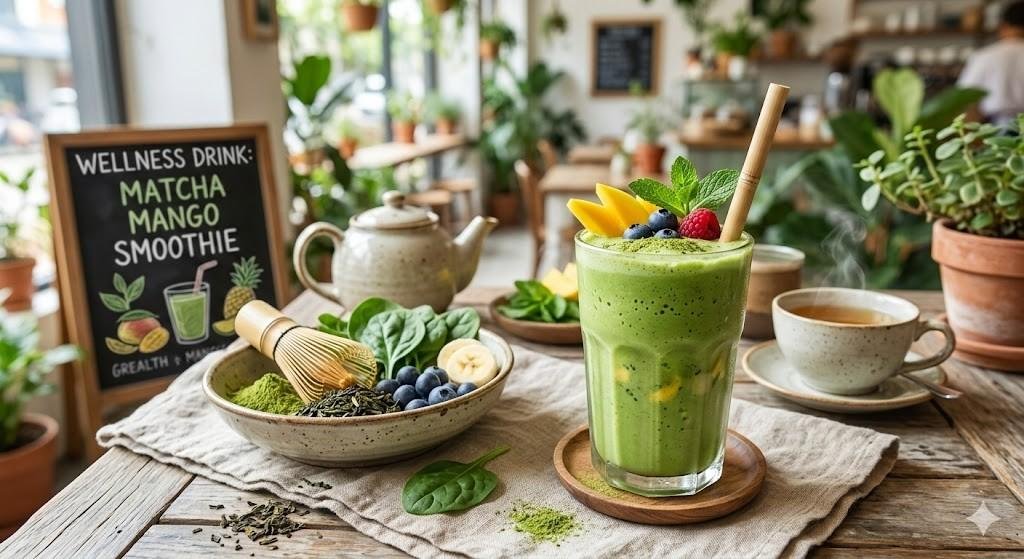
In the ever-evolving world of wellness beverages, trends come and go — from cold-pressed juices to matcha lattes, mushroom coffees, and collagen elixirs. Now, a new hybrid drink is quietly making its way into cafés, fitness kitchens, and social media feeds: tea smoothies.
But are tea smoothies truly the next big wellness drink — or just another fleeting health fad?
This comprehensive guide explores what tea smoothies are, why they’re trending, their health benefits, best tea bases to use, how to make them, and whether they deserve a permanent place in your daily routine.
What Are Tea Smoothies?
Tea smoothies are blended beverages that combine brewed tea with fruits, vegetables, protein sources, and superfoods. Instead of using milk, yogurt, or juice as the liquid base, tea becomes the foundation of the smoothie.
The idea is simple:
- Brew tea
- Cool it down
- Blend it with nutrient-dense ingredients
- Enjoy a functional, antioxidant-rich drink
This fusion brings together two powerful health trends:
- Herbal and functional teas
- Nutrient-packed smoothies
The result? A drink that delivers hydration, phytonutrients, fiber, and plant-based wellness in one glass.
Why Tea Smoothies Are Trending
Several wellness shifts have contributed to the rise of tea smoothies:
1. Demand for Functional Drinks
Modern consumers want more than flavor — they want benefits. Teas like matcha, turmeric, and moringa are already seen as functional ingredients.
Blending them into smoothies amplifies their health appeal.
2. Reduced Sugar Awareness
Many smoothies rely heavily on fruit juice. Tea smoothies offer a low-sugar liquid base, helping balance sweetness naturally.
3. Adaptogen Popularity
Ingredients like ashwagandha and holy basil are being added to teas and smoothies alike — making tea smoothies a perfect delivery system for adaptogens.
4. Café Innovation
Specialty tea cafés and wellness juice bars are experimenting with tea-based blends, bringing the trend into mainstream visibility.
Health Benefits of Tea Smoothies
Tea smoothies can offer layered benefits because they combine:
- Antioxidants from tea
- Fiber from fruits and vegetables
- Healthy fats and protein
- Phytonutrients from herbs and spices
Let’s break it down.
1. Rich in Antioxidants
Teas like green tea and white tea contain catechins, especially EGCG, known for antioxidant properties.
Antioxidants help:
- Reduce oxidative stress
- Support heart health
- Protect cells from damage
When combined with berries or leafy greens, antioxidant levels multiply.
2. Improved Digestion
Herbal bases like peppermint tea or ginger tea can:
- Ease bloating
- Support gut motility
- Calm the digestive tract
Add banana, flax seeds, or spinach — and you get both fiber and digestive soothing benefits.
3. Natural Energy Boost
Instead of coffee, tea smoothies offer gentle stimulation.
- matcha provides sustained energy due to L-theanine.
- black tea adds moderate caffeine.
- yerba mate delivers a balanced stimulant effect.
Blended with protein and healthy fats, energy release becomes more stable.
4. Hormonal and Stress Support
Herbal tea bases such as:
- shatavari
- chamomile
- ashwagandha
may help support hormonal balance and stress resilience.
Combined with magnesium-rich ingredients like almonds or cocoa, they can support relaxation.
5. Weight Management Support
Tea smoothies may assist weight goals because they:
- Increase satiety (fiber + protein)
- Reduce sugar spikes
- Boost metabolism (green tea catechins)
A green tea + spinach + protein smoothie can serve as a nutrient-dense breakfast replacement.
Best Teas to Use in Smoothies
Not all teas blend well. Here are the top performers.
1. Green Tea
Light, grassy flavor that pairs well with:
- Mango
- Pineapple
- Spinach
- Mint
Best for metabolism and antioxidants.
2. Matcha
Creamy and vibrant. Ideal for:
- Banana
- Almond milk
- Vanilla
- Dates
Perfect for energy and focus.
3. Herbal Teas
Caffeine-free and versatile.
- Chamomile → calming evening smoothie
- Peppermint → refreshing detox blend
- Hibiscus → tart berry-style smoothie
4. Black Tea
Robust and bold. Works with:
- Berries
- Cocoa
- Peanut butter
Adds depth and caffeine kick.
5. Rooibos Tea
Naturally sweet and nutty. Great with:
- Cinnamon
- Apple
- Almond butter
Ideal caffeine-free base.
Popular Tea Smoothie Combinations
Energizing Matcha Smoothie
- 1 tsp matcha
- Frozen banana
- Spinach
- Almond milk
- Chia seeds
Gut-Healing Ginger Blend
- Brewed ginger tea (cooled)
- Pineapple
- Greek yogurt
- Flax seeds
- Turmeric
Hormone Support Smoothie
- Shatavari tea
- Mixed berries
- Almond butter
- Cinnamon
- Oats
Detox Green Tea Smoothie
- Green tea
- Kale
- Cucumber
- Lemon
- Mint
How to Make Tea Smoothies (Step-by-Step)
- Brew tea stronger than usual.
- Cool completely (or chill).
- Use 1–1.5 cups as liquid base.
- Add frozen fruits for creaminess.
- Blend 30–60 seconds.
- Adjust thickness with ice or plant milk.
Pro Tip: Freeze brewed tea into cubes for thicker texture.
Are Tea Smoothies Better Than Regular Smoothies?
It depends on your goal.
Tea Smoothies Pros:
- Lower sugar
- Added antioxidants
- Functional herbal benefits
- Unique flavor profiles
Regular Smoothies Pros:
- Creamier texture
- Simpler ingredients
- More protein-focused options
Tea smoothies shine in the wellness niche where function matters as much as flavor.
Potential Downsides
While healthy, tea smoothies may not suit everyone:
- Too much caffeine if using strong tea
- Bitter taste if over-brewed
- Herbal interactions with medications
- Not ideal for those sensitive to tannins
Balance is key.
Who Should Try Tea Smoothies?
Tea smoothies are ideal for:
- Health-conscious individuals
- Fitness enthusiasts
- People reducing sugar intake
- Those exploring herbal wellness
- Busy professionals wanting functional breakfast options
Tea Smoothies vs. Juice Cleanses
Unlike juice cleanses, tea smoothies:
- Contain fiber
- Provide protein
- Support satiety
- Avoid extreme calorie restriction
They’re more sustainable and balanced.
Key Differences Between Tea Smoothies and Juice Cleanses
Fiber Content
Tea Smoothies:
Contain whole fruits and vegetables → retain fiber.
Fiber:
- Supports gut health
- Improves satiety
- Stabilizes blood sugar
Juice Cleanses:
Fiber is removed during juicing.
This can cause rapid sugar absorption and blood sugar spikes.
Winner: Tea Smoothies
Blood Sugar Stability
Juice cleanses can contain high natural sugar from fruit — without fiber to slow absorption.
Tea smoothies:
- Use tea as low-sugar base
- Often include protein and healthy fats
- Help reduce glucose spikes
Winner: Tea Smoothies
Detox Claims
Juice cleanses are often marketed as “detox programs.”
However:
- The liver and kidneys naturally detox the body.
- There is limited scientific evidence that juice cleanses remove toxins.
Tea smoothies support detox indirectly through:
- Hydration
- Antioxidants
- Fiber for bowel elimination
Winner: Tie (when done responsibly)
Neither is a magical detox — but tea smoothies are more nutritionally balanced.
Protein Intake
Juice cleanses are usually very low in protein.
Low protein can lead to:
- Muscle breakdown
- Fatigue
- Increased hunger
Tea smoothies can easily include:
- Greek yogurt
- Plant protein powder
- Nut butter
- Chia seeds
Winner: Tea Smoothies
Sustainability
Juice cleanses are short-term and restrictive.
Many people regain weight afterward.
Tea smoothies:
- Can be part of daily diet
- Are flexible
- Feel less restrictive
Winner: Tea Smoothies
Calorie Intake
Juice cleanses often drastically reduce calories.
This may cause:
- Dizziness
- Headaches
- Low energy
- Irritability
Tea smoothies can be:
- Light snack (200 calories)
- Full meal (400–500 calories)
They’re customizable.
Winner: Tea Smoothies
Are Juice Cleanses Ever Beneficial?
Short-term juice consumption may:
- Increase vegetable intake
- Encourage hydration
- Reset poor eating habits psychologically
However, they are not medically necessary for detox.
People with diabetes, low blood pressure, or metabolic conditions should be cautious.
The Café & Social Media Factor
Instagram and wellness influencers are embracing:
- Vibrant green matcha blends
- Deep red hibiscus smoothies
- Golden turmeric tea shakes
Aesthetic appeal plays a major role in trend growth.
The Future of Tea Smoothies
Tea smoothies may expand into:
- Protein-enhanced ready-to-drink bottles
- Adaptogen-focused blends
- Functional immunity smoothies
- Collagen tea shakes
- CBD-infused tea smoothies (where legal)
The wellness beverage industry continues evolving — and tea smoothies fit perfectly within functional nutrition trends.
Final Verdict: Are Tea Smoothies the Next Big Wellness Drink?
Tea smoothies combine:
- Tradition (tea culture)
- Modern nutrition science
- Convenience
- Flavor innovation
They offer hydration, antioxidants, fiber, and functional benefits in one drink.
While not a miracle cure, they represent a smart evolution of two powerful health traditions — tea and smoothies.
If crafted thoughtfully, tea smoothies aren’t just a trend.
They may be the next sustainable chapter in functional beverages.
FAQs: Tea Smoothies — The Next Big Wellness Drink?
1. What exactly is a tea smoothie?
A tea smoothie is a blended drink that uses brewed and cooled tea as the liquid base instead of juice or milk, combined with fruits, vegetables, protein, and superfoods.
2. Are tea smoothies better than regular smoothies?
They can be, especially if you want lower sugar and added antioxidants. Tea provides functional compounds that regular milk or juice bases do not.
3. Which tea is best for energy smoothies?
matcha and black tea are great choices because they contain natural caffeine and L-theanine for sustained energy.
4. Can I use herbal tea in smoothies?
Yes. Herbal teas like chamomile, peppermint, and hibiscus work very well and are caffeine-free.
5. Do tea smoothies help with weight loss?
They may support weight management when made with fiber-rich fruits, protein, and metabolism-supporting teas like green tea.
6. Are tea smoothies safe for daily consumption?
Yes, if prepared with balanced ingredients and moderate caffeine levels.
7. Can tea smoothies replace breakfast?
Yes, if you include protein (like Greek yogurt or plant protein), healthy fats, and fiber to make them nutritionally complete.
8. How strong should the tea be for smoothies?
Brew it slightly stronger than usual to maintain flavor after blending with fruits and ice.
9. Can I prepare tea smoothies in advance?
You can refrigerate them for up to 24 hours, but they taste best fresh.
10. Do tea smoothies contain a lot of sugar?
Not necessarily. Using tea instead of fruit juice helps reduce overall sugar content.
11. Can I add adaptogens to tea smoothies?
Yes, ingredients like ashwagandha or holy basil are commonly added for stress support.
12. What fruits pair best with green tea smoothies?
Mango, pineapple, banana, berries, and kiwi blend well with green tea’s light, grassy flavor.
13. Can I freeze tea into ice cubes?
Yes, freezing brewed tea into cubes improves texture without diluting flavor.
14. Are tea smoothies good for digestion?
Yes, especially when using digestive-supportive teas like ginger or peppermint.
15. Can kids drink tea smoothies?
Yes, if you use caffeine-free herbal teas and limit added sweeteners.
16. Do tea smoothies contain dairy?
Only if you add dairy ingredients. They can easily be made vegan and dairy-free.
17. Can I use bottled tea?
Freshly brewed tea is preferred to avoid added sugars and preservatives.
18. Are tea smoothies hydrating?
Yes, tea contributes to hydration, especially herbal varieties.
19. Can I use iced tea directly?
Yes, as long as it is unsweetened and chilled.
20. Are tea smoothies just a trend?
While trendy, they combine established health principles — antioxidants, fiber, and functional herbs — suggesting they may become a lasting wellness beverage option.
Also read :