Langsat Fruit: Tropical fruits are celebrated around the world for their vibrant flavors, refreshing textures, and nutritional richness. While fruits like mangoes, pineapples, and bananas are globally recognized, many lesser-known tropical fruits are beginning to attract attention for their unique taste and impressive health benefits. One such fruit is langsat.
Langsat is a small tropical fruit native to Southeast Asia and prized for its juicy, translucent flesh and sweet-tart flavor. Scientifically known as Lansium parasiticum, Langsat Fruit belongs to the Mahogany family and grows in clusters on tall tropical trees. The fruit is especially popular in countries such as Malaysia, Indonesia, Thailand, and the Philippines, where it has been cultivated for centuries.
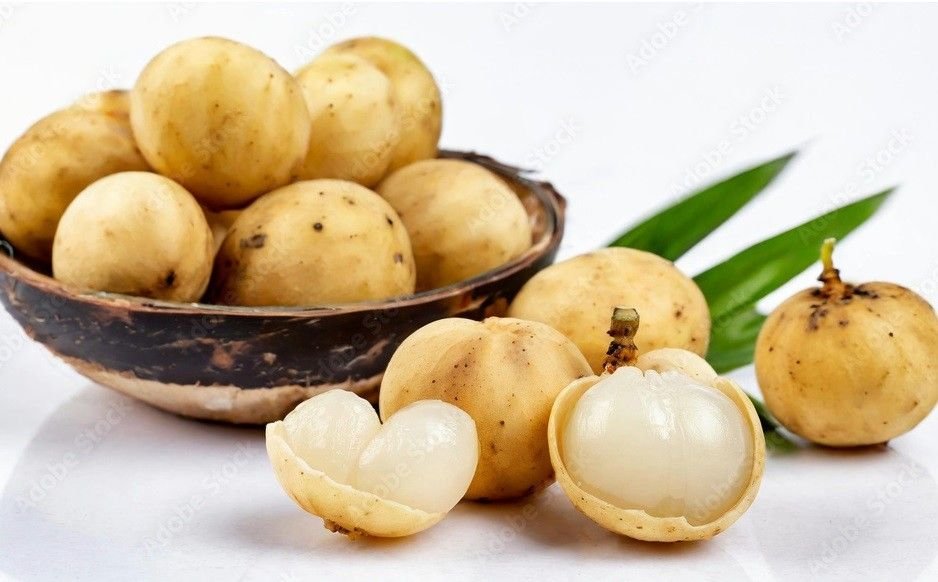
The fruit’s soft, pale-yellow skin hides segments of delicate white flesh that resemble garlic cloves in appearance. Its flavor is often described as a combination of grape, pomelo, and lychee with subtle citrus notes. Refreshing and naturally sweet, Langsat Fruit is commonly eaten fresh but can also be used in beverages, desserts, jams, and traditional dishes.
Beyond its delicious taste, Langsat Fruit is valued for its nutritional profile. It contains vitamins, minerals, antioxidants, dietary fiber, and plant compounds that may support immunity, digestion, skin health, and overall wellness. Traditional medicine systems have also used various parts of the langsat tree for generations.
As global interest in exotic fruits and natural wellness foods continues to grow, Langsat Fruit is becoming increasingly appreciated beyond Southeast Asia. This article explores everything you need to know about langsat — its history, nutritional value, health benefits, culinary uses, cultivation, and cultural significance.
What Is Langsat?
Langsat Fruit is a tropical fruit that grows on medium-to-large evergreen trees. The fruit appears in hanging clusters and is usually round or oval in shape with smooth yellowish or beige skin.
Inside the fruit are translucent white segments that are juicy and aromatic. Some segments may contain bitter seeds, while others are seedless.
Langsat Fruit Langsat belongs to the same botanical family as duku and longkong, which are closely related tropical fruits. Though they look similar, each variety differs slightly in sweetness, texture, and size.
The Langsat Fruit tree thrives in warm, humid climates and can grow up to 30 meters tall under ideal conditions.
Origin and History of Langsat
Langsat Fruit has deep roots in Southeast Asian agriculture and culture. The fruit is believed to have originated in the Malay Peninsula and surrounding tropical regions.
For centuries, Langsat Fruit has been cultivated in:
- Malaysia
- Indonesia
- Thailand
- Philippines
- Vietnam
- Southern India
The fruit has long been valued as both a food source and a medicinal plant in traditional communities.
In many tropical villages, Langsat Fruit trees are planted in home gardens, orchards, and mixed agricultural systems. The fruit is commonly sold in local markets during harvest season and remains an important seasonal delicacy.
As international interest in exotic fruits increases, Langsat Fruit is gradually gaining recognition in global specialty fruit markets.
Nutritional Profile of Langsat

Langsat Fruit is low in calories yet rich in essential nutrients and beneficial plant compounds.
Key Nutrients Found in Langsat
Vitamin C
Langsat Fruit contains vitamin C, which supports immunity, skin health, and antioxidant protection.
Dietary Fiber
Fiber helps support healthy digestion and may promote satiety.
Antioxidants
The fruit contains polyphenols and other antioxidants that help combat oxidative stress.
Potassium
Potassium supports healthy blood pressure and proper muscle function.
Calcium
Small amounts of calcium contribute to bone health.
Phosphorus
Phosphorus plays a role in energy production and cellular function.
Natural Sugars
The fruit provides natural sweetness and quick energy.
Because of its refreshing flavor and hydrating qualities, Langsat Fruit is especially popular in warm tropical climates.
Health Benefits of Langsat
1. Supports Immune Health
Vitamin C is one of the most important nutrients found in Langsat Fruit. This vitamin helps strengthen the immune system and supports the body’s natural defense mechanisms.
Consuming vitamin C-rich fruits regularly may help:
- Support immune function
- Protect cells from oxidative damage
- Promote faster wound healing
- Improve nutrient absorption
Fresh tropical fruits like Langsat Fruit can be a delicious way to increase vitamin intake naturally.
2. Rich in Antioxidants
Langsat Fruit contains antioxidants that may help neutralize harmful free radicals in the body.
Oxidative stress is associated with aging and various chronic health conditions. Antioxidants may help protect cells and support long-term wellness.
Potential antioxidant benefits include:
- Supporting healthy aging
- Protecting skin cells
- Reducing oxidative stress
- Supporting overall wellness
3. Promotes Healthy Digestion
The dietary fiber in Langsat Fruit may help improve digestion and support bowel regularity.
Fiber contributes to digestive wellness by:
- Supporting healthy gut bacteria
- Encouraging regular bowel movements
- Helping promote fullness
- Supporting nutrient absorption
Eating fiber-rich fruits regularly may contribute to better digestive balance.
4. Helps Hydrate the Body
Langsat has high water content, making it a refreshing fruit for hot climates.
Hydrating fruits can help support:
- Fluid balance
- Energy levels
- Skin hydration
- Cooling during warm weather
In tropical countries, langsat is often enjoyed chilled for maximum refreshment.
5. Supports Skin Health
The combination of vitamin C and antioxidants in langsat may contribute to healthier skin.
Potential skin-related benefits include:
- Supporting collagen production
- Helping reduce oxidative damage
- Promoting skin repair
- Supporting a natural glow
Many tropical fruits rich in vitamin C are associated with skin-supportive nutrition.
6. May Support Heart Health
Langsat contains potassium and antioxidants that may contribute to cardiovascular wellness.
Potassium helps regulate fluid balance and supports healthy blood pressure levels.
A balanced diet rich in fruits may help support:
- Healthy circulation
- Cardiovascular function
- Blood vessel health
7. Provides Natural Energy
The fruit contains natural sugars and carbohydrates that provide quick energy.
Because langsat is light and refreshing, it is often consumed as a healthy snack or energy-boosting fruit during hot afternoons.
8. May Have Anti-Inflammatory Properties
Traditional medicinal practices have used langsat for conditions linked to inflammation.
Plant compounds in the fruit may help support the body’s natural inflammatory response, although further scientific research is still ongoing.
Culinary Uses of Langsat
Langsat is highly versatile and can be enjoyed in many different ways.
Eating Fresh
Fresh langsat is the most popular way to enjoy the fruit.
The skin is peeled away easily to reveal juicy flesh segments inside.
Its sweet-tart flavor makes it refreshing and enjoyable on its own.
Langsat Juice
Langsat juice is popular in tropical regions because of its refreshing taste.
The juice may be combined with:
- Honey
- Lime
- Mint
- Ice
- Coconut water
It is commonly served chilled.
Desserts
Langsat can be added to desserts such as:
- Fruit salads
- Ice creams
- Sorbets
- Jellies
- Sweet puddings
- Tropical parfaits
Its juicy texture works especially well in chilled desserts.
Jams and Preserves
The fruit can be cooked into sweet preserves and jams.
Langsat jam pairs well with:
- Bread
- Pancakes
- Pastries
- Yogurt
Smoothies
Langsat blends well into tropical smoothies with ingredients like:
- Banana
- Mango
- Pineapple
- Coconut milk
- Yogurt
Traditional Uses of Langsat
Different parts of the langsat tree have traditionally been used in folk medicine.
Fruit Peel Uses
In some traditional practices, dried fruit peels were burned as natural insect repellents.
Bark and Seeds
Certain cultures historically used bark and seeds in herbal preparations.
However, seeds may taste bitter and should not be consumed excessively.
Traditional Remedies
Langsat has been used traditionally for:
- Fever relief
- Digestive support
- Skin conditions
- General wellness
Modern scientific studies continue exploring the plant’s bioactive compounds.
How to Grow Langsat
Langsat trees require tropical conditions and careful cultivation.
Climate Requirements
The tree grows best in:
- Warm temperatures
- High humidity
- Tropical rainfall conditions
It does not tolerate frost or cold climates.
Soil Preferences
Langsat prefers:
- Fertile soil
- Good drainage
- Organic-rich conditions
Moist soil conditions help support healthy fruit development.
Watering
Regular watering is important, especially during dry periods.
Young trees require consistent moisture to establish strong root systems.
Fruit Production
Langsat trees may take several years before producing fruit.
Once mature, trees can yield abundant seasonal harvests.
Harvesting
Fruits are harvested when the skin turns yellowish and the clusters become fully mature.
They are typically picked by hand to avoid bruising.
Langsat vs Longkong vs Duku
Langsat is often confused with its close relatives.
Langsat
- Slightly tart flavor
- Thin skin
- Juicy flesh
- Sometimes contains bitter seeds
Longkong
- Sweeter flavor
- Thicker flesh
- Smaller seeds
- Premium market variety
Duku
- Larger fruit
- Sweeter taste
- Thicker skin
- Less acidic
All three fruits belong to the same species group but differ in flavor and texture.
Economic Importance of Langsat
Langsat contributes to local economies in many tropical regions.
Market Sales
The fruit is commonly sold fresh in:
- Local markets
- Roadside stalls
- Tropical fruit shops
Export Potential
Growing international interest in exotic fruits has increased export opportunities.
Agroforestry Benefits
Langsat trees are often integrated into sustainable farming systems alongside other tropical crops.
Sustainability and Environmental Benefits
Langsat trees provide ecological advantages in tropical agriculture.
Biodiversity Support
Mixed tropical orchards help support biodiversity and pollinator activity.
Soil Protection
Tree roots help stabilize soil and reduce erosion.
Shade and Carbon Storage
Large trees provide shade and contribute to carbon absorption.
Potential Side Effects and Precautions
Langsat is generally safe when consumed in moderation.
However:
- Excessive consumption may cause digestive discomfort in sensitive individuals.
- Seeds can taste bitter and are usually discarded.
- Individuals with allergies to tropical fruits should try small amounts initially.
Moderation is recommended as part of a balanced diet.
Future Popularity of Langsat
Several global trends are increasing interest in langsat:
- Rising popularity of exotic fruits
- Interest in natural wellness foods
- Expansion of tropical fruit exports
- Culinary exploration of Southeast Asian ingredients
- Demand for antioxidant-rich fruits
As more consumers discover tropical fruits beyond mainstream options, langsat may continue gaining international recognition.
Delicious Langsat Recipe Ideas
Langsat Tropical Smoothie
Ingredients
- 1 cup peeled langsat
- 1 banana
- 1/2 cup pineapple
- Coconut milk
- Ice cubes
Instructions
Blend all ingredients until smooth and serve chilled.
Langsat Fruit Salad
Ingredients
- Langsat
- Mango
- Papaya
- Dragon fruit
- Lime juice
- Mint leaves
Instructions
Combine fruits in a bowl and drizzle with lime juice before serving.
Langsat Sorbet
Blend langsat pulp with honey and freeze for a refreshing tropical dessert.
Frequently Asked Questions
What does langsat taste like?
Langsat has a sweet-tart flavor often compared to grapes, pomelo, and lychee.
Is langsat healthy?
Yes. Langsat contains vitamin C, antioxidants, fiber, and other beneficial nutrients.
Can you eat langsat seeds?
The seeds are usually bitter and typically discarded.
Where does langsat grow?
Langsat grows mainly in Southeast Asian tropical regions.
Is langsat the same as longkong?
No. They are closely related but differ slightly in sweetness, texture, and appearance.
How do you eat langsat?
The skin is peeled away to reveal juicy flesh segments inside.
Can langsat be used in desserts?
Yes. It works well in smoothies, sorbets, fruit salads, and jams.
Is langsat good for hydration?
Yes. The fruit has high water content and is refreshing in warm climates.
Conclusion
Langsat is one of Southeast Asia’s hidden tropical treasures. With its refreshing flavor, juicy texture, and impressive nutritional profile, this fruit offers both culinary enjoyment and potential wellness benefits.
Rich in vitamin C, antioxidants, and dietary fiber, langsat supports hydration, digestion, immunity, and overall health. Its versatility allows it to shine in fresh snacks, beverages, desserts, and traditional recipes.
Beyond its nutritional value, langsat also represents the rich agricultural and cultural heritage of tropical Asia. As global demand for exotic fruits continues to grow, langsat has the potential to become more widely appreciated around the world.
Whether enjoyed fresh from the tree or blended into refreshing tropical recipes, langsat is a delicious fruit worth discovering.
Also read:
Cornelian Cherry: 8 Benefits, Nutrition, Uses, and Growing Guide