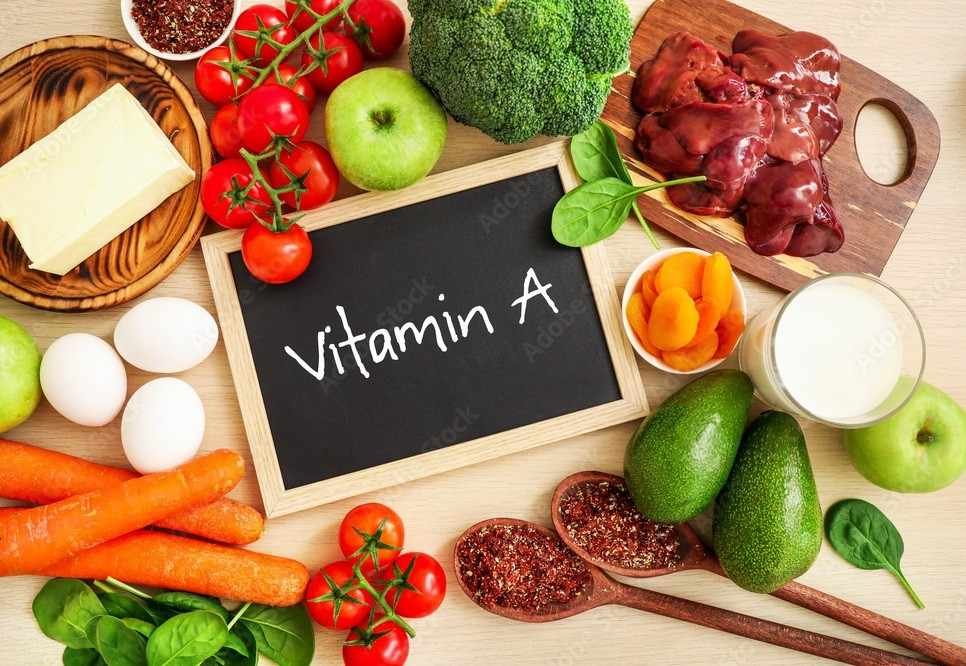
Vitamin A is one of the most important nutrients your body needs for healthy eyesight, strong immunity, skin repair, and proper growth. Although many people recognize vitamin A for supporting eye health, this powerful nutrient does far more than improve vision.
Vitamin A plays a critical role in maintaining healthy organs, supporting immune defenses, promoting skin renewal, and helping cells grow properly. Without enough vitamin A, the body may struggle with infections, dry skin, poor night vision, and other health problems.
Millions of people worldwide suffer from vitamin A deficiency, especially in areas with poor nutrition. Fortunately, vitamin A can be obtained through a healthy diet rich in colorful fruits, vegetables, and animal-based foods.
In this complete guide, you’ll learn everything about vitamin A, including its benefits, deficiency symptoms, food sources, daily requirements, supplements, risks, and more.
What Is Vitamin A?
Vitamin A is a fat-soluble vitamin essential for many body functions. It supports:
- Vision
- Immune function
- Skin health
- Cell growth
- Reproduction
- Organ function
Since vitamin A is fat-soluble, the body stores excess amounts in the liver for future use.
Vitamin A exists in two main forms:
- Preformed Vitamin A (Retinol)
- Provitamin A Carotenoids (Beta-Carotene)
Both forms help maintain overall health but come from different food sources.
Types of Vitamin A
1. Preformed Vitamin A (Retinol)
This active form is found mainly in animal-based foods.
Sources Include
- Liver
- Eggs
- Dairy products
- Fish oils
The body can use retinol directly.
2. Provitamin A Carotenoids
These plant pigments are converted into vitamin A by the body.
The most famous carotenoid is beta-carotene.
Sources Include
- Carrots
- Sweet potatoes
- Mangoes
- Spinach
- Pumpkin
These foods are often orange, yellow, or dark green.
Why Vitamin A Is Important
Vitamin A supports several critical body systems.
Without enough vitamin A:
- Vision may weaken
- Immunity may decline
- Skin can become dry
- Growth and development may slow
It is especially important during childhood, pregnancy, and aging.
Top Health Benefits of Vitamin A
1. Supports Healthy Vision
Vitamin A is best known for protecting eyesight.
It helps form rhodopsin, a protein in the eyes that allows you to see in low light.
Eye Health Benefits
- Improves night vision
- Supports retinal health
- Helps prevent dry eyes
- Reduces risk of vision problems
Severe deficiency can lead to night blindness and even permanent vision damage.
2. Boosts Immune System Function
Vitamin A helps maintain the body’s natural defense systems.
It supports healthy skin, tissues, and mucus membranes that protect against infections.
Immunity Benefits
- Helps fight infections
- Supports white blood cell function
- Protects respiratory health
- Helps maintain gut health
Low vitamin A levels may weaken immune responses.
3. Promotes Healthy Skin
Vitamin A plays a major role in skin repair and renewal.
It supports the production of healthy skin cells and helps regulate oil production.
Skin Benefits
- Supports smooth skin
- Helps reduce dryness
- May improve acne
- Promotes wound healing
- Supports anti-aging skincare
Retinoids, derived from vitamin A, are commonly used in skincare products.
4. Supports Growth and Development
Vitamin A is essential for normal growth during childhood and adolescence.
It helps support:
- Bone growth
- Cell development
- Organ formation
- Reproductive health
Pregnant women especially need adequate vitamin A for fetal development.
5. May Reduce Acne
Vitamin A derivatives are commonly used to help manage acne.
They work by:
- Regulating skin cell turnover
- Reducing clogged pores
- Lowering excess oil production
However, high-dose vitamin A treatments should only be used under medical supervision.
6. Supports Reproductive Health
Vitamin A is important for both male and female reproductive systems.
It contributes to:
- Healthy sperm production
- Fetal development
- Hormonal support
Deficiency may affect fertility and pregnancy outcomes.
7. Acts as a Powerful Antioxidant
Beta-carotene and other carotenoids help protect cells from oxidative stress.
Antioxidants may help reduce damage linked to:
- Aging
- Pollution
- Chronic diseases
8. Supports Lung Health
Vitamin A helps maintain healthy respiratory tissues.
Some research suggests adequate intake may support overall lung function and immune protection.
Signs and Symptoms of Vitamin A Deficiency
Vitamin A deficiency can become serious if left untreated.
Common Symptoms
- Night blindness
- Dry eyes
- Dry skin
- Frequent infections
- Poor wound healing
- Brittle hair
- Delayed growth in children
- Fatigue
- Eye irritation
Severe deficiency may lead to vision loss.
Causes of Vitamin A Deficiency
1. Poor Diet
Lack of vitamin A-rich foods is a major cause worldwide.
2. Fat Malabsorption Disorders
Conditions affecting fat absorption can reduce vitamin A uptake.
Examples include:
- Crohn’s disease
- Celiac disease
- Liver disease
3. Alcohol Abuse
Excess alcohol may interfere with vitamin A storage and metabolism.
4. Chronic Illness
Certain diseases can increase nutrient deficiencies over time.
Best Food Sources of Vitamin A
Animal-Based Sources
| Food | Vitamin A Content |
|---|---|
| Liver | Extremely High |
| Fish oil | Very High |
| Eggs | Moderate |
| Cheese | Moderate |
| Milk | Moderate |
Plant-Based Sources
| Food | Rich in Beta-Carotene |
|---|---|
| Carrots | Very High |
| Sweet potatoes | Very High |
| Pumpkin | High |
| Mangoes | Moderate |
| Spinach | High |
| Kale | High |
Fruits Rich in Vitamin A
Many colorful fruits contain carotenoids that convert into vitamin A.
Best Fruits
- Mango
- Papaya
- Apricot
- Cantaloupe
- Watermelon
Vegetables Rich in Vitamin A
Dark green and orange vegetables are excellent sources.
Best Vegetables
- Carrots
- Sweet potatoes
- Spinach
- Kale
- Red bell peppers
- Pumpkin
Recommended Daily Intake of Vitamin A
| Age Group | Recommended Intake |
|---|---|
| Adult Men | 900 mcg |
| Adult Women | 700 mcg |
| Pregnant Women | 770 mcg |
| Children | Varies by age |
Needs may vary depending on age and health conditions.
Vitamin A Supplements
Vitamin A supplements are available in:
- Capsules
- Softgels
- Multivitamins
- Fish liver oils
Some supplements contain:
- Retinol
- Beta-carotene
- Mixed carotenoids
Who May Need Supplements?
Supplements may benefit:
- People with deficiencies
- Individuals with absorption disorders
- People with poor diets
- Certain high-risk populations
However, excessive supplementation can be harmful.
Vitamin A Toxicity
Unlike water-soluble vitamins, excess vitamin A can build up in the body.
Too much vitamin A may cause toxicity.
Symptoms of Toxicity
- Headaches
- Nausea
- Dizziness
- Blurred vision
- Liver problems
- Bone pain
Severe toxicity can become dangerous.
Can You Take Too Much Beta-Carotene?
High beta-carotene intake from foods is generally safe.
However, excessive beta-carotene supplements may:
- Turn skin yellow-orange
- Increase health risks in smokers
Vitamin A During Pregnancy
Pregnant women need enough vitamin A for fetal development.
However, extremely high doses may harm the developing baby.
Pregnant women should avoid excessive vitamin A supplementation unless advised by a healthcare provider.
Vitamin A and Eye Health
Vitamin A is one of the most important nutrients for maintaining healthy eyes.
It helps:
- Protect the cornea
- Improve low-light vision
- Maintain retinal function
Many eye-health supplements include vitamin A.
Vitamin A and Skin Care
Vitamin A derivatives called retinoids are widely used in skincare.
Benefits Include
- Reduced wrinkles
- Improved skin texture
- Acne management
- Faster skin renewal
Retinol products remain among the most popular anti-aging skincare ingredients.
Vitamin A and Immunity
Vitamin A supports immune cells that protect against bacteria and viruses.
It helps maintain protective barriers in:
- Skin
- Respiratory tract
- Digestive system
Deficiency may weaken infection resistance.
Vitamin A for Children
Children need vitamin A for:
- Healthy growth
- Eye development
- Immune support
Vitamin A deficiency remains a serious issue in some developing countries.
Vitamin A for Older Adults
Older adults may benefit from adequate vitamin A intake to support:
- Vision
- Skin health
- Immune function
Balanced intake is important because older adults may also be more sensitive to excessive supplementation.
Best Ways to Improve Vitamin A Levels Naturally
1. Eat More Colorful Vegetables
Choose orange, yellow, and dark green produce.
2. Include Healthy Fats
Vitamin A absorbs better with fats.
3. Eat a Balanced Diet
Include both plant and animal sources if possible.
4. Improve Digestive Health
Healthy digestion supports nutrient absorption.
Best Time to Take Vitamin A
Since vitamin A is fat-soluble:
- Take it with meals
- Combine with healthy fats
- Avoid taking high doses unnecessarily
Vitamin A Myths
Myth 1: More Vitamin A Is Always Better
Too much can actually be harmful.
Myth 2: Only Carrots Contain Vitamin A
Many foods provide vitamin A and beta-carotene.
Myth 3: Supplements Replace Healthy Foods
Whole foods provide additional nutrients and antioxidants.
Future Research on Vitamin A
Scientists continue studying vitamin A for its potential role in:
- Healthy aging
- Skin repair
- Eye disease prevention
- Immune health
- Cellular protection
Research on carotenoids and antioxidants continues growing.
FAQs
What does vitamin A do?
Vitamin A supports vision, immunity, skin health, and cell growth.
Which foods are highest in vitamin A?
Liver, carrots, sweet potatoes, spinach, and fish oils are rich sources.
What are symptoms of vitamin A deficiency?
Night blindness, dry eyes, dry skin, and frequent infections are common signs.
Is vitamin A good for skin?
Yes. It supports skin renewal and may help reduce acne and aging signs.
Can vitamin A improve eyesight?
It helps maintain healthy vision, especially night vision.
Is vitamin A safe daily?
Yes, when consumed in recommended amounts.
Can too much vitamin A be dangerous?
Yes. Excessive intake may lead to toxicity.
Is beta-carotene the same as vitamin A?
Beta-carotene is converted into vitamin A by the body.
Are vitamin A supplements necessary?
Most people can meet needs through a balanced diet.
What is the best source of vitamin A?
A combination of colorful vegetables and healthy animal sources works well.
Final Thoughts
Vitamin A is an essential nutrient that supports healthy vision, strong immunity, glowing skin, proper growth, and overall wellness. From protecting eyesight to helping the immune system fight infections, this vitamin plays a vital role throughout the body.
Fortunately, many delicious foods naturally contain vitamin A and beta-carotene, making it easier to maintain healthy levels through a balanced diet.
While supplements may help in some cases, moderation is important because excessive vitamin A intake can become harmful. Focusing on nutrient-rich foods, colorful vegetables, and healthy eating habits remains one of the best ways to support long-term health naturally.
Also read :
Vitamin B12: Benefits, Deficiency Symptoms & Best Food Sources