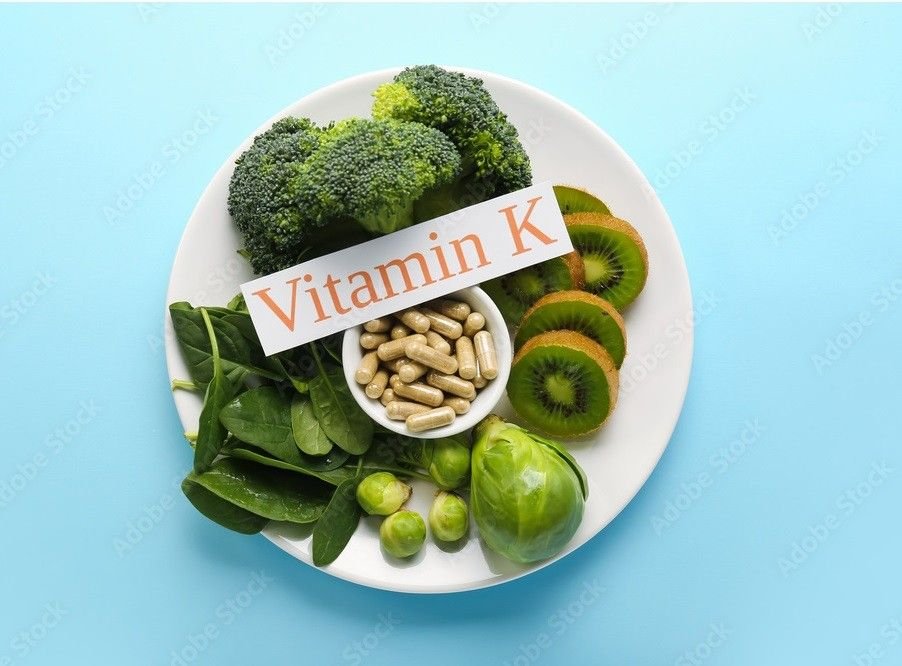
When people talk about important vitamins, most focus on vitamin C, vitamin D, or vitamin B12. However, one underrated nutrient plays a major role in keeping your body healthy every single day — Vitamin K.
Vitamin K is a fat-soluble vitamin best known for helping blood clot properly. Without it, even a small cut could become dangerous. But modern research shows vitamin K does much more than stop bleeding. It supports strong bones, heart health, brain function, and even healthy skin aging.
Despite its importance, many people don’t know enough about vitamin K, its sources, or what happens when the body lacks it. In this complete guide, you’ll learn everything about vitamin K, including its types, health benefits, deficiency symptoms, food sources, supplements, dosage, and side effects.
What Is Vitamin K?
Vitamin K is a group of fat-soluble vitamins that help activate proteins responsible for blood clotting, bone metabolism, and cardiovascular health.
The “K” in vitamin K comes from the German word “Koagulation,” meaning blood clotting.
Your body needs vitamin K to:
- Stop excessive bleeding
- Maintain strong bones
- Prevent calcium buildup in arteries
- Support wound healing
- Improve heart health
Since vitamin K is fat-soluble, it is better absorbed when eaten with healthy fats like olive oil, avocado, nuts, or seeds.
Types of Vitamin K
There are two main forms of vitamin K.
1. Vitamin K1 (Phylloquinone)
Vitamin K1 mainly comes from plant foods, especially green leafy vegetables.
Sources of Vitamin K1
- Spinach
- Kale
- Broccoli
- Lettuce
- Cabbage
- Parsley
Its primary role is helping blood clot normally.
2. Vitamin K2 (Menaquinone)
Vitamin K2 is found in animal foods and fermented foods.
Sources of Vitamin K2
- Cheese
- Egg yolks
- Chicken
- Butter
- Natto (fermented soybeans)
- Yogurt
Vitamin K2 is especially important for:
- Bone strength
- Heart health
- Calcium regulation
Many experts believe vitamin K2 may provide more long-term health benefits than K1.
How Vitamin K Works in the Body
Vitamin K activates proteins that help calcium move to the correct places in the body.
It helps:
- Put calcium into bones and teeth
- Prevent calcium from building up in arteries
- Activate clotting proteins to stop bleeding
Without enough vitamin K, calcium may accumulate in blood vessels instead of bones, increasing the risk of heart disease and weak bones.
Top Health Benefits of Vitamin K
1. Supports Healthy Blood Clotting
The most well-known function of vitamin K is helping blood clot properly.
When you get injured, vitamin K activates clotting proteins that stop excessive bleeding.
Without enough vitamin K:
- Cuts may bleed longer
- Bruises appear easily
- Internal bleeding risk increases
This is why newborn babies often receive vitamin K injections after birth.
2. Strengthens Bones
Vitamin K plays a major role in bone metabolism.
It activates osteocalcin, a protein that helps bind calcium to bones.
Benefits for Bone Health
- Improves bone density
- Reduces fracture risk
- Supports healthy aging
- Helps prevent osteoporosis
Vitamin K2 is particularly beneficial for older adults and postmenopausal women.
3. Promotes Heart Health
Vitamin K helps prevent calcium from accumulating in arteries.
When calcium builds up in blood vessels, arteries become stiff and narrow, increasing heart disease risk.
Vitamin K2 activates a protein called Matrix GLA Protein (MGP), which helps keep arteries flexible and healthy.
Heart Health Benefits
- Reduces arterial calcification
- Supports healthy blood circulation
- May lower heart disease risk
- Helps maintain healthy blood pressure
4. May Improve Brain Function
Emerging research suggests vitamin K may support cognitive health.
Vitamin K participates in producing sphingolipids, special fats found in brain cells.
Possible benefits include:
- Better memory
- Improved concentration
- Brain cell protection
- Reduced cognitive decline risk
Although more studies are needed, early findings are promising.
5. Supports Dental Health
Vitamin K2 works together with calcium and vitamin D to support healthy teeth.
It may help:
- Strengthen tooth enamel
- Improve dental mineralization
- Reduce cavity risk
Some researchers believe vitamin K2 is essential for optimal oral health.
6. Helps Reduce Inflammation
Chronic inflammation contributes to many diseases including diabetes, arthritis, and heart disease.
Vitamin K may help lower inflammatory markers in the body.
This can support:
- Joint health
- Heart health
- Healthy aging
- Immune function
7. May Support Skin Health
Vitamin K is increasingly used in skincare products.
It may help:
- Reduce dark circles
- Improve skin healing
- Minimize bruising
- Support skin elasticity
Although not a miracle ingredient, vitamin K can support healthier-looking skin.
Signs and Symptoms of Vitamin K Deficiency
Vitamin K deficiency is uncommon in healthy adults but can still happen.
Common Symptoms
- Easy bruising
- Frequent nosebleeds
- Bleeding gums
- Heavy menstrual bleeding
- Slow wound healing
- Blood in stool or urine
- Weak bones
- Frequent fractures
Severe deficiency can become dangerous if internal bleeding occurs.
Who Is at Risk of Vitamin K Deficiency?
Certain people have a higher risk of low vitamin K levels.
High-Risk Groups
1. Newborn Babies
Babies are born with low vitamin K stores.
2. People With Digestive Disorders
Conditions like:
- Crohn’s disease
- Celiac disease
- Ulcerative colitis
can reduce vitamin K absorption.
3. Long-Term Antibiotic Users
Antibiotics may reduce healthy gut bacteria that help produce vitamin K.
4. Older Adults
Aging can affect nutrient absorption.
5. People on Low-Fat Diets
Vitamin K requires fat for absorption.
Best Food Sources of Vitamin K
Vegetables Rich in Vitamin K
| Food | Vitamin K Content |
|---|---|
| Kale | Very High |
| Spinach | High |
| Broccoli | High |
| Brussels sprouts | High |
| Cabbage | Moderate |
| Lettuce | Moderate |
Animal & Fermented Foods
| Food | Type |
|---|---|
| Natto | Extremely High K2 |
| Cheese | Good Source |
| Egg Yolks | Moderate |
| Chicken | Moderate |
| Butter | Small Amount |
| Yogurt | Moderate |
How Much Vitamin K Do You Need Daily?
Recommended Daily Intake
| Age Group | Daily Intake |
|---|---|
| Adult Men | 120 mcg |
| Adult Women | 90 mcg |
| Pregnant Women | 90 mcg |
| Children | Varies by age |
Most people can meet their needs through diet.
Vitamin K and Vitamin D: Why They Work Together
Vitamin D helps absorb calcium.
Vitamin K helps direct calcium into bones instead of arteries.
Together they:
- Improve bone health
- Support heart health
- Reduce calcium imbalance
Many supplements now combine vitamin D3 with K2.
Vitamin K Supplements
Vitamin K supplements are available in several forms.
Common Types
- Vitamin K1 supplements
- Vitamin K2 MK-4
- Vitamin K2 MK-7
MK-7 is popular because it stays active in the body longer.
Who May Benefit From Supplements?
Supplements may help:
- Older adults
- People with osteoporosis
- Those with nutrient absorption problems
- Individuals with poor diets
However, always consult a healthcare professional before starting supplements.
Vitamin K Side Effects
Vitamin K from food is generally very safe.
Supplements are usually safe when taken correctly, but excessive intake may cause issues.
Possible Side Effects
- Allergic reactions
- Digestive discomfort
- Interaction with medications
Important Drug Interactions
Vitamin K can interact with blood-thinning medications like warfarin.
People taking blood thinners should:
- Maintain consistent vitamin K intake
- Avoid sudden diet changes
- Consult their doctor before taking supplements
Can You Take Too Much Vitamin K?
Vitamin K toxicity is rare.
Natural vitamin K from foods is considered safe.
However, excessive supplementation without medical guidance is not recommended.
Vitamin K for Different Age Groups
Vitamin K for Children
Supports:
- Healthy growth
- Bone development
- Normal clotting
Green vegetables are excellent sources for kids.
Vitamin K for Adults
Adults benefit from vitamin K for:
- Bone maintenance
- Cardiovascular support
- Healthy aging
Vitamin K for Seniors
Older adults may benefit significantly from vitamin K2 because bone density decreases with age.
Vitamin K and Osteoporosis
Research suggests vitamin K may help reduce osteoporosis risk.
Vitamin K supports proteins involved in bone formation and mineralization.
Combining:
- Vitamin K
- Calcium
- Vitamin D
- Regular exercise
can help maintain strong bones.
Natural Ways to Improve Vitamin K Levels
1. Eat More Leafy Greens
Add spinach, kale, and broccoli to meals.
2. Include Fermented Foods
Natto and yogurt provide vitamin K2.
3. Eat Healthy Fats
Vitamin K absorbs better with fats.
4. Improve Gut Health
Healthy gut bacteria may help vitamin K production.
Best Time to Take Vitamin K
Since vitamin K is fat-soluble:
- Take it with meals
- Combine with healthy fats
- Morning or lunch often works best
Vitamin K Myths
Myth 1: Only Needed for Blood Clotting
False. It also supports bones and heart health.
Myth 2: Supplements Are Always Necessary
Most people can get enough through food.
Myth 3: All Vitamin K Is the Same
K1 and K2 have different roles.
Future Research on Vitamin K
Scientists continue studying vitamin K for:
- Brain health
- Anti-aging
- Diabetes support
- Cancer prevention
- Heart disease reduction
Although more research is needed, vitamin K shows exciting potential.
FAQs About Vitamin K
What does vitamin K do?
Vitamin K helps blood clot properly and supports bone and heart health.
Which foods are highest in vitamin K?
Kale, spinach, broccoli, natto, and cheese are excellent sources.
What happens if you lack vitamin K?
Deficiency can cause easy bruising, bleeding, and weak bones.
Is vitamin K good for bones?
Yes. It helps activate proteins that strengthen bones.
Can vitamin K improve heart health?
Vitamin K2 may help reduce calcium buildup in arteries.
Is vitamin K safe daily?
Yes, when consumed through food or appropriate supplementation.
Can I take vitamin K with vitamin D?
Yes. They work together to improve calcium balance.
Does cooking destroy vitamin K?
Some vitamin K may be lost during cooking, but many foods still remain good sources.
Is vitamin K good for skin?
It may support healing and reduce bruising or dark circles.
Final Thoughts
Vitamin K is one of the most important yet overlooked nutrients for overall health. From helping blood clot properly to strengthening bones and protecting the heart, this vitamin supports many vital body functions.
The good news is that most people can get enough vitamin K by eating a balanced diet rich in leafy greens, fermented foods, and healthy fats.
As research continues, vitamin K is gaining attention for its potential role in healthy aging, cardiovascular support, and long-term wellness.
Adding vitamin K-rich foods to your daily routine may be one of the simplest ways to support a healthier body naturally.
Also read:
Vitamin P: 9 Benefits, Food Sources, and Why Flavonoids Matter