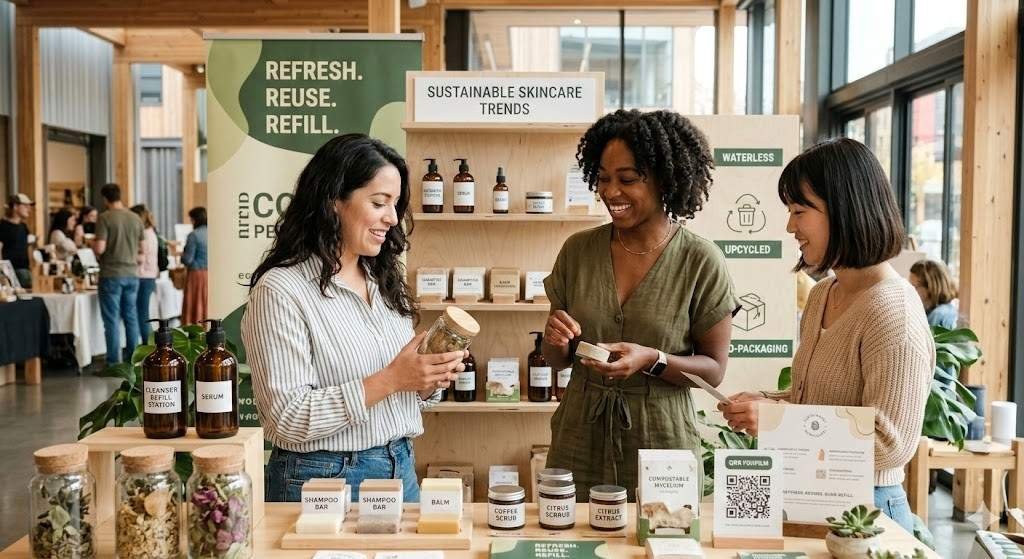
Sustainability is no longer just a buzzword in the beauty industry—it has become a major movement shaping how skincare products are formulated, packaged, and consumed. As consumers become more aware of environmental issues such as plastic pollution, climate change, and ethical sourcing, the demand for sustainable skincare continues to rise.
Modern skincare enthusiasts are looking beyond effectiveness. They now want products that are good for their skin and safe for the planet. This shift has encouraged brands to rethink everything from ingredient sourcing to packaging design.
In this comprehensive guide, we explore the biggest sustainable skincare trends transforming the beauty industry and how you can adopt eco-friendly skincare practices in your routine.
What Is Sustainable Skincare?
Sustainable skincare refers to beauty products and practices that minimize environmental impact while promoting ethical sourcing, responsible production, and safe ingredients.
It focuses on several key principles:
- Eco-friendly ingredients
- Ethical sourcing
- Reduced carbon footprint
- Recyclable or biodegradable packaging
- Cruelty-free formulations
- Minimal waste production
The goal is to create skincare products that support long-term environmental health without sacrificing effectiveness.
Eco-skincare also emphasizes transparency, allowing consumers to understand the environmental footprint of the products they use.
Why Sustainable Skincare Is Becoming Popular
The beauty industry produces millions of tons of plastic packaging every year, contributing significantly to global waste. As a result, both consumers and brands are seeking greener alternatives.
Several factors are driving the shift toward sustainability:
1. Environmental Awareness
People are increasingly concerned about pollution, plastic waste, and climate change.
2. Conscious Consumerism
Shoppers are prioritizing brands that align with their values.
3. Ingredient Transparency
Consumers want to know where ingredients come from and how they affect the environment.
4. Ethical Beauty Movement
Cruelty-free and vegan skincare have become major priorities for modern consumers.
The Biggest Sustainable Skincare Trends
1. Waterless Beauty Products
One of the most important trends in sustainable skincare is waterless beauty.
Many traditional skincare products contain up to 80% water, which requires preservatives and increases packaging size.
Waterless products eliminate this unnecessary water content.
Examples include:
- Powder cleansers
- Solid face wash bars
- Balm moisturizers
- Concentrated serums
These products are more sustainable because they:
- Reduce water consumption
- Require less packaging
- Lower shipping emissions due to lighter weight
Waterless skincare is becoming one of the most innovative ways to reduce environmental impact.
2. Refillable Skincare Packaging
Another major trend is refillable packaging.
Instead of throwing away bottles and jars after use, consumers can simply refill the product inside the original container.
This approach dramatically reduces plastic waste and promotes long-term reuse.
Examples include:
- Refillable serum bottles
- Reusable moisturizer containers
- Replaceable skincare pods
Luxury beauty brands are also embracing refillable packaging to combine sustainability with premium design.
3. Upcycled Ingredients in Skincare
Upcycled skincare is one of the fastest-growing beauty innovations.
Upcycling involves using ingredients that would normally be discarded and transforming them into effective skincare actives.
Examples include:
- Coffee grounds used in exfoliating scrubs
- Fruit peels used in vitamin-rich serums
- Seed oils extracted from food waste
These ingredients reduce waste while still delivering skin benefits such as hydration and antioxidant protection.
Upcycled beauty proves that waste materials can become valuable skincare ingredients.
4. Plant-Based and Vegan Skincare
Consumers are increasingly choosing plant-based skincare formulas that avoid animal-derived ingredients.
Botanical ingredients such as:
- Aloe vera
- Green tea
- Seaweed
- Bakuchiol
- Rosehip oil
are replacing synthetic chemicals in many skincare products.
Plant-based skincare offers several benefits:
- Biodegradable ingredients
- Gentle formulations
- Ethical sourcing
The demand for vegan beauty products is expected to continue growing worldwide.
5. Biodegradable and Compostable Packaging
Plastic packaging has been a major environmental problem in the beauty industry.
To address this issue, brands are introducing biodegradable packaging made from natural materials such as:
- Bamboo
- Cornstarch plastic
- Mushroom packaging
- Recycled paper
These materials break down naturally without harming the environment.
Some companies are even developing compostable skincare containers that decompose after disposal.
6. Minimalist Skincare (Skinimalism)
Another growing trend is minimalist skincare, also known as skinimalism.
Instead of using many products, consumers are focusing on simple routines with fewer but more effective products.
Typical minimalist skincare routine:
- Cleanser
- Serum
- Moisturizer
- Sunscreen
This approach reduces:
- Product waste
- Packaging consumption
- Overproduction in the beauty industry
Minimalism also supports healthier skin by avoiding unnecessary ingredients.
7. Multi-Use Skincare Products
Multi-functional products are becoming increasingly popular in sustainable beauty.
These products serve multiple purposes, reducing the number of products needed.
Examples include:
- Moisturizer with SPF
- Lip and cheek balms
- Cleansing balm that removes makeup and cleans skin
Using fewer products means less packaging and less environmental waste.
8. Biotech Skincare Ingredients
Biotechnology is revolutionizing sustainable skincare.
Instead of harvesting large amounts of natural resources, scientists can produce powerful ingredients in laboratories.
Examples include:
- Lab-grown collagen
- Fermented skincare ingredients
- Bio-engineered peptides
Biotech ingredients help protect biodiversity by reducing the need for large-scale plant harvesting.
This technology allows brands to create effective products while minimizing environmental damage.
9. Cruelty-Free and Ethical Beauty
Animal testing has become increasingly unacceptable in the beauty industry.
Consumers now prefer brands that offer:
- Cruelty-free certifications
- Ethical ingredient sourcing
- Vegan formulations
Certifications such as Leaping Bunny and PETA cruelty-free labels help consumers identify ethical products.
The shift toward ethical beauty reflects growing awareness of animal welfare in cosmetics.
10. Local and Low-Carbon Ingredient Sourcing
Transportation of raw ingredients contributes to carbon emissions.
To reduce environmental impact, many brands now prioritize:
- Locally sourced ingredients
- Regional manufacturing
- Shorter supply chains
This approach reduces transportation emissions while supporting local farmers and suppliers.
11. Plastic-Free Beauty Movement
Plastic-free beauty aims to eliminate single-use plastics in skincare products.
Common plastic-free alternatives include:
- Glass bottles
- Metal tins
- Paper packaging
- Compostable containers
These materials reduce pollution and improve recyclability.
12. Transparency and Eco Labels
Consumers increasingly demand transparency from beauty brands.
Some companies now include QR codes or digital labels that allow customers to see the environmental impact of a product, including its sourcing and production footprint.
This transparency helps consumers make more informed and sustainable choices.
How to Build a Sustainable Skincare Routine
You don’t need to completely change your routine overnight. Small steps can make a big difference.
Choose Refillable Products
Refillable packaging significantly reduces waste.
Finish Products Before Buying New Ones
Using products completely prevents unnecessary waste.
Select Multi-Purpose Products
Products that serve multiple functions reduce consumption.
Support Ethical Brands
Look for cruelty-free and environmentally responsible companies.
Recycle Packaging Properly
Always check recycling guidelines before disposing of containers.
Sustainable Skincare Ingredients to Look For
Some ingredients are more eco-friendly than others.
Common sustainable ingredients include:
- Aloe vera
- Green tea extract
- Chamomile
- Seaweed
- Plant-derived hyaluronic acid
- Fermented botanical extracts
These ingredients are often biodegradable and responsibly sourced.
Challenges in Sustainable Beauty
Although sustainable skincare is growing, it still faces several challenges.
Greenwashing
Some brands market products as “natural” or “eco-friendly” without genuine sustainability practices.
Higher Costs
Eco-friendly packaging and ethical sourcing can increase product costs.
Limited Recycling Infrastructure
Not all regions have access to effective recycling systems.
Despite these challenges, the industry continues moving toward more sustainable solutions.
The Future of Sustainable Skincare
The future of skincare will likely focus on:
- AI-driven personalized skincare routines
- Lab-grown ingredients
- Fully compostable packaging
- Carbon-neutral beauty brands
- Circular beauty systems where packaging is reused
As technology advances, sustainable beauty will become more accessible and affordable.
Final Thoughts
Sustainable skincare is transforming the beauty industry by encouraging environmentally responsible practices and ethical product development.
From refillable packaging and waterless formulas to upcycled ingredients and plant-based skincare, these innovations prove that beauty can be both effective and eco-friendly.
By making conscious choices in your skincare routine, you can support a healthier planet while still achieving glowing, healthy skin.
Sustainability is not just a trend—it is the future of beauty.
FAQs
1. What is sustainable skincare?
Sustainable skincare refers to beauty products designed to minimize environmental impact through eco-friendly ingredients, ethical sourcing, and recyclable packaging.
2. Why is sustainable skincare important?
It helps reduce plastic waste, protect ecosystems, and support ethical production practices in the beauty industry.
3. Are natural skincare products always sustainable?
Not always. Some natural ingredients can still harm the environment if they are not responsibly sourced.
4. What are waterless skincare products?
Waterless skincare products contain little or no water and come in forms like powders, balms, and solid bars.
5. What are upcycled skincare ingredients?
Upcycled ingredients are materials that would normally be discarded but are reused to create skincare products.
6. Is sustainable skincare better for sensitive skin?
Many sustainable products use gentle plant-based ingredients, which can be beneficial for sensitive skin.
7. How can I make my skincare routine more sustainable?
You can use refillable packaging, choose multi-purpose products, recycle containers, and support eco-friendly brands.
8. What is the difference between clean beauty and sustainable beauty?
Clean beauty focuses on safe ingredients, while sustainable beauty emphasizes environmental responsibility and ethical production.
9. What is upcycled skincare?
Upcycled skincare uses ingredients that would otherwise be discarded during food production or agriculture. For example, fruit peels, coffee grounds, and seed oils can be repurposed into skincare ingredients.
10. What ingredients are commonly used in sustainable skincare?
Common sustainable skincare ingredients include:
- Aloe vera
- Green tea extract
- Chamomile
- Seaweed
- Plant-based hyaluronic acid
- Botanical oils like rosehip and jojoba
These ingredients are often biodegradable and responsibly sourced.
11. Why is plastic-free skincare becoming popular?
Plastic-free skincare helps reduce plastic pollution and environmental waste. Many brands are switching to glass containers, metal tins, and compostable packaging.
Also read :
Skin Cycling: Dermatologist-Approved Skincare Trend Explained