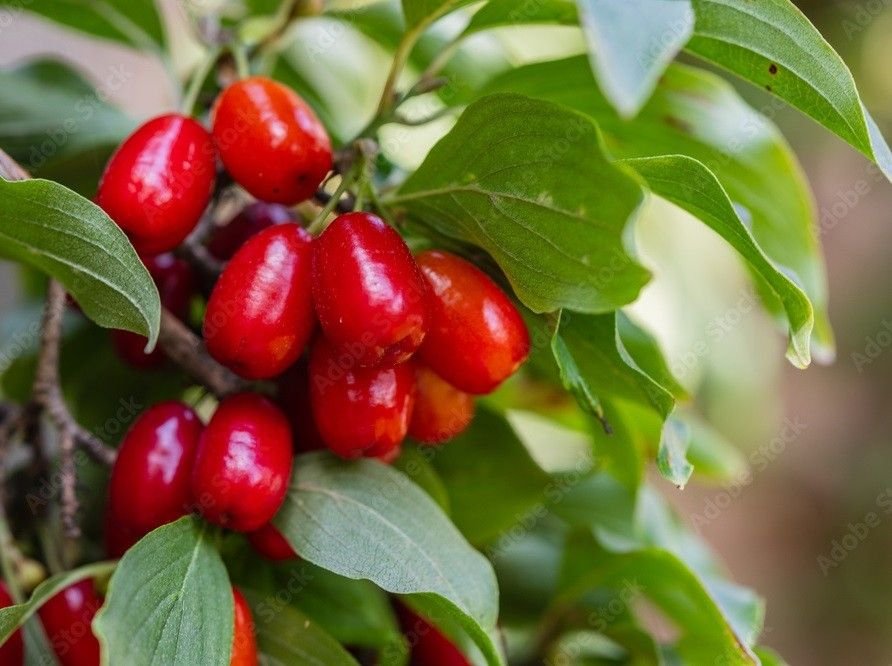
The world of superfruits is constantly evolving, with consumers searching for nutrient-rich fruits that offer both flavor and health benefits. While berries like blueberries, acai, and goji berries dominate the spotlight, another ancient fruit is quietly gaining attention among health enthusiasts and gardeners alike — the Cornelian cherry.
Known scientifically as Cornus mas, the Cornelian cherry is not a true cherry. Instead, it belongs to the dogwood family and produces bright red, olive-shaped fruits packed with vitamins, antioxidants, and beneficial plant compounds. Native to parts of Europe and Western Asia, this fruit has been cultivated for thousands of years and has deep roots in traditional medicine and culinary culture.
Cornelian cherries have a tart yet pleasantly fruity flavor that becomes sweeter when fully ripe. They can be eaten fresh or transformed into jams, syrups, juices, desserts, sauces, and even fermented beverages. Beyond their culinary appeal, these vibrant fruits are celebrated for supporting immunity, digestion, heart health, and overall wellness.
As interest in natural nutrition and forgotten fruits continues to rise, Cornelian cherries are finding their way back into gardens, kitchens, and health-focused diets worldwide. This article explores everything you need to know about Cornelian cherries — their history, nutritional profile, health benefits, uses, cultivation, recipes, and future potential.
What Is Cornelian Cherry?
Cornelian cherry is a small deciduous tree or shrub that typically grows between 5 and 12 meters tall. It produces clusters of tiny yellow flowers in early spring before the leaves emerge, making it one of the earliest flowering fruit trees in many regions.
The fruit itself is elongated and glossy red, resembling a small cherry or olive. Depending on the variety, the fruit may also appear dark red, purple, or nearly black when fully ripe.
Despite the name “cherry,” Cornelian cherry differs significantly from common sweet cherries. Its flavor is more tart and cranberry-like when underripe, but it develops sweetness and complexity as it matures.
The tree is valued not only for its fruits but also for its ornamental beauty, resilience, and long lifespan. Many Cornelian cherry trees can survive for decades while continuing to produce abundant fruit harvests.
History and Origin of Cornelian Cherry
Cornelian cherry has a rich and ancient history that dates back thousands of years. Archaeological evidence suggests the fruit was consumed during ancient Greek and Roman times.
The fruit was especially popular in:
- Turkey
- Iran
- Ukraine
- Georgia
- Armenia
- Balkan countries
- Central Europe
In ancient Greece, Cornelian cherry wood was prized for its hardness and durability. Historical records indicate that spears, tools, and weapons were sometimes made from the dense wood of the Cornelian cherry tree.
Traditional medicine systems across Eastern Europe and Asia also used the fruit for digestive issues, fever management, and immune support.
Today, Cornelian cherries remain an important part of regional cuisines in countries such as Turkey and Ukraine, where they are commonly turned into juices, preserves, and medicinal syrups.
Nutritional Profile of Cornelian Cherry
Cornelian cherries may be small, but they contain an impressive array of nutrients and bioactive compounds.
Key Nutrients Found in Cornelian Cherries
Vitamin C
Cornelian cherries are exceptionally rich in vitamin C, which supports immunity, collagen production, and skin health.
Antioxidants
The fruit contains anthocyanins, flavonoids, and polyphenols that help protect cells against oxidative stress.
Fiber
Dietary fiber supports digestive health, gut balance, and healthy cholesterol levels.
Potassium
Potassium helps regulate blood pressure and supports proper muscle and nerve function.
Iron
Cornelian cherries contain modest amounts of iron, which is important for oxygen transport and energy production.
Organic Acids
Natural acids contribute to the fruit’s tart flavor and may support digestion.
Low Calories
The fruit is relatively low in calories, making it suitable for balanced diets and healthy snacking.
Health Benefits of Cornelian Cherry
1. Supports Immune Function
Cornelian cherries are widely appreciated for their high vitamin C content. Vitamin C plays a vital role in strengthening the immune system by supporting white blood cell activity and protecting cells from damage.
Regular consumption of vitamin C-rich fruits may help the body defend itself against common infections and seasonal illnesses.
2. Rich in Powerful Antioxidants
The bright red color of Cornelian cherries comes from anthocyanins and other antioxidant compounds. These substances help neutralize harmful free radicals in the body.
Antioxidants may contribute to:
- Reduced inflammation
- Slower cellular aging
- Better skin health
- Protection against oxidative stress
- Improved overall wellness
A diet rich in antioxidant-containing fruits is associated with better long-term health outcomes.
3. May Support Heart Health
Cornelian cherries contain potassium, antioxidants, and anti-inflammatory compounds that may benefit cardiovascular health.
Potential heart-supportive effects include:
- Helping maintain healthy blood pressure
- Supporting circulation
- Reducing oxidative damage
- Supporting healthy cholesterol balance
The fiber content in the fruit may also contribute to cardiovascular wellness.
4. Promotes Digestive Health
The fiber found in Cornelian cherries supports healthy digestion by encouraging regular bowel movements and nourishing beneficial gut bacteria.
Traditional medicine systems often used Cornelian cherries to soothe digestive discomfort and support intestinal wellness.
Consuming fiber-rich fruits regularly may help:
- Improve digestion
- Prevent constipation
- Support gut microbiome diversity
- Promote satiety
5. May Help Manage Blood Sugar Levels
Some studies suggest that Cornelian cherries may support healthy blood sugar regulation due to their antioxidant profile and natural plant compounds.
Although more research is needed, the fruit’s relatively low calorie content and fiber make it a potentially smart addition to balanced eating patterns.
Individuals with diabetes should still monitor portion sizes and consult healthcare professionals regarding dietary changes.
6. Supports Healthy Skin
Vitamin C is essential for collagen synthesis, which helps maintain skin elasticity and structure. Antioxidants in Cornelian cherries may also help protect the skin from environmental stressors.
Potential skin-related benefits include:
- Supporting collagen production
- Helping reduce oxidative damage
- Promoting a healthy glow
- Supporting skin repair
7. May Have Anti-Inflammatory Properties
Chronic inflammation is linked to various long-term health issues. Cornelian cherries contain polyphenols and flavonoids that may help reduce inflammation within the body.
Traditional herbal practices have historically used the fruit in remedies aimed at soothing inflammatory conditions.
8. Provides Natural Energy
The fruit contains natural carbohydrates, vitamins, and minerals that may help support energy production without excessive calories.
Cornelian cherry juices and preserves are often enjoyed as refreshing energizing foods during warmer seasons.
Culinary Uses of Cornelian Cherry
Cornelian cherries are highly versatile and can be used in both sweet and savory recipes.
Fresh Consumption
Fully ripe fruits can be eaten raw. Their taste is tangy, fruity, and refreshing.
Some people prefer allowing the fruit to soften slightly before eating for improved sweetness.
Cornelian Cherry Jam
Jam is one of the most traditional and popular ways to use Cornelian cherries.
The tartness of the fruit creates a rich and flavorful preserve that pairs well with:
- Toast
- Pancakes
- Yogurt
- Pastries
- Cheese boards
Juices and Syrups
Cornelian cherry juice is widely consumed in parts of Eastern Europe and the Middle East.
The juice is refreshing and often mixed with:
- Lemon
- Honey
- Mint
- Sparkling water
Syrups made from the fruit can be used in beverages and desserts.
Desserts
The fruit can be used in:
- Pies
- Cakes
- Muffins
- Tarts
- Sorbets
- Ice cream
- Fruit sauces
Its tartness balances sweetness beautifully in baked goods.
Sauces for Savory Dishes
Cornelian cherries can also complement savory meals.
They are sometimes transformed into sauces for:
- Roasted meats
- Poultry
- Grilled vegetables
- Rice dishes
The fruit’s acidity helps create depth and balance in savory cooking.
Fermented Beverages
In some cultures, Cornelian cherries are fermented into:
- Fruit wines
- Traditional liquors
- Vinegars
- Fruit-based beverages
These preparations have been part of regional food traditions for generations.
How to Grow Cornelian Cherry
Cornelian cherry trees are relatively easy to grow and are valued for their hardiness.
Climate Requirements
The tree thrives in temperate climates and can tolerate cold winters.
It grows best in regions with:
- Moderate sunlight
- Well-drained soil
- Seasonal climate variations
Soil Preferences
Cornelian cherries prefer:
- Slightly acidic to neutral soil
- Good drainage
- Moderate moisture
However, the tree is adaptable and resilient.
Watering
Young trees require regular watering during establishment, while mature trees are relatively drought tolerant.
Pollination
Planting more than one variety often improves pollination and fruit production.
Harvesting
Fruits are usually harvested in late summer or early autumn when they turn deep red and soften slightly.
Some growers place cloth beneath the tree and gently shake branches to collect ripe fruits.
Cornelian Cherry in Traditional Medicine
For centuries, Cornelian cherries have been used in folk remedies.
Traditional uses included support for:
- Digestive issues
- Fever management
- Fatigue
- Immune support
- Sore throats
In some cultures, Cornelian cherry syrup was considered a restorative tonic during illness or seasonal changes.
Although modern scientific research is still developing, many traditional practices recognized the fruit’s nutritional richness long before modern nutrition science emerged.
Cornelian Cherry vs Other Superfruits
Cornelian Cherry vs Cranberry
Both fruits are tart and antioxidant-rich, but Cornelian cherries are generally sweeter when ripe and contain significant vitamin C.
Cornelian Cherry vs Cherry
True cherries are sweeter and softer, while Cornelian cherries have a more tangy and complex flavor profile.
Cornelian Cherry vs Goji Berry
Goji berries are commonly dried, while Cornelian cherries are usually eaten fresh or processed into jams and juices.
Both fruits are considered nutrient-dense superfoods.
Sustainability and Environmental Benefits
Cornelian cherry trees offer several ecological advantages.
Early Pollinator Support
The tree blooms early in spring, providing nectar and pollen for bees and other pollinators when few other plants are flowering.
Drought Resistance
Once established, Cornelian cherry trees are relatively resilient and can tolerate periods of reduced rainfall.
Long Lifespan
These trees can remain productive for decades, reducing the need for frequent replanting.
Low Maintenance
Cornelian cherry trees generally require fewer chemical inputs compared to some commercial fruit crops.
This makes them attractive for sustainable gardening and agroforestry systems.
Potential Side Effects and Precautions
Cornelian cherries are generally considered safe for most people when consumed as food.
However, a few considerations include:
- Excessive consumption may cause mild digestive discomfort in sensitive individuals.
- Sweetened syrups and jams may contain high amounts of sugar.
- Individuals with food sensitivities should try small amounts initially.
As with any food, moderation is important.
Future Popularity of Cornelian Cherry
Several trends are contributing to renewed interest in Cornelian cherries:
- Growing demand for antioxidant-rich foods
- Interest in forgotten and heirloom fruits
- Expansion of sustainable gardening
- Popularity of natural wellness foods
- Culinary experimentation with unique ingredients
As consumers continue exploring nutrient-dense fruits beyond mainstream options, Cornelian cherries may become increasingly popular globally.
Delicious Cornelian Cherry Recipe Ideas
Cornelian Cherry Smoothie
Ingredients
- 1 cup Cornelian cherries
- 1 banana
- 1 cup yogurt
- Honey to taste
- Ice cubes
Instructions
Blend all ingredients until smooth and serve chilled.
Cornelian Cherry Sauce
Ingredients
- 2 cups Cornelian cherries
- 2 tablespoons honey
- Lemon juice
- Pinch of cinnamon
Instructions
Cook ingredients over medium heat until softened and thickened. Serve with roasted meats or desserts.
Cornelian Cherry Tea
Steep dried Cornelian cherries in hot water for a fruity herbal beverage rich in natural flavor.
Frequently Asked Questions
Is Cornelian cherry a real cherry?
No. Despite its name, Cornelian cherry belongs to the dogwood family and is not related to traditional cherries.
What does Cornelian cherry taste like?
The fruit tastes tart and fruity, similar to cranberry or sour cherry when underripe, becoming sweeter as it ripens.
Can you eat Cornelian cherries raw?
Yes. Fully ripe fruits can be eaten fresh.
Are Cornelian cherries healthy?
Yes. They contain vitamin C, antioxidants, fiber, and beneficial plant compounds that support overall wellness.
Where do Cornelian cherries grow?
They are native to parts of Europe and Western Asia and grow well in temperate climates.
How are Cornelian cherries used?
They are used in jams, juices, syrups, desserts, sauces, and fermented beverages.
Are Cornelian cherry trees easy to grow?
Yes. They are hardy, adaptable, and relatively low maintenance.
When are Cornelian cherries harvested?
They are typically harvested in late summer or early autumn.
Conclusion
Cornelian cherry is a fascinating ancient fruit with remarkable nutritional value, culinary versatility, and historical significance. Though lesser known than many modern superfruits, it offers an impressive combination of antioxidants, vitamin C, fiber, and unique flavor.
From traditional medicinal uses to gourmet jams and modern wellness products, Cornelian cherries continue to prove their value across generations and cultures. Their resilience, sustainability, and adaptability also make them attractive for home gardens and environmentally conscious agriculture.
As people increasingly seek nutritious and distinctive foods, Cornelian cherry stands poised for a well-deserved revival. Whether enjoyed fresh, transformed into preserves, or cultivated in gardens, this vibrant red fruit offers a delicious connection between ancient traditions and modern healthy living.
Also read:
Maqui Berry: 8 Benefits, Nutrition, Uses, and Superfood Guide